Category Archive : Flooring

flooring suppliers epping

How Can You Choose The Best Flooring Suppliers In Epping For Your Home?

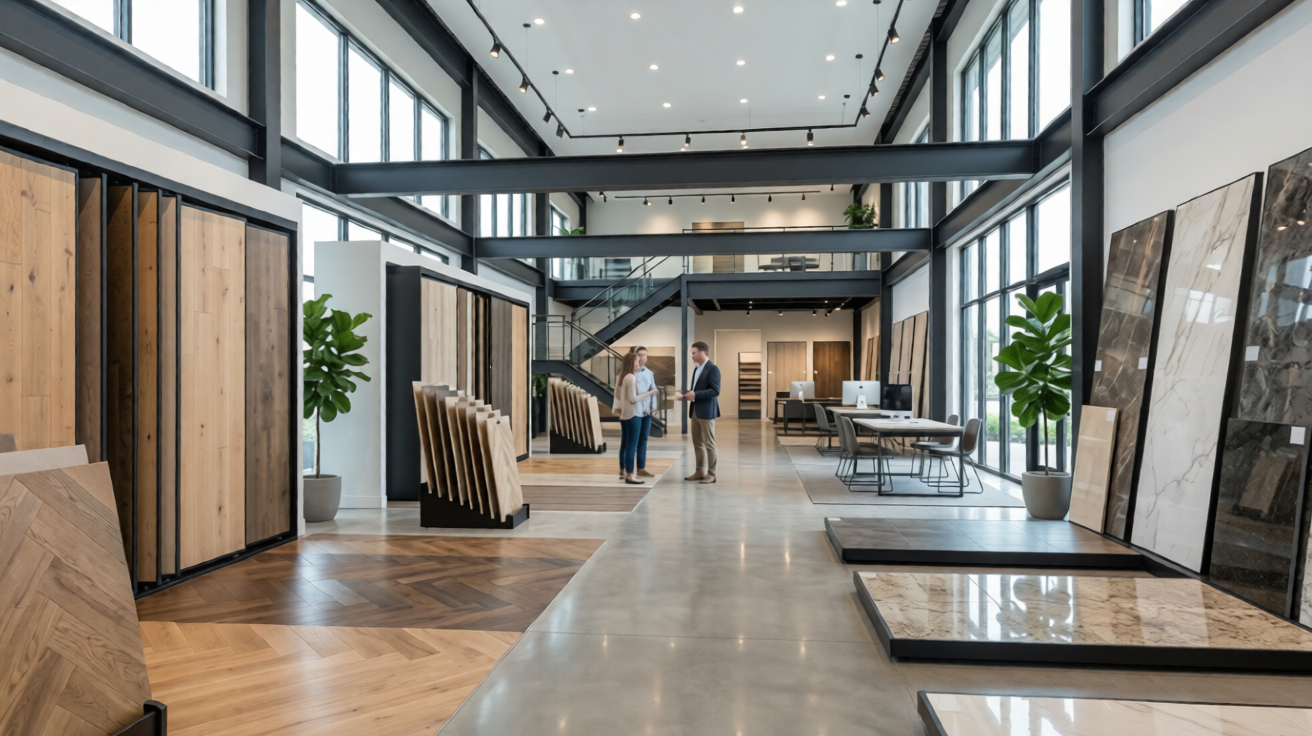
Choosing the right flooring can improve the comfort, appearance, and functionality of any home. With different materials, colours, and finishes available, selecting the right option requires careful consideration. Reliable flooring suppliers in Epping can help homeowners compare suitable products, understand their benefits, and find flooring that matches their interior style, lifestyle, and budget.

What Should You Consider When Choosing Flooring?

Before selecting flooring, consider the purpose of each room, your daily activities, and your maintenance preferences. High-traffic areas may require durable surfaces, while bedrooms might benefit from warmer and more comfortable materials.

It is also important to compare product quality, installation requirements, available designs, and long-term maintenance costs. Understanding these factors can help homeowners choose flooring that looks attractive and performs well over time.

Which Flooring Materials Are Suitable for Different Rooms?

Different flooring materials offer unique advantages, making it important to select an option that suits the space.

Hybrid Flooring

Hybrid flooring is a practical choice for many modern homes. It combines durable construction with designs inspired by natural timber and stone. Many products offer moisture resistance, although performance varies by product. Checking the manufacturer’s specifications helps determine whether a particular option suits the intended room.

Laminate Flooring

Laminate flooring provides a timber-inspired appearance in a variety of colours and finishes. It is commonly considered for living rooms, bedrooms, and other indoor spaces. Its style options make it suitable for homeowners looking to create a modern or traditional interior without choosing solid timber.

Timber Flooring

Timber flooring adds natural warmth and character to a home. Each plank features distinctive grain patterns, creating a unique appearance. Depending on the timber and finish, some floors can be refinished to refresh their look. However, timber requires appropriate care and protection from excessive moisture.

Vinyl Flooring

Vinyl flooring is available in a wide selection of patterns, colours, and textures. Some designs replicate the appearance of timber or stone while offering straightforward cleaning and maintenance. Product specifications should be reviewed to ensure the flooring is suitable for the room and expected conditions.

How Can You Compare Flooring Prices and Quality?

Comparing prices helps homeowners find flooring that fits their budget without overlooking quality. Consider durability, thickness, surface finish, warranty conditions, and cleaning requirements before making a decision.

Requesting product samples can also help you assess how different colours and textures look under natural and artificial lighting. Remember to calculate the complete project cost, including underlay, floor preparation, installation, trims, and removal of existing flooring where required.

Comparing quotes with similar product specifications makes it easier to understand the value offered by each option.

Why Is Professional Flooring Advice Important?

Choosing flooring involves more than selecting an attractive design. Professional guidance can help homeowners understand material differences, installation methods, and maintenance requirements.

When researching flooring suppliers in Epping, consider their product range, customer reviews, pricing transparency, and willingness to explain available options. Asking questions about installation suitability and product care can help prevent unexpected expenses and support better purchasing decisions.

How Can You Keep Your Flooring in Good Condition?

Regular maintenance helps preserve the appearance and condition of flooring. Sweep or vacuum frequently to remove dust and grit that may scratch the surface. Clean spills promptly and follow the manufacturer’s recommended cleaning instructions.

Furniture pads can help minimise scratches, while entrance mats reduce dirt entering the home. Avoid excessive water on moisture-sensitive materials and use suitable cleaning products to maintain the floor’s finish.

Conclusion

Choosing the right flooring requires careful consideration of style, durability, maintenance, and budget. By comparing materials, reviewing product specifications, and understanding installation costs, homeowners can find an option that suits their space and everyday needs. Taking time to research available choices helps create an attractive, comfortable, and practical home environment.

commercial flooring installation

How Can Commercial Flooring Installation Improve A Business Space?

The right flooring can influence how a commercial property looks, feels, and functions. Offices, retail stores, restaurants, medical facilities, warehouses, and other workplaces often experience heavy daily foot traffic, making flooring selection an important part of property planning. A suitable surface can complement the interior design while supporting everyday activities and maintenance needs.

Why Is Commercial Flooring Important?

Commercial spaces have different flooring requirements from residential properties. Floors may need to handle frequent foot traffic, moving equipment, spills, furniture, and regular cleaning. Choosing a suitable material requires consideration of the environment and how the space will be used.

A well-selected floor can also contribute to a professional appearance. Colour, texture, pattern, and finish can be coordinated with walls, furniture, lighting, and branding elements to create a consistent interior.

What Types of Commercial Flooring Are Available?

Several flooring options can be considered for commercial environments. Carpet tiles are commonly used in offices because individual sections can be replaced when necessary. Vinyl flooring can provide a practical surface for areas where regular cleaning is required.

Timber and timber-look flooring can introduce warmth and visual character into retail or hospitality spaces. Porcelain and ceramic tiles can suit areas where durability and easy cleaning are important. Rubber flooring may be considered for selected workplaces where comfort and resistance are priorities.

Each material has different characteristics, so the choice should be based on the specific requirements of the property.

How Do You Choose the Right Flooring?

Start by identifying how the space will be used. A busy retail environment may need a highly durable surface, while an office may place greater emphasis on acoustics, comfort, and appearance.

Moisture exposure is another consideration. Areas such as kitchens, bathrooms, entryways, and certain healthcare environments may require materials that are suitable for regular contact with moisture.

Maintenance should also be considered. Flooring that is simple to clean can help make routine upkeep more manageable, particularly in businesses that operate throughout the week.

Why Is Proper Floor Preparation Necessary?

The existing floor needs to be assessed before new flooring is installed. Uneven areas, cracks, moisture, old adhesive, or damaged subfloors may affect the installation if they are not addressed.

Preparation can include cleaning, levelling, repairing damaged areas, and removing unsuitable existing materials. The specific process depends on the current surface and the flooring system being installed.

A properly prepared subfloor provides a more stable foundation and can help the finished flooring sit evenly.

What Happens During Commercial Flooring Installation?

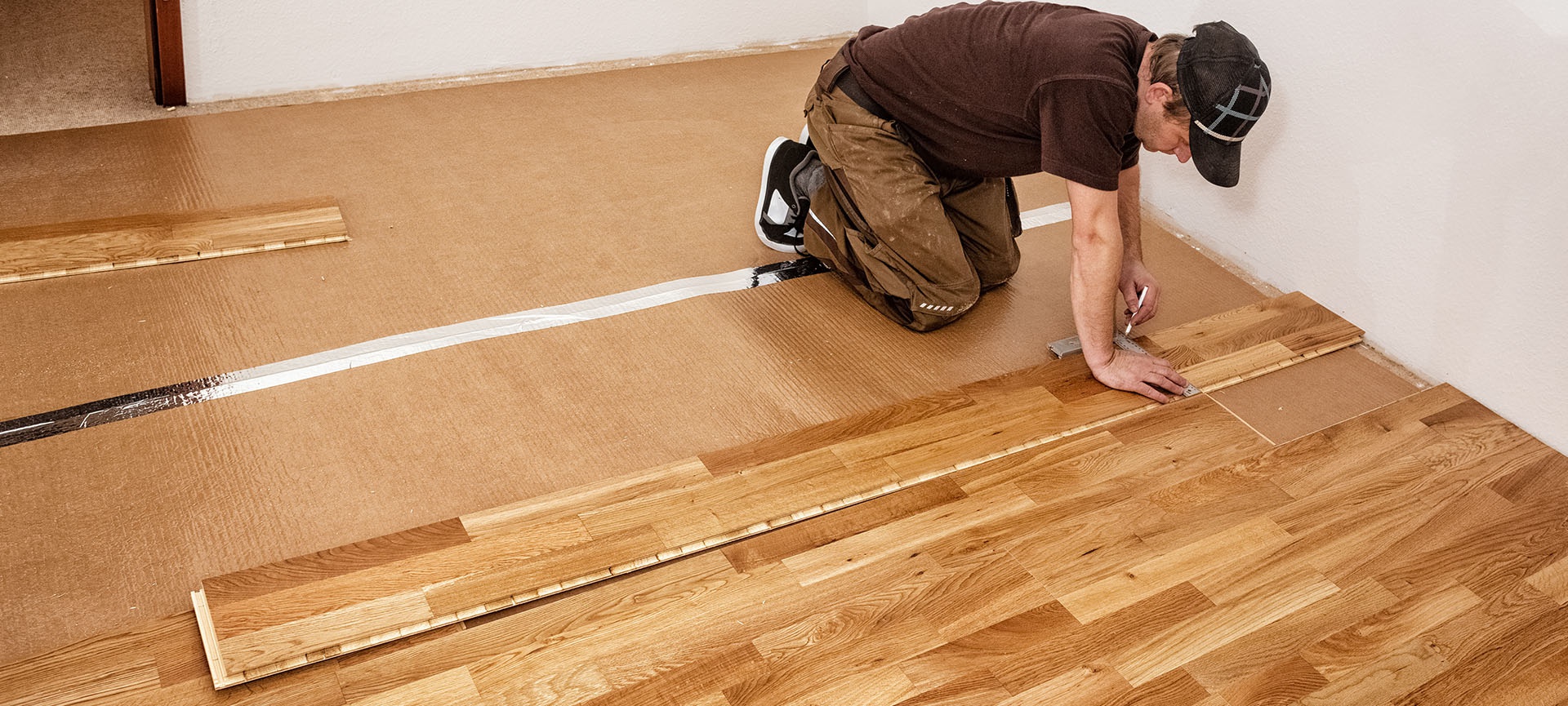
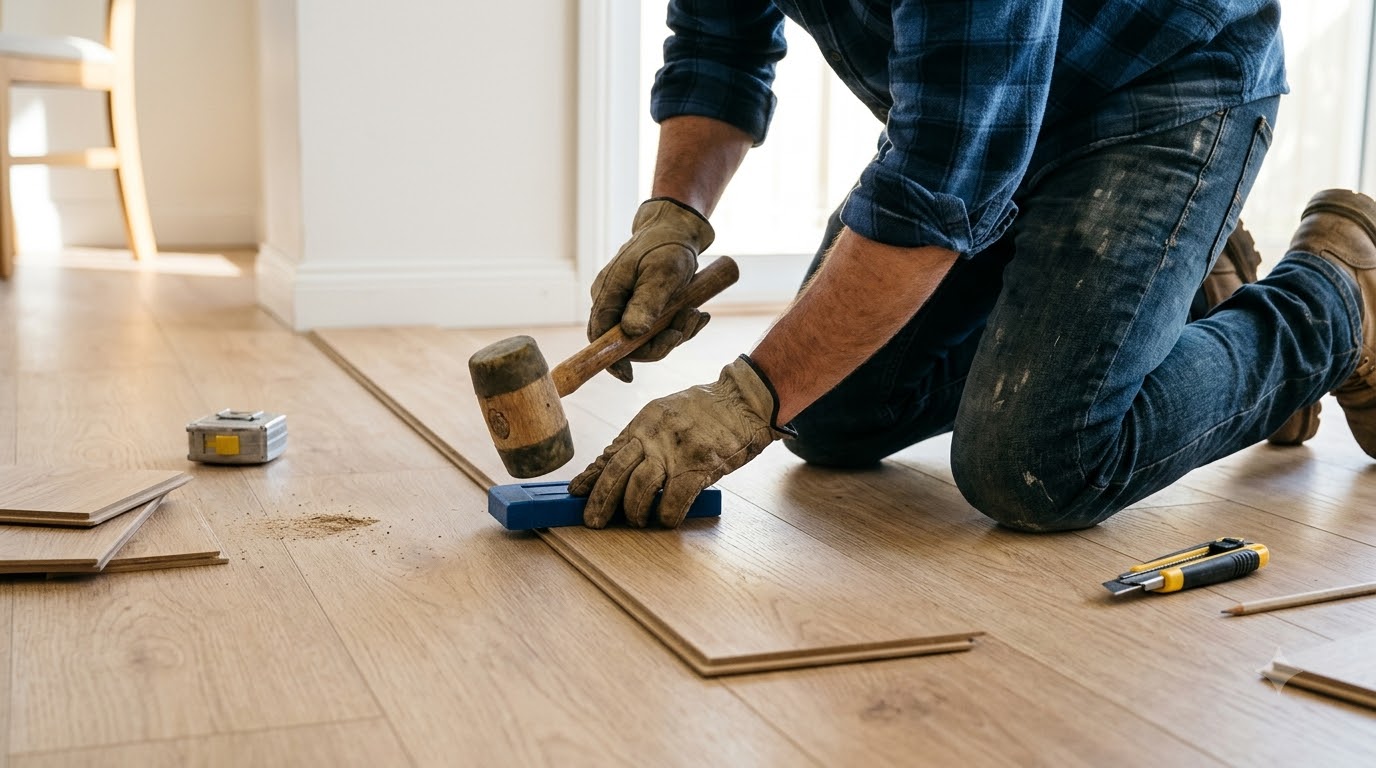
Commercial flooring installation typically begins with site preparation and measurement. The selected material is then prepared according to the installation method, which can vary between products.

Depending on the flooring type, installation may involve adhesives, underlay, mechanical fixing, floating systems, or other techniques. Careful alignment and accurate cutting are particularly important around corners, doorways, fixtures, and irregular areas.

Once installation is complete, the floor should be inspected for visible issues and cleaned according to the material’s care requirements.

How Can Flooring Affect Workplace Design?

Flooring can help define different zones within a commercial property. For example, contrasting materials or patterns can visually separate reception areas, workspaces, walkways, meeting rooms, and customer areas.

Colour can also influence the overall atmosphere. Neutral flooring can provide a subtle foundation, while patterns or feature areas can create visual interest without overwhelming the space.

How Should Commercial Flooring Be Maintained?

Regular maintenance depends on the material selected. Sweeping, vacuuming, mopping, spot cleaning, and periodic professional maintenance may all form part of a flooring care routine.

Using suitable cleaning products is important because harsh chemicals or incorrect methods can damage certain finishes. Businesses should follow the manufacturer’s maintenance recommendations to keep the flooring in suitable condition.

Conclusion

Commercial flooring installation requires careful consideration of the property’s use, traffic levels, design requirements, maintenance needs, and existing subfloor. Selecting the right material and preparing the surface correctly can contribute to a functional and attractive commercial environment. With thoughtful planning and appropriate installation methods, businesses can create flooring solutions that support everyday operations while complementing their overall interior design.

cheap flooring sydney

Cheap Flooring In Sydney: What Should You Consider?

Choosing new flooring involves more than simply finding the lowest price. Homeowners often need to balance appearance, durability, maintenance and installation requirements while staying within a practical budget. Cheap flooring in Sydney can be a suitable option when the product is selected carefully and matched to the needs of each room.

What Should You Look for in Affordable Flooring?

Affordable flooring should provide a practical balance between cost and everyday performance. Before making a decision, consider how the room will be used, how much foot traffic it receives and how frequently the floor may need cleaning.

Material quality is another important consideration. A lower purchase price does not always mean lower overall value. Flooring that is easy to maintain and suitable for the property’s conditions can help reduce future replacement or repair expenses.

It is also useful to compare the total project cost rather than focusing only on the price per square metre. Underlay, trims, adhesives, preparation and installation may all affect the final budget.

Which Flooring Options Suit Different Rooms?

Different flooring materials have different characteristics. Laminate flooring can provide the appearance of timber while offering a practical surface for many living areas. It is available in various colours and patterns, making it easy to coordinate with different interior designs.

Hybrid flooring is another option that combines visual appeal with practical features. Its construction can make it suitable for busy areas where easy cleaning and everyday durability are important.

Vinyl flooring can also be considered for areas where moisture resistance and simple maintenance are priorities. It is available in many designs and can replicate the appearance of timber, stone and other materials.

Carpet remains useful for bedrooms and other areas where softness and warmth are desired. Comparing these options based on room requirements can help homeowners avoid choosing flooring based only on appearance.

How Can You Keep Flooring Costs Under Control?

Planning ahead can make a significant difference to the overall flooring budget. Measuring the area accurately helps reduce unnecessary material purchases. It is also worth checking whether the existing subfloor requires repairs or preparation before the new flooring is installed.

Choosing a practical design can also help control costs. Highly specialised patterns or unusual installation methods may require additional labour. Standard plank layouts can often provide a clean appearance without unnecessary complexity.

Homeowners should also compare maintenance requirements. A floor that needs specialised cleaning products or frequent refinishing may cost more to maintain over time.

Does Installation Affect the Overall Price?

Yes. Installation can represent a significant part of a flooring project’s total cost. The final price may depend on the size of the area, the condition of the subfloor, the selected flooring material and the complexity of the layout.

Removing existing flooring may create an additional expense. Similarly, doors, skirting boards and transitions may need adjustments after the new floor is installed.

Obtaining a detailed quotation can make it easier to understand what is included before the project begins. Comparing inclusions rather than simply comparing headline prices can provide a clearer picture of overall value.

How Can Affordable Flooring Still Look Stylish?

Budget-friendly flooring does not have to look basic. Modern flooring products are available in a wide range of colours, textures and patterns. Light tones can make smaller rooms appear more open, while warmer shades can create a comfortable atmosphere.

Consistent flooring between connected areas can also create a more unified interior. Simple installation patterns and well-matched trims can further improve the finished appearance.

What Maintenance Should Be Considered?

Regular maintenance helps flooring retain its appearance for longer. Dust and dirt should be removed regularly to reduce surface wear. Spills should be cleaned according to the manufacturer’s recommendations.

Furniture pads can help minimise scratches and marks, while rugs can protect areas that experience heavy foot traffic. Using suitable cleaning products is equally important because harsh chemicals may damage certain flooring surfaces.

Conclusion

Cheap flooring in Sydney can offer practical value when homeowners consider more than the initial purchase price. Material suitability, installation costs, maintenance, room usage and design should all be assessed before making a final choice. Careful comparison and proper planning can help create an attractive and functional floor while keeping the overall project within a realistic budget.

commercial flooring installation

A Complete Guide To Commercial Flooring Installation For Modern Businesses

Commercial flooring installation plays a crucial role in shaping the appearance, safety, and functionality of any business space. From offices and retail stores to warehouses and healthcare facilities, the right flooring solution can enhance durability, improve aesthetics, and create a positive impression on clients and employees.

Why Commercial Flooring Installation Matters?

Flooring in commercial environments experiences high foot traffic, heavy equipment movement, and constant wear and tear. Choosing professional commercial flooring installation ensures the surface is strong, long-lasting, and suitable for the specific needs of the business. Proper installation also reduces maintenance costs and prevents issues such as uneven surfaces or premature damage.

Types of Commercial Flooring Options

There are several flooring options available for commercial spaces, each offering unique benefits. Vinyl flooring is a popular choice due to its durability, affordability, and easy maintenance. Carpet tiles provide comfort and noise reduction, making them ideal for office environments. Hardwood flooring adds a premium look, while epoxy flooring is highly resistant to chemicals and ideal for industrial settings. Selecting the right material depends on the purpose of the space and the level of traffic it receives.

Key Steps in Commercial Flooring Installation

The process of commercial flooring installation involves careful planning and execution. It begins with assessing the site and preparing the subfloor to ensure it is clean, level, and moisture-free. Accurate measurements are taken to minimise material waste and ensure a precise fit. Professional installers then lay the flooring using specialised tools and techniques, followed by finishing touches such as sealing or polishing to enhance durability and appearance.

Factors to Consider Before Installation

Before starting a commercial flooring installation project, several factors should be evaluated. Budget is an important consideration, as different materials and installation methods vary in cost. Durability and maintenance requirements should also be assessed to ensure long-term value. Safety features such as slip resistance are essential, especially in high-risk areas like kitchens or hospitals. Additionally, the overall design and branding of the business should be reflected in the flooring choice.

Benefits of Hiring Professional Installers

Working with experienced professionals ensures that commercial flooring installation is completed efficiently and to a high standard. Skilled installers have the expertise to handle complex layouts, select appropriate materials, and address potential challenges during the process. Professional installation also reduces downtime, allowing businesses to resume operations quickly without compromising quality.

Maintenance Tips for Long-Lasting Flooring

Once the installation is complete, proper maintenance is key to extending the life of the flooring. Regular cleaning, timely repairs, and the use of protective measures such as mats can help prevent damage. Different flooring types require specific care routines, so following manufacturer guidelines is essential for maintaining their appearance and performance.

Conclusion

Investing in high-quality commercial flooring installation is essential for creating a functional and visually appealing business environment. By choosing the right materials, considering important factors, and relying on professional expertise, businesses can achieve durable and attractive flooring solutions. A well-installed floor not only enhances the overall space but also contributes to long-term efficiency and success.

hardwood flooring

Hardwood Flooring: A Complete Guide To Style, Durability, And Value For Modern Homes


Flooring is one of the most important design choices in any home, influencing both appearance and functionality. Hardwood flooring remains a top choice for homeowners who want a natural, durable, and timeless finish. Known for its strength and elegant look, it continues to be a preferred option in both modern and traditional interiors.

What is hardwood flooring?

Hardwood flooring is made from solid timber or engineered wood layers designed to create a strong and attractive surface. It is crafted from natural wood species such as oak, maple, or walnut, each offering unique grain patterns and colour tones. This natural variation gives every floor a distinct and premium appearance.

Why is hardwood flooring so popular?

Hardwood flooring is popular because it combines beauty with long-lasting performance. Its natural finish adds warmth and character to any space, making interiors feel more inviting. It also suits a wide range of design styles, from contemporary minimalist homes to classic architectural spaces.

Another reason for its popularity is its durability. When properly installed and maintained, hardwood flooring can last for decades, making it a long-term investment for homeowners.

What are the types of hardwood flooring?

There are two main types of hardwood flooring: solid hardwood and engineered hardwood.

Solid hardwood is made from a single piece of timber and is known for its strength and ability to be refinished multiple times. It is ideal for areas with stable humidity levels.

Engineered hardwood consists of multiple layers of wood, with a natural hardwood surface. It offers greater resistance to moisture and temperature changes, making it suitable for a wider range of environments.

What are the benefits of hardwood flooring?

Hardwood flooring offers several advantages that make it a preferred choice for many homeowners. One of the main benefits is its aesthetic appeal, as it enhances the overall look of interiors with a natural and elegant finish.

It is also highly durable and can withstand daily wear and tear. Unlike some flooring options, hardwood can be sanded and refinished to restore its original appearance, extending its lifespan.

In addition, hardwood flooring is easy to clean and maintain, requiring only regular sweeping and occasional polishing. It also contributes to better indoor air quality as it does not trap dust or allergens like carpet flooring.

Is hardwood flooring suitable for all rooms?

Hardwood flooring works best in living rooms, bedrooms, hallways, and dining areas. However, it may not be ideal for moisture-heavy spaces such as bathrooms or laundry rooms unless specially treated or engineered options are used. Proper installation and sealing can help improve its performance in different environments.

How to maintain hardwood flooring?

Maintaining hardwood flooring is simple with consistent care. Regular sweeping or vacuuming helps remove dirt and debris that can cause scratches. Using protective pads under furniture prevents surface damage.

Spills should be cleaned immediately to avoid moisture absorption. Periodic polishing or refinishing helps maintain shine and extend the life of the flooring. Avoiding harsh chemicals is also important to preserve the natural finish.

How does hardwood flooring add value to a home?

Hardwood flooring is often considered a premium feature in real estate. It enhances the visual appeal of a property and creates a strong impression on potential buyers. Homes with hardwood flooring are generally more attractive in the market, which can increase resale value.

Its long lifespan and timeless design make it a valuable investment for homeowners looking to improve both aesthetics and property worth.

People also ask

Is hardwood flooring expensive?

The cost varies depending on the type of wood and installation, but it is considered a long-term investment.

How long does hardwood flooring last?

With proper care, hardwood flooring can last several decades.

Can hardwood flooring be refinished?

Yes, solid hardwood can be sanded and refinished multiple times to restore its appearance.

Is hardwood flooring better than laminate?

Hardwood flooring is more durable and offers a more natural look compared to laminate options.

Conclusion

Hardwood flooring continues to be one of the most reliable and stylish flooring options available today. Its combination of durability, natural beauty, and long-term value makes it suitable for a wide range of homes. With proper care and installation, hardwood flooring can enhance interiors and provide lasting performance for many years.

Hardwood stair treads

Is Hardwood Flooring Worth The Investment For Australian Homes?

Are you considering upgrading your interiors but unsure whether hardwood flooring is the right move? Many Australian homeowners are drawn to timber for its natural warmth, durability, and long-term appeal. Whether renovating a heritage cottage or building a contemporary home, hardwood floors continue to stand out as a premium flooring solution.

What Makes Hardwood Different from Other Timber Options?

Not all timber floors are created equal. Solid hardwood flooring is crafted from a single piece of timber, offering strength and longevity that engineered alternatives may not fully replicate. It can be sanded and refinished multiple times, making it ideal for households planning to stay long term.

Which Australian Hardwoods Are Most Popular?

Have you explored local species such as Blackbutt, Jarrah, or Spotted Gum? Each type of hardwood flooring has unique grain patterns, colour tones, and hardness ratings. Selecting the right species depends on your aesthetic goals, foot traffic levels, and how much natural variation you prefer.

How Does Hardwood Perform Over Time?

One of the biggest advantages of hardwood flooring is its durability. With proper installation and maintenance, it can last for decades. Seasonal expansion and contraction are natural, but professional fitting and correct acclimatisation minimise movement issues in Australian conditions.

Is Maintenance Complicated?

Many assume timber floors require high upkeep. In reality, regular sweeping and occasional professional polishing keep hardwood flooring looking its best. Protective coatings also enhance resistance to scratches and everyday wear.

Can Hardwood Increase Property Value?

In Australia’s competitive property market, quality finishes matter. Installing hardwood flooring can elevate presentation, create a cohesive interior flow, and potentially increase resale appeal. For those seeking a timeless finish that balances character and strength, hardwood remains a smart and stylish choice.

Engineered Flooring Installation

Expert Engineered Flooring Installation for Homes and Businesses

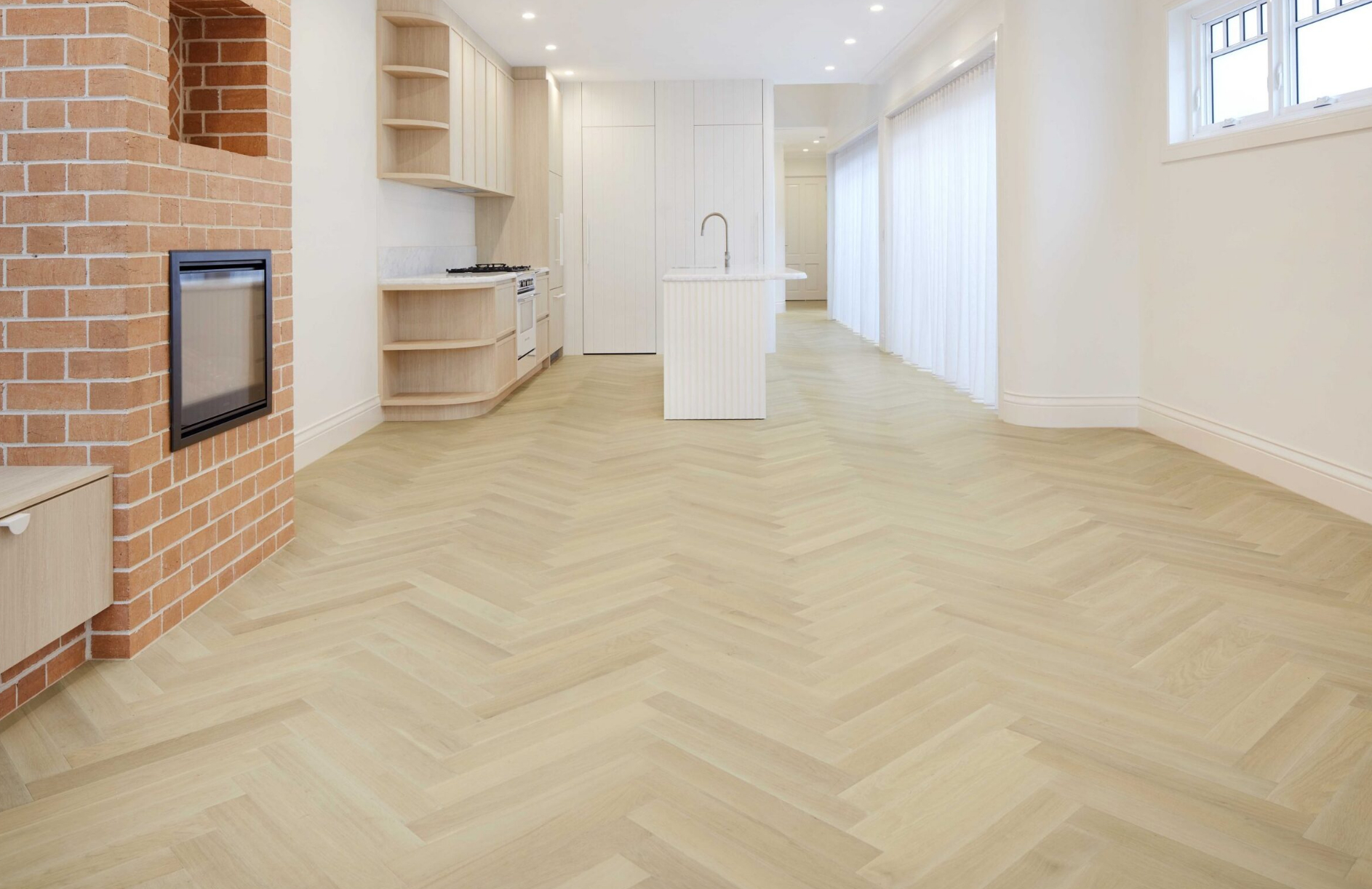
Selecting the right flooring can completely transform the look, feel, and functionality of any space. Choosing professional Engineered Flooring Installation ensures that both residential and commercial properties benefit from a durable, stylish, and long-lasting floor. Engineered flooring has grown in popularity due to its combination of the beauty of natural timber with the stability and resilience of modern construction techniques. For homes and businesses, investing in high-quality installation guarantees floors that are not only visually appealing but also built to withstand daily wear and tear.

What is Engineered Flooring?

Engineered flooring is composed of multiple layers of timber, providing the authentic look and texture of solid hardwood while offering improved stability. The top layer, often made from premium hardwood, gives the floor its natural appearance, while the underlying layers are designed to prevent warping, shrinkage, or expansion caused by changes in temperature and humidity. This makes engineered floors particularly suitable for Australian climates, where seasonal changes can affect traditional solid timber.

Benefits of Engineered Flooring

Engineered flooring offers numerous advantages for both homes and businesses. Its stability allows it to be installed in areas where solid timber may not perform well, such as below ground level or over concrete subfloors. It is also highly versatile, available in a wide range of finishes, colours, and wood species, allowing for seamless integration into any interior design.

Durability is another key benefit. Professionally installed engineered floors can handle heavy foot traffic, making them ideal for living areas, kitchens, offices, or retail spaces. Additionally, engineered flooring requires minimal maintenance while retaining the elegance and warmth of natural timber.

Why Professional Engineered Flooring Installation Matters

Proper installation is critical to ensuring engineered floors perform as intended. Expert Engineered Flooring Installation guarantees precise measurements, tight fitting, and a flawless finish. Professionals consider factors such as subfloor preparation, expansion gaps, and moisture control to ensure the flooring lasts for years without warping or gaps.

For businesses, professional installation minimises downtime and disruption, while for homes, it ensures the floor complements the interior aesthetic seamlessly. DIY installations can often result in uneven surfaces, gaps, or premature wear, which can compromise the floor’s longevity. Skilled installers provide peace of mind that the investment is protected and the floor will remain attractive and functional for decades.

Choosing the Right Engineered Flooring

Selecting the right engineered flooring involves considering lifestyle, budget, and the specific requirements of each space. High-traffic areas benefit from harder timber species and durable finishes, while quieter rooms can feature softer or more delicate wood types. Businesses may prioritise durability and ease of maintenance, whereas homeowners often look for a balance between elegance and practicality.

Professional services can provide guidance on selecting the most suitable flooring, including colour schemes, finishes, and plank sizes, ensuring that the final result enhances the interior while meeting functional needs.

Engineered Flooring for Homes

In residential spaces, engineered flooring adds warmth, style, and a sense of luxury. It can complement a variety of interior designs, from modern minimalism to classic elegance. Kitchens, living rooms, bedrooms, and even hallways can benefit from engineered floors that are easy to clean, resistant to scratches, and designed to endure daily use.

Engineered Flooring for Businesses

For commercial properties, engineered flooring combines aesthetics with practicality. Offices, retail stores, and hospitality venues require floors that can handle heavy foot traffic, maintain a professional appearance, and remain low maintenance. Professional installation ensures minimal disruption to business operations while delivering a polished, long-lasting finish that enhances the overall environment.

Maintenance Tips for Engineered Flooring

While engineered flooring is durable and low-maintenance, proper care helps maintain its appearance and longevity. Regular sweeping or vacuuming prevents dirt and debris from scratching the surface. Spills should be cleaned promptly, and damp mopping with a recommended cleaning solution helps retain the floor’s natural beauty. Avoid excessive water, harsh chemicals, or abrasive tools to protect the finish.

Conclusion

Investing in professional Engineered Flooring Installation provides homes and businesses with a durable, stylish, and low-maintenance flooring solution. Combining the natural beauty of timber with modern stability, engineered flooring enhances interiors while withstanding daily use. Proper installation ensures a flawless finish and long-lasting performance, making it a smart choice for anyone seeking high-quality flooring solutions. Whether upgrading a home or outfitting a commercial space, engineered flooring delivers elegance, resilience, and value that will endure for years.

Water Resistant Laminate Flooring

Water Resistant Laminate Flooring: The Perfect Blend of Style and Durability

When it comes to choosing flooring that combines beauty, performance, and affordability, laminate flooring has long been a popular choice among homeowners. However, traditional laminate had one major drawback—it wasn’t resistant to water. With advancements in flooring technology, water resistant laminate flooring has emerged as a game-changer, offering the same stylish look with enhanced durability and moisture protection.

In this blog, we’ll explore everything you need to know about water-resistant laminate flooring—what it is, how it works, its benefits, and why it’s a great option for modern homes and commercial spaces.

What Is Water-Resistant Laminate Flooring?

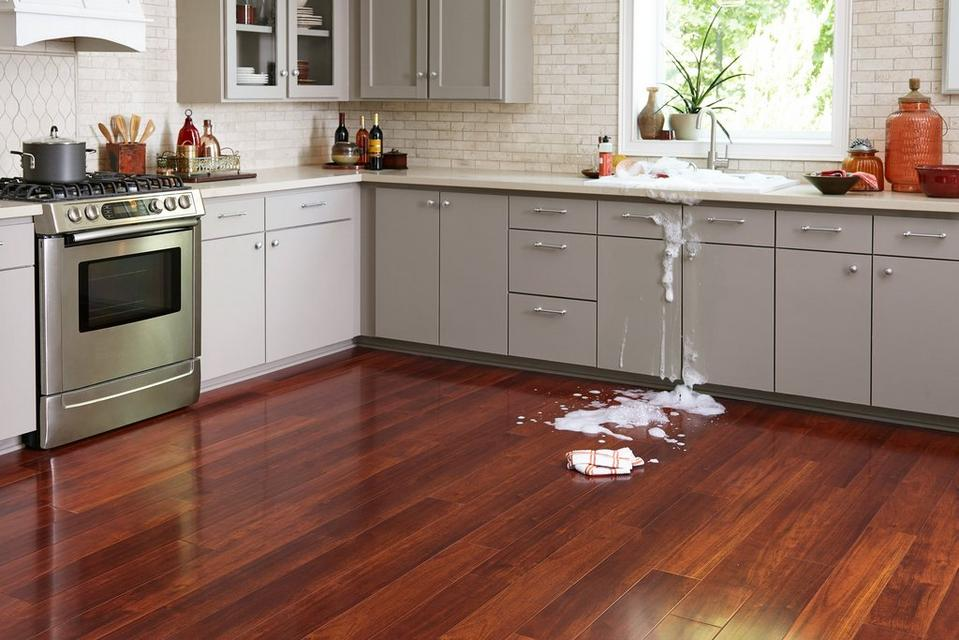
Water-resistant laminate flooring is an upgraded version of standard laminate designed to withstand spills, moisture, and humidity for longer periods. Unlike traditional laminate, which can swell or warp when exposed to water, water-resistant laminate features advanced sealing technologies and tight locking systems that prevent moisture from seeping into the core layers.

It maintains the same layered structure—comprising a wear layer, decorative layer, core board, and backing layer—but the materials and coatings used are engineered to offer enhanced protection against everyday moisture.

How Does It Work?

The key to water-resistant laminate flooring lies in its construction and protective technology:

  • Moisture-Sealed Surface: The top wear layer is treated with a waterproof coating that prevents liquids from penetrating the surface.
  • Tight Locking System: Advanced click-lock or tight-joint systems seal the edges, minimising gaps where water could enter.
  • Water-Resistant Core: Many high-quality options use a high-density fiberboard (HDF) with water-repellent resins, making it less prone to swelling.
  • Protected Edges: The edges are often coated or waxed to repel moisture and maintain the floor’s integrity.

Together, these features allow the flooring to resist water damage from spills, cleaning, and humidity for up to 24–72 hours, depending on the brand and quality.

Key Benefits of Water-Resistant Laminate Flooring

Durability and Longevity:

Water-resistant laminate is built to withstand daily wear and tear. It resists scratches, dents, and stains, making it ideal for high-traffic areas like hallways, kitchens, and living rooms.

Easy Maintenance:

Regular sweeping and occasional damp mopping are all that’s needed to keep the floors looking new. The sealed surface prevents dirt and moisture from seeping in, reducing the risk of mould or odour.

Aesthetic Appeal:

Thanks to advanced printing and embossing technologies, laminate flooring can beautifully mimic the natural texture and look of hardwood, stone, or tile—at a fraction of the price.

Cost-Effective Alternative:

Compared to hardwood or stone flooring, laminate offers a more affordable solution without compromising on appearance or performance.

Water Protection:

Perfect for homes with children or pets, water-resistant laminate can handle accidental spills, making it suitable for kitchens, bathrooms, and laundry areas where traditional laminate would not be recommended.

Simple Installation:

With click-lock systems, installation is straightforward, often eliminating the need for adhesives. This makes it a great DIY-friendly flooring option.

Where to Use Water-Resistant Laminate Flooring

Water-resistant laminate is versatile enough to be installed in almost any room of your home or business, including:

  • Kitchens: Withstands spills and splashes from cooking and cleaning.
  • Living Rooms: Adds warmth and elegance with easy upkeep.
  • Bedrooms: Provides comfort and a quiet underfoot experience.
  • Hallways and Entryways: Resists dirt and moisture tracked in from outdoors.
  • Basements and Laundry Areas: Handles humidity and dampness better than traditional laminate.

Water-Resistant vs. Waterproof Laminate Flooring

Although often used interchangeably, water-resistant and waterproof flooring are slightly different.

  • Water-Resistant Flooring: Can handle limited exposure to water (up to 24–72 hours).
  • Waterproof Flooring: Offers complete protection from water damage even with prolonged exposure.

Water-resistant laminate is perfect for most households, offering an excellent balance of performance, affordability, and style without the higher cost of fully waterproof options.

Conclusion

If you love the natural beauty of timber floors but need something that can handle moisture and busy family life, water-resistant laminate flooring is an ideal choice. It delivers the look of real wood, the resilience needed for everyday living, and the ease of maintenance that modern homeowners value.

Whether you’re renovating your kitchen, updating your living area, or upgrading a rental property, investing in water-resistant laminate flooring ensures long-lasting elegance, comfort, and peace of mind.

With the right flooring, you don’t just enhance your home’s interior—you add lasting value and everyday practicality.

Bring Out the Best in Your Floors with Mechanical Polishing in Vermont

Concrete floors have evolved from being purely functional surfaces to becoming statement pieces that define modern interiors. Whether in homes, retail spaces, or industrial facilities, polished concrete offers an ideal combination of beauty, strength, and practicality. For those seeking to upgrade their flooring, mechanical polishing in Vermont provides a premium, long-lasting finish that perfectly suits the area’s blend of contemporary and traditional architecture.

Mechanical polishing not only enhances the aesthetic appeal of concrete but also fortifies it against wear and damage, making it one of the most sustainable flooring solutions available today.

What Is Mechanical Polishing?

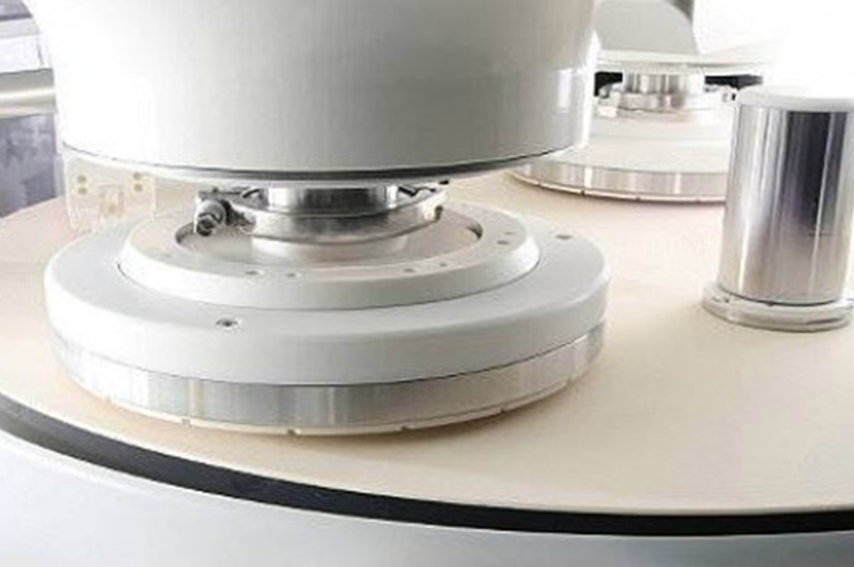
Mechanical polishing is a multi-step process that involves refining the concrete surface using specialised machines fitted with industrial diamond abrasives. Unlike simple coatings or sealers, this process permanently transforms the concrete itself. Through repeated grinding, honing, and polishing, the concrete becomes denser, smoother, and more reflective.

The result is a floor that is not only visually stunning but also incredibly tough and easy to maintain. The polished surface resists dust, staining, and moisture while offering a sleek, sophisticated look that complements any space.

The Process Explained

Mechanical polishing is a detailed and precise procedure carried out in several stages to achieve the desired level of shine and smoothness:

  1. Surface Preparation: The concrete surface is inspected and cleaned, with cracks and imperfections repaired. Any existing coatings or adhesives are removed.
  2. Grinding: Coarse diamond abrasives are used to remove the top layer of the concrete, exposing the aggregate if desired.
  3. Densifying: A chemical hardener is applied to penetrate the surface and increase its hardness, making it more resistant to wear and staining.
  4. Polishing: The surface is polished with progressively finer diamond pads until it reaches the desired level of sheen — matte, satin, semi-gloss, or high-gloss.
  5. Sealing and Finishing: A penetrating sealer is applied to protect the surface while preserving the natural beauty of the concrete.

The result is a beautifully refined floor that shines without the need for surface coatings or waxes.

Advantages of Mechanical Polishing

Homeowners and business owners in Vermont are increasingly choosing mechanically polished concrete for a variety of reasons:

  1. Unmatched Durability
    Mechanically polished concrete is among the most hard-wearing flooring options available. The densified surface resists scratching, chipping, and chemical damage, making it suitable for high-traffic areas.
  2. Low Maintenance
    Once the polishing process is complete, maintenance is simple. Regular sweeping and an occasional mop with a neutral-pH cleaner are all that’s needed to keep the surface pristine. There’s no need for waxing or resealing.
  3. Timeless Aesthetic Appeal
    Polished concrete offers a sleek, modern finish that enhances lighting and creates a sense of spaciousness. Its seamless, reflective surface complements both residential and commercial interiors.
  4. Eco-Friendly Solution
    Since the process uses the existing concrete slab, mechanical polishing eliminates the need for additional materials such as tiles, vinyl, or epoxy coatings. The reflective finish also improves natural light distribution, reducing the need for artificial lighting and supporting energy efficiency.
  5. Cost-Effectiveness
    While the initial investment may be higher than for simple coatings, the long-term savings on maintenance and repairs make polished concrete one of the most cost-effective flooring solutions.

Applications Across Vermont

Mechanical polishing is a versatile flooring solution suited to a wide range of settings across Vermont:

  • Residential Properties: Homeowners are increasingly choosing polished concrete for living rooms, kitchens, and garages. The finish is stylish, hygienic, and durable enough to withstand daily use.
  • Commercial Buildings: Retail stores, offices, and showrooms benefit from the sophisticated, professional appearance of polished concrete, which also handles heavy foot traffic effortlessly.
  • Industrial Facilities: Warehouses and factories use mechanically polished floors for their toughness and easy maintenance. The dense surface minimises dust, helping maintain a cleaner working environment.

Customising the Finish

One of the key benefits of mechanical polishing is its adaptability. You can tailor your floor’s appearance and performance to match your space’s design and practical needs:

  • Aggregate Exposure: Choose between nil, partial, or full exposure of the stone aggregates depending on your preferred look.
  • Gloss Level: Select from matte to mirror-like gloss for the ideal finish.
  • Colour Staining: Introduce subtle hues or bold tones to complement your interior design.
  • Surface Patterns: For commercial environments, logos or designs can be integrated into the floor for branding or aesthetic appeal.

These options make mechanical polishing a truly bespoke flooring solution for Vermont’s diverse property styles.

Maintenance Tips

Although mechanically polished concrete is easy to maintain, following a few simple steps ensures lasting shine and performance:

  • Sweep or vacuum regularly to remove grit and debris.
  • Clean using a neutral-pH cleaner to preserve the finish.
  • Avoid harsh chemicals or abrasive tools.
  • Use mats at entryways to prevent dirt build-up.
  • Consider re-burnishing high-traffic areas every few years to restore gloss if needed.

With minimal care, polished concrete floors can remain flawless for decades, maintaining both beauty and functionality.

Why Vermont Property Owners Prefer Local Experts

Working with local professionals ensures you receive tailored service and expert advice based on Vermont’s specific environmental conditions. Local contractors understand how humidity, temperature, and usage patterns affect concrete performance over time.

Experienced technicians also use high-quality equipment and premium materials, ensuring a superior finish every time. By choosing skilled local tradespeople, you can rest assured your floor will not only look exceptional but also stand up to daily wear for years to come.

The Design and Lifestyle Benefits

Beyond functionality, mechanically polished concrete enhances your lifestyle. In residential settings, it provides a hypoallergenic surface that doesn’t trap dust, pet dander, or allergens. In commercial environments, it boosts lighting efficiency, creating brighter, more inviting spaces.

Furthermore, the seamless surface design aligns perfectly with modern architectural trends. Whether you’re aiming for a minimalist, industrial, or contemporary aesthetic, polished concrete provides a versatile foundation that elevates any interior.

Why Mechanical Polishing Is an Investment Worth Making

For property owners in Vermont, mechanical polishing offers not just a flooring solution, but a long-term investment. It increases property value, reduces ongoing maintenance costs, and ensures an elegant finish that remains timeless.

Its ability to combine strength, beauty, and sustainability makes it ideal for anyone seeking a durable and environmentally responsible flooring choice. When done by skilled professionals, the results are remarkable — smooth, gleaming surfaces that enhance comfort, functionality, and visual appeal.

Conclusion

Choosing mechanical polishing in Vermont is the perfect way to bring out the full potential of your concrete floors. The process delivers exceptional durability, striking aesthetics, and long-term value, making it suitable for homes, offices, and industrial facilities alike. By working with trusted local experts, you can enjoy a finish that combines craftsmanship, practicality, and sophistication — a flooring solution that truly stands the test of time.

Cheap Flooring Sydney

Cheap Flooring Sydney: Affordable Solutions Without Compromising Style

Finding quality flooring on a budget can seem challenging, especially in a city like Sydney where style, durability, and practicality are all key considerations. Homeowners often assume that affordable flooring means compromising on aesthetics or longevity. However, cheap flooring in Sydney doesn’t have to sacrifice quality, design, or performance. With the right materials and guidance, it’s possible to achieve stylish, long-lasting floors that suit your budget and lifestyle.

Popular Budget-Friendly Flooring Options

Several types of flooring offer affordability without compromising on durability and appearance. Here are some of the most popular choices for Sydney homes:

Laminate Flooring

Laminate flooring is one of the most cost-effective solutions for homeowners seeking the look of timber or stone at a fraction of the price. It is composed of a multi-layer synthetic material topped with a photographic layer that mimics real wood or stone textures. Laminate is durable, scratch-resistant, and easy to maintain, making it ideal for living rooms, bedrooms, and high-traffic areas.

Vinyl Flooring

Vinyl flooring has grown in popularity due to its flexibility, water resistance, and affordability. Modern vinyl planks or sheets can replicate the look of hardwood or tiles while being soft underfoot and easy to clean. Vinyl is also suitable for moisture-prone areas like kitchens, bathrooms, or laundry rooms, offering a practical yet stylish solution for budget-conscious homeowners.

Engineered Wood Flooring

While slightly more expensive than laminate or vinyl, engineered wood flooring provides a balance between natural wood aesthetics and cost-effectiveness. Made with a thin layer of real timber over a stable plywood or HDF core, it is less prone to warping or moisture damage than solid hardwood. Engineered wood can be a great investment for homeowners who want timber-style floors without the high price tag.

Carpet Flooring

For bedrooms, living rooms, or cozy spaces, carpet remains a budget-friendly option that adds warmth and comfort. Modern carpets come in a variety of textures, colours, and patterns, making it easy to match your interior design. Synthetic carpets, in particular, offer durability and stain resistance while remaining affordable.

How to Source Affordable Flooring in Sydney

Finding flooring that is both affordable and high-quality requires careful consideration. Here are some tips to help Sydney homeowners get the best value:

  • Compare Materials and Prices: Look at multiple suppliers and flooring types to determine which option offers the best balance between cost and durability.
  • Consider Installation Costs: Some flooring types, like laminate or vinyl click-lock systems, are easier to install, reducing labour expenses.
  • Check for Sales or Clearance: Many flooring stores in Sydney offer seasonal promotions or clearance deals on surplus stock, which can significantly lower costs.
  • Focus on Maintenance and Lifespan: Choosing low-maintenance, durable flooring saves money in the long run, even if the upfront cost is slightly higher.
  • Prioritise Practicality: Select flooring suited to the room’s function. For example, water-resistant vinyl for kitchens and durable laminate for high-traffic areas.

Advantages of Budget Flooring

Choosing affordable flooring doesn’t just save money upfront — it offers several practical advantages:

  • Flexibility in Design: Lower-cost flooring options allow homeowners to experiment with colours, textures, and patterns without worrying about overspending.
  • Easy Replacement: Affordable floors can be updated more frequently to match evolving interior design trends.
  • Durability: Many budget-friendly options like laminate, vinyl, or engineered wood are designed to withstand daily wear and tear, making them a practical choice for busy households.
  • Quick Installation: Many economical flooring options come with simple installation systems, allowing homeowners or contractors to complete projects faster and at lower cost.

Combining Style and Savings

Affordable flooring in Sydney no longer means choosing between looks and durability. Modern manufacturing techniques have made it possible for budget-conscious homeowners to select flooring that is visually appealing, practical, and built to last. By selecting materials wisely and planning installation effectively, you can create beautiful, functional spaces without exceeding your budget.

Common Mistakes to Avoid

While searching for cheap flooring, it’s important to avoid common pitfalls:

  • Ignoring Quality for Price: Extremely low-cost options may look attractive initially but can deteriorate quickly, costing more in the long run.
  • Skipping Professional Advice: Consulting flooring experts helps ensure the chosen material suits your home’s environment and usage.
  • Overlooking Installation Requirements: Some cheap flooring may require additional preparation or underlay, which can increase overall costs.

Conclusion

Finding cheap flooring in Sydney is entirely possible with the right approach. From laminate and vinyl to engineered wood and carpets, there are numerous options that combine affordability with quality and style. By considering durability, maintenance, installation, and design, Sydney homeowners can achieve floors that look stunning, perform well, and fit their budget.

Budget-friendly flooring doesn’t mean compromising on comfort or aesthetics. With careful planning and informed choices, it’s possible to transform your home with beautiful, functional floors that stand the test of time — all without overspending.