Category Archive : Health

Before the Pointe Shoes Go On: What Dancers and Parents Need to Know About Pre Pointe Assessment in Sydney

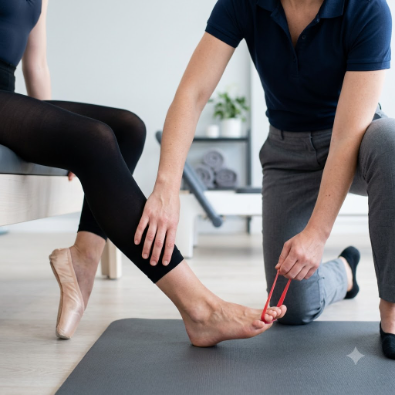
For any young dancer training in classical ballet, the transition to pointe work is a milestone that carries enormous emotional significance. It represents years of dedication, physical development, and artistic growth. But the excitement surrounding this moment can sometimes overshadow a critical question: is the dancer’s body genuinely ready for the demands that pointe shoes place on developing feet, ankles, and the entire lower limb? A thorough pre pointe assessment in Sydney conducted by a physiotherapist with dance medicine expertise provides the objective, evidence-based answer that every dancer, parent, and dance teacher needs before that transition is made.

The Risk of Progressing Too Early

The consequences of moving to pointe work before the body is physically prepared are well documented in dance medicine literature. Growth plates in the feet and ankles of young dancers are vulnerable to stress injury, and the concentrated loading of pointe work can cause damage that affects long-term foot health and dancing capacity if introduced before adequate strength and structural maturity are in place.

Age alone is not a reliable indicator of readiness. Two dancers of the same age and training history can have significantly different levels of ankle stability, intrinsic foot strength, core control, and skeletal maturity. A clinical assessment removes the subjectivity from this decision and replaces it with measurable, evidence-based criteria.

What a Pre Pointe Assessment Covers

A comprehensive pre pointe assessment conducted by a dance-aware physiotherapist evaluates multiple dimensions of physical readiness. Key areas tested during the assessment include:

  • Ankle plantarflexion range to confirm the dancer can achieve the degree of pointed foot required for safe pointe work through the full range of motion.
  • Intrinsic foot muscle strength to assess the small muscles responsible for controlling arch stability and the fine motor demands of pointe.
  • Single leg calf raise endurance to evaluate the calf complex’s capacity to manage the repeated loading demands of rising and working on pointe.
  • Lower limb alignment to identify any valgus collapse at the knee or ankle that could increase joint stress during pointe work.
  • Core and hip stability to assess the foundational strength that supports and controls all lower limb movement in ballet.
  • Proprioception and single leg balance to test the dancer’s ability to maintain controlled, stable positions under the balance demands of pointe work.
  • Skeletal maturity taking into account the dancer’s developmental stage and growth plate status as a clinical factor in the readiness decision.

Finding the Right Practitioner in Sydney

Sydney has a growing number of physiotherapists offering pre pointe assessments, but the quality and depth of these assessments varies considerably depending on the practitioner’s background and familiarity with dance.

Look for Dance-Specific Experience

Dance medicine is a specialised clinical area that requires genuine familiarity with ballet technique, training demands, and the injury patterns unique to dancers. A physiotherapist who primarily treats sporting or workplace injuries may not have the clinical lens needed to conduct a meaningful pre pointe evaluation.

Confirm AHPRA Registration

Before booking any appointment, verify the practitioner holds current AHPRA registration through the public register. This takes less than a minute and confirms the practitioner is fully qualified and licensed to practise in Australia.

Ask About the Assessment Tools Used

A clinically rigorous pre pointe assessment uses validated screening tools including the Functional Footprint assessment, the Airplane Test, and the single leg demi pointe rise. These are established evidence-based protocols, not a generic movement screen repackaged as a dance assessment.

Expect a Written Report

A written report of findings that can be shared with the dancer’s teacher is far more useful than a verbal summary. Clear clinical guidance gives the studio the information needed to support the dancer’s progression in an informed and coordinated way.

Check What Happens if the Dancer Is Not Ready

The right practitioner does not simply deliver a disappointing answer and send the family home. A targeted exercise programme addressing identified gaps, combined with a clear reassessment timeline, gives the dancer a structured path forward.

The Role of the Dance Teacher in the Process

A pre pointe assessment works best when it forms part of a collaborative conversation between the physiotherapist, the dancer, the parents, and the dance teacher. The clinical findings from the assessment provide the objective foundation, but the teacher’s knowledge of the dancer’s technique, consistency, and progress within the studio adds essential context.

The best outcomes occur when the physiotherapist and dance teacher are aligned — working from the same information and moving toward the same goal of introducing pointe work at the right time, in the right way, for the individual dancer.

Final Thoughts

Pointe work is a privilege that should be earned through genuine physical readiness, not simply granted based on age or time in the studio. A thorough pre pointe assessment in Sydney gives dancers, parents, and teachers the clinical confidence to make this important transition safely, at the right moment, and with a clear plan in place. Invest in the assessment before the shoes, and the foundation it builds will support a dancer’s progress for years ahead.

cheap gyms near me

How Can Cheap Gyms Near You Provide Affordable Fitness Solutions?

Finding a gym that fits your budget can make a significant difference in maintaining a consistent fitness routine. Cheap gyms near you offer cost-effective access to essential equipment, classes, and support without compromising quality. Affordable gyms make it easier to prioritise health, save money, and stay motivated. Understanding the options and benefits of budget-friendly gyms helps you choose a location that meets both your fitness and financial needs.

What defines a cheap gym?

A cheap gym offers essential fitness services and facilities at a lower price point than premium centres. It focuses on value and accessibility.

  • Provides access to cardio and strength equipment
  • Offers essential group classes or training sessions
  • Maintains a clean and safe environment
  • Focuses on affordability rather than luxury amenities

Why is location important for budget gyms?

Proximity plays a crucial role in ensuring regular attendance, especially when choosing a low-cost gym. A nearby location reduces barriers to exercise.

  • Saves travel time and costs
  • Encourages more frequent visits
  • Integrates easily into daily routines
  • Reduces the likelihood of skipping workouts due to inconvenience

What facilities can you expect in affordable gyms?

While cheap gyms may not have premium features, they still provide the tools needed for effective workouts.

  • Standard cardio machines like treadmills, bikes, and ellipticals
  • Free weights and resistance machines for strength training
  • Open spaces for stretching or functional training
  • Access to basic locker rooms and showers

How do cheap gyms support consistent training?

Lower membership fees make it easier to maintain a regular exercise routine without financial strain. Budget gyms prioritise usability and accessibility.

  • Affordable memberships reduce financial stress
  • Encourages long-term commitment to fitness
  • Allows flexibility for students, professionals, or families
  • Makes it feasible to combine gym access with other wellness activities

Who benefits most from cheap gyms?

Budget gyms cater to a wide range of individuals who want to improve fitness without breaking the bank.

  • Beginners looking for an affordable entry into exercise
  • Busy professionals seeking convenient access
  • Students or low-income individuals aiming for regular activity
  • People focused on basic fitness goals rather than luxury facilities

What types of fitness options are available?

Even on a budget, gyms can offer variety in workouts and classes to enhance engagement.

  • Group exercise classes for motivation and social interaction
  • Strength and cardio training programs
  • Functional or circuit training areas
  • Personalised fitness plans at an additional cost if needed

How do cheap gyms maintain quality and safety?

Affordability does not mean compromising on safety. Budget gyms adhere to standards to ensure members have a secure environment.

  • Regular cleaning and maintenance of equipment
  • Staff trained in safety and first aid
  • Supervised spaces to prevent misuse or injury
  • Clear signage and guidance for safe workouts

Why choose a budget gym over a premium one?

A budget gym provides essential tools and access without unnecessary extras. For many, it is the most practical option.

  • Reduces financial burden while promoting consistent training
  • Offers all essential equipment and facilities
  • Allows flexibility to use funds for other wellness activities
  • Makes fitness accessible to a broader population

How can cheap gyms contribute to long-term fitness?

Even without premium amenities, budget gyms can support lasting health improvements when used consistently.

  • Encourages routine exercise and goal-setting
  • Supports cardiovascular and muscular health
  • Improves mental wellbeing and energy levels
  • Provides sustainable access to regular fitness

Conclusion

Affordable fitness options make maintaining a healthy lifestyle accessible to everyone. Cheap gyms near you provide the essential equipment, classes, and support needed to achieve fitness goals without a high cost. By offering convenience, consistency, and basic facilities, budget gyms allow members to focus on results rather than expenses. Choosing a nearby low-cost gym can help make regular exercise an achievable and sustainable habit.

gym memberships near me

How Can Gym Memberships Near You Help You Stay Consistent With Fitness?

Finding a gym close to your home or workplace can make a huge difference in maintaining a regular fitness routine. Gym memberships near you provide convenient access to facilities, classes, and professional guidance, making it easier to prioritise health. With a nearby gym, you save time, reduce travel stress, and increase motivation. Choosing the right membership ensures that your fitness goals are supported efficiently and sustainably.

Why is location important when choosing a gym membership?

Proximity directly affects how often you are likely to attend. A gym that is close by reduces barriers and encourages long-term commitment.

  • Shorter commute saves time and energy
  • Encourages more frequent workouts
  • Reduces the likelihood of skipping sessions
  • Fits conveniently into daily schedules

What types of gym memberships are available?

Different gyms offer flexible membership options to suit various lifestyles and budgets. Understanding the choices helps you pick the best plan.

  • Monthly or annual memberships with automatic renewal
  • Pay-as-you-go or short-term passes
  • Off-peak or 24/7 access memberships
  • Packages including group classes or personal training sessions

How do memberships support a structured fitness plan?

A membership provides access to equipment, classes, and support that help structure workouts effectively. It ensures consistent progress toward your goals.

  • Access to a variety of cardio and strength machines
  • Group classes to add variety and motivation
  • Personal training sessions to tailor programs
  • Progress tracking tools offered by the gym

What benefits do nearby gyms offer beyond convenience?

Local gyms often provide community and support, creating an encouraging environment for fitness. Being close enhances engagement and consistency.

  • Opportunities to meet like-minded people
  • Regular motivation through social interaction
  • Access to community events or challenges
  • Easier integration into daily routines

How do personal training services enhance memberships?

Personal trainers help members maximise the benefits of their gym access. Trainers ensure workouts are safe, effective, and tailored to individual goals.

  • Customised exercise programs based on goals
  • Guidance on proper technique to prevent injury
  • Ongoing motivation and accountability
  • Help with nutrition and lifestyle adjustments

Who should consider getting a gym membership?

Gym memberships cater to a wide range of people, from beginners to experienced athletes. They provide structure, access, and support for various fitness levels.

  • Beginners seeking guidance and motivation
  • Professionals needing convenient fitness solutions
  • Individuals training for weight loss or strength goals
  • Those wanting access to specialised equipment and classes

How does a nearby gym support mental wellbeing?

Exercise has proven benefits for mental health, and a conveniently located gym makes it easier to incorporate physical activity into your routine.

  • Reduces stress and anxiety through endorphin release
  • Enhances mood and emotional resilience
  • Encourages consistent exercise to combat fatigue
  • Provides a safe space to focus on personal wellbeing

What should you consider before committing to a membership?

Choosing the right gym membership requires careful consideration of facilities, accessibility, and costs. The right choice ensures satisfaction and long-term adherence.

  • Cleanliness and maintenance of the gym
  • Range and quality of equipment
  • Availability of classes and personal training
  • Flexible terms and cancellation policies

How can gym memberships support long-term health goals?

A well-chosen gym membership is an investment in your long-term physical and mental health. Regular attendance promotes sustained improvements.

  • Supports weight management and lean muscle development
  • Enhances cardiovascular and respiratory health
  • Maintains joint mobility and flexibility
  • Contributes to better sleep and energy levels

Conclusion

Investing in a gym membership near you offers convenience, access, and professional support, making it easier to maintain a consistent fitness routine. With proximity, flexibility, and a variety of facilities, local memberships encourage regular attendance and sustained health benefits. Whether your goals are strength, endurance, or overall wellbeing, having a nearby gym simplifies the journey toward achieving lasting results.

Finding the Best Physio Near You in Australia

If you have, chances are something doesn’t feel quite right in your body. Whether it’s a lingering ache, stiffness, or a sudden injury, that quick search often comes from a desire for fast, practical help. Looking for a physio close to you is less about convenience alone and more about finding timely, effective care that fits into everyday life. Understanding what that search really means can help you make better decisions for your recovery.

Why do people often search for a physio close to me?

That moment of typing the phrase usually follows discomfort that won’t go away. It reflects a need for support without added stress or delay.

  • Pain or restricted movement is starting to affect daily tasks
  • Waiting too long feels like it could make things worse
  • Travelling far for appointments feels unrealistic
  • Immediate professional guidance feels necessary

How does proximity improve commitment to treatment?

Being close to care makes a real difference to consistency. Physiotherapy works best when sessions are attended regularly and exercises are followed properly.

  • Short travel times reduce excuses for missed appointments
  • Less physical strain when already dealing with pain
  • Easier to fit sessions around work or family
  • Better continuity of care over time

What problems lead people to seek local physiotherapy?

Physiotherapy supports a wide range of conditions, not just major injuries. Many people are surprised by how early treatment can help.

  • Ongoing neck or back discomfort from daily posture
  • Joint stiffness affecting walking or lifting
  • Sports or exercise-related strains
  • Pain that flares up during normal movement

Why is early physiotherapy so important?

Addressing issues early can prevent them from becoming chronic. Physiotherapists focus on both symptom relief and underlying causes.

  • Reduced risk of long-term movement limitations
  • Faster return to normal activities
  • Improved body awareness and control
  • Less chance of recurring flare-ups

How does personalised care improve recovery?

Physiotherapy is not a one-size-fits-all approach. Personalised treatment ensures care matches your body and lifestyle.

  • Movement patterns are assessed individually
  • Exercises are adapted to your current ability
  • Treatment evolves as strength and mobility improve
  • Goals are aligned with work, sport, or daily life

What happens during a physiotherapy assessment?

A thorough assessment sets the direction for effective treatment. It helps identify why pain exists, not just where it is felt.

  • Discussion of symptoms and activity history
  • Observation of posture and movement
  • Testing strength, flexibility, and control
  • Clear explanation of findings and next steps

How does hands-on treatment support healing?

Hands-on techniques play an important role in many physiotherapy plans. They are used alongside exercise and education.

  • Improved joint and muscle mobility
  • Reduced tension in overworked areas
  • Better movement quality and confidence
  • Support for pain management

Why is education a key part of physiotherapy?

Understanding your body empowers you to recover more effectively. Physiotherapists explain how habits and movement affect pain.

  • Clear advice on posture and daily activities
  • Guidance on safe exercise progression
  • Awareness of movements to avoid temporarily
  • Confidence to stay active during recovery

How can a nearby physio help with long-term wellbeing?

Physiotherapy isn’t only about short-term relief. Ongoing support helps maintain physical health and prevent future issues.

  • Monitoring progress over time
  • Adjusting exercises as needs change
  • Early intervention if symptoms return
  • Support for maintaining strength and mobility

What should you expect after starting treatment?

Physiotherapy is a gradual process, but improvements are often noticeable with consistency. Progress depends on active participation.

  • Reduced pain with movement
  • Improved flexibility and strength
  • Better understanding of your condition
  • Increased confidence in daily activities

Catching yourself typing physio close to me is often your body’s way of asking for attention. Seeking local physiotherapy makes it easier to act on that signal without delay or disruption. With personalised care, practical guidance, and consistent support, recovery becomes more manageable and effective. Choosing a physio close to me can be the first step towards moving better, feeling stronger, and staying active for the long term.

Shilajit for Men in Australia: Natural Benefits for Energy, Vitality, and Wellness

When it comes to natural supplements gaining attention in men’s health, shilajit for men in Australia is becoming increasingly popular. But what exactly is shilajit, and why is it finding its way into so many health routines across the country? Known in traditional medicine as the “destroyer of weakness,” this powerful natural compound is now embraced by Australian men seeking enhanced vitality, stamina, and overall well-being.

pure shilajit for men in Australia

1. Shilajit: Nature’s Gift to Men’s Health

Shilajit is a sticky, tar-like substance found in the rocks of the Himalayas. Formed over centuries from decomposed plant material and minerals, it has long been used in Ayurvedic medicine. For men in Australia, shilajit provides natural support for:

  • Improving energy levels
  • Enhancing stamina
  • Supporting testosterone production

Its mineral-rich composition makes it an effective choice for men aiming to sustain an active lifestyle.

2. Boosting Energy and Stamina

Balancing work, family, and Australia’s outdoorsy lifestyle can take its toll. Shilajit is known to support ATP production, the body’s cellular energy source. This boost can help men stay energised and focused, whether training in the gym, working long hours, or surfing at Bondi Beach.

3. Supporting Testosterone Levels

Testosterone plays a vital role in men’s health, influencing muscle mass, energy, and mood. In a culture where fitness and outdoor sports are central, maintaining optimal levels is key. Research suggests shilajit may help promote healthy testosterone function, making it valuable for men striving to stay strong, fit, and active.

4. Enhancing Mental Clarity

A fast-paced lifestyle requires more than physical stamina. Shilajit’s antioxidant and neuroprotective properties may support cognitive function and mental clarity. This can help men manage demanding workdays in Sydney, or sharpen focus when tackling weekend activities, from footy matches to hiking in the Blue Mountains.

5. Recovery and Stress Reduction

Shilajit contains fulvic acid, renowned for its anti-inflammatory benefits. This helps speed up muscle recovery, ease soreness, and support overall resilience after workouts or strenuous days. Additionally, shilajit may help regulate stress, offering a natural way to unwind and recharge amidst daily pressures.

6. Choosing Quality Shilajit in Australia

With rising demand, shilajit is increasingly available in local health stores and online. However, quality matters:

  • Choose lab-tested, pure shilajit
  • Ensure sustainable sourcing
  • Buy from reputable Australian suppliers

Whether shopping in Melbourne or browsing online in Brisbane, selecting authentic products maximises the health benefits.

Conclusion

For Australian men, embracing shilajit can be a powerful step toward enhanced vitality, energy, and mental clarity. From supporting testosterone to aiding recovery and reducing stress, this ancient natural supplement offers well-rounded benefits. Choosing high-quality shilajit ensures you experience its full potential, helping you maintain a healthy, active lifestyle in the Land Down Under.

FAQs: Shilajit for Men in Australia

  1. Is shilajit safe for Australian men?
    Yes, shilajit is generally safe when used as directed. Consult a healthcare professional if you have existing medical conditions or take other medications.
  2. How should shilajit be consumed?
    It’s usually available in resin or capsule form. Follow the dosage instructions provided by your supplier or health professional.
  3. Can shilajit be taken with other supplements?
    Often yes, but always check with a healthcare provider before combining supplements to ensure safety and compatibility.

Navigating SIL Providers In Sydney: A Local Guide

Finding the right Supported Independent Living (SIL) provider in Sydney can feel a bit like choosing the perfect spot for a Sunday brunch. There are so many options, each with its own unique flavour and flair. But when you’re looking for a service that supports independence and enhances quality of life, it’s crucial to choose wisely. Let’s explore how the bustling city of Sydney and its culture play a role in shaping the SIL services available.

Right Supported Independent Living (SIL) provider in Sydney

Understanding the SIL Landscape in Sydney

  • Sydney, with its vibrant communities and diverse cultures, offers a rich tapestry of SIL providers. 
  • The city’s dynamic environment ensures that these services are as varied as its beloved neighbourhoods, from the artistic vibe of Newtown to the coastal charm of Bondi. 
  • SIL providers in Sydney cater to a broad spectrum of needs, making it possible for individuals to find the right fit for their unique lifestyle.

Tailored Services for Individual Needs

  • In a city as multicultural as Sydney, personalisation is key.
  • Many SIL providers understand the importance of offering tailored services that respect cultural sensitivities and personal preferences. 
  • Whether it’s accommodating dietary needs inspired by Sydney’s love for international cuisine or ensuring access to community events that echo the city’s social scene, these providers strive to create an environment that feels just like home.

Embracing Sydney’s Community Spirit

  • Sydney is renowned for its community spirit, and this is reflected in the ethos of its SIL providers. 
  • The support systems in place often extend beyond just the individual, creating connections with local communities. 
  • Whether it’s participating in a local footy match or joining a neighbourhood art class, SIL providers encourage clients to engage with the city’s vibrant community life, fostering both independence and social interaction.

Leveraging Local Resources

  • Sydney’s infrastructure is a boon for SIL services. 
  • The city’s robust public transport system ensures that clients can easily access essential services, while its extensive network of parks and recreational facilities provides ample opportunities for outdoor activities. 
  • SIL providers in Sydney often integrate these local resources into their programmes, promoting an active and fulfilling lifestyle.

The Role of Technology

  • In a tech-savvy city like Sydney, it’s no surprise that SIL providers utilise technology to enhance their services. 
  • From apps that help manage daily schedules to digital platforms that facilitate communication with families, technology plays a significant role in ensuring that clients receive seamless support. 
  • This tech integration not only improves service delivery but also empowers individuals to manage their own lives more effectively.

Quality Assurance and Trust

  • Trust is paramount when selecting a SIL provider, and Sydney’s services are held to high standards. 
  • Many providers are accredited and regularly reviewed to ensure they maintain the quality of care that clients expect. 
  • This commitment to quality is echoed in the testimonials of satisfied clients who appreciate the dedication and professionalism of their support teams.

FAQs

1. How do I choose the right SIL provider in Sydney?

Consider your specific needs and preferences, such as location, cultural considerations, and the level of personalisation offered. It’s also beneficial to visit potential providers to get a sense of their environment and ethos.

2. What makes Sydney’s SIL providers unique?

Sydney’s SIL providers are unique in their ability to incorporate the city’s vibrant culture, community spirit, and technological advancements into their services, offering tailored support that enhances independence.

3. Are there SIL providers that cater to specific cultural needs in Sydney?

Yes, many providers in Sydney offer services that respect and incorporate cultural preferences, ensuring that individuals feel comfortable and understood in their living environments.

Conclusion

Navigating the world of SIL providers in Sydney can be a journey filled with discovery. As you explore your options, remember that the city’s providers are as diverse and dynamic as Sydney itself. Whether you’re drawn to the hustle and bustle of the CBD or the serene beaches of the Eastern Suburbs, there’s a SIL provider ready to support your independence and enrich your life.

gym sydney

How To Find The Best Gym In Sydney For Your Fitness Goals

Choosing the right fitness space can shape the success of your health journey. With countless options available, selecting a gym in Sydney residents can trust requires clarity on what matters most. The right decision depends on location, facilities, costs, and overall atmosphere. Below are key points to consider, based on the most common questions people ask when searching for a gym.

What Facilities Should You Expect at a Gym?

  • Quality equipment – Ensure the gym has modern and well-maintained machines, free weights, and cardio stations.
  • Functional spaces – Look for open areas for stretching, bodyweight training, or functional workouts.
  • Clean environment – Hygiene is crucial. Sanitised equipment and tidy change rooms enhance comfort.
  • Convenient amenities – Showers, lockers, and water stations make training easier before or after work.

How Important Are Fitness Classes and Training Options?

  • Variety in classes – Programs such as strength, yoga, cycling, and Pilates keep workouts engaging.
  • Personal training – One-on-one support provides customised plans and accountability.
  • Virtual training – Some gyms offer online classes for added flexibility.
  • Structured schedules – Having different options prevents monotony and boosts long-term motivation.

Why Does Location and Accessibility Matter?

  • Close proximity – A gym near home or work makes regular training more realistic.
  • Public transport access – Easy commute options reduce excuses.
  • Parking facilities – Essential for those driving.
  • Flexible hours – Many prefer gyms that open early or run 24/7 for convenience.

How Can Atmosphere Affect Your Progress?

  • Energy levels – Some thrive in high-energy environments, others prefer calm spaces.
  • Crowd management – Visit during peak and quiet hours to gauge suitability.
  • Comfort factor – Feeling at ease increases focus and reduces distractions.
  • Community vibe – Friendly staff and members can boost motivation.

What Should You Know About Membership Costs?

  • Transparent pricing – Check if there are hidden joining or cancellation fees.
  • Contract options – Choose between casual passes, monthly, or long-term commitments.
  • Class inclusions – Some packages include classes, while others may charge extra.
  • Value for money – Assess how often you will realistically attend.

Is a Trial Period Worth It Before Joining?

  • Test facilities – Use trial passes to explore equipment and layout.
  • Experience classes – Sample different sessions before deciding.
  • Meet staff – Gauge professionalism and support levels.
  • Reduce risk – A trial ensures you commit only when confident.

Conclusion

Selecting the right gym in Sydney depends on evaluating facilities, accessibility, pricing, and atmosphere. Taking time to explore options helps match personal fitness goals with the right environment. A well-chosen gym encourages consistency, motivation, and long-term health benefits.

Chiro West Ryde

Why Is Chiropractic in Box Hill Becoming a Preferred Choice for Health and Wellness?

When seeking effective ways to address musculoskeletal concerns, could chiropractic care be the solution many in Box Hill are turning to? While traditional treatments often rely on medication or surgery, is it possible that chiropractic in Box Hill offers a natural and holistic alternative that prioritises the body’s own ability to heal?

What Does Chiropractic Actually Address?

Could chiropractic extend beyond back pain relief? In Box Hill, patients are increasingly recognising chiropractic care for its ability to manage headaches, neck tension, posture problems, and sports-related injuries. Isn’t it worth considering whether this wide scope of treatment is why more residents are seeking chiropractic as a long-term health strategy?

How Does Chiropractic Promote Everyday Wellbeing?

Might chiropractic in Box Hill be about more than adjustments? Treatments focus on restoring nerve system balance, reducing stiffness, and increasing mobility in addition to spinal alignment. If posture affects productivity, sleep, and even mood, can chiropractic care be seen as a practical tool for maintaining everyday wellbeing?

Why Do Box Hill Residents Prefer a Natural Approach?

Does the non-invasive nature of chiropractic care make it appealing? Chiropractic care offers practical methods that target the underlying causes of pain rather than just treating its symptoms, which can help people avoid becoming dependent on painkillers. Isn’t it encouraging to know that residents in Box Hill have access to a healthcare option that aligns with a growing preference for natural therapies?

Does Personalisation Play a Role in Effective Chiropractic Care?

How important is a tailored approach in health treatments? In Box Hill, chiropractors often design individualised care plans, considering lifestyle, work habits, and fitness goals. If every spine is unique, doesn’t this personalisation enhance both the effectiveness of treatment and patient confidence in their care?

Is Chiropractic Only About Pain Relief?

Could chiropractic’s non-invasive techniques be its main selling point? Many residents visit chiropractors not because they are injured but to maintain overall health. By supporting spinal alignment and nervous system function, is chiropractic in Box Hill becoming a proactive choice for those who want to stay active and prevent future discomfort?

Conclusion

Chiropractic in Box Hill is no longer viewed as an alternative treatment but as a mainstream option for health and wellbeing. By focusing on natural, personalised care that addresses both symptoms and underlying causes, chiropractic continues to grow in popularity among residents. The question is, could it be the missing link in achieving better balance, mobility, and long-term wellness?

gym membership prices Sydney

Understanding Gym Membership Prices in Sydney: What You Should Expect


If you’re exploring ways to prioritise your fitness, understanding gym membership prices in Sydney is an important first step. With a range of options—boutique studios, full-service gyms, 24/7 access clubs, and community fitness centres—it’s no surprise that costs can vary widely. This guide breaks down what impacts pricing, what’s considered good value, and how to get the most for your money when joining a Sydney gym.

What Influences Gym Membership Prices in Sydney?

Type of Gym or Facility
Luxury health clubs with pools, saunas, group classes, and personal trainers will cost more than basic 24/7 gyms. Expect premium gyms to start at $60–$100 per week, while budget-friendly chains can range from $10–$25 per week.

Location
Gyms located in prime areas like the Sydney CBD or Eastern Suburbs often have higher rent and operating costs, which is reflected in membership fees. Suburban gyms may offer more affordable prices.

Facilities and Amenities
The more a gym offers—like dedicated cardio zones, weight rooms, Pilates studios, massage services, or recovery areas—the more you’ll likely pay. Determine which features are essential for you before deciding.

Access Type
Unlimited access memberships are more expensive than off-peak or limited visit packages. Some gyms also offer pay-per-visit options for those who train irregularly.

Extras and Add-ons
Additional services like personal training, towel service, locker hire, or group fitness programs may cost extra or be bundled into higher-tier memberships.

What Are Average Gym Prices Across Sydney?

24/7 Gyms
Popular for flexibility, these gyms usually charge $10–$20 per week. Think functional fitness spaces with essential equipment but fewer frills.

Mid-Range Gyms
Expect to pay $20–$40 per week. These gyms typically offer more extensive facilities, classes, and possibly child-minding services.

High-End Gyms & Wellness Clubs
If you’re looking for luxury, wellness features, or resort-style clubs, pricing may start at $60 per week and go beyond $100 depending on inclusions.

Boutique Studios
Specialty fitness studios (like reformer Pilates, barre, or spin) often operate on a class-pack or subscription basis, ranging from $25–$40 per class or $50–$70 per week unlimited.

Community & Council Gyms
Local fitness centres supported by councils offer affordable options, sometimes with concession discounts. These can range from $10–$25 per week.

How to Find the Best Value for Your Budget

Look for Introductory Offers
Most gyms offer a free trial, discounted sign-up, or first-month specials. Take advantage of these to test the gym before committing.

Compare Inclusions, Not Just Price
A cheaper gym isn’t always better value if you end up paying extra for classes or services. Check what’s included upfront.

Negotiate or Bundle
Some gyms are willing to negotiate on joining fees, or may offer bundle deals if you sign up with a friend or family member.

Avoid Lock-In Contracts Unless You’re Sure
If your schedule or location might change, go with a no-lock-in or short-term plan to avoid penalties later.

Ask About Discounts
Student, corporate, or health fund discounts are common in Sydney gyms. Ask staff if you’re eligible for any.

Conclusion

Understanding gym membership prices in Sydney allows you to make a smart, informed choice without overpaying. From budget-friendly 24/7 chains to high-end wellness clubs, there’s a fitness space for every lifestyle and budget. Look beyond just the weekly fee—consider access, location, extras, and flexibility to find the right fit. Ultimately, the best value gym is the one you’ll use consistently and enjoy going to.

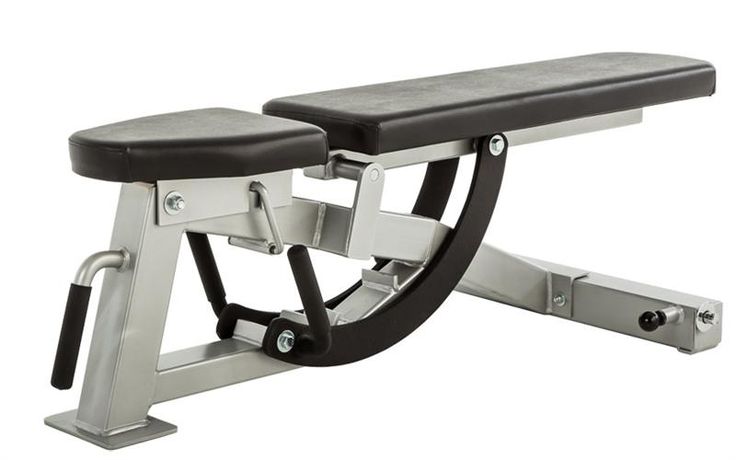
8 Common Mistakes When Using an Adjustable Gym Bench!

An adjustable gym bench is a highly flexible equipment that can take your workout routine to the next level. However, misuse may result in ineffective workouts or injuries. To get the best out of the adjustable gym bench and avoid any form of harm, these eight common errors should be avoided when using an adjustable gym bench.

8 Essential Mistakes You Should Avoid:

1. Are You Skipping the Warm-Up?

  • Skipping a warm-up prior to utilising an adjustable gym bench is a common mistake. 
  • A proper warm-up conditions your muscles, minimises injury risk, and enhances performance. 
  • Dynamic stretches or light cardio may loosen up your body and make your range of motion better for bench exercises.

2. Is Your Bench Aligned Properly?

  • Make sure the bench is secure and set on a level platform.
  • Tilt the incline or decline depending on the exercise you are doing. Like, flat positions engage the chest, inclined to engage the shoulders and upper chest.
  • Incorrect positioning lowers muscle activation and raises joint stress.

3. Are You Using Poor Foot Placement?

  • Keep your feet strongly set on the ground when doing exercises such as chest presses or rows.
  • Don’t lift your feet onto the bench, as this destabilises your stance and raises injury risk.

4. Are You Overloading the Bench?

  • Newbies tend to attempt to lift more than they are capable of, resulting in sloppy execution or use of spotters.
  • Concentrate on controlled movements with weights that are manageable to effectively target muscles.
  • Gradual weight progress guarantees safe and consistent strength building.

5. Are You Not Using Adjustable Options?

Most people do not make use of adjustable options on their gym bench:

  • Adjusting the incline or decline enables you to work different muscle groups.
  • For instance, incline presses target upper chest muscles, whereas decline presses work lower chest areas.
  • Not making use of these features restricts workout diversity and muscle activation.

6. Are You Flaring Your Elbows?

Flaring elbows while performing exercises such as bench presses can strain your shoulders:

  • Keep your elbows closer to your body in order to minimise unnecessary stress on joints.
  • The change enhances form and prevents shoulder injuries in the long run.
  • Correct placement of the elbows will make lifts safer and more efficient.

7. Are You Hasty on Reps?

  • Concentrate on slow, controlled movements to effectively engage muscles through both upward and downward movements.
  • Avoid bouncing weights off your chest or jerking movements that may cause injuries.
  • Controlled reps optimise muscle activation and enhance strength gains.

8. Are You Forgetting Core Engagement?

  • Engage your core through movements to stabilise your spine and posture.
  • This minimises strain on your lower back while enhancing overall balance.
  • Core engagement maximises stability and avoids injury during heavy lifts.

How can I prevent injuries when using an adjustable gym bench?

1. Warm Up Before Starting

  • Warming up beforehand will prepare your joints and muscles for the exercise. 
  • Dynamic stretches or gentle cardio can help increase flexibility and prevent strains.

2. Adjust the Bench Correctly

  • Make sure to adjust the bench to the correct incline or decline position for your exercise.
  • Incorrect adjustments can cause improper form, decreasing effectiveness and incurring injury risk.

3. Use Proper Form

  • Hold your spine in a neutral position, and do not arch your back too much when lifting.
  • Keep your feet firmly on the ground for balance, and activate your core to maintain posture.

4. Begin with Lifting Weights You Can Handle

  • Don’t overload the bench with too much weight, particularly if you are a beginner with strength training. 
  • Start with less weight and progressively add more as you gain strength and confidence.

Take the time to refine your technique. Your fitness journey will thank you!

An adjustable gym bench is an essential tool for strength training, offering flexibility for various exercises. However, avoiding common mistakes like poor positioning, skipping warm-ups, or rushing through reps is vital for safe and effective workouts. By focusing on proper form, utilising adjustable features, and gradually increasing weight, you will maximise results while minimising risks.