
Crazy Paving Cost: What to Expect for Your Project
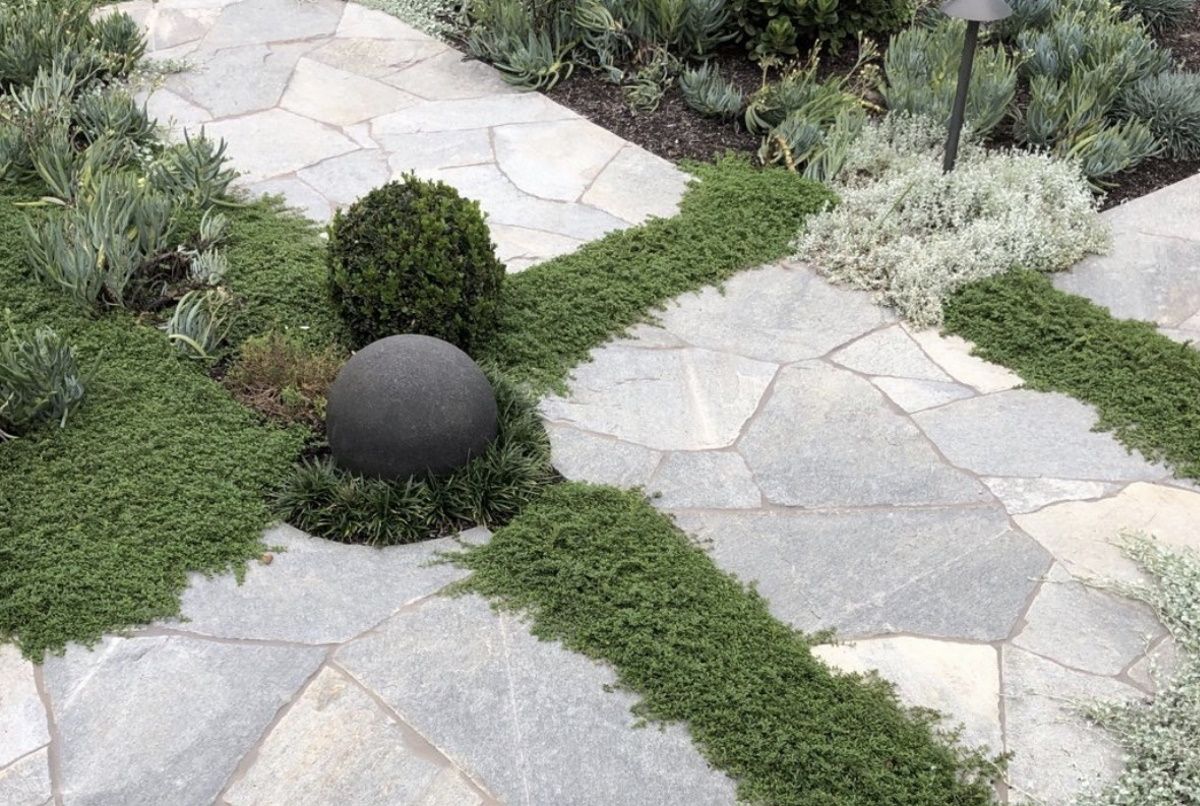
If you’re planning crazy paving , whether for a patio, driveway, garden path, or outdoor entertainment area — understanding the crazy paving cost helps you budget accurately and make decisions that suit your design and lifestyle. Crazy paving refers to irregular‑shaped natural stone laid in a random pattern to create a rustic, textured surface that complements both modern and traditional landscapes.
The total cost can vary widely based on stone choice, site conditions, labour rates, and the size of the area you want paved. This guide breaks down the main factors that influence cost so you can estimate and plan your paving project with confidence.
What Is Crazy Paving?
Crazy paving is a paving style using stone pieces of varying shapes and sizes fitted together like a puzzle. Unlike uniform pavers, crazy paving offers a natural, artistic look often used in:
- Patios and outdoor dining areas
- Garden pathways and walkways
- Driveways and entry paths
- Pool surrounds and alfresco zones
Common stone types include bluestone, limestone, sandstone, slate, and granite — each with its own look, durability, and price range.
Factors That Affect Crazy Paving Cost
1. Type of Stone
The type of stone you choose is one of the biggest influences on cost:
- Sandstone: Typically mid‑range in price
- Bluestone: Often higher cost due to durability and premium look
- Limestone: Adds a classic, lighter appearance
- Slate or Granite: Can be more expensive depending on finish
Stone prices are usually expressed per square metre (m²), and premium stones cost more upfront but may last longer.
2. Labour and Installation
Crazy paving requires skill to cut and lay irregular shapes so that they fit together without large gaps. Installation labour rates can vary based on:
- Contractor experience
- Local demand and labour rates
- Site access and complexity
Experienced installers often charge per square metre for laying the paving, including preparation and grouting.
3. Site Preparation
Before paving can begin, the area must be prepared — this can include:
- Excavation and removal of existing materials
- Compaction and levelling
- Base material installation (gravel, sand or concrete base)
Sites with slopes, roots, or drainage issues may require additional work, increasing the overall cost.
4. Sealing and Finishing
Sealing the stone helps protect it from stains, weather, and wear. Sealer application is often an additional cost that many homeowners choose for long‑term maintenance.
Typical Crazy Paving Cost Ranges
While prices can vary widely by region and material, you can use the following rough ranges as a guideline for crazy paving cost per square metre:
- Basic stone (e.g., sandstone): $80 – $140 per m²
- Premium stone (e.g., bluestone, granite): $140 – $300+ per m²
- Labour & installation: $60 – $120 per m²
- Sealing & finishing: $10 – $30 per m²
Note: These ranges are estimates — final costs depend on specific materials, site conditions, and contractor pricing.
Additional Costs to Consider
- Delivery fees: Stone and materials need to be transported to your site.
- Pattern complexity: Irregular shapes take longer to install than uniform pavers.
- Waste and off‑cuts: Irregular stone can produce more waste that needs disposal.
- Edging & borders: Adding timber, metal, or stone borders can improve appearance but adds cost.
Ways to Save on Crazy Paving
- Choose locally sourced stone to reduce delivery costs
- Compare quotes from multiple contractors
- Consider doing site preparation (like weed removal) yourself
- Combine sealing with installation for package pricing
Planning ahead and discussing options with paving professionals can help reduce surprises and keep costs within your budget.
Conclusion
The crazy paving cost for your project largely depends on stone type, installation labour, site conditions, and finishing touches. Understanding these factors helps you estimate a realistic budget and plan a beautiful, functional outdoor surface — whether it’s for a patio, driveway, or garden path.