Tag Archive : insulated roofing suppliers

Insulated Roofing Suppliers For Energy-Efficient Building Solutions

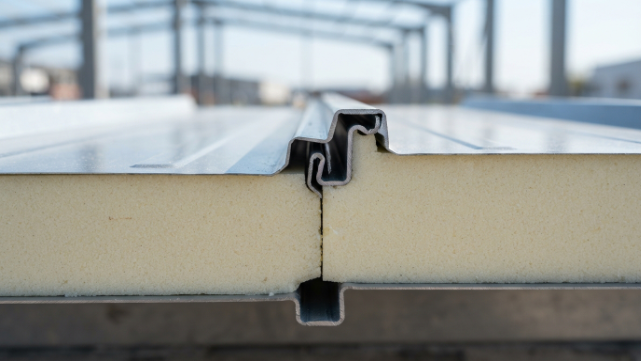
Insulated roofing systems are designed to improve thermal performance while providing structural protection against environmental conditions. These systems combine roofing materials with insulating layers to regulate indoor temperatures and enhance energy efficiency. Insulated roofing suppliers provide materials that support both protection and insulation in residential, commercial, and industrial buildings. This explainer outlines how insulated roofing works and the key components involved.

Understanding Insulated Roofing Systems

Insulated roofing consists of layered materials that combine structural strength with thermal resistance. These systems are engineered to reduce heat transfer and improve indoor comfort.

  • Combine outer roofing sheets with internal insulation layers
  • Reduce heat gain in summer and heat loss in winter
  • Improve overall energy efficiency of buildings
  • Provide additional sound insulation
  • Enhance durability against environmental exposure

Components of Insulated Roofing

Insulated roofing systems are made up of several layers that work together to deliver performance and protection.

  • Outer metal or composite sheets for weather resistance
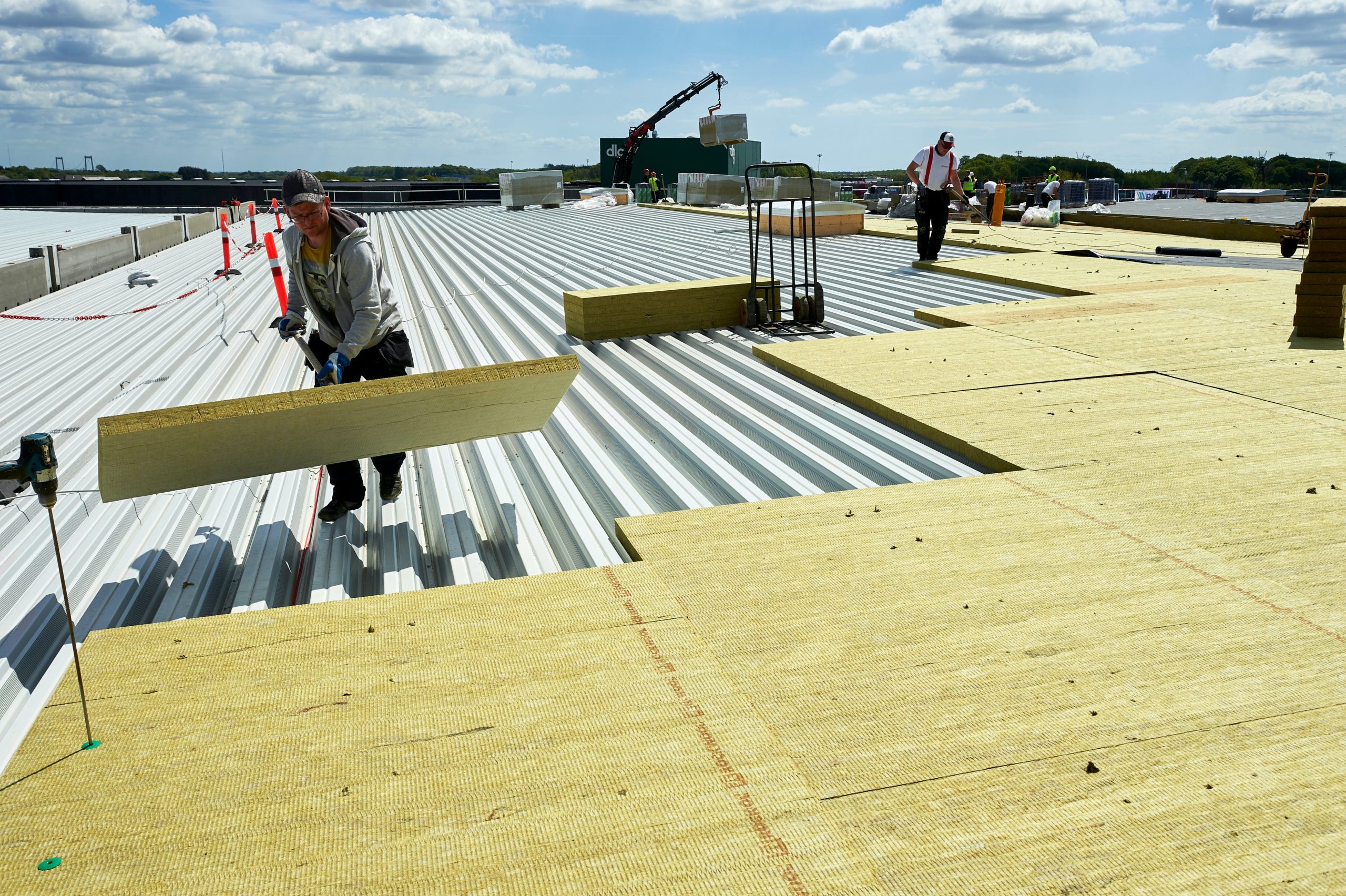
  • Insulation core made from foam or fibre materials
  • Internal lining for structural support and finish
  • Fastening systems to secure panels in place
  • Sealants to prevent moisture penetration

Role of the Insulation Core

The insulation core is the key element responsible for thermal performance.

  • Reduces heat transfer between external and internal environments
  • Maintains consistent indoor temperature
  • Improves energy efficiency across seasons

Types of Insulated Roofing Materials

Different insulated roofing options are available based on application and performance requirements. Each type offers specific benefits.

  • Sandwich panels with integrated insulation layers
  • Foam-based insulation for lightweight performance
  • Fibre insulation for enhanced thermal resistance
  • Reflective roofing materials for heat deflection
  • Composite panels for combined strength and insulation

How Insulated Roofing Is Supplied

Suppliers provide materials in a structured manner to meet construction requirements and ensure compatibility with building designs.

  • Assess project specifications and insulation needs
  • Supply pre-fabricated panels or components
  • Provide materials in required dimensions and profiles
  • Ensure compliance with quality and safety standards
  • Prepare materials for transport and installation

Benefits of Insulated Roofing Systems

Insulated roofing offers multiple advantages that improve building performance and long-term usability.

  • Reduces reliance on heating and cooling systems
  • Improves indoor comfort levels
  • Minimises noise from external environments
  • Enhances structural durability
  • Supports energy-efficient building practices

Factors to Consider When Selecting Insulated Roofing

Choosing the right insulated roofing system depends on several environmental and structural factors. Proper selection ensures optimal performance.

  • Climate conditions and temperature variations
  • Building design and roof structure
  • Required insulation thickness and performance
  • Compatibility with existing materials
  • Expected lifespan and maintenance requirements

Installation Considerations for Insulated Roofing

Proper installation ensures that insulated roofing systems function effectively and maintain their performance over time.

  • Ensure correct alignment of panels
  • Seal joints to prevent air or moisture leakage
  • Use appropriate fasteners for secure installation
  • Maintain proper slope for water drainage
  • Follow structural guidelines for load distribution

Maintenance of Insulated Roofing Systems

Regular maintenance helps preserve the efficiency and durability of insulated roofing over time.

  • Inspect panels for damage or wear
  • Check seals and joints for gaps or leaks
  • Clean surfaces to remove debris
  • Ensure drainage systems remain functional
  • Address minor issues promptly to prevent escalation

Conclusion

Insulated roofing systems combine structural protection with thermal efficiency, making them an important component of modern construction. Understanding their components, benefits, and maintenance needs helps ensure effective use. Insulated roofing suppliers support building projects by providing materials designed for durability and energy efficiency. With proper selection and installation, these systems contribute to improved comfort and long-term performance.
insulated roofing suppliers

What Should You Really Look For When Choosing Insulated Roofing Suppliers?

When planning a roofing upgrade, one of the biggest questions homeowners face is: how do you choose the right insulated roofing suppliers for a long-lasting and energy-efficient result? With roofing materials constantly evolving and Australian weather conditions demanding stronger, better-performing systems, selecting the right partner becomes more important than ever. Understanding how insulated roofing suppliers influence the outcome of your project can help you make a smarter, cost-effective decision.

Why Does the Supplier You Choose Matter So Much?

Choosing a roofing material isn’t just about picking colours, finishes, or styles. It’s about trust—trust that the product installed above your home will endure heatwaves, heavy rain, and seasonal temperature shifts. But why does the supplier matter?

Quality Determination

The supplier directly influences the grade of insulation, panel strength, coating durability, and overall roof lifespan. A well-established supplier often follows strict manufacturing standards, while a random provider may leave you with roofing that warps, leaks, or breaks down prematurely.

Consistency of Materials

Consistent performance matters, especially for Australian homes facing varying temperatures. A reliable supplier ensures every panel meets expected thermal and structural standards rather than giving you a mix of unpredictable products.

Availability of Technical Guidance

While you may not need detailed construction knowledge, having access to correct installation information, structural requirements, and maintenance guidelines makes decisions easier and safer.

What Questions Should You Ask Before Committing?

Before choosing any supplier, ask yourself—how well do they address real-world roofing concerns?

  • Do their materials suit coastal, suburban, or rural climates?
  • Are their insulation layers tested for Australian standards?
  • Do they provide clear documentation, product warranties, and compliance details?
  • Can they offer panel solutions for patios, carports, extensions, and commercial spaces?

When suppliers willingly answer these questions, it often reflects confidence in their product quality.

How Do You Know Whether the Insulation Level Is Right for Your Home?

Not every roofing panel suits every property type. You may wonder—what level of insulation actually makes sense for my home?

  • For hot regions: Higher-density insulation helps reduce heat transfer, keeping indoor spaces comfortable.
  • For cooler zones: Panels with good thermal retention help reduce heating costs.
  • For mixed climates: Multi-layer insulated panels often work best.

Understanding this helps you avoid under-insulated or over-engineered products that might not match your needs or budget.

What Makes Installation Techniques Just as Important as the Roofing Panel?

Even the best roofing panel can fail if installed incorrectly. The right supplier should give clear installation guidance so builders know exactly how the panels need to be positioned, sealed, and supported. If your installer struggles to follow instructions or the supplier doesn’t provide them, the roof’s performance may decline much sooner than expected.

Why Should You Consider Long-Term Value Rather Than Just Up-Front Pricing?

It’s easy to choose cheaper panels, but are they truly economical? Ask yourself:

  • Will these panels maintain insulation quality after years of sun exposure?
  • Will the colour and coating resist fading and corrosion?
  • Will the panel design prevent water from pooling and minimise leak risks?

A good supplier helps you understand the total cost of ownership, including performance, durability, and maintenance savings.

How Can You Tell Whether a Supplier Truly Understands Australian Conditions?

Real expertise shows when suppliers design products suited to Australian climates—strong sun, humidity, salt air, storms, and temperature shifts. Those who tailor roofing materials for local homes often provide better longevity and thermal control.

insulated metal roofing

Insulated Roofing: Durable, Energy-Efficient And Versatile Supplies

Insulated metal roofing has become a preferred choice for homeowners, commercial property owners, and builders seeking a roofing system that combines strength, energy efficiency, and long-term performance. By integrating insulation with durable metal panels, this roofing solution provides superior thermal regulation, noise reduction, and protection against harsh weather, making it suitable for Australia’s varied climate. Insulated metal roofing consists of metal panels—usually steel or aluminium—bonded to an insulating material such as polyurethane or polyisocyanurate. This sandwich construction creates a robust barrier against heat, cold, and external noise while maintaining the inherent strength of metal roofing. Many panels also feature reflective coatings that minimize heat absorption and improve energy efficiency, helping maintain comfortable indoor temperatures throughout the year.

Energy Efficiency and Sustainability

One of the most significant advantages of insulated metal roofing is its energy efficiency. The integrated insulation reduces heat transfer, keeping interiors cooler during the hot summer months and retaining warmth in winter. This reduces the reliance on air conditioning and heating systems, which translates into lower energy bills and a smaller carbon footprint. In addition, modern insulated panels often incorporate reflective surfaces designed to bounce sunlight away from the roof, further improving energy efficiency. The combination of insulation and reflective technology helps buildings meet energy compliance standards and contributes to sustainable construction practices.

Durability and Longevity

Durability is another key benefit. The metal exterior provides exceptional protection against extreme weather, including heavy rain, hail, strong winds, and intense UV radiation. Unlike traditional roofing materials such as tiles or asphalt shingles, insulated metal roofs do not crack, warp, or fade easily. They are also resistant to corrosion, particularly when using coated steel or aluminium panels, making them suitable for both coastal and urban environments where exposure to moisture and pollutants is common. With proper installation and maintenance, insulated metal roofing can easily last 30 to 50 years, making it a long-term investment in the protection and value of a property.

Noise Reduction and Comfort

Noise reduction is an additional advantage of insulated metal roofing. The insulation layer dampens sounds from rain, hail, wind, and external urban noise, creating a quieter and more comfortable indoor environment. This feature is particularly valuable for residential homes in high-density areas, commercial offices located in busy precincts, or industrial buildings near traffic-heavy zones. Combined with thermal performance, the noise reduction makes insulated metal roofing ideal for enhancing overall comfort in both living and working spaces.

Lightweight and Versatile Design

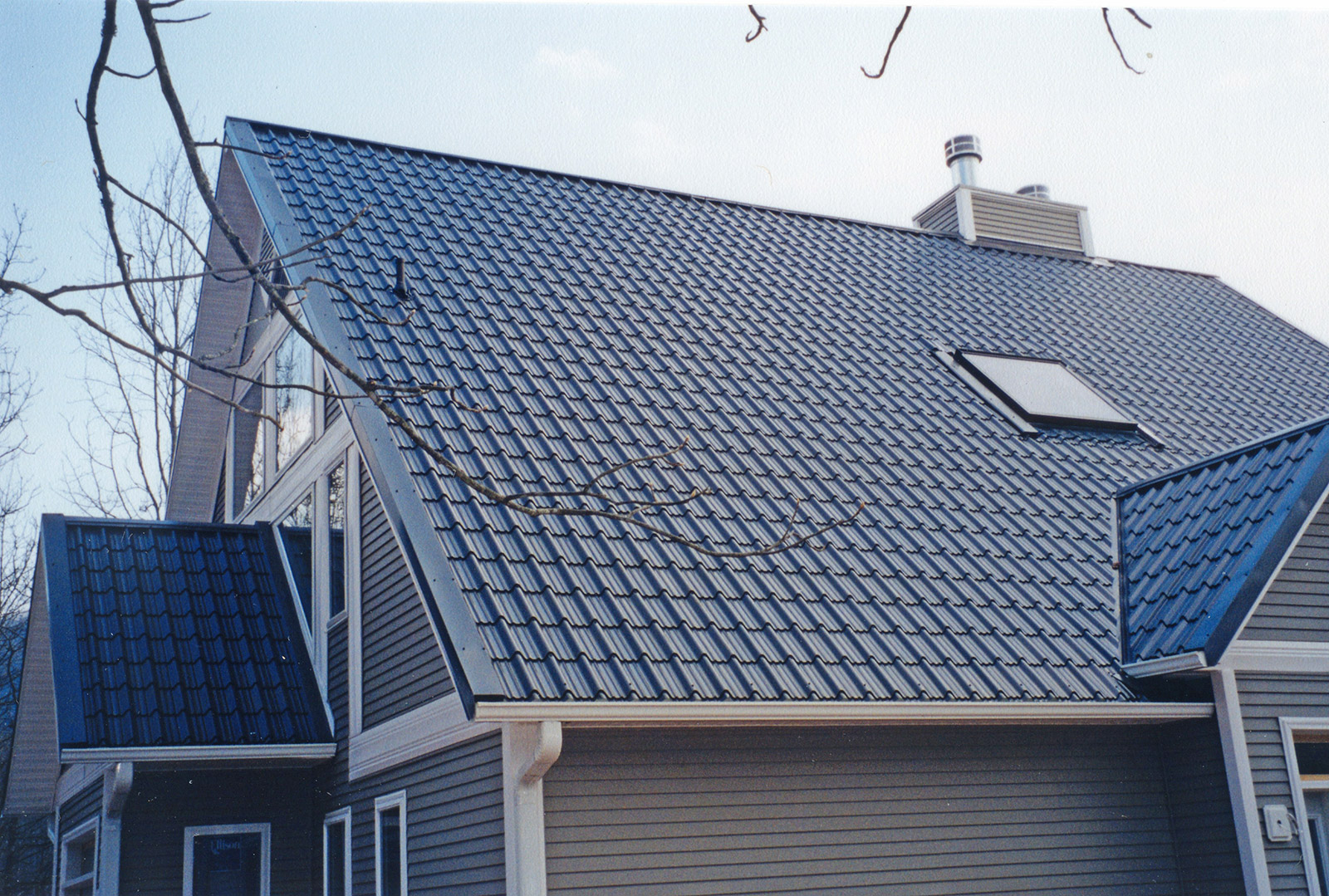
Despite its enhanced performance, insulated metal roofing remains lightweight compared to traditional roofing materials. This reduces the structural load on buildings and allows for longer panel spans with fewer supporting frameworks, which can result in faster and more cost-effective installation. The panels are highly versatile and can be fabricated in various profiles, including corrugated, trapezoidal, and standing seam styles, as well as a wide range of colours and finishes. This versatility allows property owners and architects to choose roofing solutions that match both modern and traditional architectural styles. Insulated metal roofing can be installed on pitched or flat roofs, expanding its applications to a variety of building designs.

Applications of Insulated Metal Roofing

The applications of insulated metal roofing are extensive. For residential properties, insulated metal roofs are ideal for main roof structures, carports, garages, and outdoor patios. They provide long-term protection, energy efficiency, and an aesthetically appealing finish. Commercial buildings, including offices, retail spaces, and warehouses, benefit from reduced energy costs, durability, and low maintenance requirements. Industrial facilities, such as factories, workshops, and cold storage facilities, gain the advantages of thermal insulation, structural strength, and protection against extreme environmental conditions. Agricultural buildings, including barns, sheds, and storage facilities, also benefit from insulated metal roofing, which protects equipment, livestock, and temperature-sensitive materials.

Climate Considerations

Climate considerations play a crucial role in the effectiveness of insulated metal roofing. In regions with hot summers, the reflective properties of modern insulated panels help reduce heat absorption and maintain cooler interior temperatures. In areas with heavy rainfall or strong winds, insulated metal roofing provides a durable, water-resistant barrier that minimizes the risk of leaks and structural damage. Coastal environments also benefit, as high-quality aluminium or coated steel panels resist corrosion caused by salt-laden air. Additionally, insulated metal roofing can be combined with rainwater harvesting systems and solar panel installations, contributing to sustainable building practices and energy efficiency.

Installation and Maintenance

Proper installation is critical to achieving the full benefits of insulated metal roofing. Panels must be carefully aligned and securely fastened to prevent water ingress, thermal bridging, or wind uplift. Flashings, sealants, and roof ventilation play a vital role in preventing condensation, maintaining insulation performance, and extending the life of the roof. Professional installation ensures that the roof performs optimally under all weather conditions, while periodic inspections allow early detection of debris accumulation, loose fixings, or minor damage, preventing costly repairs in the future. Low maintenance is another advantage; unlike traditional roofing materials that may require frequent replacement or repair, insulated metal roofs typically only require regular cleaning of gutters, removal of debris, and occasional checks for minor damage.

Conclusion

Insulated roofing suppliers offers a comprehensive supplies for modern buildings, combining energy efficiency, durability, aesthetic appeal, and long-term performance. Its ability to regulate indoor temperatures, reduce noise, withstand harsh weather, and require minimal maintenance makes it suitable for residential, commercial, industrial, and agricultural applications. With versatile design options, long lifespan, and sustainable benefits, insulated metal roofing is not only a practical choice but also a smart investment that enhances comfort, reduces energy costs, and adds lasting value to any property.