
Tag Archive : white ink printing

Why Has White Ink Printing Gained Attention in Modern Printing?

What makes certain printed designs stand out more than others? In recent years, white ink printing has gained recognition for its ability to create high-contrast, visually striking results. Could the demand for premium finishes and enhanced visibility be driving its growing adoption across commercial and creative industries?

How Does White Ink Printing Differ From Traditional Printing Methods?

Why is white often absent in standard printing processes? Traditional CMYK printing relies on the colour of the material to represent white, limiting design flexibility. How does the introduction of white ink allow printing on dark, coloured, or transparent surfaces without compromising clarity or readability?

What Types of Materials Benefit From White Ink Printing?

Which surfaces are best suited for this specialised printing technique? White ink printing is commonly used on clear labels, coloured paper, metallic substrates, and transparent films. Can its versatility make it suitable for packaging, signage, promotional materials, and product labelling across various industries?

How Does White Ink Enhance Design and Branding?

Can white ink change the way a design is perceived? By adding depth, contrast, and layering effects, white ink can elevate branding and visual appeal. How does this technique help logos, text, and patterns appear sharper and more defined, particularly on darker backgrounds?

Is White Ink Printing Suitable for Commercial Applications?

Why are businesses increasingly incorporating this method into their marketing materials? From premium packaging to window decals and point-of-sale displays, white ink printing supports high-quality presentation. Could its durability and resistance to fading make it a practical choice for both indoor and outdoor applications?

What Role Does Technology Play in White Ink Printing Quality?

How do modern printing systems ensure consistency and precision? Advances in digital printing technology allow white ink to be applied in multiple layers for opacity and texture. Does this level of control improve colour accuracy and ensure professional-grade finishes for complex designs?

How Should Designs Be Prepared for White Ink Printing?

What considerations are important during the design stage? Preparing artwork for white ink often involves defining specific layers or masks. Can working closely with print professionals help ensure the white ink is applied exactly where needed, avoiding unnecessary costs or design errors?

Does White Ink Printing Affect Production Costs?

Is specialised printing always more expensive? While white ink printing may involve additional setup or materials, its impact on overall cost depends on project size, complexity, and volume. Could the enhanced visual quality justify the investment, particularly for branding or high-value products?

How Can White Ink Printing Support Long-Term Brand Impact?

Can a premium finish influence customer perception? High-quality print presentation often reflects brand professionalism and attention to detail. How might consistent use of advanced printing techniques strengthen brand recognition and trust over time?

By exploring these questions, it becomes evident that white ink printing offers both creative and commercial advantages. Through thoughtful design, appropriate material selection, and professional execution, this printing method can deliver refined results that enhance visibility, durability, and overall visual impact.
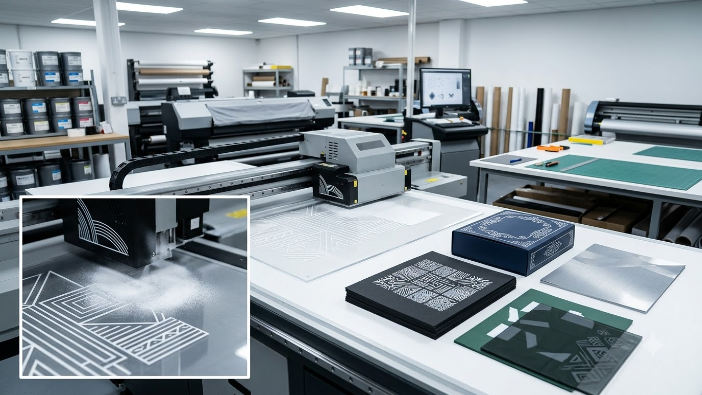

Unlocking Creative Possibilities with White Ink Printing

Printing isn’t limited to white paper and light-coloured surfaces. When businesses need bold graphics on dark, transparent, or coloured materials, white ink printing can provide a distinctive solution. Unlike conventional printing methods, white ink can create an opaque base or act as a design element, allowing colours and details to remain visible against challenging backgrounds.

From product labels and packaging to promotional materials and signage, this printing technique opens up a wider range of creative possibilities.

What Makes White Ink Printing Different?

Traditional printing generally relies on colours being reproduced over a light background. When the same artwork is printed onto a dark or transparent surface, colours may appear less vibrant or lose their intended appearance.

White ink changes this by allowing a white layer to be printed beneath or alongside other colours. This can help create stronger contrast and make artwork more visually prominent.

Depending on the project, white ink can be used for:

  • Solid white text and graphics
  • White backgrounds beneath coloured artwork
  • Highlight effects
  • Layered designs
  • Transparent labels
  • Dark-coloured materials

This flexibility makes it particularly useful for customised printing projects.

Printing on Dark Materials

One of the biggest advantages of white ink printing is its ability to produce visible designs on dark surfaces. Standard colours can struggle to stand out when placed directly onto black, navy, or other deep shades.

A white ink layer can provide a brighter foundation, helping printed colours appear more defined and vibrant.

This can be useful for:

  • Dark packaging
  • Branded merchandise
  • Promotional products
  • Signage
  • Labels
  • Event materials

Creating Transparent Labels

Transparent materials can create a sleek, modern appearance, but printing on them requires careful consideration. Without a white layer, certain colours can become difficult to see depending on the background behind the label.

White ink printing allows designers to control which parts of the artwork remain opaque and which areas retain transparency. This can create distinctive effects for product packaging, bottles, jars, and promotional labels.

White Ink as a Design Feature

White ink doesn’t always have to serve as a background. It can also become an important part of the artwork itself.

Designers can use white elements for:

  • Logos
  • Typography
  • Illustrations
  • Borders
  • Decorative patterns
  • Minimalist designs

Combining white elements with other colours can produce clean contrasts and help important details stand out.

Industries That Can Benefit

The versatility of white ink makes it suitable for a wide range of businesses and creative projects.

It can be used for:

  • Product packaging
  • Cosmetic labels
  • Food and beverage branding
  • Retail signage
  • Promotional merchandise
  • Event stationery
  • Custom stickers
  • Short-run marketing materials

Businesses can experiment with different substrates and finishes to create packaging and promotional products that reflect their brand identity.

Things to Consider Before Printing

Before choosing white ink printing, it is important to consider the material, artwork, intended finish, and overall design.

Think about:

  • Whether the surface is dark, clear, or coloured
  • Which areas of the design need an opaque white layer
  • How colours will appear against the chosen material
  • The required size and quantity
  • Whether a matte, gloss, or specialty finish is preferred

Preparing artwork specifically for white ink production can help achieve a cleaner and more consistent result.

Why White Ink Can Elevate Branding

Packaging and promotional materials often compete for attention. Using white ink on an unconventional surface can make a design feel more distinctive without requiring complicated graphics.

A simple logo printed in white on a transparent or dark surface, for example, can create a clean and premium visual effect. This makes the technique useful for businesses that want their printed materials to look different from standard designs.

Final Thoughts

White ink printing expands the creative possibilities available to businesses by making it possible to produce striking designs on dark, transparent, and coloured materials. From bold packaging and labels to promotional products and signage, white ink can improve contrast, highlight important details, and create distinctive visual effects. With thoughtful artwork and the right material, it can turn an ordinary printed product into a more eye-catching representation of your brand.

What Makes White Ink Printing Ideal For Unique And Eye-Catching Custom Designs?

In the world of printing, achieving unique and captivating designs is crucial for standing out. Enter white ink printing, a versatile technique that opens up creative possibilities beyond traditional printing methods. Ideal for darker or non-traditional materials, white ink printing creates bold, eye-catching designs that make your brand unforgettable. In this blog, we’ll delve into what white ink printing is, its benefits, and how it can elevate your custom designs to new heights.

What Is White Ink Printing?

White ink printing involves using opaque white ink as a primary or supplementary color in the printing process. Unlike conventional inks, white ink can stand out on dark or transparent surfaces, making it ideal for a wide range of creative applications. This specialized printing method is particularly popular for promotional items, packaging, and artistic projects.

Why Should You Choose White Ink Printing?

1. Bold Designs on Dark Surfaces

Traditional printing struggles to maintain vibrancy on dark or colored surfaces. White ink provides a stark contrast, allowing designs to pop on materials like black paper, kraft paper, or colored vinyl. This makes it an excellent choice for creating striking custom pieces.

2. Versatility Across Materials

From paper and cardstock to plastic and metal, white ink printing works on a variety of surfaces. This versatility allows you to create custom designs on non-traditional mediums, such as glass, wood, or transparent film.

3. Enhanced Layering Effects

White ink can be used as a base layer for other colors, ensuring they appear vibrant and true to their intended hues. This is especially useful for printing on transparent or textured surfaces where colors might otherwise look muted.

How Can You Use White Ink Printing for Custom Designs?

1. Business Branding

White ink printing is perfect for creating premium business cards, letterheads, and envelopes. Its unique appeal conveys sophistication and creativity, making your brand stand out to clients and partners.

2. Product Packaging

For packaging, white ink can add elegance and readability to designs on dark or transparent materials. Whether for luxury items or artisanal goods, this printing method enhances the visual impact of your brand.

3. Event Invitations and Stationery

White ink printing is a popular choice for wedding invitations, holiday cards, and event stationery. Its ability to create intricate, elegant designs on dark or metallic papers makes it a favorite for special occasions.

4. Custom Merchandise

From glass bottles to promotional pens, white ink printing is ideal for branding merchandise with high-impact designs. It offers a professional finish that appeals to both customers and collaborators.

What Are the Benefits of White Ink Printing?

1. Unique Aesthetic Appeal

The boldness of white ink provides a unique and creative edge that traditional printing cannot match. This makes it ideal for businesses and individuals looking to make a memorable impression.

2. Long-Lasting Quality

High-quality white ink printing is resistant to smudging and fading, ensuring that your designs remain sharp and vibrant over time.

3. Endless Customization

Whether you’re looking for intricate patterns or minimalist designs, white ink printing offers unparalleled customization options. You can experiment with textures, layers, and finishes to achieve your desired look.

How to Get Started with White Ink Printing?

1. Work with Experienced Printers

Not all printing services offer white ink capabilities. Choose a printer with expertise in white ink printing and a track record of delivering exceptional results.

2. Focus on Design Details

White ink printing works best with detailed designs and bold contrasts. Ensure your artwork is optimized for this printing technique to maximize its impact.

3. Test on Different Materials

Experiment with various surfaces to see how white ink enhances your design. Testing helps you choose the best medium for your specific project.

Conclusion

White ink printing is an innovative technique that brings bold, unique designs to life. Its ability to stand out on dark surfaces, support layering, and adapt to various materials makes it an ideal choice for businesses and creatives alike. By incorporating white ink printing into your branding or custom designs, you can create unforgettable visual experiences that leave a lasting impression.