
The Impact of LED Headlights on Australian Road Safety Regulations
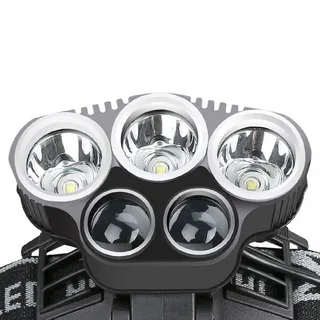
In recent years, LED headlights in Australia have become increasingly common on vehicles. These lights are brighter, more energy-efficient, and longer-lasting compared to traditional halogen bulbs. However, their growing use has raised questions about road safety and the rules surrounding vehicle lighting. Understanding how LED headlights affect regulations is essential for every driver.
How do LED headlights affect road safety in Australia?
LED headlights in Australia offer several safety benefits. Their brighter and whiter light improves visibility at night, making it easier to see pedestrians, animals, and road signs. They also light up the road more evenly, reducing shadows that can hide hazards. For drivers, this means faster reaction times and fewer accidents in low-light conditions.
At the same time, LED lights can cause glare if they are improperly installed or misaligned. Excessive glare can temporarily blind oncoming drivers, creating a safety risk. Australian road authorities emphasise correct installation and adjustment to prevent such issues.
What regulations govern LED headlights in Australia?
Australia has strict vehicle lighting regulations to ensure safety for all road users. These rules cover brightness, beam pattern, and positioning. The main aim is to reduce glare and prevent unsafe lighting conditions. LED headlights must comply with standards set under the Australian Design Rules (ADRs).
Drivers should be aware that aftermarket LED conversions may not always meet these standards. Installing non-compliant lights can result in fines, failed vehicle inspections, or insurance complications. Authorities recommend that any upgrades follow the legal requirements for brightness, beam alignment, and approved fittings.
Can LED headlights improve driving safety beyond standard requirements?
Yes. When correctly installed, LED headlights provide superior illumination compared to traditional bulbs. They allow drivers to spot hazards earlier and drive more comfortably at night. LED lights also respond faster when switched on or off, which can be helpful in certain driving situations.
However, safety benefits are maximised only when the lights are correctly adjusted. Misaligned or excessively bright headlights can increase risks for others on the road. Regular checks and maintenance are important to ensure they remain compliant with safety standards.
Are there common mistakes drivers make with LED headlights?
One common mistake is assuming all LED lights are automatically compliant. Not all aftermarket kits meet Australian standards, so checking the specifications is crucial. Another issue is poor installation. Even legal lights can be unsafe if angled too high or too low.
Drivers also sometimes neglect regular maintenance. Dirt, damage, or misalignment can reduce the effectiveness of LED headlights. Simple measures, like cleaning lenses and checking angles, help maintain optimal performance and compliance.
What should drivers know before upgrading to LED headlights?
Before switching to LED headlights, drivers should research legal requirements. Understanding brightness limits, beam patterns, and fitting rules is key. Only use kits that are approved under Australian safety standards. Proper installation is as important as choosing the right product.
Regular inspections ensure that headlights remain effective and compliant. Following these guidelines reduces glare, improves road safety, and protects both the driver and other road users.
Conclusion
LED headlights in Australia offer clear advantages for night driving, including improved visibility and faster reaction times. However, their impact on road safety depends on correct installation and compliance with legal regulations. Drivers must ensure their headlights meet the standards set by authorities to enjoy the benefits safely. By understanding the rules and maintaining their lights, Australians can make the most of LED technology while keeping roads safer for everyone.