
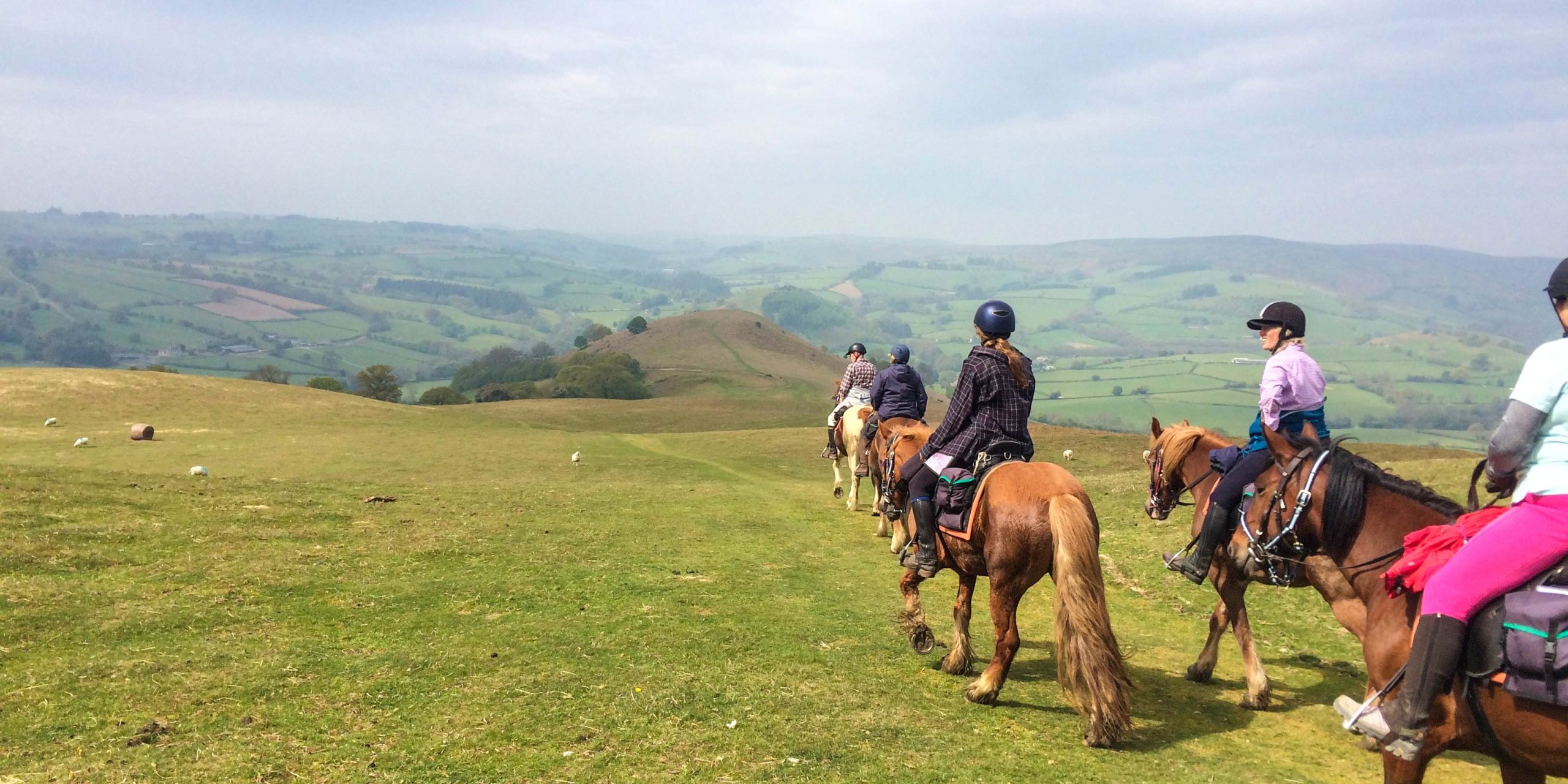
What to Expect on Multi-Day Horse Trekking Holidays?
Trading the hustle of daily life for open trails, starry nights, and the rhythmic clip-clop of hooves echoing through scenic landscapes. That’s the magic of horse trekking holidays: a unique adventure where nature, culture, and companionship blend into an unforgettable experience. Whether you’re an experienced rider or a curious first-timer, multi-day horse treks offer a chance to truly disconnect and explore remote regions at a slower, more meaningful pace. In this blog, we will walk you through everything you can expect on a multi-day horse trekking holiday, from saddle time and accommodation to food, fitness levels, and the unexpected joys along the way.
What makes horse trekking holidays different from a day ride?
- On a day ride, you return to base before nightfall.
- A multi-day trek takes you farther from home.
- You ride through forests, over ridges and along rivers.
- You sleep under canvas or in rustic huts.
- Each dawn brings a new route and fresh scenery.
- It’s a chance to disconnect from screens and reconnect with simple rhythms, saddling up, walking trails, and sharing a campfire meal.
How should you prepare for a multi-day trek?
- Good preparation makes your holiday smoother and more fun.
- First, build leg and core strength with regular walks or gentle rides.
- Stretch daily to avoid stiffness. Invest in a well-fitting helmet and riding boots with a small heel. Pack layers a lightweight shirt, fleece and waterproof jacket.
- A small daypack holds snacks, water, sunscreen and insect repellent.
- Test your kit on a short ride before you go.
What will your daily routine look like on the trail?
- Most treks start at dawn. You’ll feed and groom your mount, then tack up together. Rides run for three to six hours with rest stops by creeks or lookouts.
- Guides share local stories.
- They point out wildlife, native plants and hidden waterfalls.
- At midday, you dismount for lunch, maybe wraps, fresh fruit and a hot brew.
- By late afternoon, you reach camp.
- You will brush down your horse, unhitch saddle bags and pitch your tent.
- Evenings are for dinner around a fire.
- Expect simple, hearty meals, stew, damper and berries for dessert.
What safety measures keep you protected on multi-day treks?
- Experienced guides lead small groups to ensure safety and personalised attention.
- They carry first-aid kits, satellite phones and maps.
- Horses are carefully selected for temperament and endurance.
- You will ride at a steady pace suited to all skill levels. Helmets and boots are non-negotiable.
- Briefings cover risk-free river crossings, steep climbs and wildlife encounters. If you feel uneasy, you can switch to a lead horse or ride one of the spare pack animals.
How do you choose the right operator for your first trek?
- Look for small-group operators with strong local knowledge.
- Read recent guest reviews for honest feedback on service, food and trail quality.
- Ask about guide qualifications and horse welfare practices.
- Good outfits rest horses properly, rotate mounts and follow low-impact trail rules.
- Check what’s included: tent, sleeping bag, meals and transfers.
- A clear cancellation policy gives peace of mind if plans change.
What benefits will you take home after a horse trekking holiday?
- A multi-day trek builds confidence, fitness and focus.
- You learn to read a horse’s mood and body language.
- You gain an intimate view of the landscape as it shifts with light and weather.
- Nights under the Milky Way foster gratitude and calm.
- Back home, you carry a renewed sense of balance, a handful of campfire recipes and stories of sunrises from high ridges.
Conclsion
Embrace the call of the trail. Plan your next adventure with experts, pack light and trust the rhythm of hoofbeats. Memories from horse trekking holidays stay with you long after the last ember has cooled.