
How Are Commercial Coffee Machines Used Across Industries In Australia?
Commercial coffee machines in Australia are vital across a wide range of sectors, from hospitality to healthcare. These machines are built for high performance, consistent output and durability, making them indispensable in busy environments. As coffee culture continues to evolve, the demand for reliable commercial machines only grows stronger.
Which industries rely on commercial machines?
- Cafés and restaurants: These businesses need fast, high-capacity machines to serve large volumes with speed and consistency.
- Hotels and event venues: Machines in these settings must cater to varied preferences, often operating for extended hours.
- Offices and co-working spaces: Professional machines keep staff energised and support workplace satisfaction.
- Healthcare facilities: Reliable, low-maintenance machines serve staff and visitors efficiently in hospitals and clinics.
- Educational institutions: Universities and schools use them in cafeterias, staff lounges and student hubs.
What types of commercial machines are available?
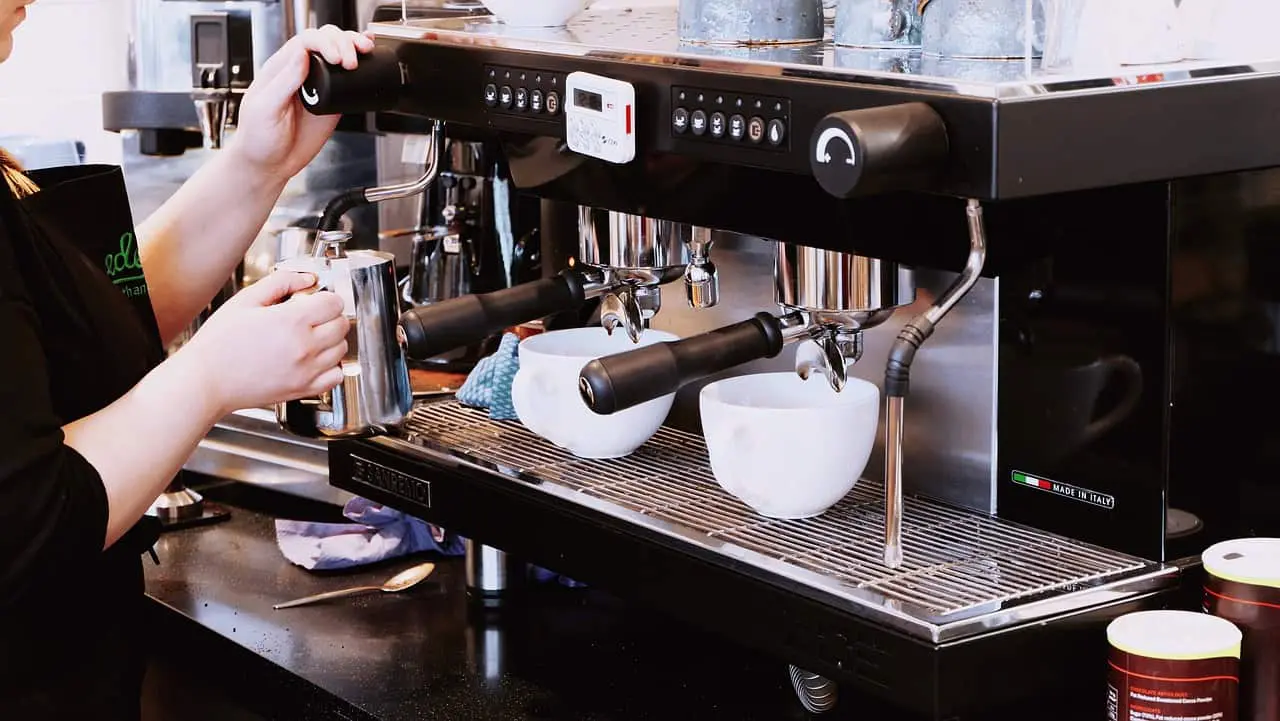
- Traditional espresso machines: Operated manually or semi-automatically by trained staff, offering precise control.
- Super-automatic machines: These handle grinding, brewing and frothing automatically, ideal for self-service environments.
- Filter and batch brewers: Best for high-volume, continuous coffee supply, such as in conference halls or breakfast buffets.
- Pod or capsule systems: Suitable for smaller businesses wanting ease of use and minimal mess.
- Hybrid machines: Some machines combine espresso and filter brewing, offering versatility in one unit.
What performance features are important?
- Brewing capacity: Machines must meet peak-time demands without delays or overheating.
- Temperature stability: Stable water temperature is critical for consistent taste and extraction.
- Pressure control: Consistent pressure ensures the right flavour and crema in every shot.
- Steam wand efficiency: For milk-based drinks, steam pressure must be strong and controllable.
- User interface: Modern machines often have touchscreen controls and programmable recipes.
How do Australian businesses choose the right machine?
- Customer volume: High-traffic locations need machines with greater output and durability.
- Barista skill level: Manual machines suit experienced staff, while automated options are better for mixed skill environments.
- Beverage variety: Locations offering a broad drink menu may opt for machines with multiple settings and features.
- Cleaning and maintenance: Businesses consider how easily the machine can be cleaned daily or weekly.
- Budget and space: Machine footprint and long-term cost efficiency influence the decision.
What factors affect machine longevity?
- Water quality: Using filtered water prevents scale buildup and extends machine life.
- Routine servicing: Regular maintenance helps identify and fix issues early.
- Operator training: Trained staff reduce misuse and handle machines correctly.
- Usage volume: High use can lead to faster wear. Machines should match expected traffic.
- Environmental conditions: Machines in hot, humid or dusty spaces may require extra care.
Conclusion
The use of commercial coffee machines in Australia spans numerous industries and environments, each with unique requirements. From fast-paced cafés to professional offices, the right machine contributes significantly to customer satisfaction and operational efficiency. A clear understanding of features, capacity and maintenance ensures businesses make the most of their investment.