
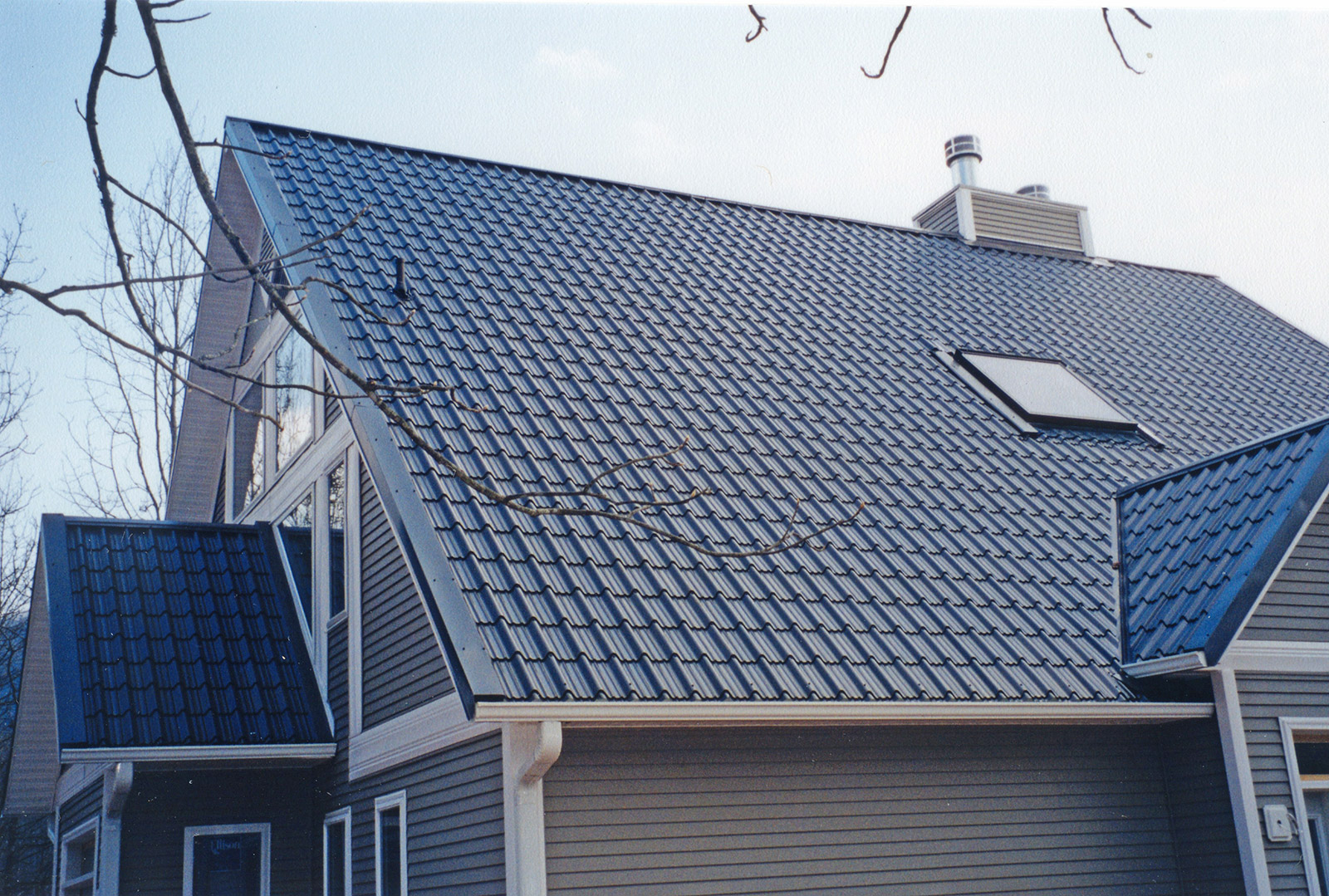
Insulated Roofing: Durable, Energy-Efficient And Versatile Supplies
Insulated metal roofing has become a preferred choice for homeowners, commercial property owners, and builders seeking a roofing system that combines strength, energy efficiency, and long-term performance. By integrating insulation with durable metal panels, this roofing solution provides superior thermal regulation, noise reduction, and protection against harsh weather, making it suitable for Australia’s varied climate. Insulated metal roofing consists of metal panels—usually steel or aluminium—bonded to an insulating material such as polyurethane or polyisocyanurate. This sandwich construction creates a robust barrier against heat, cold, and external noise while maintaining the inherent strength of metal roofing. Many panels also feature reflective coatings that minimize heat absorption and improve energy efficiency, helping maintain comfortable indoor temperatures throughout the year.
Energy Efficiency and Sustainability
One of the most significant advantages of insulated metal roofing is its energy efficiency. The integrated insulation reduces heat transfer, keeping interiors cooler during the hot summer months and retaining warmth in winter. This reduces the reliance on air conditioning and heating systems, which translates into lower energy bills and a smaller carbon footprint. In addition, modern insulated panels often incorporate reflective surfaces designed to bounce sunlight away from the roof, further improving energy efficiency. The combination of insulation and reflective technology helps buildings meet energy compliance standards and contributes to sustainable construction practices.
Durability and Longevity
Durability is another key benefit. The metal exterior provides exceptional protection against extreme weather, including heavy rain, hail, strong winds, and intense UV radiation. Unlike traditional roofing materials such as tiles or asphalt shingles, insulated metal roofs do not crack, warp, or fade easily. They are also resistant to corrosion, particularly when using coated steel or aluminium panels, making them suitable for both coastal and urban environments where exposure to moisture and pollutants is common. With proper installation and maintenance, insulated metal roofing can easily last 30 to 50 years, making it a long-term investment in the protection and value of a property.
Noise Reduction and Comfort
Noise reduction is an additional advantage of insulated metal roofing. The insulation layer dampens sounds from rain, hail, wind, and external urban noise, creating a quieter and more comfortable indoor environment. This feature is particularly valuable for residential homes in high-density areas, commercial offices located in busy precincts, or industrial buildings near traffic-heavy zones. Combined with thermal performance, the noise reduction makes insulated metal roofing ideal for enhancing overall comfort in both living and working spaces.
Lightweight and Versatile Design
Despite its enhanced performance, insulated metal roofing remains lightweight compared to traditional roofing materials. This reduces the structural load on buildings and allows for longer panel spans with fewer supporting frameworks, which can result in faster and more cost-effective installation. The panels are highly versatile and can be fabricated in various profiles, including corrugated, trapezoidal, and standing seam styles, as well as a wide range of colours and finishes. This versatility allows property owners and architects to choose roofing solutions that match both modern and traditional architectural styles. Insulated metal roofing can be installed on pitched or flat roofs, expanding its applications to a variety of building designs.
Applications of Insulated Metal Roofing
The applications of insulated metal roofing are extensive. For residential properties, insulated metal roofs are ideal for main roof structures, carports, garages, and outdoor patios. They provide long-term protection, energy efficiency, and an aesthetically appealing finish. Commercial buildings, including offices, retail spaces, and warehouses, benefit from reduced energy costs, durability, and low maintenance requirements. Industrial facilities, such as factories, workshops, and cold storage facilities, gain the advantages of thermal insulation, structural strength, and protection against extreme environmental conditions. Agricultural buildings, including barns, sheds, and storage facilities, also benefit from insulated metal roofing, which protects equipment, livestock, and temperature-sensitive materials.
Climate Considerations
Climate considerations play a crucial role in the effectiveness of insulated metal roofing. In regions with hot summers, the reflective properties of modern insulated panels help reduce heat absorption and maintain cooler interior temperatures. In areas with heavy rainfall or strong winds, insulated metal roofing provides a durable, water-resistant barrier that minimizes the risk of leaks and structural damage. Coastal environments also benefit, as high-quality aluminium or coated steel panels resist corrosion caused by salt-laden air. Additionally, insulated metal roofing can be combined with rainwater harvesting systems and solar panel installations, contributing to sustainable building practices and energy efficiency.
Installation and Maintenance
Proper installation is critical to achieving the full benefits of insulated metal roofing. Panels must be carefully aligned and securely fastened to prevent water ingress, thermal bridging, or wind uplift. Flashings, sealants, and roof ventilation play a vital role in preventing condensation, maintaining insulation performance, and extending the life of the roof. Professional installation ensures that the roof performs optimally under all weather conditions, while periodic inspections allow early detection of debris accumulation, loose fixings, or minor damage, preventing costly repairs in the future. Low maintenance is another advantage; unlike traditional roofing materials that may require frequent replacement or repair, insulated metal roofs typically only require regular cleaning of gutters, removal of debris, and occasional checks for minor damage.
Conclusion
Insulated roofing suppliers offers a comprehensive supplies for modern buildings, combining energy efficiency, durability, aesthetic appeal, and long-term performance. Its ability to regulate indoor temperatures, reduce noise, withstand harsh weather, and require minimal maintenance makes it suitable for residential, commercial, industrial, and agricultural applications. With versatile design options, long lifespan, and sustainable benefits, insulated metal roofing is not only a practical choice but also a smart investment that enhances comfort, reduces energy costs, and adds lasting value to any property.