
The Role of Sheet Waterproofing in Large-Scale Commercial and Residential Projects
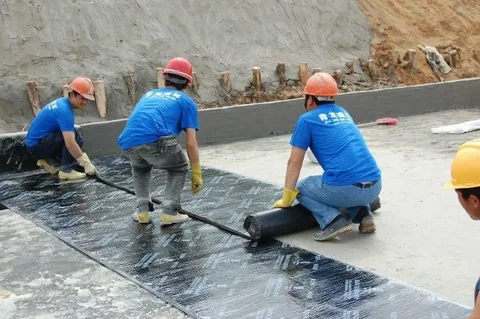
When it comes to protecting large buildings, multi-storey complexes, and expansive construction sites, sheet waterproofing stands out as one of the most dependable solutions. From commercial towers to modern residential developments, it provides a strong defence against moisture intrusion—an essential need in Australia’s varied climate. But what makes sheet waterproofing so crucial for big projects? Let’s break it down.
1. Understanding Sheet Waterproofing
Sheet waterproofing uses pre-formed membranes designed to block water from entering structural components. Installed on roofs, basements, podiums, and retaining walls, these sheets act as a continuous protective layer.
In large-scale construction, where surface areas are vast and water risks are higher, the reliability of sheet membranes becomes even more important. Their consistent thickness and factory-produced quality offer predictable performance—something builders appreciate on complex sites.
2. Why Sheet Waterproofing Works Well for Large Projects
- High Durability: Sheet membranes are built to withstand heavy loads, movement, and environmental exposure—ideal for commercial rooftops, car parks, and multi-level buildings.
- Quality Control: Because sheets are manufactured under controlled conditions, they reduce installation errors and ensure uniform protection.
- Fast Installation: For large construction schedules, speed matters. Sheet membranes can be rolled out quickly across big surfaces, helping projects stay on deadline.
- Reduced Long-Term Risk: A single failure in a large building can cause major damage. Sheet waterproofing minimises the risk of leaks that could impact multiple units or floors.
3. The Australian Construction Context
Australia’s climate ranges from coastal humidity to hot inland conditions, making water management a serious challenge for builders.
For large commercial and residential developments, waterproofing must withstand:
- Heavy rain and flash storms
- High UV exposure
- Movement caused by thermal expansion
- Varying ground moisture levels
Sheet waterproofing offers reliable, long-lasting performance across these conditions, making it a popular choice for developers and architects nationwide.
4. Common Types of Sheet Waterproofing Used in Big Builds
- Bituminous Membranes: Favoured for rooftops, basements, and podium slabs. They’re strong, durable, and reliable for large spans.
- PVC & TPO Membranes: Lightweight, UV-resistant options ideal for commercial roofing systems, energy-efficient buildings, and green roof setups.
- EPDM Rubber Sheets: Known for their elasticity, these are perfect for large flat roofs and areas exposed to movement or vibration.
Each material offers distinct advantages depending on project type, environmental exposure, and structural requirements.
5. Cost Considerations for Large Developments
Waterproofing in a large building is not just a protective measure—it’s an investment. While sheet systems can have higher upfront costs compared to liquid membranes, they offer long-term value through:
- Fewer maintenance needs
- Longer service life
- Increased reliability for high-risk areas
- Reduced likelihood of costly leak repairs across multiple units or floors
For commercial developers, this reliability translates to fewer disruptions and a better return on construction budgets.
6. Mistakes to Avoid in Large-Scale Waterproofing
- Skipping Proper Surface Preparation: Uneven or contaminated surfaces reduce adhesion and create pathways for water.
- Poor Overlap Sealing: Large projects involve many seams; each must be correctly sealed to prevent leaks.
- Using the Wrong Membrane: High-traffic areas, underground walls, and exposed roofs all require different materials.
- Ignoring Regular Inspection: Even robust systems need periodic checks—especially in commercial spaces with high foot traffic or equipment loads.
7. Sustainability Considerations for Developers
Modern commercial and residential projects increasingly prioritise sustainability. Many sheet waterproofing systems now align with green building principles by offering:
- Recyclable materials
- Low VOC emissions
- Better insulation performance
- Enhanced energy efficiency when used on roofs
PVC and TPO membranes, in particular, are known for their environmental benefits and long service life.
Conclusion
Sheet waterproofing plays a vital role in ensuring the safety, durability, and performance of large-scale commercial and residential projects. Its strength, consistency, and long-term reliability make it a trusted choice for developers building across Australia’s diverse climates. Whether it’s a high-rise, a shopping centre, or a multi-unit apartment building, sheet membranes offer peace of mind—protecting structures from water damage and future-proofing investments.
FAQs
- How long do sheet waterproofing systems last in large buildings?
Most well-installed systems last 15–25 years, depending on material type and environmental exposure.
- Is sheet waterproofing suitable for high-rise buildings?
Yes. It’s commonly used on rooftops, basements, balconies, podiums, and more—making it ideal for multi-level structures.
- Can damaged sheet waterproofing be repaired?
Yes. Most systems allow for targeted repairs, which is cost-effective for large-scale sites.