
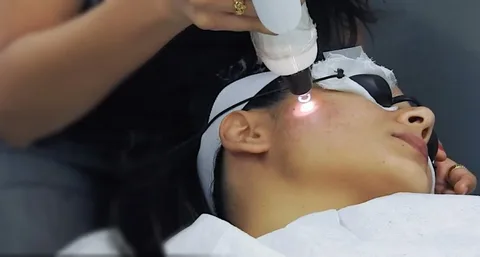
Understanding How Laser Pigmentation Removal Works
For many, dealing with skin pigmentation issues is a frustrating experience. Whether it’s sunspots, age spots, or melasma, these blemishes can appear out of nowhere and seem impossible to manage. Fortunately, laser pigmentation removal offers a beacon of hope. This advanced treatment is gaining popularity across Australia, promising clearer, more even-toned skin. But how exactly does it work? Let’s delve into the details.
1. The Science Behind Laser Pigmentation Removal
At its core, laser pigmentation removal uses targeted beams of light to break down pigment within the skin. The laser energy is absorbed by the pigmented lesions, which are then shattered into smaller particles. Over time, the body naturally eliminates these fragments, leading to a reduction in visible pigmentation. The precision of this method ensures that surrounding skin remains unharmed, making it a safe and effective option for many.
2. Types of Pigmentation Lasers
Not all lasers are created equal, and the type used can vary depending on the pigmentation being treated. Common options include:
- Switched Lasers: Known for their ability to target deeper pigmentation, these are often used for age spots and tattoos.
- Fractional Lasers: These are ideal for treating widespread pigmentation like melasma, offering a gentler approach with minimal downtime.
- Pulsed Dye Lasers (PDL): Perfect for targeting vascular lesions and redness, they can also help with certain pigmented areas.
Each laser type offers unique benefits, and a qualified professional will determine the most suitable option based on individual skin concerns.
3. What to Expect During Treatment
A typical laser pigmentation removal session is relatively quick, often lasting between 30 to 60 minutes, depending on the area being treated. Patients might feel a mild snapping sensation, akin to a rubber band flicking against the skin. While some may experience slight redness or swelling post-treatment, these side effects usually subside within a few days. It’s crucial to follow any aftercare instructions provided to ensure optimal results and minimise any potential complications.
4. The Role of Aftercare
Aftercare plays a pivotal role in the success of laser pigmentation removal. Protecting your skin from the sun is paramount—UV exposure can trigger further pigmentation. Applying a high-SPF sunscreen and avoiding direct sunlight can make a significant difference. Additionally, keeping the skin moisturised helps facilitate healing and maintain the results of the treatment.
5. Realistic Expectations and Results
Laser pigmentation removal is highly effective, but it’s important to manage expectations. While many see noticeable improvements after just one session, multiple treatments are often necessary for optimal outcomes. The number of sessions required varies based on factors such as the type and depth of pigmentation and the individual’s skin type. Patience is key, as results can take weeks to fully develop.
6. Finding a Trusted Professional in Australia
Given the complexity of laser treatments and understanding how laser pigmentation removal works, seeking a qualified and experienced practitioner is essential. In Australia, numerous clinics offer laser pigmentation removal services, but it’s crucial to choose one that prioritises safety and client education. Ensure that the clinic is reputable and that practitioners hold the necessary certifications.
FAQs
Q1. Is laser pigmentation removal suitable for all skin types?
While many can benefit from laser treatment, individuals with darker skin tones should proceed with caution, as certain lasers can cause unwanted changes in pigmentation. Consulting with a professional is essential to determine suitability.
Q2. How long does recovery take?
Recovery is typically swift, with most individuals resuming normal activities immediately. However, it’s advisable to avoid strenuous exercise or hot environments for a few days post-treatment.
Q3. Will the pigmentation return?
While laser treatment can effectively reduce pigmentation, maintaining results requires proper skincare and sun protection. New spots can form if the skin isn’t protected from UV exposure.
Laser pigmentation removal offers a promising solution for those looking to tackle skin blemishes. By understanding how it works and what to expect, individuals can make informed decisions about their skincare journey in Australia.