
How Livestock Trailer Manufacturers Are Using Technology for Better Ventilation
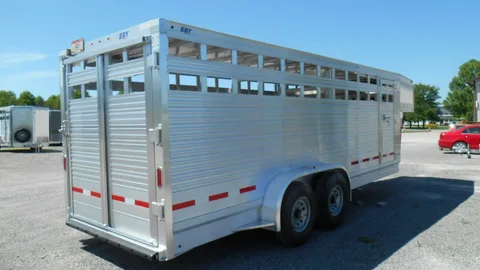
Transporting animals safely requires careful planning. Airflow is one of the most important factors. Poor ventilation can cause heat stress, breathing problems, and discomfort. Modern livestock trailer manufacturers understand these risks. They are using advanced technology to improve airflow and create safer transport environments. These improvements help animals stay calm and healthy during travel. They also help farmers meet welfare standards and reduce losses. Better ventilation is no longer optional. It is now a core part of trailer design.
How are livestock trailer manufacturers improving ventilation using modern technology?
Technology has changed how trailers manage airflow. New ventilation systems are designed with precision. They allow fresh air to enter while removing heat and moisture. This creates a stable and comfortable environment inside the trailer.
One key innovation is adjustable air vents. These vents can be opened or closed depending on weather conditions. Farmers can control airflow based on temperature, humidity, and travel distance. This flexibility improves animal comfort.
Some trailers also include forced ventilation systems. These systems use fans to move air evenly. This ensures consistent airflow, even when the trailer is stationary or moving slowly.
Why does proper airflow matter for animal health?
Animals produce heat and moisture. Without proper airflow, heat builds up quickly. This can lead to stress, dehydration, and illness. Good ventilation removes excess heat and keeps the air fresh.
Fresh air also reduces harmful gases. Ammonia and carbon dioxide can build up during transport. These gases can affect breathing and overall health. Proper airflow removes these gases and improves air quality.
Comfortable animals are calmer. Calm animals are less likely to get injured. This improves safety for both animals and handlers.
What ventilation technologies are used today?
Modern trailers use smart design features to improve airflow. One example is roof ventilation systems. These allow hot air to rise and escape naturally. This process keeps the interior cooler.
Sidewall vents are another important feature. They allow fresh air to enter at different levels. This creates balanced airflow throughout the trailer.
Some trailers also use aerodynamic designs. These designs improve natural airflow while the trailer is moving. Air flows smoothly through the structure. This improves cooling without extra energy use.
How do sensors and automation improve airflow?
Sensors are becoming more common in trailer systems. These sensors monitor temperature and humidity levels. They provide real-time information to farmers.
If conditions change, ventilation systems can be adjusted quickly. This prevents overheating and discomfort. Some systems can even adjust automatically. This reduces the need for constant manual checks.
Automation improves reliability. It ensures animals stay in a safe environment throughout the journey.
How does trailer design support natural ventilation?
Trailer structure plays a major role in airflow. Openings are placed carefully to maximise air movement. This creates natural circulation.
Interior layouts are also designed for airflow. Proper spacing allows air to move freely around animals. This prevents hot spots and improves comfort.
Materials also make a difference. Lightweight and heat-resistant materials reduce heat buildup. This helps maintain a stable internal temperature.
What are the benefits of improved ventilation for farmers?
Better ventilation improves animal welfare. Healthy animals perform better and recover faster after transport. This supports farm productivity.
Improved airflow also reduces stress. Less stress means fewer injuries and health issues. This lowers veterinary costs and losses.
Farmers also benefit from compliance with welfare standards. Proper ventilation helps meet transport regulations. This protects farmers from penalties and improves operational efficiency.
Conclusion
Ventilation plays a critical role in animal transport safety. Technology has made major improvements possible. Smart vents, sensors, and better designs have transformed trailer airflow. These features protect animal health and improve transport conditions. Modern livestock trailer manufacturers continue to focus on ventilation innovation. Their efforts help farmers transport animals safely and responsibly. Better airflow means better welfare, better outcomes, and greater peace of mind for everyone involved.