
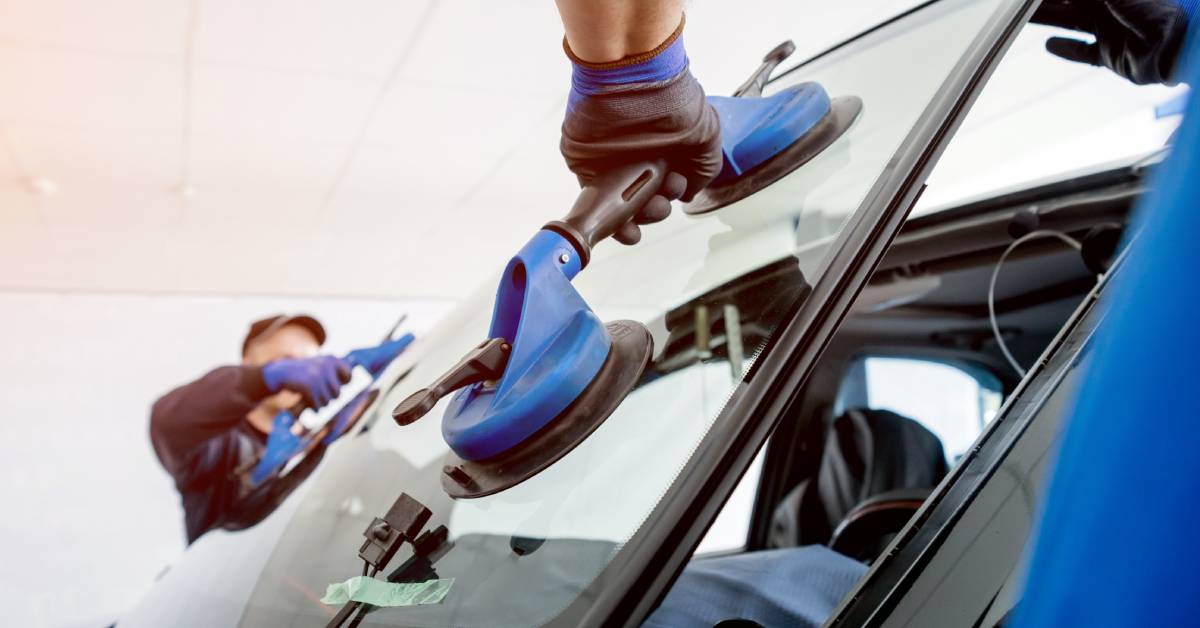
Car Glass Repair in Sydney: When to Repair and When to Replace
Driving conditions in Sydney can expose vehicles to a range of hazards, from loose gravel on motorways to sudden temperature changes and coastal air. These factors often lead to chipped, cracked, or weakened car glass. Understanding when car glass repair is sufficient and when full replacement is necessary helps maintain safety, visibility, and compliance with Australian road standards.
Common Causes of Car Glass Damage
Car glass damage typically occurs due to:
- Flying stones and road debris
- Sudden impact from minor accidents
- Extreme heat causing expansion and contraction
- Structural stress from poor installation or existing cracks
Even a small chip can quickly expand into a larger crack if left unattended. Temperature variations, particularly during hot summers, may worsen existing damage.
When Car Glass Repair Is Suitable
Repair is generally appropriate when:
- The chip or crack is smaller than a 20-cent coin
- The damage is not directly in the driver’s line of sight
- The crack is not at the edge of the windscreen
- There are no multiple cracks spreading outward
Modern repair techniques involve injecting a clear resin into the damaged area. The resin bonds with the glass, restoring structural integrity and preventing further spreading. In many cases, the repaired section becomes barely noticeable.
Repair is often quicker and more cost-effective than replacement, while still maintaining the windscreen’s strength.
When Car Glass Replacement Is Necessary
Replacement becomes necessary when:
- The crack is longer than 3–5 centimetres
- Damage obstructs the driver’s primary viewing area
- The crack reaches the edge of the windscreen
- There are multiple chips close together
- The glass is shattered or severely compromised
Windscreens contribute significantly to vehicle structural support, especially during collisions or airbag deployment. A severely damaged windscreen cannot provide adequate protection and may fail during impact.
Side windows and rear glass typically require replacement rather than repair because they are made from tempered glass, which shatters upon impact.
Safety and Legal Considerations
Australian road safety regulations require drivers to maintain clear visibility. Any damage that interferes with the driver’s view may result in a defect notice. Prompt assessment ensures compliance and reduces safety risks.
Ignoring minor damage increases the likelihood of sudden spreading, particularly when driving on uneven roads or during temperature shifts.
Preventative Measures
To reduce the risk of damage:
- Maintain safe distance from heavy vehicles
- Avoid driving directly behind trucks carrying loose materials
- Park in shaded areas during extreme heat
- Address minor chips promptly
Routine inspections help identify early signs of weakness before they escalate into costly replacements.
FAQs
1. How long does car glass repair take?
Most minor repairs take 30 to 60 minutes, depending on the extent of the damage.
2. Is it safe to drive immediately after a repair?
In many cases, driving is possible shortly after the resin cures, usually within an hour.
3. Will a repaired crack disappear completely?
The damage often becomes less visible, but slight marks may remain depending on the severity.
4. Can all windscreen chips be repaired?
Not all chips qualify for repair. Size, location, and depth determine whether replacement is required.
5. Does insurance cover car glass repair or replacement?
Many comprehensive car insurance policies include glass coverage, but terms vary. Checking the specific policy details is recommended.
Timely action plays a key role in maintaining safety and preventing further damage. Understanding the difference between repair and replacement ensures informed decisions and long-term vehicle reliability.