
Retractable Pergola: The Ultimate Guide to Modern Outdoor Living Solutions
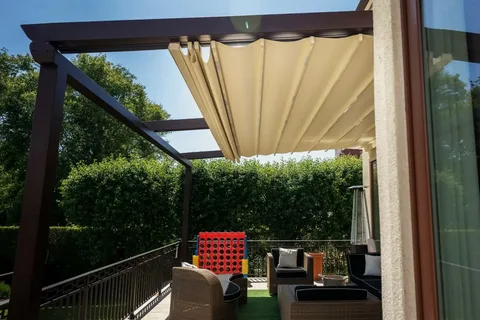
A retractable pergola has become one of the most sought-after outdoor living upgrades for homeowners who want flexibility, comfort, and style in their gardens, patios, or commercial spaces. Unlike fixed pergolas, a retractable pergola allows you to control sunlight, shade, and weather exposure with adjustable roofing systems making outdoor areas usable in almost any season.
This article explores what a retractable pergola is, its benefits, types, materials, installation considerations, and why it is becoming a key trend in modern architecture and landscape design.
What is a Retractable Pergola?
A retractable pergola is an outdoor structure designed with an adjustable roof system that can be opened or closed depending on weather conditions or user preference. The roof is typically made of durable fabric, aluminum panels, or louvered blades that slide, fold, or rotate.
Unlike traditional fixed pergolas, which offer permanent partial shade, retractable pergolas give users complete control over sunlight and ventilation. This adaptability makes them ideal for residential patios, rooftop lounges, pool areas, cafés, and restaurants.
Key Benefits of a Retractable Pergola
1. Adjustable Comfort and Shade
The biggest advantage is control. You can enjoy full sun in winter or open-air evenings, and then close the roof during hot summers or sudden rain. This flexibility improves year-round usability of outdoor spaces.
2. Weather Protection
High-quality retractable pergolas are designed to withstand rain, UV rays, and moderate wind conditions. Some advanced models even come with integrated drainage systems to prevent water buildup.
3. Energy Efficiency
By reducing direct sunlight entering adjacent indoor spaces, retractable pergolas help lower indoor cooling costs. This passive shading effect can improve energy efficiency in homes and commercial buildings.
4. Aesthetic Enhancement
Modern pergolas are designed with sleek architectural lines, making them a stylish addition to any property. They enhance outdoor aesthetics and can significantly boost property value.
5. Increased Property Usability
With a retractable system, patios and outdoor lounges are no longer restricted by weather conditions. This expands usable living or business space without major construction work.
Types of Retractable Pergolas
1. Fabric Retractable Pergolas
These use waterproof and UV-resistant fabric panels that slide or roll back. They are lightweight, cost-effective, and ideal for residential patios.
2. Louvered Roof Pergolas
These systems use adjustable aluminum slats that can rotate to control sunlight and ventilation. They are highly durable and offer a premium look.
3. Motorized Retractable Pergolas
Powered by remote control or smart home systems, these pergolas allow effortless operation. They often include sensors that automatically adjust based on weather conditions.
4. Manual Retractable Pergolas
These use hand-crank or sliding mechanisms. They are more affordable but require physical effort to adjust.
Best Materials Used in Retractable Pergolas
- Aluminum: Lightweight, rust-resistant, and highly durable. Most modern pergolas use powder-coated aluminum frames.
- Steel: Strong and suitable for heavy-duty installations, but requires anti-corrosion treatment.
- Wood: Offers a natural and traditional aesthetic but needs regular maintenance.
- Polycarbonate Panels: Used for semi-transparent roofing that allows filtered light while blocking UV rays.
Choosing the right material depends on climate, budget, and design preference.
Installation Considerations
Before installing a retractable pergola, several factors should be evaluated:
1. Location and Space
Measure the outdoor area carefully. Ensure enough clearance for roof movement and structural support.
2. Weather Conditions
If your region experiences heavy rain or strong winds, opt for reinforced aluminum systems with drainage features.
3. Manual vs Motorized
Motorized systems offer convenience but come at a higher cost. Manual systems are budget-friendly but less convenient.
4. Maintenance Requirements
Fabric roofs may require periodic cleaning or replacement, while aluminum systems need minimal maintenance.
5. Professional Installation
Proper installation ensures structural stability, safety, and long-term durability. Always consult experienced installers.
Design Trends in Retractable Pergolas
Modern outdoor design is shifting toward multifunctional and smart living spaces. Some emerging trends include:
- Smart Pergolas: Integrated with sensors for automatic rain or sunlight adjustment.
- LED Lighting Integration: Built-in lighting for nighttime ambiance.
- Outdoor Entertainment Systems: Speakers, heaters, and fans built into pergola structures.
- Biophilic Design: Combining pergolas with greenery, vertical gardens, and natural materials.
These innovations are transforming pergolas from simple shade structures into complete outdoor lifestyle hubs.
Who Should Consider a Retractable Pergola?
Retractable pergolas are ideal for:
- Homeowners looking to upgrade patios or backyard spaces
- Restaurants and cafés wanting flexible outdoor seating
- Hotels and resorts enhancing poolside or lounge areas
- Event venues requiring adaptable outdoor shelters
Anyone seeking a balance between open-air living and weather protection can benefit from this system.
Conclusion
A retractable pergola is more than just an outdoor shade structure—it is a modern lifestyle solution that combines comfort, flexibility, and design innovation. With the ability to adapt to changing weather conditions, it enhances outdoor usability throughout the year while adding significant aesthetic and functional value to any property.
As smart home and outdoor living trends continue to grow, retractable pergolas are becoming a key feature in both residential and commercial architecture. Whether you choose a manual fabric system or a fully automated louvered design, investing in a retractable pergola ensures a more enjoyable, versatile, and stylish outdoor experience.