
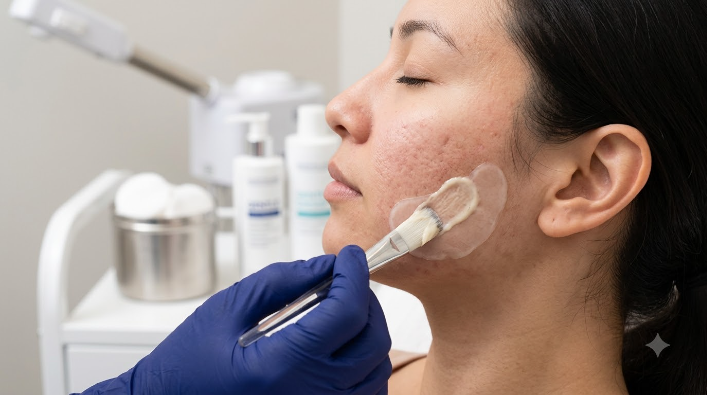
Healing Without Harm: Finding the Best Acne Scar Treatment for Sensitive Skin
Acne scars are difficult enough to treat on their own. When the skin is also sensitive, the challenge becomes considerably more nuanced. Many of the treatments commonly used for acne scarring involve controlled injury to the skin to stimulate collagen remodelling, and while these approaches are effective for resilient skin types, they can trigger prolonged redness, irritation, and post-inflammatory pigmentation in those whose skin reacts more intensely than average. Understanding the best acne scar treatment for sensitive skin requires looking beyond what works in general and focusing specifically on what works gently, progressively, and without compromising the skin barrier that sensitive skin already struggles to maintain.
Why Sensitive Skin Requires a Different Approach
Sensitive skin is characterised by a compromised or reactive skin barrier that responds disproportionately to external stimuli. Ingredients, procedures, and environmental factors that normal skin types tolerate without issue can trigger visible redness, burning, stinging, dryness, or breakouts in sensitive skin.
This reactivity creates a specific clinical challenge when treating acne scars. Aggressive resurfacing treatments that deliver fast results on resilient skin can cause significant post-procedural inflammation in sensitive skin, which not only extends recovery time but can worsen pigmentation and create new concerns in addition to the original scarring.
The most effective strategy for sensitive skin is a staged, low-aggression approach that prioritises skin barrier health throughout the treatment journey rather than chasing rapid results at the expense of comfort and safety.
Treatments That Work Well for Sensitive Skin
Not every acne scar treatment is unsuitable for sensitive skin. Several effective options are well tolerated when selected carefully and applied at appropriate intensities:
- Low-concentration chemical peels using gentle acids such as mandelic acid or lactic acid that improve skin texture and stimulate collagen production with a lower irritation profile than stronger alpha hydroxy acids or TCA peels.
- Microneedling at conservative depths triggers controlled collagen stimulation without the level of thermal or chemical aggression associated with laser resurfacing, making it one of the more compatible options for sensitive skin when performed by an experienced practitioner.
- Polynucleotide and skin booster injections that improve skin hydration, elasticity, and overall quality from within, supporting the skin’s structural capacity to reduce the visible appearance of shallow scarring over time.
- Topical retinoids at low concentrations are introduced gradually into a skincare routine to promote cell turnover and collagen synthesis without the irritation that higher concentrations cause in reactive skin types.
- LED light therapy which uses specific wavelengths of red and near-infrared light to reduce inflammation, support wound healing, and stimulate collagen production with no thermal damage and virtually no risk of irritation.
What to Avoid With Sensitive Skin
High-Intensity Laser Resurfacing
Ablative laser treatments deliver impressive results for acne scarring on resilient skin but carry a significant risk of prolonged redness, hyperpigmentation, and barrier disruption in sensitive skin types. Even fractional laser options should be approached with considerable caution and only considered after thorough skin preparation and a conservative test patch protocol.
Strong Chemical Peels
Medium and deep chemical peels using trichloroacetic acid or phenol generate a controlled wound response that sensitive skin handles poorly. The resulting inflammation can trigger post-inflammatory hyperpigmentation that is more visible and persistent than the original scarring.
Over-Layering Active Ingredients at Home
A common mistake among people treating acne scars at home is combining multiple active ingredients simultaneously. Retinoids, vitamin C, AHAs, and niacinamide each offer individual benefit, but layering several high-concentration actives at once overwhelms a sensitive skin barrier and causes the kind of inflammation that worsens scarring rather than improving it.
Building a Treatment Plan That Works
The most successful outcomes for sensitive skin acne scarring come from a thoughtfully sequenced plan rather than isolated treatments. A qualified skin clinician or dermatologist will typically recommend:
- Stabilising the skin barrier first before any active treatment begins, using a gentle cleanser, a ceramide-rich moisturiser, and consistent sunscreen application to bring the skin into a calm and receptive state.
- Introducing treatments progressively starting with the least aggressive options and advancing only when the skin demonstrates tolerance, rather than beginning at the highest intensity available.
- Spacing sessions appropriately to allow full recovery and collagen maturation between treatments, which is particularly important for sensitive skin that requires longer intervals than average.
- Supporting recovery with barrier-focused skincare between clinic sessions, including ingredients such as niacinamide, hyaluronic acid, and centella asiatica that calm, hydrate, and protect reactive skin.
Final Thoughts
Sensitive skin and acne scarring together require patience, clinical expertise, and a treatment philosophy built around the skin’s tolerance rather than the fastest possible result. The best acne scar treatment for sensitive skin is not a single procedure but a carefully considered plan that works with the skin’s natural capacity to heal and rebuild. Consult a qualified skin professional, prioritise barrier health from the outset, and trust a gradual process that delivers lasting improvement without putting sensitive skin through unnecessary stress.