
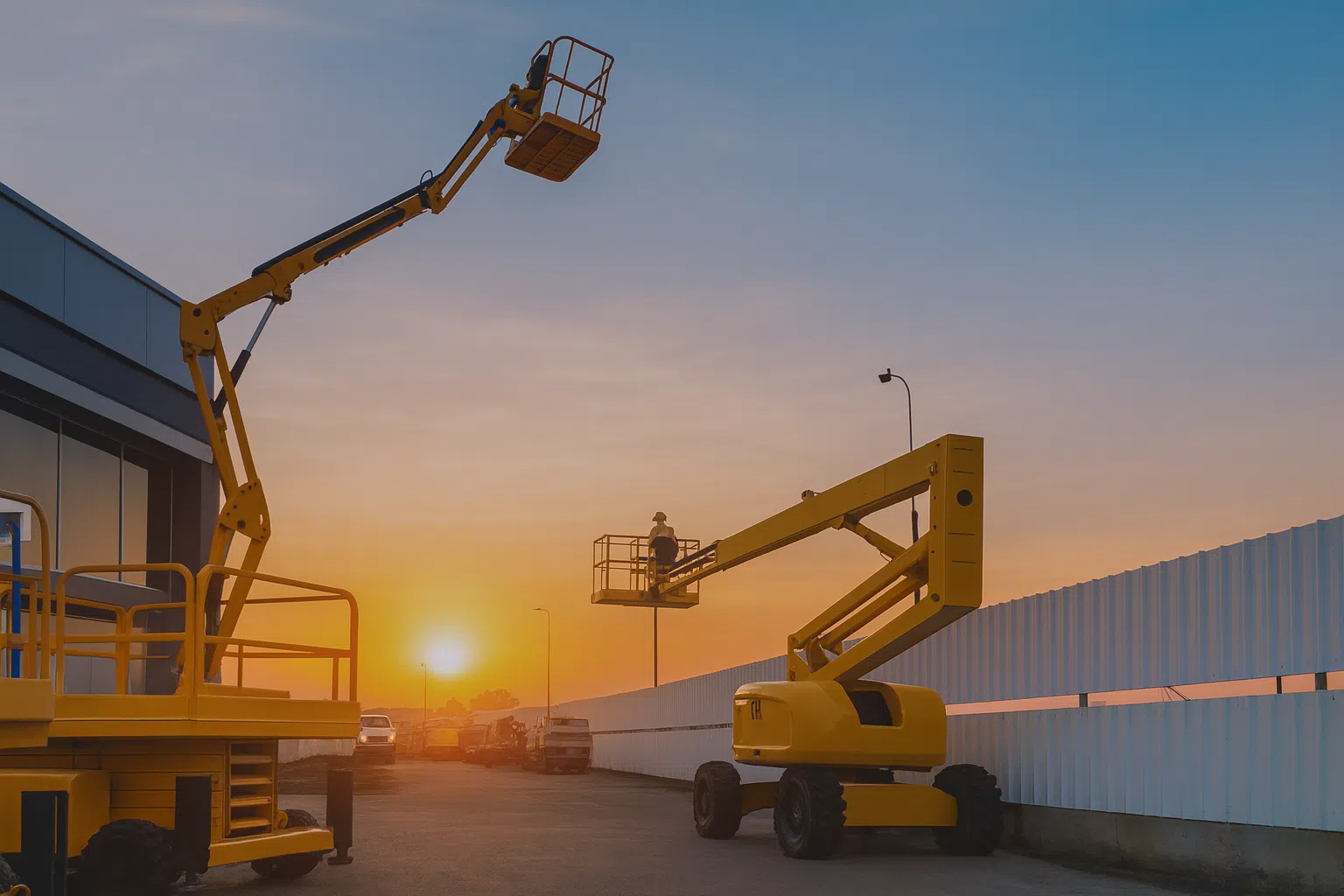
Working at height is part of daily life on many job sites, from fitting ceiling services to cleaning facades and painting warehouse walls. Ladders and scaffolding have their place, but they can be slow and risky for repeat tasks. That is why Scissor Lift Hire in Sydney has become a popular choice for contractors, facility managers and maintenance crews who want a stable platform without the cost of buying one. This guide explains how to pick the right machine, what to check before you book and how to keep your team safe.
What Is a Scissor Lift and When Should You Use One?
A scissor lift raises a flat platform straight up using a folding steel frame. The platform is wide enough for several workers and their tools, so jobs move faster and fewer trips up and down are needed. Because the lift travels vertically, it works best when the task sits directly above you.
Common uses include:
- Installing lighting, ducting and sprinkler systems
- Painting and plastering ceilings
- Inspecting warehouse racking and doing stocktakes
- Fitting signage and carrying out building maintenance
- Cleaning windows and facades
Electric or Diesel: Which Power Type Suits Your Site?
The power source is one of the biggest decisions you will make, and it comes down to where you are working.
Electric scissor lift hire suits indoor jobs. These machines run quietly and produce no exhaust fumes. Many have non-marking tyres that protect polished floors, which makes them ideal for shopping centres, offices, factories and schools. They work best on flat, smooth surfaces and need charging between shifts.
Diesel scissor lift hire is built for outdoor conditions. Larger tyres, higher ground clearance and four-wheel drive let these machines handle gravel, grass and uneven ground that would stop an electric model. The trade-off is noise and emissions, so they are not suitable for enclosed spaces.
How High Do You Really Need to Go?
Measure the height of the task before you choose a model. Working height is usually about two metres more than the platform height because a worker can reach upward from the deck. A compact machine with a working range of six to eight metres covers most indoor tasks. Larger models reach well past fifteen metres for tall warehouses and outdoor work.
Do not forget capacity. Check the maximum platform load, including workers, tools and materials, and make sure your total stays well within the limit.
Is a Scissor Lift Always the Best Option?
Not always. Some jobs call for a different type of access equipment.
- Scissor lifts: Best for large platform space, heavier loads and straight vertical lifts
- Vertical mast lifts: Suited to narrow aisles and tight indoor spaces where a smaller footprint matters
- Boom lifts: Better when you need to reach over or around obstacles
Vertical lift hire is a smart pick for single-person tasks in confined areas, such as changing lights between racking. Knuckle boom lift hire makes more sense when the work area is blocked from below, for example when reaching over machinery or around the edge of a building. Describe your task to the supplier and they can point you to the machine that fits.
What Should You Check Before You Book?
A few quick questions can save you time and money. Before you confirm, ask yourself:
- What is the maximum working height I need?
- Will the machine be used indoors or outdoors?
- How firm and level is the ground?
- Can the machine fit through doors, lifts and gates?
- How long do I need it for?
Write down the answers and share them when you enquire. The more detail you provide, the easier it is to get an accurate recommendation and a fair quote.
Do You Need a Licence to Operate One?
This is a common question, and the answer depends on the machine. In New South Wales, a high risk work licence is generally required for boom-type platforms with a boom length of 11 metres or more. Scissor lifts do not usually fall into that category, but operators still need proper training, a site induction and familiarisation with the specific model. Rules can change, so confirm the current requirements with your supplier and your workplace health and safety adviser before work begins.
Safety Tips for Working at Height
Elevated work platforms are safe when used properly, but mistakes can have serious consequences. Keep these habits in place on every job:
- Inspect the machine at the start of each shift
- Check that the ground is firm, level and free of holes or debris
- Keep the platform gates closed and stay inside the guardrails
- Never overload the platform or use it as a crane
- Set up exclusion zones so people are not walking underneath
- Stop work in strong winds or wet conditions when outdoors
A quick toolbox talk each morning helps everyone stay alert and aware of the hazards around them.
Planning Delivery, Costs and Hire Length
Heavy equipment needs a safe route in and a safe place to unload. Share details such as gate width, slope and floor strength early so delivery runs smoothly. If the machine is going inside a building, check the floor loading limits and door heights.
Pricing usually depends on machine size, hire period and delivery distance. Weekly rates often work out cheaper per day than short hire, so it pays to plan your schedule. Ask what is included and what is extra, such as charging, fuel, cleaning and collection, so there are no surprises on the invoice.
Final Thoughts
The right machine makes work faster, safer and less stressful. Think about your height requirements, ground conditions and power type, and compare lifts against other access options before you decide. With good planning, Scissor Lift Hire in Sydney can help your crew finish the job efficiently and safely, whether you are working in a warehouse or on an open site.
 Steven