

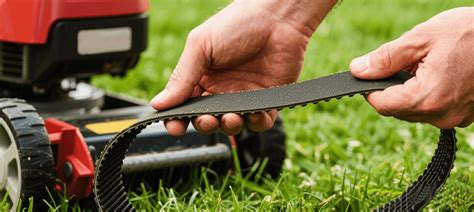
A mower that starts normally but struggles to cut grass may have a problem with its cutting deck drive system. On many ride-on and selected walk-behind mowers, a belt transfers power to the cutting blades. When that belt becomes worn, damaged or incorrectly tensioned, mowing performance can suffer.
Understanding how a lawn mower blade belt works can help Australian mower owners identify potential faults, avoid unnecessary repairs and maintain reliable cutting performance.
What Does a Lawn Mower Blade Belt Do?
A blade drive belt transfers rotational power from the engine’s drive pulley to the cutting deck pulleys on compatible lawn mowers.
As the pulleys rotate, the belt helps drive the spindle assemblies connected to the cutting blades.
This arrangement is commonly found on ride-on mowers, lawn tractors and certain other belt-driven cutting systems.
However, not every mower uses a blade belt. Many conventional push mowers have blades connected directly to the engine or motor shaft.
Before purchasing replacement components, confirm how your particular mower operates.
Five Warning Signs of a Worn Blade Belt
Belt problems can develop gradually or appear suddenly, particularly after prolonged operation or contact with debris.
1. Blades Stop Rotating
If the engine operates but the cutting blades fail to engage, a broken or displaced belt may be responsible.
However, faults involving the blade engagement mechanism, pulleys or other drive components can produce similar symptoms.
2. Squealing During Blade Engagement
A squealing sound may indicate belt slippage, incorrect tension or a pulley problem.
Unusual noises should be investigated rather than ignored.
3. Uneven Cutting Performance
A slipping belt may prevent the cutting system from operating as intended.
However, uneven mowing can also result from dull blades, incorrect deck height or damaged spindle components.
4. Visible Cracks or Fraying
Cracks, exposed reinforcement fibres, missing belt material and damaged edges are clear signs that replacement may be necessary.
5. Excessive Heat or Burning Smell
A slipping belt can generate friction and heat.
If a burning smell develops, stop operating the mower and arrange an inspection before further use.
Why Do Mower Blade Belts Wear Out?
Several factors can contribute to premature belt failure.
| Potential cause | Possible effect |
| Incorrect belt tension | Slipping or excessive loading |
| Worn pulley bearings | Increased friction and belt wear |
| Misaligned pulleys | Edge damage and uneven wear |
| Grass and debris accumulation | Restricted movement or interference |
| Incorrect replacement belt | Poor engagement or premature failure |
| Normal operating wear | Gradual deterioration over time |
Australian conditions can add to maintenance demands, particularly where mowing involves heavy grass growth, dust or frequent operation.
Regular inspections help identify problems before they result in unexpected downtime.
How to Maintain Your Mower’s Blade Drive System
Good maintenance involves more than checking the belt itself.
Inspect the Belt Regularly
Follow the inspection intervals in the mower’s operator manual.
Look for cracking, glazing, fraying and unusual wear patterns.
Keep the Cutting Deck Clean
Grass clippings and debris can accumulate around pulleys and belt guards.
Remove build-up according to the manufacturer’s cleaning instructions, ensuring the mower is fully shut down and safely isolated beforehand.
Check Pulleys and Tensioning Components
Worn bearings, damaged pulleys and faulty tensioners may shorten belt life.
These components should be inspected when abnormal noises or repeated belt failures occur.
Avoid Unauthorised Tension Adjustments
Some mower systems use automatic or spring-loaded belt tensioners.
Attempting to adjust these incorrectly may damage the drive system.
Follow the manufacturer’s instructions or seek qualified servicing assistance.
Choosing the Correct Replacement Belt
When purchasing a lawn mower blade belt, compatibility should take priority over price.
Belts that appear similar may differ in length, cross-section, construction and intended operating load.
Before ordering, check:
- The mower’s manufacturer and model number.
- Cutting deck size and identification details.
- Original replacement part number.
- Belt profile and specifications.
- Compatibility with the pulley and tensioning system.
Do not assume a general-purpose industrial belt is suitable for a mower’s blade drive system.
Use a replacement that meets the equipment manufacturer’s requirements.
Can You Replace a Blade Belt Yourself?
Replacement procedures vary considerably between mower models.
Some machines require removal of belt guards or cutting deck components, while others involve more complex access arrangements.
Before attempting maintenance, switch off the engine, remove the ignition key where applicable, isolate the power source and follow all manufacturer safety instructions.
Moving blades, stored spring tension and hot components can present serious hazards.
If the procedure is unclear, professional servicing is the safer option.
Frequently Asked Questions
How long does a mower blade belt last?
There is no universal lifespan. Durability depends on operating hours, belt quality, maintenance and mowing conditions. Replace the belt when inspection or manufacturer guidance indicates it is necessary.
Can a loose belt damage a mower?
Yes. Excessive slippage may generate heat, accelerate wear and affect cutting performance. The underlying cause should be identified before further operation.
Why does my mower keep breaking belts?
Repeated failures may indicate pulley misalignment, damaged bearings, incorrect tension or an unsuitable replacement belt.
Keep Your Cutting Deck Operating Reliably
A properly functioning lawn mower blade belt supports consistent blade operation on compatible mowing equipment.
Recognising early wear, checking related drive components and selecting the correct replacement can help prevent avoidable breakdowns.
For reliable results, follow the mower manufacturer’s maintenance schedule and address unusual noises or performance changes promptly.