

Choosing the right natural stone can transform the appearance of a residential or commercial space. Homeowners, architects, and interior designers often look for materials that offer a balance of beauty, durability, and versatility. Natural stone remains a popular option because of its unique patterns, attractive textures, and ability to complement different architectural styles.
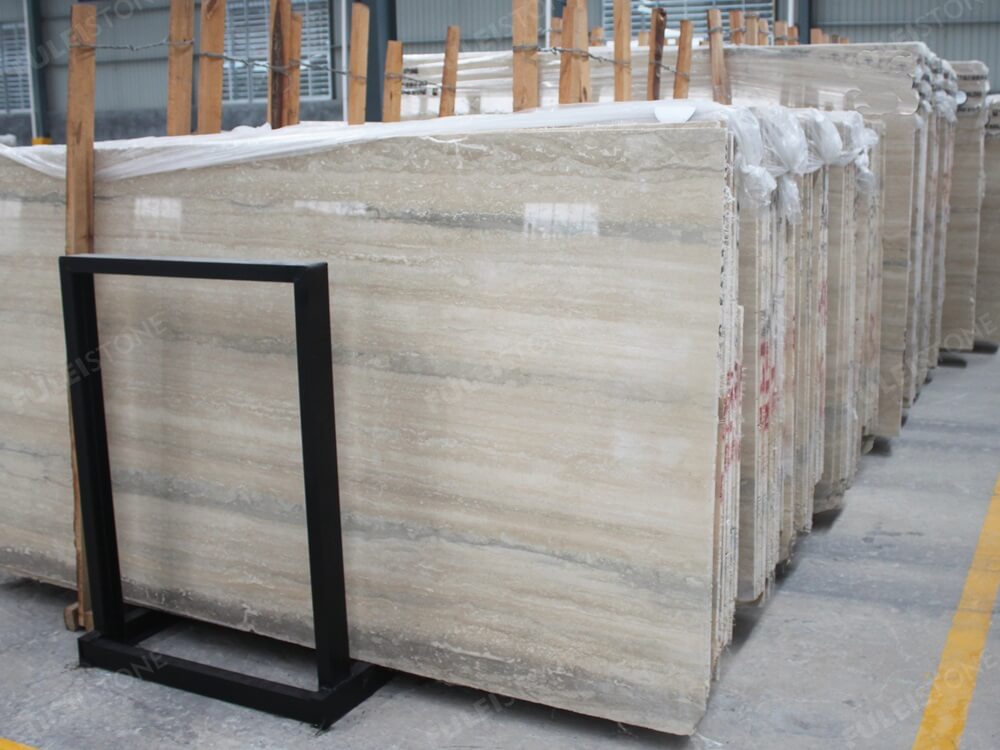
Travertine slabs are known for their warm colours, distinctive natural patterns, and timeless appearance. They can be incorporated into various areas, including kitchens, bathrooms, living rooms, flooring, and decorative walls. Their natural characteristics make them suitable for both traditional and contemporary interiors.
Before selecting natural stone for a construction or renovation project, it is important to understand its features, benefits, applications, finishes, and maintenance requirements. This guide explores why travertine is worth considering and how it can enhance different spaces.
What Is Travertine?
Travertine is a type of sedimentary limestone formed through the accumulation of calcium carbonate deposits, commonly around mineral springs and limestone caves. Over thousands of years, these deposits develop into natural stone with distinctive textures and patterns.
One of its most recognisable characteristics is its porous structure. Small holes and natural openings form during the stone’s development, giving it an appearance that differs from many other natural materials.
Travertine is available in several natural shades, including:
- Beige and cream
- Ivory and light brown
- Walnut and dark brown
- Silver and grey
- Golden and earthy tones
These colour variations make it suitable for different interior design preferences.
What Makes Travertine a Popular Natural Stone?
Natural stone offers several advantages for property owners looking to create attractive and functional spaces.
Unique Natural Appearance
One of the main reasons people choose travertine is its distinctive appearance. Each piece features natural colour variations, subtle veining, and individual surface characteristics.
Unlike manufactured surfaces with repetitive patterns, natural stone offers a unique finish. These variations can create visual interest and add warmth to residential and commercial interiors.
Its neutral shades also work well with wooden furniture, glass features, metal finishes, and contemporary decorative elements.
Versatile Design Applications
Travertine can be incorporated into several areas of a property. Its natural appearance complements different architectural styles, making it suitable for both large renovation projects and smaller decorative installations.
Common applications include kitchen benchtops, bathroom vanities, wall cladding, flooring, fireplaces, and feature walls.
Selecting the right thickness, finish, and installation method helps ensure that the material suits its intended purpose.
Different Surface Finishes
Another advantage of this natural material is the availability of different finishes. Each finish creates a distinct appearance and offers different practical characteristics.
Some popular options include:
- Honed finish: A smooth, matte surface that provides a subtle and understated appearance.
- Polished finish: A smoother, reflective surface that highlights the stone’s natural colours.
- Tumbled finish: A rustic appearance with softer edges and an aged character.
- Brushed finish: A textured surface that creates a natural, slightly weathered look.
The right finish should depend on the location, design requirements, cleaning expectations, and slip-resistance needs.
Suitable for Residential and Commercial Interiors
Travertine can be used in different property types, including houses, apartments, hotels, restaurants, offices, and retail spaces.
It can create attractive entrance areas, reception walls, bathroom features, and decorative flooring.
For commercial environments, it is important to consider foot traffic, potential staining, cleaning requirements, and the suitability of the selected finish.
Long-Term Value With Proper Maintenance
Natural stone can remain attractive for many years when it is correctly selected, installed, and maintained.
Appropriate sealing helps reduce moisture absorption and staining. Regular cleaning and timely maintenance also help preserve the stone’s original appearance.
However, travertine is not maintenance-free. Its porous structure requires suitable care, especially in areas exposed to moisture, food spills, and frequent use.
Where Can You Use Travertine in Your Home?
Understanding different applications can help homeowners choose the right natural stone for their projects.
Kitchen Benchtops and Splashbacks
Travertine can introduce natural warmth and character into kitchen interiors. It may be considered for benchtops, splashbacks, and decorative kitchen features.
However, kitchen surfaces are regularly exposed to food, liquids, and cleaning products. Proper sealing is important, and acidic substances such as lemon juice and vinegar should be cleaned promptly because they can damage calcium-based stone.
Using chopping boards and heat-resistant mats can also help protect the surface.
Bathroom Walls and Vanities
The natural colours and textures of travertine can create a relaxing and elegant bathroom environment.
It can be used for vanity surfaces, feature walls, and suitable flooring applications. Since bathrooms experience regular moisture exposure, correct waterproofing, sealing, drainage, and installation are essential.
For shower floors and other wet areas, the selected finish should also provide appropriate slip resistance.
Living Room Flooring
Natural stone flooring can add warmth and sophistication to living rooms, hallways, and selected interior spaces.
Its earthy shades work well with neutral furniture, natural lighting, and minimalist decorations.
Before installation, consider the expected foot traffic, surface finish, and cleaning requirements.
Feature Walls and Fireplaces
Feature walls can create a focal point in any interior. Travertine offers natural patterns and textures that can enhance fireplaces, entrance areas, and living room designs.
It can also complement other materials such as timber, glass, and metal.
How to Maintain Travertine Surfaces
Proper maintenance is essential for keeping natural stone clean and attractive.
Follow these simple recommendations:
- Use a pH-neutral cleaner specifically designed for natural stone.
- Avoid acidic cleaning products, including vinegar and lemon-based solutions.
- Wipe spills promptly to reduce staining risks.
- Clean surfaces with a soft cloth or non-abrasive sponge.
- Apply a suitable stone sealer according to professional recommendations.
- Avoid placing hot cookware directly on the surface.
- Arrange professional cleaning if stubborn stains or surface damage develop.
The frequency of sealing depends on the stone, finish, application, and sealer used. Following the manufacturer’s recommendations can help maintain its condition.
What Should You Consider Before Buying Natural Stone?
Selecting natural stone requires careful consideration of several factors.
Inspect the Stone Quality
Examine the material for cracks, surface openings, colour variations, and other natural characteristics. Since every piece is different, viewing the actual material before purchasing can help avoid unexpected design differences.
Choose the Appropriate Finish
Consider whether a honed, polished, brushed, or tumbled finish is suitable for the intended application. Think about appearance, cleaning, maintenance, and safety requirements.
Understand Installation Requirements
Natural stone installation requires proper surface preparation, handling, adhesives, and sealing. Experienced installers can help achieve a suitable finish and reduce the risk of installation problems.
Compare Overall Project Costs
The total cost may include material selection, cutting, transportation, installation, sealing, and future maintenance. Comparing these expenses helps homeowners prepare a realistic renovation budget.
Frequently Asked Questions
Are travertine surfaces suitable for modern homes?
Yes. Their natural colours, distinctive patterns, and different finishes make them suitable for contemporary, traditional, and minimalist interiors.
Are Travertine slabs durable?
Yes, they can provide good durability when properly selected, installed, and maintained. Their performance depends on stone quality, finish, location, and usage.
Does travertine require regular sealing?
Sealing is generally recommended because the stone is porous and may absorb liquids. The frequency depends on the application and the type of sealer used.
Can travertine be used in bathrooms?
Yes. It can be used for bathroom walls, vanity surfaces, and suitable flooring applications. Proper waterproofing, sealing, drainage, and slip-resistance considerations are important.
What colours are available?
Common colours include beige, cream, ivory, walnut, brown, silver, and grey. Natural variations make each piece visually distinctive.
Conclusion
Natural stone is an excellent option for adding warmth, elegance, and character to residential and commercial spaces. Its distinctive patterns, earthy colours, and versatile applications make it suitable for several interior design projects.
Travertine slabs can be considered for kitchen surfaces, bathroom features, flooring, decorative walls, and fireplaces. Before making a selection, evaluate the material quality, surface finish, installation requirements, and maintenance needs. With suitable planning, professional installation, and regular care, this natural material can remain an attractive feature of a property for many years.
 Steven