Category Archive : All Blogs

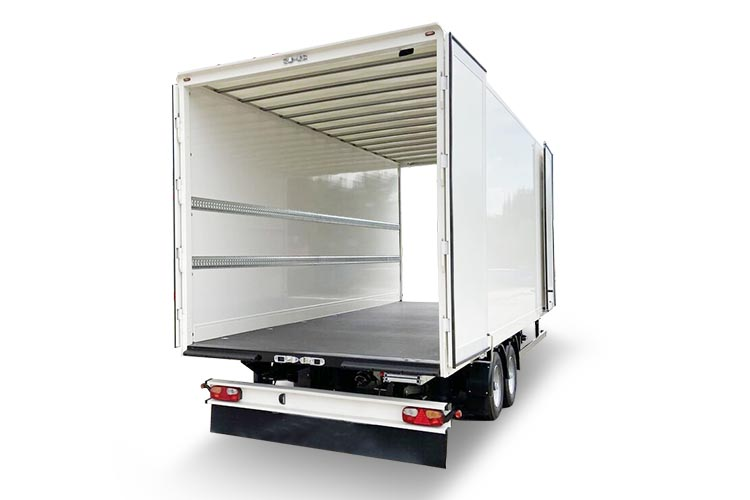
Box Trailers for Sale in Penrith: A Guide to Choosing the Right Trailer

Box trailers are practical for transporting tools, equipment, furniture, gardening supplies, and other everyday loads. Whether you need a trailer for household projects, landscaping, business deliveries, or weekend tasks, choosing the right size and configuration can make transporting goods easier. If you are looking for box trailers for sale in Penrith, understanding trailer capacity, construction quality, storage requirements, and towing compatibility can help you make a suitable choice.

Understanding Different Types of Box Trailers

Box trailers are available in a range of sizes and designs to suit different transportation requirements. Smaller models can be useful for household tasks, garden waste, and occasional trips, while larger trailers may be better suited to tradespeople and businesses transporting tools or equipment.

Single-axle trailers are often suitable for lighter loads, whereas tandem-axle models may accommodate heavier loads when their specifications allow. Buyers should consider the trailer’s dimensions, payload capacity, and intended purpose before selecting a model.

Key Features to Consider When Buying a Box Trailer

Durable Construction

A sturdy frame and quality materials are important for regular trailer use. Galvanised steel is a popular option because its protective coating helps resist corrosion. Check the chassis, welds, drawbar, floor, and side panels to assess the trailer’s overall construction.

Choosing a well-built trailer and maintaining it regularly can help support long-term performance.

Size and Load Capacity

Selecting the correct size helps ensure the trailer can accommodate your usual loads. A compact trailer may be suitable for garden supplies and small household items, while a larger model can provide additional room for equipment and bulky materials.

Always check the rated payload, aggregate trailer mass (ATM), and gross trailer mass (GTM). The total weight must remain within the trailer’s limits, and the towing vehicle must be suitable for the loaded combination.

Additional Practical Features

Depending on your requirements, useful features may include removable sides, a jockey wheel, tie-down points, a spare wheel, and a cage attachment. These additions can improve convenience when transporting different types of loads.

Consider which features you will use regularly rather than paying for unnecessary extras.

Finding Box Trailers for Sale in Penrith

When comparing box trailers for sale in Penrith, consider your typical workload, storage space, towing vehicle, and budget. Local trailer suppliers may offer different sizes and configurations, allowing buyers to compare models and find a suitable option.

Ask about warranty coverage, servicing, registration requirements, and the availability of replacement parts. Before purchasing a new or used trailer, inspect its condition and verify that it meets applicable NSW registration and identification requirements.

Trailer Maintenance and Road Safety

Regular maintenance helps keep your trailer in good condition. Check the tyres, lights, wheel bearings, coupling, safety chains, and brakes where fitted before travelling. Inspect the frame and floor for damage or corrosion, and ensure the load is distributed evenly and securely restrained.

Cleaning the trailer after use and following the manufacturer’s maintenance recommendations can help reduce wear and identify potential issues early.

Choosing the Right Trailer for Your Needs

A suitable box trailer can make everyday transportation easier, whether you are moving furniture, carrying garden waste, or transporting work equipment. Comparing construction quality, capacity, dimensions, and useful accessories can help you make a practical investment.

If you are searching for box trailers for sale in Penrith, take time to compare available models and confirm that your preferred trailer matches your load requirements and towing setup. A well-informed choice can provide convenience, versatility, and dependable service for years to come.


Duel Ready: A Practical Guide to Starting Your Yu-Gi-Oh! Journey

Few card games deliver the same rush as a well-timed trap or a surprise summon that flips the whole match. If you’ve been watching duels with curiosity, the Yugioh TCG is a great place to jump in. It rewards quick thinking, clever combinations and a love of dramatic comebacks, and you don’t need years of experience to enjoy it.

How Does a Duel Actually Work?

Each player begins with 8,000 life points and a deck of monsters, spells and traps. The goal is simple: reduce your opponent’s life points to zero, or win through a special condition. Turns follow a clear structure, so once you learn the basic phases, the flow becomes second nature. What makes duels exciting is the interaction, since you can often respond during your opponent’s turn.

Understanding the Main Card Types

Knowing what each card does makes deck building far easier.

  • Monsters: Your attackers and defenders, ranging from simple creatures to powerful special summons.
  • Spells: Flexible effects that boost your side or disrupt your opponent.
  • Traps: Face-down surprises that activate at just the right moment.

A balanced deck usually blends all three, giving you options whatever your opponent throws at you.

Where Should Beginners Start?

A Yugioh Starter deck is the easiest entry point because it arrives ready to play. It typically comes with a focused strategy, a playmat or guide, and enough cards to begin duelling straight away. You’ll learn how the game flows without worrying about building from scratch. Once you’ve played a few matches, you’ll know whether you prefer aggressive beatdown, tricky control or fast combo play.

What Do Booster Packs Add?

When you’re ready to customise, a Yugioh Booster is the natural next step. Each pack offers a mix of cards, with the chance of rarer foil treatments and powerful new options. Opening packs is exciting, but it helps to be selective. Choose sets that match your strategy, and use duplicates for trading with friends instead of letting them gather dust.

Why Is a Deck Box Worth Buying?

It might seem like a minor accessory, but a good deck box is one of the smartest early purchases. It keeps your cards together, prevents bent corners and makes travelling to game nights stress-free. Look for one with enough room for your main deck, extra deck and a few sleeved side cards. Pair it with quality sleeves and you’ll protect your favourite cards for years.

How Can You Improve Faster?

Progress comes from practice and curiosity rather than expensive purchases. Try these habits:

  1. Play regularly, even if only casual matches at home.
  2. Read each card carefully before activating effects.
  3. Note which cards you rarely use and swap them out.
  4. Watch experienced players explain their decisions.
  5. Ask opponents about interesting plays after each match.

Common Beginner Mistakes to Avoid

  • Packing the deck with too many different strategies.
  • Ignoring the card text and assuming effects work a certain way.
  • Overspending before learning what you enjoy.
  • Leaving cards unsleeved, which leads to wear.

Finding Your Duelling Community

The game is far more enjoyable with others. Local hobby stores and community groups often host casual nights where newcomers are welcome. Playing different opponents exposes you to new strategies, and fellow duellists are usually happy to share tips, trade cards and help you refine your deck.

Final Thoughts

Every great duellist started with a single deck and plenty of questions. Take your time, learn the basics and build gradually around the cards you genuinely enjoy. With a solid start and a love for the game, the Yugioh TCG can offer years of creative strategy, friendly competition and unforgettable moments at the table.

Why More Australian Worksites Are Getting Their Fuel Brought to Them

When a crane, excavator or generator runs dry, the whole job can grind to a halt. Sending someone to the servo with a handful of jerry cans wastes time and creates safety risks. That is why many builders, farmers and depot managers now rely on Onsite Diesel Delivery to keep machines working while their crews stay focused on the task at hand.


The Hidden Cost of Running Short

Fuel runs are easy to overlook because they seem like part of the day. In reality, every trip to a service station means a worker off the tools, a vehicle out of action and a queue to wait in. When equipment is hired by the hour, idle time costs real money.

A mobile tanker solves this by filling machinery exactly where it sits. There is no travelling, no lifting heavy containers and far less chance of a spill in the back of a ute.


Who Gets the Most Out of It?

Almost any operation burning diesel in volume can benefit, but it suits some industries particularly well:

  • Construction and civil projects with machines spread across large sites
  • Farms and agricultural contractors working through planting and harvest
  • Mining, quarrying and earthmoving operations running long shifts
  • Transport depots managing a busy fleet overnight
  • Businesses that depend on backup generators during outages


Is Bulk Diesel Delivery Safe?

Yes, when it is done properly. Diesel is less volatile than petrol, but it still needs careful handling. Reputable suppliers use trained drivers, compliant tankers and spill response equipment, and they follow the environmental and workplace safety rules that apply in your state or territory.

On your side, keep the area around tanks clear, make sure access is safe for a heavy vehicle, and store fuel in approved containers or tanks. These simple habits protect your people, your equipment and the surrounding environment.

Getting Better Results From Your Supply

Convenience is only the start. A little planning turns delivery into a genuine cost saver.

When you schedule Onsite Diesel Delivery on a regular rhythm rather than ordering in a panic, you can spot trends in usage, avoid emergency call-out costs and often negotiate better pricing on larger, predictable orders.

A few habits help:

  • Check tank levels weekly so refills are never urgent
  • Group machines near the fill point to speed up the process
  • Keep delivery dockets organised for fuel tax credit claims and bookkeeping
  • Watch for sudden jumps in consumption, which can point to leaks or theft


What Should You Ask Before Booking?

Not all suppliers operate the same way, so a few questions upfront can save headaches later:

  • Is the fuel supplied to current Australian quality standards?
  • Are deliveries metered, with a clear docket provided each time?
  • What are the minimum order sizes and typical delivery windows?
  • Can they respond quickly if you run low unexpectedly?
  • How do they manage spills, safety and environmental controls?

Clear answers to these questions usually reveal how professional and reliable a supplier really is.


Keeping Your Equipment Moving

Downtime is expensive, and fuel logistics are one of the easiest areas to improve. Moving to Onsite Diesel Delivery frees up your team’s time, reduces safety risks and gives you a steadier handle on fuel spending.

Start by reviewing how much diesel your operation uses each week and how much labour goes into collecting it. Once you see those numbers side by side, the case for change is usually obvious, and your crew can get back to doing the work they were hired to do.

Marble Grinding and Polishing: A Complete Guide to Restoring Natural Stone

Marble floors and surfaces can gradually lose their original appearance through everyday use. Foot traffic, abrasive particles, accidental spills and unsuitable cleaning products may leave visible scratches, dull patches or uneven finishes. While routine cleaning removes surface dirt, it cannot correct physical damage to the stone.

Marble grinding and polishing addresses these problems by mechanically refining the surface. When performed correctly, the process can improve smoothness, reduce visible imperfections and restore the desired finish without replacing structurally sound marble.

When Does Marble Need Grinding or Polishing?

Not every worn marble surface requires extensive restoration. The appropriate treatment depends on the type and severity of deterioration.

Common signs that professional attention may be necessary include:

  • Deep scratches caused by furniture movement or abrasive debris
  • Uneven marble tiles or noticeable differences between adjoining edges
  • Dull areas resulting from repeated foot traffic
  • Etching caused by acidic liquids or unsuitable cleaning chemicals
  • Surface wear that remains visible after thorough cleaning
  • Inconsistent gloss across larger floor areas

An assessment helps determine whether grinding, honing or polishing alone will produce the required result.

Understanding the Marble Grinding Process

Grinding is a mechanical treatment used to remove a controlled amount of material from the marble surface.

It is generally reserved for more substantial imperfections, including deep scratches, uneven tile edges and significant surface deterioration.

Initial Surface Assessment

Before grinding begins, the stone is examined for cracks, loose tiles, previous repairs and variations in thickness.

The technician also considers the existing finish and whether the marble can safely withstand abrasive treatment.

Diamond Grinding

Specialised equipment fitted with diamond abrasives is used to remove surface irregularities.

Coarser abrasives may be necessary for significant damage, while finer grades progressively reduce the marks created during earlier stages.

Grinding must be carefully controlled to avoid unnecessary material removal or an uneven finish.

Honing the Surface

Following grinding, honing refines the marble using progressively finer abrasives.

This stage reduces visible grinding marks and produces a smooth surface suitable for further polishing.

Honing may also serve as the final treatment when a matte or satin finish is preferred.

How Marble Polishing Restores Surface Shine

Polishing is a separate finishing process designed to increase the reflectivity of the stone.

Fine abrasives progressively refine the surface, allowing light to reflect more consistently and producing the desired level of gloss.

The achievable finish depends on the marble’s composition, condition and previous treatments.

Mechanical Polishing

Mechanical polishing uses fine diamond pads or other stone-compatible abrasives to refine the marble.

It can produce a consistent finish without relying on a topical coating to create shine.

Chemical Polishing and Crystallisation

Certain professional systems use chemical treatments to modify the surface finish of suitable calcium-based stones.

However, crystallisation is not appropriate for every marble installation. Product compatibility, previous treatments and maintenance requirements must be considered before application.

Importantly, polishing does not automatically make marble resistant to staining or acidic substances. Suitable sealing, where required, is a separate treatment.

Benefits of Professional Marble Restoration

Professional marble grinding and polishing can offer several practical advantages when the existing stone remains suitable for restoration.

Improved surface appearance: Scratches, dull areas and minor irregularities can often be reduced, producing a more consistent finish.

Retention of existing materials: Restoring usable marble can reduce the need for removal, disposal and replacement.

Greater finish consistency: Controlled abrasive treatment helps address variations in surface texture and reflectivity.

Longer service life: Appropriate restoration and subsequent maintenance can help preserve existing marble installations.

Results vary according to stone condition, treatment methods and ongoing usage.

How to Maintain Marble After Polishing

Restored marble requires regular care to minimise further deterioration.

  • Clean with a pH-neutral product suitable for natural stone.
  • Remove spills promptly, particularly acidic substances.
  • Use entrance mats to reduce abrasive dirt.
  • Fit protective pads beneath furniture.
  • Avoid abrasive cleaning tools and harsh chemicals.
  • Arrange periodic inspections where heavy wear occurs.

For outdoor installations, the surface finish should also be assessed for suitability under wet conditions. A highly polished finish may not be appropriate for every exposed walking area.

Frequently Asked Questions

What is the difference between marble grinding and polishing?

Grinding removes more substantial surface imperfections through controlled abrasion. Polishing uses finer abrasives to refine the stone and develop the required sheen.

Can heavily scratched marble be restored?

Many scratches can be treated, although the result depends on their depth and the amount of material that can safely be removed.

How often should marble be professionally polished?

There is no universal schedule. Frequency depends on traffic, cleaning practices, surface condition and the desired appearance.

Can marble polishing remove stains?

Polishing may address certain surface marks, but stains that penetrate the stone often require separate treatment.

Maintaining the Natural Character of Marble

Effective marble restoration requires selecting the correct treatment rather than automatically applying the most intensive process.

A professional assessment can establish whether grinding, honing or polishing is appropriate, helping preserve the stone’s appearance while avoiding unnecessary material removal. With suitable maintenance, restored marble can remain an attractive and functional surface for years.

Sydney Domestic Airport Taxi Service: Convenient Travel Across Sydney

Getting to and from the airport can be easier when you have dependable transportation arranged around your travel plans. A sydney domestic airport taxi service provides a practical option for passengers travelling between Sydney Domestic Airport and homes, hotels, offices, or other destinations. With direct transportation, travellers can avoid the inconvenience of changing between multiple transport services while managing luggage and flight schedules.

Convenient Airport Transportation

Domestic flights often involve early departures, tight schedules, and the need to arrive at the airport with enough time for check-in and security. A dedicated taxi service can provide a straightforward way to reach the airport. Passengers can arrange their journey based on their departure time and preferred pickup location.

For arriving passengers, airport taxis can also provide direct transportation to their next destination. This is particularly useful for travellers who want to continue their journey without navigating unfamiliar public transport routes.

Easy Travel With Luggage

Carrying luggage through busy stations and changing transport services can be inconvenient. A taxi provides door-to-door transportation, allowing passengers to travel with their bags more comfortably. This can be useful for individuals, families, and business travellers carrying suitcases or additional belongings.

When booking, passengers can provide information about the number of travellers and luggage requirements so the appropriate vehicle can be arranged where available.

Airport Pickups and Drop-Offs

A reliable airport transfer involves more than simply getting into a vehicle. Providing accurate pickup details, destination information, and preferred travel times can help make the journey more organised.

Passengers travelling to Sydney Domestic Airport should consider their flight schedule and allow sufficient time for traffic and airport procedures. Those arriving at the airport can arrange their onward journey to their home, accommodation, workplace, or another destination.

Comfortable Travel Around Sydney

One of the main advantages of using a taxi for airport travel is the direct nature of the journey. Instead of transferring between buses, trains, or other services, passengers can travel directly to their destination.

For visitors unfamiliar with Sydney, a sydney domestic airport taxi service can provide a simple transportation option when travelling from the airport to different parts of the city.

Supporting Business Travel

Domestic air travel is common for business meetings, conferences, and work-related trips. Having airport transportation organised can make it easier for professionals to move between the airport, offices, hotels, and meeting locations.

A pre-arranged taxi can also help business travellers manage their schedules when they have limited time between flights and appointments.

Planning Your Taxi Journey

Before arranging an airport taxi, it is useful to confirm the pickup address, travel date, preferred time, passenger numbers, and luggage requirements. Travellers should also consider potential traffic delays when planning their departure from home, a hotel, or another location.

For airport pickups, clear communication about arrival details can help the service provider coordinate the journey more effectively.

A Practical Airport Travel Option

Whether travelling for work, visiting family, or taking a domestic trip, convenient airport transportation can make the journey more organised. A sydney domestic airport taxi service offers direct travel between Sydney Domestic Airport and a range of destinations across Sydney. By planning the transfer in advance and allowing suitable travel time, passengers can enjoy a more convenient airport journey.

Bus Hire in Sydney: A Smarter Way to Organise Group Travel

Bus hire in Sydney can make group transport easier when passengers need to travel together between venues, attractions or event locations. Rather than organising several cars or asking everyone to navigate public transport independently, a suitable bus can provide one coordinated journey. Careful planning around group size, luggage, timing and Sydney traffic is essential.

Start With Your Group, Not the Vehicle

It can be tempting to book a bus based simply on the number of available seats. However, passenger numbers are only the starting point.

Consider who will be travelling and what they will bring. A group of 20 passengers carrying only small bags has different requirements from 20 travellers with suitcases, sporting equipment or event supplies.

Before requesting a quote, establish:

  • Confirmed passenger numbers
  • Amount and type of luggage
  • Accessibility requirements
  • Pick-up and drop-off points
  • Number of additional stops
  • Departure and return times
  • Expected journey duration

Providing these details can help identify a vehicle that suits the actual trip.

Match the Transport to the Occasion

Group transport requirements can vary considerably depending on the event.

Weddings and Private Functions

Coordinated transport can help move guests between accommodation, ceremony and reception locations. A clear schedule is particularly important when venues have fixed arrival times.

Corporate Travel

Businesses may use group transport for conferences, staff functions, site visits or transfers between workplaces and event venues.

School and Educational Trips

Schools need to consider their own excursion policies, supervision requirements and risk-management procedures in addition to vehicle suitability.

Social and Community Groups

Clubs, sporting teams and community organisations may find shared transport useful for events, competitions and organised day trips.

Build a Realistic Sydney Itinerary

Sydney’s size means an itinerary that looks straightforward on a map can involve substantial travel time.

Traffic conditions, roadworks, major events and busy periods can all affect journey times. Multiple inner-city stops may also require additional time for safe passenger collection and drop-off.

If your group plans to visit several destinations, prioritise them rather than filling the schedule with too many stops. A realistic itinerary is usually more enjoyable and easier to manage than one that leaves little room for delays.

Consider Access Before Choosing Destinations

A bus cannot necessarily stop exactly where passengers want to get off.

Popular areas around Sydney may have restrictions affecting larger vehicles, while some streets provide limited space for safe passenger loading. Parking arrangements can also differ considerably between a minibus and a full-sized coach.

For trips involving major attractions, beaches or event venues, confirm suitable drop-off and collection arrangements beforehand. This is particularly important when passengers have limited mobility or the group is travelling with significant luggage.

Compare More Than the Quoted Price

When evaluating bus hire in Sydney, establish exactly what each quotation includes. Two apparently similar prices may cover very different services.

Ask about:

  • Driver inclusion
  • Minimum hire duration
  • Waiting time
  • Toll charges
  • Parking fees
  • Additional stops
  • Overtime rates
  • Luggage capacity
  • Route changes
  • Cancellation terms
  • Cleaning or damage conditions

A detailed quotation makes comparison easier and reduces the likelihood of unexpected charges.

Should You Hire a Minibus or a Larger Bus?

The answer depends on passenger numbers, luggage and journey type.

A minibus may be easier to accommodate for a smaller group travelling between metropolitan locations. Larger groups may require a bus or coach with greater seating and potentially more luggage capacity.

Do not assume that every vehicle with sufficient seats will also provide enough storage. Confirm both passenger and luggage capacity before booking.

When Might Public Transport Be the Better Option?

Hiring a bus is not automatically the most practical choice for every Sydney outing.

Small groups travelling entirely within well-connected parts of the city may find trains, light rail, buses or ferries more convenient. Group hire becomes more relevant when passengers need coordinated pick-ups, several destinations, additional luggage capacity or transport to locations that are less convenient to reach independently.

Comparing the itinerary rather than simply the number of travellers can help determine the better option.

FAQs

Can buses be hired for trips outside Sydney?

Many operators may offer regional journeys, but service areas and conditions differ. Confirm the destination and complete itinerary when requesting a quote.

Can a bus be hired for a wedding or corporate event?

Group transport is commonly arranged for private and corporate events. Vehicle availability and services depend on the individual operator.

How early should group transport be booked?

There is no universal timeframe. Availability can depend on the date, vehicle size and local events, so booking earlier may provide more options for trips with fixed schedules.

Make the Journey Part of the Planning

Successful bus hire in Sydney starts with an accurate passenger count and a practical itinerary. Vehicle size, luggage, accessibility, pick-up locations and realistic travel times should all be considered before confirming the booking.

When these details are organised early, shared transport can provide a straightforward way to keep a group moving together across Sydney without relying on several separate travel arrangements.

Caesarstone Benchtops Cost: What Can Affect Your Final Quote?

Benchtop pricing can be difficult to estimate from photographs or a price-per-square-metre figure alone. Two kitchens using a similar surface can end up with noticeably different final quotes because material is only one component of the completed project.

When researching caesarstone benchtops cost, it is useful to look beyond the initial slab price. Kitchen dimensions, fabrication, edge details, cut-outs and installation requirements can all influence the amount ultimately quoted for a finished benchtop.

Why Is There No Single Benchtop Price?

A benchtop is generally fabricated to suit the dimensions and layout of an individual kitchen.

A straightforward benchtop with relatively few joins and cut-outs may involve less fabrication than a large kitchen containing an island, multiple appliances, complex corners and detailed edges.

This means online pricing should usually be treated as an initial reference rather than an exact indication of what a particular kitchen will cost.

1. Material Selection

The particular surface selected can influence the starting price.

Different designs, finishes and collections may sit within different pricing categories. A homeowner choosing between several appearances should therefore compare the actual material specifications and quoted rates rather than assuming all options within a product category cost the same.

Material availability may also be relevant when planning the project.

2. How Much Material Does the Kitchen Need?

Kitchen size has an obvious impact, but total material requirements are not determined by floor area alone.

The benchtop layout, slab dimensions and how individual sections need to be cut can affect material usage. Fabricators may need to consider joins, pattern placement and offcuts when determining how many slabs are required.

A large island or unusually shaped benchtop can therefore influence the quote differently from a simple straight run.

3. Thickness and Built-Up Edges

The visual thickness of a benchtop can affect fabrication requirements.

Some designs use the slab at its supplied thickness, while others create the appearance of a thicker edge through additional fabrication. The amount of work and material involved depends on the chosen design.

If a particular thick-edge appearance is important, it should be included when requesting quotations rather than added later in the project.

4. Edge Profiles

Edge treatment is another detail worth discussing early.

Straightforward edge profiles generally involve different fabrication requirements from more detailed profiles. The appropriate option depends on the kitchen design, material and desired appearance.

Ask whether the selected edge treatment is included in the base quotation or charged separately.

5. Sink and Cooktop Cut-Outs

Benchtops frequently require precision fabrication around sinks, taps, cooktops and other fixtures.

The number and type of cut-outs can affect the work required. An undermount sink, for example, can involve different finishing requirements around the exposed opening compared with some other sink configurations.

Other design details may also require additional fabrication.

6. Waterfall Ends and Feature Sections

Waterfall ends can create a strong visual feature by extending the benchtop material vertically towards the floor.

They also require additional material and fabrication. Kitchens incorporating multiple waterfall ends, splashbacks or other matching surface features should account for these elements when establishing the overall budget.

7. Site Access and Installation Complexity

Installation conditions can influence a quotation as well.

Stairs, restricted access, large individual pieces and difficult site conditions may require additional planning or handling. Existing cabinetry also needs to be ready and suitable for the benchtop installation.

Providing accurate project information at the quotation stage can help reduce unexpected changes later.

What Should a Benchtop Quote Include?

When comparing caesarstone benchtops cost, do not look at the headline figure alone. Check what each quotation actually covers.

Ask whether it includes:

  • Material
  • Measuring or templating
  • Fabrication
  • Standard and specialised edges
  • Sink and cooktop cut-outs
  • Joins
  • Delivery
  • Installation
  • Waterfall ends or other features
  • Applicable warranties

Comparing like-for-like quotations provides a clearer picture than choosing solely on the lowest initial figure.

Plan the Benchtop Budget Around the Finished Design

The most reliable way to understand caesarstone benchtops cost is to obtain a project-specific quotation based on confirmed measurements, material selection and fabrication requirements.

Finalising the kitchen layout before requesting detailed pricing can also make quotations more meaningful and reduce the likelihood of overlooking important extras.

Frequently Asked Questions

Why can benchtop quotes vary considerably?

Quotes may include different materials, quantities, fabrication details, cut-outs, edge treatments and installation requirements. Always compare what is included.

Do waterfall ends increase the overall cost?

They can, because they generally require additional material and fabrication compared with a standard horizontal benchtop.

Are sink cut-outs included in benchtop pricing?

That depends on the quotation. Confirm whether sink, tap and cooktop preparation is included or separately charged.

Should I choose a benchtop based on price per square metre?

Not by itself. The finished project price can also include fabrication, installation, cut-outs, joins and other design requirements.

rope access services

Height Safety Installation: What Makes a System Fit for Purpose?

Working at height requires more than purchasing harnesses or installing a few anchor points. An effective safety system needs to reflect the building, the work being undertaken, how workers will access the area and the hazards they may encounter.

For this reason, height safety installation should begin with an assessment of the site and intended tasks. From roof access to facade maintenance, the objective is to provide appropriate measures that allow work to be undertaken while managing fall risks.

Start With the Work, Not the Equipment

Selecting equipment before understanding the task can result in a system that looks comprehensive but does not address how the area will actually be used.

Planning should consider questions such as:

  • Which areas require regular access?
  • How will workers reach and leave the work zone?
  • Where are the potential fall edges?
  • How frequently will access be required?
  • What tasks will workers perform?
  • Are there fragile surfaces or other hazards?
  • Could a fall result in a worker being suspended?

Answers to these questions help determine which controls may be appropriate.

Different Sites Require Different Safety Systems

There is no universal height-safety arrangement for every building.

Depending on the site and risk assessment, an installed system may incorporate elements such as:

  • Guardrails
  • Anchor points
  • Static lines
  • Roof access systems
  • Walkways
  • Ladders and access equipment
  • Fall-restraint or fall-arrest systems

These components serve different purposes. An anchor system designed for one type of access should not automatically be assumed suitable for another activity.

The overall system needs to function as a coordinated arrangement rather than a collection of individual products.

Fall Prevention Should Be Considered First

Where reasonably practicable, preventing exposure to a fall hazard is preferable to relying solely on equipment intended to manage a fall after it occurs.

Physical barriers, designated walkways and other controls may allow certain tasks to be completed without workers approaching an unprotected edge. Where exposure cannot be eliminated, other measures may be required according to the work and applicable safety requirements.

This is why proper system design should precede the installation itself.

Installation Quality Is Critical

Even appropriately selected equipment can be ineffective if it is installed incorrectly.

Anchor points and other load-bearing components need to be suitable for the structure and intended application. Their positioning should also allow workers to use the system as designed without introducing avoidable hazards.

Professional height safety installation should therefore account for the structure, equipment specifications, access requirements and applicable standards rather than simply finding convenient mounting locations.

What Happens After Installation?

Commissioning a height-safety system is not the final stage of managing the risk.

Documentation should clearly identify the system and provide relevant information about its use, limitations and inspection requirements. Workers also need to understand how to use the installed equipment correctly.

Where personal fall-protection equipment forms part of the system, users need appropriate information, instruction and training for the tasks they undertake.

Inspection and Maintenance Cannot Be Overlooked

Installed systems can be affected by wear, corrosion, environmental exposure, building alterations and damage caused by other work.

Inspection and maintenance requirements can vary according to the equipment, system, manufacturer instructions, applicable standards and operating conditions. For that reason, applying one universal inspection interval to every height-safety system can be inappropriate.

Records of inspections, maintenance and identified defects should be retained where required.

If a component is damaged or its condition is uncertain, it should be assessed before further reliance is placed on it.

Rescue Planning Is Part of the Picture

Where a fall-arrest system is used, planning should also address how a suspended worker would be recovered.

A rescue procedure may need to consider:

  • How an emergency will be identified
  • Who will initiate the response
  • What rescue equipment is required
  • How rescuers will reach the worker
  • Communication arrangements
  • Access for emergency services where necessary

Rescue arrangements should reflect the actual work environment rather than relying on an improvised response.

Designing for Long-Term Use

A well-planned height safety installation should consider not only today’s maintenance task but also how the building is likely to be accessed in the future.

Changes to plant, roofing, services or building configuration can affect an existing system. Periodic review can help determine whether installed controls remain appropriate for the work being undertaken.

Height safety is therefore an ongoing process involving design, installation, correct use, inspection and maintenance.

Frequently Asked Questions

What can a height-safety system include?

Depending on the site, systems may include guardrails, anchor points, static lines, walkways, ladders and other access or fall-protection measures.

How often should height-safety systems be inspected?

Inspection frequency depends on the type of system, its use, applicable requirements and manufacturer instructions. A single interval should not be assumed for every installation.

Can anchor points be installed anywhere on a roof?

No. Their location and installation need to account for structural suitability, intended use and the design of the overall safety system.

Does installing a height-safety system eliminate the need for training?

No. Workers still need appropriate information, instruction and training to understand how the system should be used and its limitations.

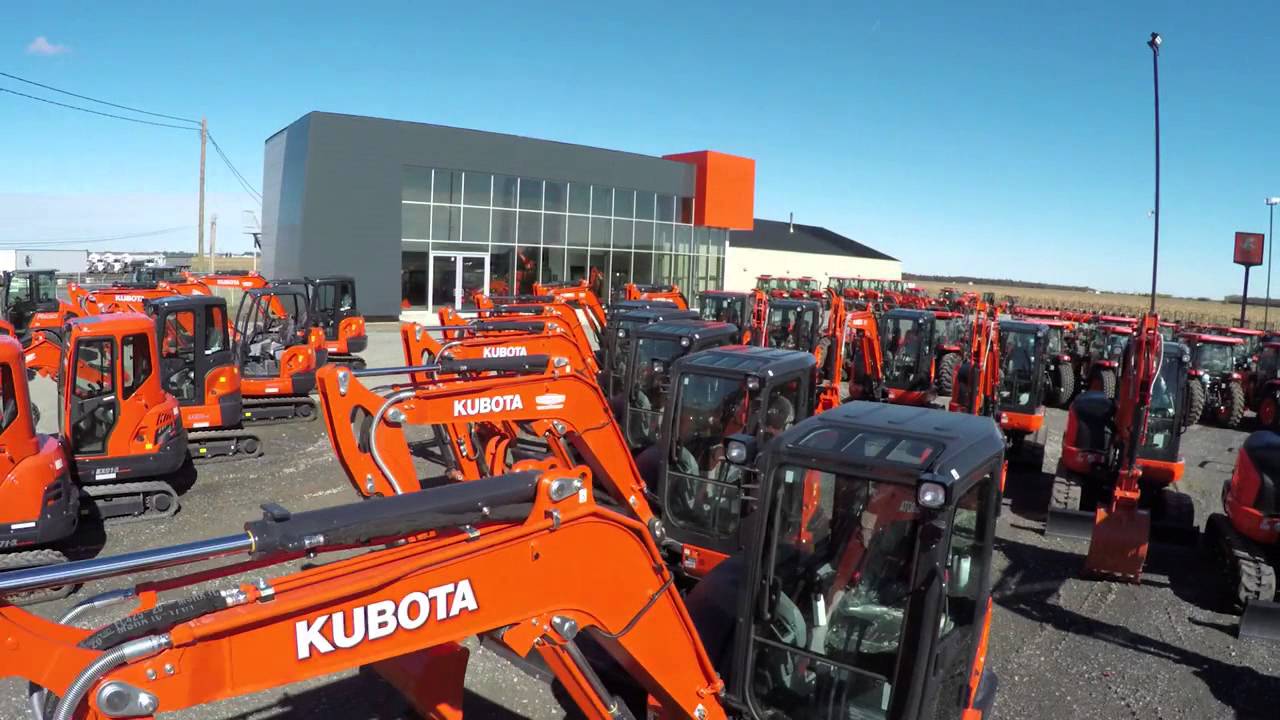
Kubota Dealers

Powering Melbourne’s Machinery Needs: Your Guide to Kubota Dealers

For contractors, farmers, and landscape professionals across Victoria, finding reliable heavy-duty equipment is essential to keeping projects on schedule. Whether you need compact excavators, tractors, or skid steer loaders, locating a trusted Kubota dealer in Melbourne ensures access to genuine parts, expert service, and the latest machinery models. With multiple authorized outlets spread across the metropolitan area and surrounding regions, Melbourne offers robust support for Kubota equipment users.fullyloaded.com+2

Why Choose Kubota Equipment?

Kubota has built a global reputation for producing durable, fuel-efficient, and versatile machinery suited to a wide range of applications. From urban construction sites to rural farms, Kubota’s compact design and powerful performance make it a preferred brand among Australian tradies and agribusinesses.

Key advantages include:

  • Compact footprint: Ideal for tight urban job sites.
  • Low emissions: Compliant with strict environmental standards.
  • High resale value: Kubota machines retain value well in the secondary market.
  • Extensive attachment compatibility: Enhances functionality across tasks.

Authorized Kubota Dealers in Melbourne

Melbourne hosts several authorized Kubota dealers and service centers, each offering sales, rentals, parts, and maintenance support. Notable outlets include:

Proquip Rental & Sales

Based in Melbourne, Proquip specializes in both new and used Kubota excavators, including popular models like the U17 and U48-4. They offer flexible rental options alongside purchase plans, making them suitable for short-term projects or businesses testing equipment before committing.assetscanner.com+1

Massaro Motors

Located in Morwell (within easy reach of greater Melbourne), Massaro Motors stocks a range of Kubota zero-turn mowers and compact tractors. Their inventory often includes late-model used machines, providing cost-effective options for budget-conscious buyers.fullyloaded.com+1

RAM Equipment

RAM Equipment focuses on construction machinery, offering Kubota excavators and skid steer loaders for hire or purchase. Their Kubota SVL75-2 skid steer and KX080 8-tonne excavator are popular choices for Melbourne-based civil and landscaping contractors.ramequipment.com+1

WHC Machinery Sales

Operating out of Eltham in Melbourne’s northeast, WHC Machinery Sales deals in both new and second-hand Kubota engines and construction equipment. They are a go-to for businesses seeking specialized components or older-model support.quarrymagazine+1

Services Offered by Kubota Dealers

A reputable Kubota dealer in Melbourne provides more than just equipment sales. Comprehensive services typically include:

  • Genuine parts supply: Ensuring compatibility and longevity.
  • Certified technicians: Trained specifically on Kubota systems.
  • On-site servicing: Minimizing downtime for large fleets.
  • Operator training: Helping users maximize machine efficiency.
  • Warranty support: Backing purchases with manufacturer-backed guarantees.

These value-added services differentiate authorized dealers from general machinery resellers.

Buying vs. Renting Kubota Machinery

When deciding between purchase and rental, consider project duration, budget, and long-term equipment needs. Renting through dealers like Proquip or RAM Equipment offers flexibility for short-term jobs, while buying makes sense for frequent users seeking asset accumulation and customization.

Many Melbourne dealers also offer rent-to-own arrangements, blending the benefits of both approaches.

Finding the Right Dealer for Your Needs

To choose the best Kubota dealer in Melbourne, evaluate factors such as:

  • Proximity to your job site or farm.
  • Range of models and attachments available.
  • After-sales support reputation.
  • Availability of demonstration units.
  • Financing or leasing options.

Visiting multiple dealerships and speaking with current Kubota users in your industry can provide valuable insights before making a decision.

Final Thoughts

With strong dealer networks and a wide selection of machinery, Melbourne remains a hub for Kubota equipment in southeastern Australia. Whether you’re upgrading your fleet or starting fresh, partnering with an authorized Kubota dealer in Melbourne ensures you receive quality machines backed by expert support—keeping your operations running smoothly, season after season.

How Vacuum Packaging Helps Protect Products and Extend Freshness

For businesses handling food and other sensitive products, vacuum packaging provides a practical way to improve protection, preserve product quality and support efficient storage. By removing much of the air from a package before sealing, this packaging method can help limit exposure to oxygen and external contaminants. From meat and seafood to cheese, coffee and other products, vacuum-sealed formats can offer a combination of protection, convenience and efficient product presentation.

1. Understanding Vacuum Packaging

Vacuum packaging involves placing a product inside a suitable packaging material, removing air from the package and creating a secure seal. The reduced-air environment can help protect the packaged product from certain external conditions.

The method is particularly useful for products that can deteriorate when exposed to oxygen or moisture. The packaging structure needs to be selected according to the product, storage conditions and required level of protection.

A strong seal is also essential because even small leaks can reduce the effectiveness of the package.

2. Supporting Product Freshness

Air exposure can contribute to oxidation and quality changes in various food products. Vacuum packaging reduces the amount of air surrounding the product, helping create a more controlled packaging environment.

For suitable products, this can help maintain freshness, aroma, colour and overall quality for longer periods when combined with appropriate storage conditions.

Vacuum packaging does not replace refrigeration, freezing or other required food-safety practices. Instead, it works as part of a broader system for handling and storing products correctly.

3. Protecting Products During Storage

Packaging needs to protect products throughout storage and transportation. Vacuum-sealed formats can create a compact package that helps limit movement inside the packaging and provides a barrier against external exposure.

For products such as meat, seafood and other food items, secure packaging can also help minimise contact with external contaminants after sealing.

The appropriate material should provide sufficient strength and barrier performance for the intended application, particularly when products are frozen, transported over long distances or exposed to handling.

4. Reducing Packaging Space

One practical advantage of vacuum packaging is its ability to create a compact package around the product. Removing excess air can reduce the overall volume of certain packaged products.

More compact packaging can support efficient storage by allowing products to occupy less space. It may also improve transportation efficiency when packages can be stacked or arranged more effectively.

The actual space savings depend on the product shape, packaging format and storage requirements.

5. Applications Across Different Industries

Vacuum packaging is widely associated with food products, particularly meat, poultry, seafood and cheese. However, the method can also be suitable for other products requiring protection from air, moisture or external contaminants.

Coffee, prepared foods and certain industrial components may also use specialised vacuum packaging formats.

Each application requires careful consideration of the product characteristics and the performance requirements of the packaging material.

6. Convenience for Handling and Storage

Modern packaging needs to provide convenience throughout the product lifecycle. Vacuum-sealed packages can create a neat and compact format that is relatively easy to store and organise.

Clear or partially transparent packaging can also allow product visibility where appropriate. Printed information, labels and other packaging features can provide details such as product specifications, storage instructions and handling requirements.

Resealing is not generally a feature of standard vacuum-sealed packs, so the package design should match the expected method of consumer use.

7. Choosing Suitable Materials

The effectiveness of vacuum packaging depends heavily on the packaging material. Different products may require different levels of oxygen, moisture, puncture and temperature resistance.

Packaging intended for frozen products may have different requirements from packaging designed for refrigerated or ambient applications. Seal strength is another important consideration, particularly for products with irregular shapes or sharp edges.

Selecting materials based on actual product and storage requirements can help achieve a suitable balance between protection, performance and cost.

Conclusion

Effective packaging can play an important role in maintaining product quality during storage, handling and transportation. By reducing air exposure and creating a secure sealed environment, vacuum packaging can support freshness, protection and more efficient storage for a wide range of suitable products. When the correct materials, sealing methods and storage conditions are combined, vacuum-sealed packaging can provide a practical solution for protecting products throughout the supply chain.