
Pain Relief Without Medication: How Dry Acupuncture Supports Recovery
Living with chronic pain can feel like an endless loop. Despite trying medications, massages, and therapies, relief often seems temporary—or comes with side effects. If you’re looking for a more natural and lasting solution, dry acupuncture could be the breakthrough you’ve been waiting for.
This non-pharmaceutical treatment is gaining popularity for its ability to reduce pain, support recovery, and improve overall well-being—without relying on drugs.
1. What Is Dry Acupuncture?
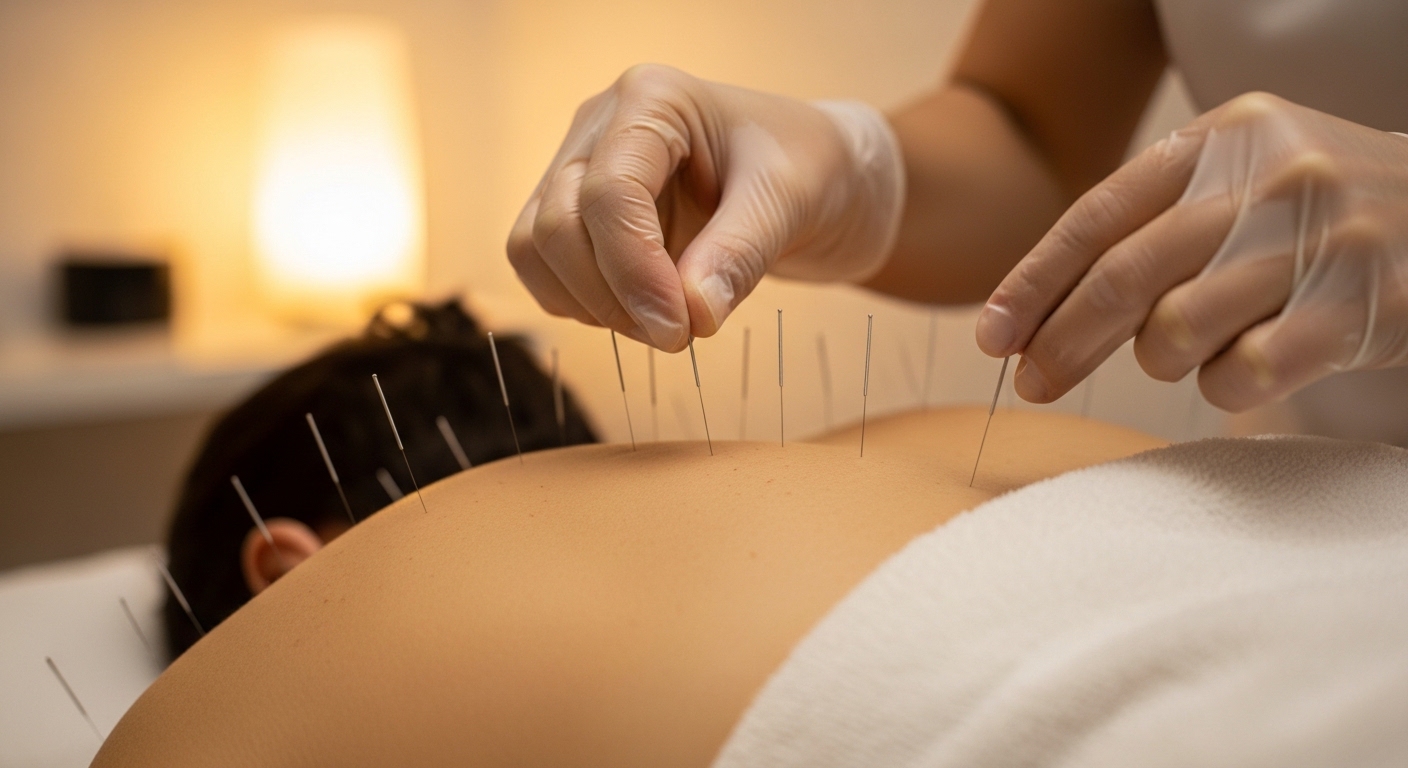
Dry acupuncture is a modern adaptation of traditional acupuncture. Unlike “wet” needling that involves injecting substances, dry acupuncture uses ultra-thin, solid needles to stimulate specific trigger points in the body—often muscles or nerves associated with pain or tension.
When inserted, these needles activate your nervous system, improve blood flow, and prompt the release of natural chemicals like endorphins and serotonin. The result? A decrease in pain and an improvement in mobility and function.
2. Drug-Free Pain Relief
One of the main reasons people explore dry acupuncture is to avoid medication. Painkillers, while helpful, often come with side effects, tolerance build-up, or risk of dependency. Dry acupuncture interrupts pain signals to the brain and triggers the body’s natural healing response—offering a safer, drug-free alternative.
Conditions commonly treated include:
- Chronic back or neck pain
- Shoulder and knee injuries
- Migraines and tension headaches
- Sports-related muscle tightness
- Sciatica and nerve pain
3. Supporting Recovery Holistically
Dry acupuncture doesn’t just mask symptoms—it helps address the underlying causes of pain. It supports recovery by:
- Improving circulation to injured tissues
- Reducing local and systemic inflammation
- Releasing tight or overactive muscles
- Encouraging relaxation and stress relief
This holistic approach makes dry acupuncture especially effective for those recovering from injuries, managing chronic pain, or seeking preventive care.
4. Personalised Treatment Plans
No two bodies—and no two pains—are the same. A skilled practitioner will tailor your dry acupuncture treatment plan to your specific needs. They may focus on particular muscles, joints, or nerve pathways based on your symptoms and history.
You may also be advised to combine acupuncture with stretching, strengthening exercises, or lifestyle changes for best results.
5. Complementary to Other Therapies
Dry acupuncture isn’t an isolated solution—it works beautifully as part of an integrated treatment plan. Whether you’re undergoing:
- Physiotherapy
- Chiropractic care
- Massage therapy
- Rehabilitation post-injury
Dry acupuncture can enhance these therapies by speeding up recovery, reducing inflammation, and improving tissue responsiveness.
6. What to Expect in a Session
First-timers often worry about the needles—but rest assured, dry acupuncture is minimally invasive. The needles are hair-thin and typically cause little to no discomfort. In fact, many patients describe the sensation as a light pressure, a small twitch, or a dull ache that fades quickly.
A typical session lasts between 30 to 60 minutes. Some people feel immediate relief, while others notice gradual improvement over several sessions.
7. Is Dry Acupuncture Right for You?
If you’re searching for a natural, medication-free way to manage pain, dry acupuncture is worth exploring. It’s suitable for many conditions but should always be performed by a qualified and experienced practitioner.
It’s particularly ideal for:
- Those with drug sensitivities
- Individuals with recurring muscular or nerve pain
- Patients wanting to reduce reliance on pain medication
Always consult your physiotherapist, GP, or health professional before starting any new treatment.
FAQs: Dry Acupuncture
Q: What conditions can dry acupuncture help with?
Dry acupuncture is commonly used for musculoskeletal issues such as back and neck pain, sports injuries, tension headaches, and nerve-related pain.
Q: How many sessions are needed?
This varies. Some feel relief after one or two sessions, while others may require ongoing therapy depending on the severity and duration of the condition.
Q: Is dry acupuncture safe?
Yes—when performed by a certified professional. They will use sterile, single-use needles and follow all hygiene protocols to ensure your safety.
Final Thoughts
In a world where medication is often the first answer, dry acupuncture offers a refreshing, effective, and natural alternative. Whether you’re managing chronic pain, recovering from an injury, or simply want to explore holistic wellness, this technique empowers your body to do what it does best—heal itself.
By choosing dry acupuncture, you’re not just numbing symptoms. You’re investing in a smarter, more sustainable path to recovery.