

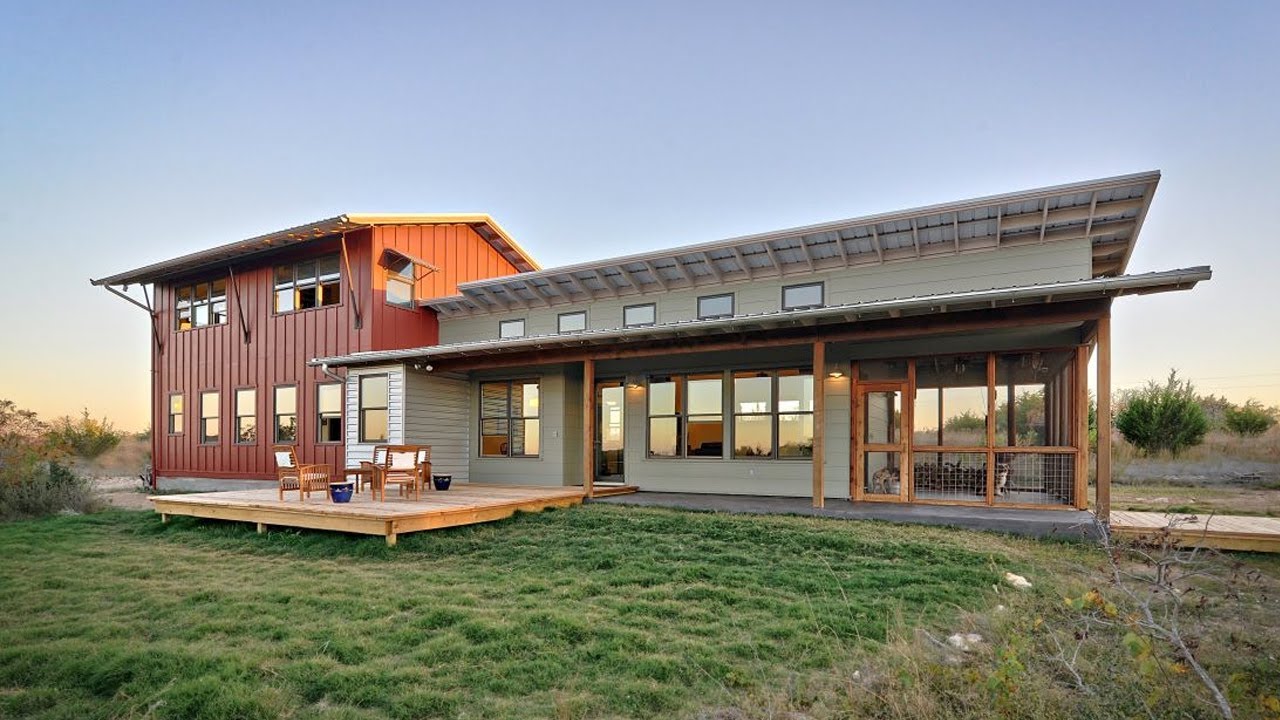
In the world of construction, prefab buildings have emerged as a highly sought-after alternative to traditional methods. Known for their efficiency, cost-effectiveness, and quick installation, these structures offer a broad range of applications. From residential homes to commercial spaces, prefab buildings have proven to be versatile, making them a popular choice for many industries. This blog explores the various uses and benefits of prefabricated structures, highlighting why they’re gaining so much attention in today’s construction world.
1. Residential Homes
One of the most common uses for prefab buildings is as homes. Prefabricated houses are manufactured in a factory setting before being transported to the desired location for assembly. This process significantly reduces construction time compared to traditional building methods, with some prefab homes being fully assembled in a matter of weeks. These homes are designed to meet high standards of quality, energy efficiency, and aesthetic appeal, offering modern designs at affordable prices.
2. Modular Offices
In the commercial sector, prefab buildings are widely used as modular offices. Companies looking for quick and efficient solutions for office spaces often turn to prefab structures due to their flexibility and speed of construction. These buildings can be customized to fit specific needs, whether it’s a small office, a larger workspace, or even an entire office complex. Prefabricated office buildings also tend to be more affordable than traditional office constructions, making them an attractive option for startups and businesses on a budget.
3. Storage and Warehousing
Prefab buildings are an excellent solution for storage and warehouse facilities. Their scalable design allows businesses to expand their storage capacity without the lengthy timeline and high costs typically associated with constructing a permanent building. These structures can be erected quickly and can accommodate a wide variety of purposes, including inventory storage, equipment storage, or distribution centers. Prefabricated warehouses also offer durability and can be built to withstand tough environmental conditions, making them suitable for many industries.
4. Schools and Educational Facilities
Prefab buildings are also increasingly being used to address the growing demand for educational spaces. Whether it’s a temporary classroom during construction, or permanent modular school buildings, prefab structures provide an effective solution. They are designed to offer a safe and conducive learning environment while being cost-effective and easy to construct. Additionally, modular classrooms can be expanded or relocated as needed, giving educational institutions a high level of flexibility.
5. Healthcare Facilities
The healthcare industry has found prefab buildings to be a valuable option for expanding their facilities. From temporary medical clinics to permanent healthcare centers, prefab buildings are ideal for situations that require quick turnaround times. They are used for outpatient clinics, medical offices, and even emergency facilities. Prefabricated healthcare buildings are designed to meet stringent standards and can be customized with specialized medical equipment and features.
6. Benefits of Prefabricated Structures
Prefabricated structures offer numerous advantages, including faster construction times, cost savings, and reduced waste. With components manufactured in a factory, the building process is more efficient and streamlined, leading to significant time and labor savings. These structures also tend to be more affordable compared to traditional buildings, making them a budget-friendly choice for many. Furthermore, the controlled factory environment minimizes errors and ensures higher quality, while sustainability is enhanced by reducing on-site construction waste.
Conclusion
Prefab buildings have proven to be a flexible and practical solution for various needs, offering significant benefits like speed, cost-effectiveness, and durability. Their versatility makes them ideal for residential, commercial, and industrial applications, providing an attractive alternative to traditional construction methods. As demand for efficient, sustainable, and customizable building options continues to grow, prefabricated structures are likely to play an even larger role in the future of construction