
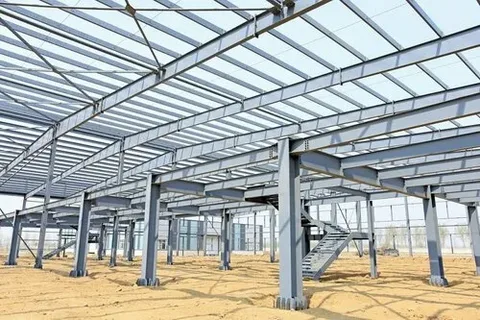
In today’s modern construction and design landscape, steel plays a vital role in shaping structures that are both visually stunning and built to last. From striking façades to intricate staircases and balustrades, architectural steel fabricators combine craftsmanship, precision, and engineering expertise to bring design visions to life. Their work bridges the gap between architectural creativity and structural performance, helping to define the look and feel of contemporary Sydney architecture.
The Importance of Architectural Steel Fabrication
Steel as a Design Element
Steel has evolved from being a purely structural material to a core design component in modern architecture. Its strength, versatility, and adaptability allow architects to push creative boundaries—resulting in sleek, durable, and innovative designs. Fabricators work closely with architects to ensure that each element, whether decorative or functional, aligns with design intent and structural safety.
Where Architecture Meets Engineering
Architectural steel fabrication is where artistry and engineering converge. It requires a deep understanding of design principles, material science, and fabrication processes. Each project demands precision planning, accurate measurements, and flawless execution to transform architectural concepts into tangible, functional masterpieces.
The Process of Architectural Steel Fabrication
Design Consultation and Planning
Every fabrication project begins with collaboration. Architects provide detailed plans or concepts, which fabricators then translate into production-ready designs. Advanced 3D modelling software allows teams to visualise components before manufacturing, ensuring accuracy and efficiency from the start.
Cutting, Forming, and Assembly
Once the design is approved, the fabrication process moves into action. Steel sheets and beams are laser-cut or plasma-cut into precise shapes, then bent, welded, and assembled according to specifications. Modern fabrication facilities use computer-controlled machinery to maintain accuracy and reduce waste, while skilled technicians handle finishing and detail work.
Applications of Architectural Steel
Commercial and Residential Projects
Architectural steel fabricators contribute to both large-scale commercial developments and bespoke residential designs. From structural frameworks and canopies to staircases, gates, and railings, steel elements provide both functionality and elegance. In Sydney, the use of exposed steel in architecture has become a defining feature of contemporary buildings, blending industrial aesthetics with modern sophistication.
Artistic and Custom Creations
Beyond practical applications, architectural steel fabrication also extends to custom art installations and urban furniture. Sculptural steel pieces are now common in public spaces and commercial centres, offering a durable yet refined visual statement. Fabricators use advanced finishing techniques, including powder coating and galvanising, to enhance appearance and longevity.
Benefits of Working with Professional Fabricators
Precision and Quality Assurance
Professional fabricators adhere to stringent quality control processes. Each component is meticulously inspected for alignment, strength, and surface finish before installation. This ensures that the final structure not only meets design expectations but also performs safely under varying loads and environmental conditions.
Efficiency and Cost-Effectiveness
By combining modern technology with skilled labour, professional fabricators deliver projects within tight timeframes while maintaining exceptional quality. The use of automated machinery reduces material waste, shortens production cycles, and minimises errors—offering clients greater value and cost predictability.
Collaboration and Customisation
One of the greatest strengths of professional fabricators lies in their ability to collaborate seamlessly with architects, builders, and developers. They offer bespoke solutions that adapt to unique project requirements, ensuring that every design—no matter how complex—can be achieved with precision.
Innovation and Sustainability in Steel Fabrication
Embracing Modern Technologies
Technological innovation has transformed the steel fabrication industry. The integration of computer-aided design (CAD), 3D laser scanning, and automated cutting systems ensures unmatched accuracy and speed. Digital workflows allow for improved coordination across design and fabrication stages, reducing project delays.
Sustainable Steel Solutions
Sustainability is now a core consideration in modern architecture. Steel is one of the most recyclable materials available, making it a sustainable choice for environmentally conscious construction. Many fabricators are also implementing eco-friendly practices such as energy-efficient machinery, waste reduction, and sustainable sourcing, aligning their operations with Sydney’s broader environmental goals.
Conclusion
The role of architectural steel fabricators extends far beyond basic construction—they are the creative and technical force that transforms architectural visions into real-world structures. With precision, innovation, and collaboration at the heart of their craft, they deliver steel components that enhance both the aesthetic and structural integrity of modern architecture. As Sydney continues to evolve, the artistry and expertise of professional fabricators will remain integral to shaping the city’s architectural identity for generations to come.