
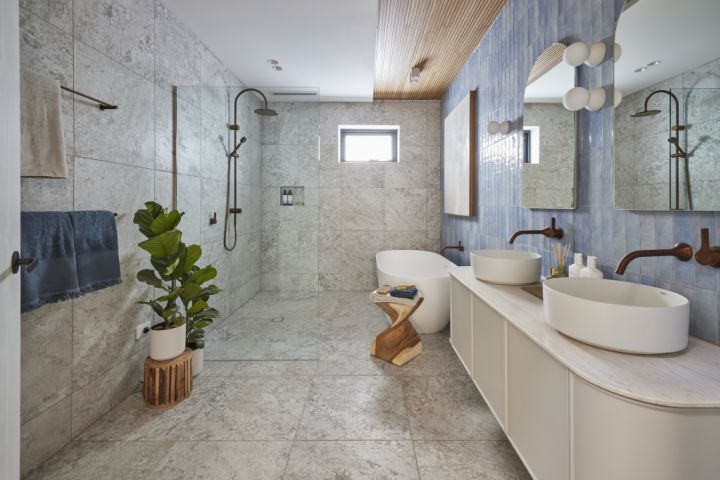
A bathroom is one of the most frequently used spaces in a home, so its design should balance comfort, functionality and visual appeal. An outdated layout, limited storage or worn fixtures can make everyday routines less convenient. A well-planned renovation can refresh the space while addressing practical issues that affect its usability.
Why is careful bathroom planning important?
Good planning helps create a bathroom that works efficiently for the people using it. Before construction begins, homeowners should consider the existing layout, plumbing points, ventilation, lighting and available floor area.
It is also useful to identify priorities early. Some homeowners may need additional storage, while others may focus on improving the shower area, updating fixtures or creating a more contemporary appearance.
A clear plan can also help avoid unnecessary changes during the renovation process. Selecting materials, fixtures and finishes in advance makes it easier to maintain a consistent design.
How can a new layout improve functionality?
The layout determines how easily people can move around the bathroom. Poorly positioned fixtures can restrict movement and make even a reasonably sized room feel uncomfortable.
Repositioning the vanity, toilet or shower may create better circulation. Wall-mounted vanities can provide additional visible floor space, while practical shower configurations can make better use of corners and narrow areas.
Door placement should also be considered. In some bathrooms, a sliding or cavity door can free up space that would otherwise be required for a conventional swinging door.
Which materials are suitable for modern bathrooms?
Bathroom materials need to handle moisture, regular cleaning and everyday use. Floor and wall tiles should suit the room’s practical requirements as well as its overall design.
Neutral colours can create a timeless appearance, while textured or patterned finishes can introduce visual interest. Large-format tiles may provide a cleaner look by reducing the number of grout lines.
Vanity finishes, tapware and shower fittings should complement one another. Coordinating these elements can create a more cohesive bathroom without relying on excessive decoration.
How can storage make a bathroom more practical?
Storage is an important part of bathroom design. Without suitable storage, toiletries, towels and cleaning products can quickly create clutter.
Recessed wall niches can provide convenient storage in shower areas without taking up valuable floor space. Mirrored cabinets can combine everyday storage with a functional mirror.
Drawers and cabinets beneath a vanity can also make efficient use of otherwise unused space. Choosing storage based on actual household needs can make the finished bathroom easier to maintain.
Can lighting change the appearance of a bathroom?
Lighting can influence both functionality and atmosphere. A combination of general, task and accent lighting can provide more flexibility than relying on one central light.
Vanity lighting is particularly useful for everyday grooming. Mirrors can also help reflect available light and make a bathroom appear brighter.
Where possible, natural light should be considered during the design stage. Adequate ventilation is equally important because it helps manage moisture and supports a healthier bathroom environment.
What should homeowners consider before renovation work begins?
Budget, design preferences, material choices and practical requirements should all be reviewed before work starts. Plumbing and electrical changes may affect the overall scope, so these factors should be considered during the planning stage.
For homeowners considering complete bathroom renovations, balancing aesthetics with long-term practicality can create a space that remains useful and comfortable for everyday living.
How can a bathroom remain stylish for longer?
Timeless design choices can help a bathroom maintain its appeal as trends change. Simple cabinetry, quality-looking finishes and neutral base colours can provide flexibility.
Small decorative details can then be updated more easily when preferences change. Durable surfaces, sensible storage and easy-to-clean fittings can also contribute to a bathroom that remains practical over time.
Conclusion
A successful bathroom renovation combines thoughtful planning, efficient use of space and suitable materials. From layout and storage to lighting and finishes, each element can influence comfort and usability. With careful decisions, complete bathroom renovations can turn an outdated bathroom into a functional and inviting part of the home.