
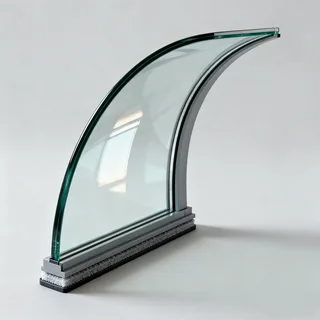
Modern architecture often combines striking design with practical performance. Curved windows can create a distinctive appearance, soften building lines and introduce more natural light into interior spaces. Curved Double Glazing takes this design concept further by combining shaped glazing with the benefits associated with double glazed window systems, making it an appealing option for contemporary homes and architectural projects.
Create A More Refined Architectural Look
Curved glazing can transform the appearance of a building by introducing softer lines and a more sculptural aesthetic. Unlike standard flat windows, curved glass can follow rounded walls, bay structures and other architectural features.
This makes curved double glazing particularly suitable for projects where standard window shapes may not achieve the desired visual result. It can become an architectural feature while complementing the property’s existing design.
Improve Everyday Indoor Comfort
Double glazing generally consists of two panes of glass separated by a sealed insulating space. This construction can help reduce heat transfer compared with some single glazed options.
When combined with a curved design, the result can provide both architectural appeal and practical glazing performance. Depending on the glass specification and overall window system, double glazing may also contribute to improved indoor comfort throughout changing Australian weather conditions.
Reduce Outside Noise
External noise can affect the comfort of homes and commercial spaces, particularly in busy urban environments. Appropriately specified double glazing can help reduce the amount of outside sound entering a building.
For properties located near busy roads, commercial areas or other sources of background noise, selecting suitable glazing may help create a quieter and more comfortable interior environment.
Make Better Use Of Natural Light
Natural light can make interior spaces feel brighter and more inviting. Curved windows can provide opportunities to introduce daylight into areas where conventional rectangular windows may not deliver the same visual effect.
Whether used as a feature window, curved wall installation or architectural opening, carefully designed glazing can help connect interior spaces with their surroundings while maintaining a distinctive appearance.
Consider The Right Glass And Frame
Curved glazing requires careful planning because the glass, framing system and installation method all need to work together. Factors such as glass thickness, dimensions, thermal performance, safety requirements and the desired radius can influence the final specification.
Working with experienced glazing professionals can help determine the most suitable solution for your building design and installation requirements.
Add Long Term Value To Your Design
Investing in quality glazing can enhance both the visual character and functionality of a property. A well designed curved window can become a standout feature while supporting comfort, natural lighting and the overall architectural vision.
Professional fabrication and installation are important to achieving the intended result and ensuring the glazing integrates properly with the surrounding structure.
Conclusion
Distinctive glazing can completely change the character of a property while providing practical benefits for everyday living. Curved designs offer architects, builders and homeowners greater flexibility when creating visually interesting spaces.
Curved double glazing can combine architectural elegance with the performance advantages of double glazing, making it a worthwhile consideration for projects seeking a unique and contemporary window solution.