
When it comes to upgrading flooring for homes, garages, or commercial spaces, many property owners in Australia are considering epoxy floor coating. The combination of durability, aesthetic appeal, and low maintenance makes it an increasingly popular solution. But what makes it stand out from traditional flooring methods? Let’s explore the key reasons why epoxy has become a go-to option and whether it suits your space.
What Makes Epoxy Floors Different from Regular Concrete Floors?
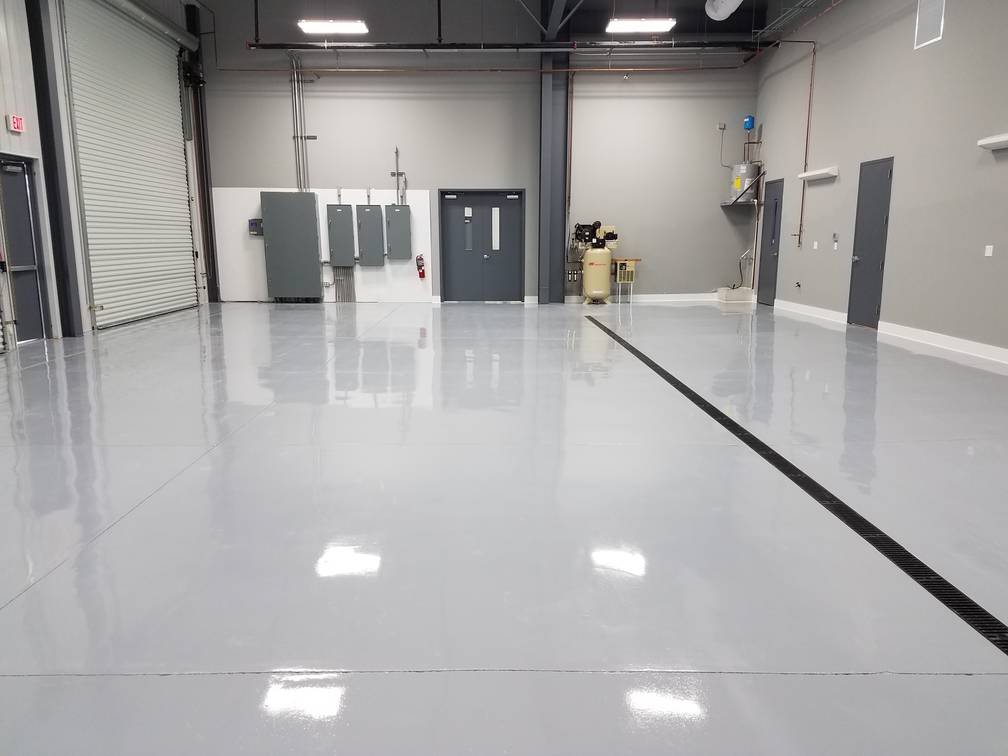
Concrete floors, while strong, often suffer from cracks, stains, and dust accumulation over time. Epoxy transforms a standard concrete slab into a glossy, non-porous, and easy-to-clean surface. The resin and hardener create a chemical bond that enhances strength and gives the floor a seamless, polished look. This finish not only improves aesthetics but also resists chemicals, oil spills, and abrasions — ideal for garages, workshops, and industrial sites.
How Does Epoxy Enhance Safety and Functionality?
Safety is a major factor for any flooring choice. Epoxy floors can be customised with non-slip additives, ensuring traction even in wet or high-traffic areas. Their reflective surface improves lighting, making workspaces brighter and reducing electricity costs. For businesses handling machinery or vehicles, epoxy’s resistance to impact and chemicals provides long-term protection without constant maintenance.
Can Epoxy Be Used in Homes Too?
Absolutely. Beyond garages and warehouses, epoxy floors are now making their way into residential kitchens, laundry rooms, and even living areas. The variety of colours, patterns, and finishes allows homeowners to match flooring with interior décor. Metallic and flake finishes can mimic stone or marble, giving a luxurious touch without the high cost or complex upkeep.
How Long Does Epoxy Last?
Longevity is one of epoxy’s strongest advantages. With proper installation and maintenance, epoxy floors can last 10–20 years without major repairs. Regular cleaning with mild detergents and avoiding harsh chemicals are usually enough to preserve the finish. Compared to tiles or vinyl that can peel or crack, epoxy’s durability offers excellent long-term value.
What Are the Environmental and Maintenance Benefits?
Epoxy floors require minimal cleaning products and reduce the need for replacements, making them an environmentally friendly option. The smooth, non-porous surface prevents dust accumulation, improving air quality. For commercial facilities or garages, this means less downtime for maintenance and fewer long-term expenses.
Is Professional Installation Important?
Yes. While DIY kits exist, professional installation ensures correct surface preparation, mixing ratios, and curing times. Poorly applied epoxy can peel, bubble, or lose its gloss prematurely. An experienced installer will also recommend the right type of epoxy depending on foot traffic, temperature, and exposure to chemicals.
Final Thoughts
Choosing epoxy floor coating is an investment in both function and style. It combines industrial strength with modern design versatility, making it suitable for homes, commercial buildings, and warehouses alike. Whether you’re after a sleek, reflective finish or a slip-resistant surface for safety, epoxy provides long-lasting results that look as good as they perform.
By understanding its advantages and limitations, property owners can make an informed decision about their flooring needs — and enjoy the perfect balance of durability, aesthetics, and practicality for years to come.