
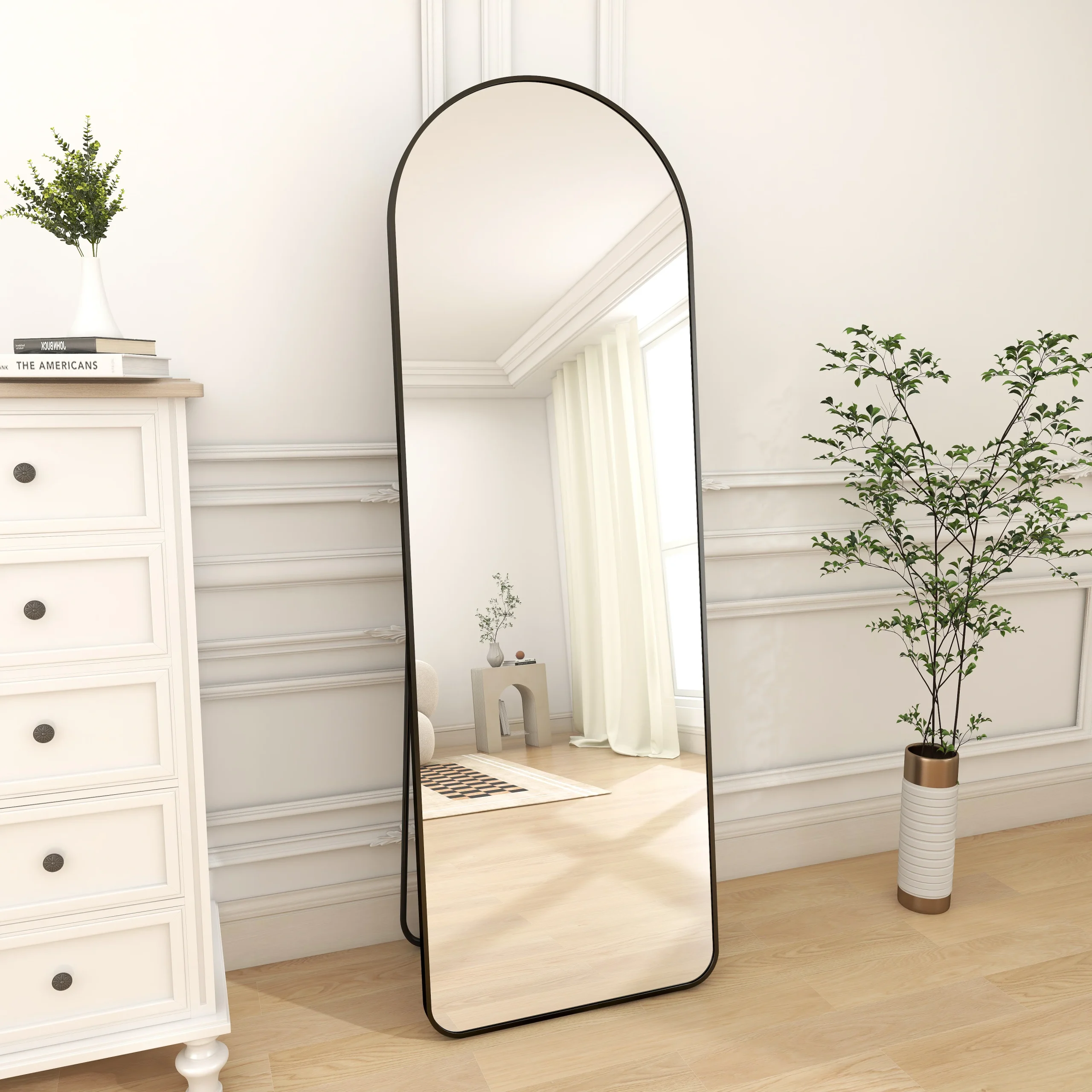
A mirror becomes useful not simply because of its size, but because of where it sits, what it reflects and how comfortably it fits into the room. Natural light, surrounding furniture and available wall space can all change how the same mirror performs. When selecting a full length mirror in Sydney considering these practical details can help create a placement that works for everyday viewing while also contributing to a balanced interior.
Decide What the Mirror Needs to Do
Before considering frame styles or finishes, identify the mirror’s main purpose. A mirror used beside a wardrobe has a different role from one positioned primarily to reflect light into a living area.
Its purpose may include:
- Checking complete outfits before leaving home
- Supporting a bedroom or dressing area
- Reflecting daylight into a darker part of the room
- Creating a greater sense of depth in a compact space
- Adding a vertical feature to an otherwise empty wall
Establishing the purpose first makes decisions about size and position much easier.
Match Mirror Proportions to the Wall
A full-length design needs enough vertical space, but height is only one part of the equation. Width and the amount of empty wall surrounding the frame can influence whether the mirror looks balanced or oversized.
On a narrow wall, a wide frame may make the area appear crowded. A larger open wall can usually accommodate greater proportions without the mirror dominating nearby furniture.
Consider nearby consoles, wardrobes, chairs and other decorative pieces as part of the overall composition rather than assessing the mirror separately.
Positioning Changes the Result
Different rooms place different demands on a mirror. Position should therefore follow the way each area is actually used.
Bedrooms and Dressing Areas
Placement close to wardrobes or clothing storage can make outfit checks more convenient. There should still be sufficient distance in front of the mirror to see a complete reflection comfortably.
Hallways
A vertical mirror can add visual depth to a hallway, particularly when the area feels narrow. It should not project unnecessarily into an important walking route.
Wardrobe Areas
Limited floor space may make wall-mounted designs particularly practical. Check that nearby wardrobe doors and drawers can open without interference.
Freestanding and Wall-Mounted Designs Behave Differently
Freestanding mirrors provide flexibility because they can often be repositioned as the room arrangement changes. However, they occupy some floor area and require an appropriate location where they can remain stable.
Wall-mounted mirrors preserve floor space and can create a cleaner visual arrangement. Their position is less flexible once installed, so viewing height and location need to be considered carefully beforehand.
Leaning designs can provide another visual approach, although their stability and suitability depend on the room and household.
Check What the Mirror Will Actually Reflect
Where a mirror faces can matter almost as much as where it stands. A well-positioned mirror may reflect a window, artwork or an open part of the room. Poor positioning can instead duplicate clutter or direct attention towards less attractive areas.
Look at the proposed position from several points around the room. Consider what will appear in the reflection during both daytime and evening conditions.
Artificial lighting deserves attention too. Strong lights directly opposite the glass may produce distracting glare rather than improving visibility.
Plan Safe Placement Before Finalising the Position
A mirror should remain stable during normal household activity. This becomes particularly important with larger pieces because their dimensions can make unsuitable positioning more noticeable and potentially less secure.
Before final placement, consider:
- Regular walking routes through the room
- Doors that open towards the mirror
- Children or pets moving through the area
- Suitable mounting methods for wall-mounted designs
- Stability on the chosen floor surface
These checks should form part of placement planning rather than being considered after the room has been arranged.
Bringing the Room Together
The most suitable mirror is one that works with the room rather than simply filling an available wall. Choosing a full length mirror in Sydney involves balancing viewing requirements, proportions, surrounding furniture, reflections, lighting and safe positioning. Considering these elements together can help the mirror remain practical for everyday use while contributing naturally to the overall interior.