
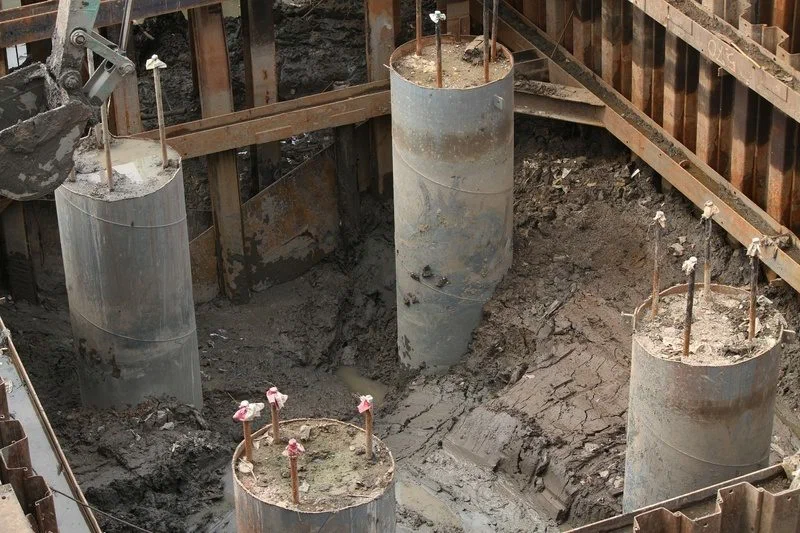
When planning a construction project in Sydney, one of the first and most critical steps is establishing a solid foundation. Whether it’s for a residential, commercial, or industrial site, the expertise of piling contractors in Sydney can make all the difference. But what exactly do these professionals do, and how can you ensure you’re choosing the right team for your site’s specific requirements? Let’s break it down step by step.
Why Are Piling Services Crucial for Construction in Sydney?
Sydney’s soil conditions vary significantly across suburbs — from sandy coastal soils to denser clay-based terrain inland. This diversity means not all foundations perform equally well in every area. Piling ensures stability by transferring the structure’s load deep into the ground, bypassing weak or unstable top layers. Without proper piling, buildings risk uneven settling, cracking, or even structural failure over time.
What Are the Different Types of Piling Methods?
Before choosing a contractor, it’s important to understand the main piling techniques available:
- Bored Piles – Ideal for larger projects or deep foundations where noise and vibration control is essential.
- Driven Piles – Suited for sites requiring speed and strong load-bearing support.
- Screw Piles – Common in residential and light commercial builds for their quick installation and minimal disturbance.
- Hand Piling – Used in restricted access areas where machinery can’t reach, especially for urban or sloped sites.
Each piling method offers unique advantages depending on the soil condition, project scale, and site accessibility.
How to Assess the Right Piling Contractor?
Selecting the right team goes beyond comparing prices. Reputable piling contractors are known for their technical understanding, safety practices, and local knowledge. When researching potential piling contractors in Sydney, ask:
- Do they provide soil testing or work with geotechnical engineers?
- Have they handled projects similar to yours in scope and complexity?
- What certifications and safety standards do they follow?
- Can they supply references or site photos of completed work?
Transparent communication, reliable machinery, and compliance with Australian Standards are key indicators of a trustworthy piling company.
What Are Common Challenges in Piling Projects?
Piling is not always straightforward. Some common hurdles include:
- Unexpected soil conditions – Hidden rock layers or groundwater can delay work.
- Tight access areas – Urban construction often requires innovative solutions like hand piling or micro piling.
- Noise and vibration restrictions – Particularly in residential areas, contractors must balance performance with compliance.
- Weather delays – Heavy rain can impact drilling and soil stability.
Experienced piling contractors anticipate these challenges and adapt their methods to maintain progress and safety.
Why Local Experience Matters in Sydney Construction
Sydney’s geography is diverse, from the coastal sandstone of Bondi to the clay-heavy soils of the Inner West and the shales of the Northern Suburbs. Local piling experts understand these differences and tailor their approach accordingly. This local insight ensures the foundation is engineered precisely to match both the environment and the building design.
What Questions Should You Ask Before Signing a Contract?
- What type of piles are most suitable for your site?
- What testing methods will confirm the load-bearing capacity?
- How long will installation take, and what are the site access requirements?
- What insurance or warranty covers their workmanship?
Getting clear answers to these questions can prevent miscommunication and ensure the project stays on schedule and budget.
Final Thoughts
Strong foundations begin with informed choices. When selecting piling contractors in Sydney, prioritise those who combine technical expertise, site-specific knowledge, and a commitment to safety. The right contractor will assess your soil conditions, recommend the ideal piling method, and ensure every stage of the process meets engineering and environmental standards.