
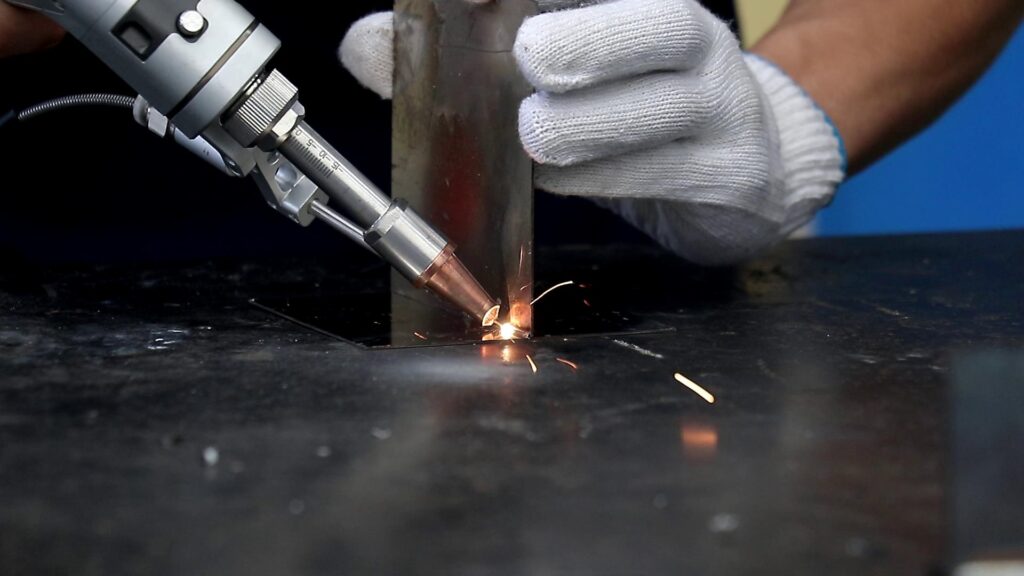
Precision And Performance: The Value Of Professional Aluminium Welding Services
Aluminium is one of the most versatile metals used across industries in Australia—from architecture and construction to marine and automotive applications. Its strength-to-weight ratio, corrosion resistance, and sleek appearance make it a favourite among builders, designers, and manufacturers. However, working with aluminium isn’t straightforward. It requires specialist skills, tools, and techniques—especially when it comes to welding.
That’s why partnering with a team that provides expert aluminium welding services is crucial. Whether you need custom aluminium framing, intricate joinery, or robust marine components, precision welding ensures performance, longevity, and visual appeal.
Why Is Aluminium Welding So Unique?
Requires Specialist Techniques
Unlike steel, aluminium conducts heat very quickly and has a lower melting point. This makes it more prone to warping, burn-through, and cracking if not handled properly.
Oxidation Challenges
Aluminium naturally forms an oxide layer that melts at a much higher temperature than the base metal. Welders must remove this layer with precision for proper weld fusion.
Different Alloys, Different Behaviours
There are many types of aluminium alloys, each with its own welding characteristics. Professional welders understand which filler metals and methods to use for each one.
Need for Clean Work Environment
Aluminium welding is highly sensitive to contaminants like oil, dirt, and even dust. The cleaner the workspace and materials, the better the weld.
Aesthetic Considerations
Aluminium is often used in visible architectural or custom applications. Quality welds must not only be strong—but clean and visually seamless.
Where Are Aluminium Welding Services Commonly Used?
Construction and Architecture
From window and door frames to feature screens and pergolas, aluminium components require clean, strong welds for structural and aesthetic integrity.
Marine and Boating Applications
Aluminium’s corrosion resistance makes it ideal for boat hulls, tinnies, pontoons, and marine accessories. Precision welding is critical in saltwater environments.
Automotive and Trailers
Lightweight yet strong, aluminium is used in custom ute trays, trailers, truck bodies, and 4WD accessories that demand durable welded joints.
Industrial Equipment and Frames
Conveyors, machinery guards, and modular structures often use aluminium frames, which must be welded accurately for operational reliability.
Signage and Displays
In retail and commercial spaces, aluminium is frequently welded to create clean signage frames and display structures.
What Should You Look for in Aluminium Welding Services?
Certified and Experienced Welders
Working with aluminium demands advanced knowledge and skills. Look for teams certified to AS 1796 or similar Australian welding qualifications.
Specialised Equipment
Aluminium welding typically involves TIG (Tungsten Inert Gas) welding or MIG (Metal Inert Gas) methods with appropriate shielding gases like argon.
Custom Fabrication Support
The best providers offer more than welding—they’ll help with measuring, design input, prototyping, and post-weld finishing if required.
Mobile Welding Options
Some projects require on-site aluminium welding, such as repairs to trailers or boat parts. Mobile services can save time and reduce transport costs.
Attention to Finishing
After welding, aluminium surfaces may need smoothing, buffing, or powder coating. Choose a provider who ensures a clean finish that aligns with your design.
How to Ensure a Quality Aluminium Welding Outcome?
Start with Accurate Design and Measurement
Successful welding depends on precise cuts and fits. Provide clear drawings or work with a fabricator who can produce accurate shop drawings.
Choose the Right Welding Method
TIG welding offers a cleaner, more precise finish, ideal for visible welds. MIG is faster and suitable for thicker sections or industrial use.
Don’t Skip Pre-Weld Cleaning
Even slight contamination can weaken the weld. Ensure parts are cleaned of grease, oil, oxide layers, and dust before welding begins.
Test Welds for Critical Applications
For structural or marine use, testing welds (via visual inspection, dye penetrant testing, or x-ray where needed) ensures strength and reliability.
Maintain Post-Weld Protection
If your component is used outdoors, consider additional corrosion protection through anodising, powder coating, or sealing.
Conclusion
Expert aluminium welding services are essential for achieving structural integrity, durability, and a polished finish, especially when aluminium plays a central role in your design or function. From high-precision architectural builds to rugged marine and automotive applications, quality welding ensures your components perform under pressure and look the part. Don’t settle for general fabrication when aluminium calls for specialist attention—choose a provider with the tools, experience, and dedication to get it right the first time.