Category Archive : Aluminium Fabrications

Exploring Aluminium Balustrades In Sydney: A Modern Touch For Contemporary And Traditional Spaces

Sydney is known for its iconic harbour, diverse neighbourhoods and a blend of modern and heritage architecture. As homeowners, architects and designers aim to complement this distinctive character, aluminium balustrades in Sydney have emerged as a leading choice. They balance durability, design flexibility and visual appeal, making them suitable for a wide variety of residential and commercial settings.
Why Aluminium Balustrades Are a Popular Choice

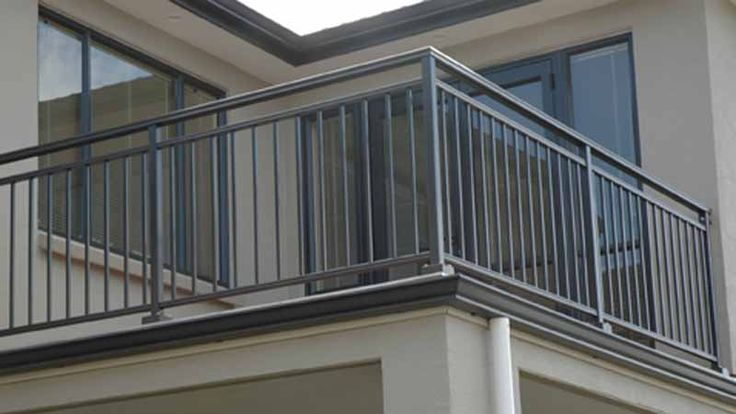
Aluminium balustrades have become increasingly common across Sydney due to their practical benefits and design versatility. Aluminium is lightweight yet strong, making it suitable for balconies, staircases, terraces and commercial applications. Its natural resistance to corrosion is particularly valuable in areas exposed to coastal conditions, where many other metals deteriorate more quickly.

The material can be shaped into a range of designs, from modern and minimal to more intricate patterns suited to older architectural styles. This adaptability helps maintain a cohesive look throughout a property, whether the space leans towards contemporary design or traditional influences.

A Suitable Option for Sydney’s Coastal Lifestyle

Sydney’s connection to the coastline plays a significant role in its architecture. Homes and buildings often include open layouts and generous windows to take advantage of views stretching across the harbour and beaches. Aluminium balustrades, with their slim profiles and clean lines, support this design approach without obstructing sightlines.

Suburbs such as Bondi, Manly and Coogee experience high exposure to salt and moisture. Aluminium performs well in these conditions, offering a durable and visually unobtrusive solution that suits the relaxed yet stylish ambiance of Sydney’s beachside areas.

A Natural Fit for Modern Minimalism

Minimalist design continues to influence Sydney’s residential and commercial spaces. In inner-city suburbs like Surry Hills, Newtown and Redfern, aluminium balustrades complement contemporary interiors and smaller living areas. Their simple lines and understated appearance allow them to enhance a space without overwhelming it.

The material works effectively in apartments, offices and renovated terraces, contributing to a clean, modern aesthetic that reflects Sydney’s design trends.

Sustainability and Customisation Appeal

Sustainability is an increasing priority for residents across the city. Aluminium is recyclable and supports environmentally conscious construction practices. Choosing aluminium balustrades aligns with Sydney’s broader focus on sustainability while offering longevity and reduced maintenance requirements.

Customisation is another advantage. Aluminium balustrades can be powder-coated in a variety of colours and finishes, making it easy to match design schemes or complement existing architecture. This degree of flexibility appeals to property owners in suburbs with distinct character, whether contemporary or heritage-focused.

Enhancing Heritage Buildings with Modern Materials

Sydney includes many heritage properties that require careful consideration during upgrades and renovations. Aluminium balustrades can be manufactured to replicate traditional styles, allowing property owners to maintain the historical integrity of older homes and buildings. This approach suits areas like Paddington, Glebe, Darlinghurst and The Rocks, where architectural preservation is important.

By combining modern durability with traditional design elements, aluminium provides a practical solution that respects the heritage character of these neighbourhoods.

Conclusion

Aluminium balustrades offer a practical and visually appealing option for Sydney’s varied architectural environment. Their durability, customisation potential and suitability for both coastal and urban areas make them a reliable choice for homeowners and designers. Whether used in contemporary apartments, coastal residences or heritage restorations, aluminium balustrades complement Sydney’s lifestyle and design culture with ease.

Frequently Asked Questions

How do aluminium balustrades perform in Sydney’s coastal areas?

Aluminium balustrades perform well in coastal conditions because they resist corrosion and withstand salt exposure, making them suitable for suburbs near the ocean.

Can aluminium balustrades suit traditional or heritage-style architecture?

Yes. Aluminium can be crafted into designs that replicate traditional or decorative styles, allowing it to blend with heritage buildings while offering modern durability.

Is aluminium a sustainable choice for balustrades?

Aluminium is recyclable and supports eco-conscious building practices, making it a sustainable option for Sydney residents seeking long-lasting materials.
Expert Aluminium Welding Services: Strength, Precision, And Durability In Every Join

In modern construction and manufacturing, aluminium is one of the most versatile materials used for its strength, light weight, and corrosion resistance. Whether it’s for architectural structures, marine components, or automotive applications, professional aluminium welding services are essential to ensure precision and durability. Skilled welders play a vital role in shaping aluminium into structures that not only perform well but also stand the test of time.

Understanding Aluminium and Its Welding Challenges

Why Aluminium Requires Specialised Techniques

Unlike steel, aluminium is softer and more sensitive to temperature changes. It has a lower melting point, which means it requires controlled heat and expert handling during the welding process. Professionals use specific welding techniques—such as TIG (Tungsten Inert Gas) and MIG (Metal Inert Gas)—to create clean, strong, and visually appealing welds without distorting the metal.

Applications Across Multiple Industries

Aluminium is a core material across a wide range of industries. In construction, it is used in façades, window frames, and support beams. In transport and marine industries, its light weight makes it ideal for vehicles, boats, and aircraft components. Skilled welding ensures that these structures maintain their integrity under pressure and environmental exposure.

Techniques Used in Aluminium Welding

TIG Welding: Precision and Clean Finish

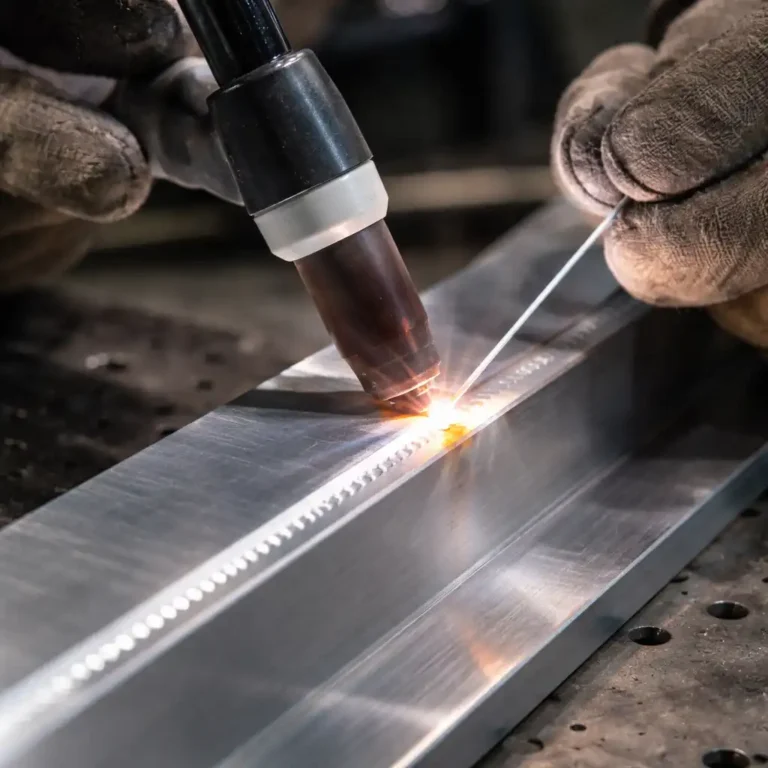
TIG welding is widely preferred for aluminium because it allows for detailed control and minimal contamination. It’s ideal for thin sheets and applications requiring fine, smooth weld seams—such as architectural elements or decorative metalwork.

 MIG Welding: Strength and Speed Combined

MIG welding offers faster results and is suited for thicker aluminium sections. It’s commonly used in construction and manufacturing, where strength and efficiency are crucial. This method ensures consistent weld quality, even in high-volume production settings.

Benefits of Professional Aluminium Welding

Enhanced Structural Integrity

Professional welding ensures that joints are as strong as the surrounding material, maintaining the full load-bearing capacity of aluminium structures. The use of advanced equipment and skilled workmanship reduces the risk of cracks, porosity, or deformation.

Cost and Time Efficiency

Professional services optimise productivity through efficient setup and high-quality outcomes. Businesses save time and reduce material waste, ensuring better value for every project. Precision welding also reduces maintenance needs, offering long-term savings.

Aesthetic and Functional Quality

For industries such as architecture or custom fabrication, the appearance of welds is just as important as their strength. Expert welders achieve smooth, uniform joins that enhance the overall visual appeal of aluminium components.

Choosing the Right Aluminium Welding Specialist

Skills, Certification, and Experience

Not all welders possess the expertise needed for aluminium. Choosing certified professionals ensures adherence to Australian standards and the use of correct welding parameters. Skilled technicians understand the unique properties of aluminium and can deliver results tailored to specific project requirements.

Equipment and Safety Compliance

Reputable welding specialists use advanced, calibrated equipment and maintain high safety standards. Proper ventilation, protective gear, and compliance with occupational health guidelines are non-negotiable aspects of any professional welding service.

Future Trends in Aluminium Welding

Technological Advancements and Automation

Automation and robotics are revolutionising aluminium welding by increasing precision and reducing error rates. Robotic welders are now capable of handling intricate tasks with consistent quality, especially in manufacturing environments.

Sustainable Welding Practices

With sustainability at the forefront, many welding operations are adopting eco-friendly methods. Efficient gas usage, recyclable aluminium materials, and energy-conscious processes contribute to reducing environmental impact while maintaining high production standards.

Conclusion

The demand for aluminium welding services continues to grow as industries seek reliable, durable, and aesthetically pleasing results. Whether for structural applications, transportation, or architectural projects, professional welders ensure aluminium components meet both strength and design expectations. By choosing experienced specialists and modern techniques, businesses can achieve superior weld quality that supports long-lasting, high-performance results.

aluminium privacy screens

A Practical Guide To Aluminium Privacy Screens

Homeowners often look for ways to balance style, function, and privacy. One solution that has gained popularity is aluminium privacy screens. These installations not only improve the look of a property but also serve a practical purpose. Aluminium privacy screens are durable, versatile, and designed to suit different outdoor and indoor needs. Whether used in gardens, balconies, or patios, they create a modern finish while offering protection and seclusion.

What are aluminium privacy screens used for?

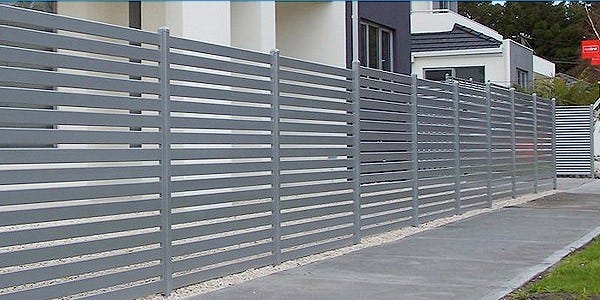
Aluminium screens are designed to provide privacy without completely shutting off light or airflow. They work well in outdoor areas where neighbours are close by, such as courtyards or terraces. Many people use them to section off areas for relaxation or entertainment. They can also be placed near windows or along fences to limit visibility while keeping the space open and fresh. Beyond privacy, these screens act as a decorative feature, adding texture and design to plain walls or spaces.

Are aluminium privacy screens durable?

Durability is one of the strongest benefits of aluminium. Unlike timber, it does not warp, rot, or attract pests. Aluminium screens are resistant to rust, making them ideal for coastal regions where moisture and salt are common. Their powder-coated finish further enhances their lifespan, ensuring the colour remains intact for years. With minimal maintenance, aluminium screens can handle harsh sun, rain, and wind without losing their structural strength or appearance.

How do aluminium privacy screens improve property value?

Privacy and security are often top priorities for property buyers. Aluminium screens provide both while adding visual appeal. A home with well-designed screening can feel more secure and comfortable, creating a positive impression. These installations also show that the property is well-maintained, which can boost value in competitive markets. Since aluminium comes in a range of styles and finishes, it allows owners to choose a look that complements their architecture, increasing aesthetic value.

Can aluminium privacy screens be customised?

Yes, customisation is one of the reasons people choose aluminium. Screens are available in various designs, from simple slats to intricate patterns. Depending on the level of privacy required, spacing between panels can be adjusted. They can be made to fit specific areas, whether it is a large patio divider or a small balcony screen. Colour choices are also wide, enabling homeowners to match them with fences, gates, or existing structures. This flexibility makes them suitable for both modern and traditional properties.

How do aluminium privacy screens compare to other materials?

When compared to wood or steel, aluminium offers a balanced combination of strength, weight, and appearance. Wooden screens may look natural but require ongoing treatment to prevent damage. Steel is strong but prone to rust without regular maintenance. Aluminium stands out as it is lightweight yet durable, corrosion-resistant, and easy to care for. It provides a long-term solution without the need for constant repairs or replacements.

Are aluminium privacy screens easy to maintain?

Maintenance is straightforward. A simple wash with mild detergent and water is usually enough to keep them looking new. Unlike materials that need painting or sealing, aluminium retains its finish with little effort. This makes it a cost-effective choice over time, as ongoing upkeep is minimal. For busy households, this low-maintenance aspect is a major advantage.

Conclusion

Aluminium privacy screens offer a stylish, durable, and practical way to create seclusion and enhance outdoor or indoor spaces. Their resistance to weather, ease of maintenance, and customisable options make them a popular choice among homeowners. Whether the goal is to add privacy, increase property value, or achieve a modern aesthetic, aluminium privacy screens provide a reliable solution.

Precision And Performance: The Value Of Professional Aluminium Welding Services

Aluminium is one of the most versatile metals used across industries in Australia—from architecture and construction to marine and automotive applications. Its strength-to-weight ratio, corrosion resistance, and sleek appearance make it a favourite among builders, designers, and manufacturers. However, working with aluminium isn’t straightforward. It requires specialist skills, tools, and techniques—especially when it comes to welding.

That’s why partnering with a team that provides expert aluminium welding services is crucial. Whether you need custom aluminium framing, intricate joinery, or robust marine components, precision welding ensures performance, longevity, and visual appeal.

Why Is Aluminium Welding So Unique?

Requires Specialist Techniques
Unlike steel, aluminium conducts heat very quickly and has a lower melting point. This makes it more prone to warping, burn-through, and cracking if not handled properly.

Oxidation Challenges
Aluminium naturally forms an oxide layer that melts at a much higher temperature than the base metal. Welders must remove this layer with precision for proper weld fusion.

Different Alloys, Different Behaviours
There are many types of aluminium alloys, each with its own welding characteristics. Professional welders understand which filler metals and methods to use for each one.

Need for Clean Work Environment
Aluminium welding is highly sensitive to contaminants like oil, dirt, and even dust. The cleaner the workspace and materials, the better the weld.

Aesthetic Considerations
Aluminium is often used in visible architectural or custom applications. Quality welds must not only be strong—but clean and visually seamless.

Where Are Aluminium Welding Services Commonly Used?

Construction and Architecture
From window and door frames to feature screens and pergolas, aluminium components require clean, strong welds for structural and aesthetic integrity.

Marine and Boating Applications
Aluminium’s corrosion resistance makes it ideal for boat hulls, tinnies, pontoons, and marine accessories. Precision welding is critical in saltwater environments.

Automotive and Trailers
Lightweight yet strong, aluminium is used in custom ute trays, trailers, truck bodies, and 4WD accessories that demand durable welded joints.

Industrial Equipment and Frames
Conveyors, machinery guards, and modular structures often use aluminium frames, which must be welded accurately for operational reliability.

Signage and Displays
In retail and commercial spaces, aluminium is frequently welded to create clean signage frames and display structures.

What Should You Look for in Aluminium Welding Services?

Certified and Experienced Welders
Working with aluminium demands advanced knowledge and skills. Look for teams certified to AS 1796 or similar Australian welding qualifications.

Specialised Equipment
Aluminium welding typically involves TIG (Tungsten Inert Gas) welding or MIG (Metal Inert Gas) methods with appropriate shielding gases like argon.

Custom Fabrication Support
The best providers offer more than welding—they’ll help with measuring, design input, prototyping, and post-weld finishing if required.

Mobile Welding Options
Some projects require on-site aluminium welding, such as repairs to trailers or boat parts. Mobile services can save time and reduce transport costs.

Attention to Finishing
After welding, aluminium surfaces may need smoothing, buffing, or powder coating. Choose a provider who ensures a clean finish that aligns with your design.

How to Ensure a Quality Aluminium Welding Outcome?

Start with Accurate Design and Measurement
Successful welding depends on precise cuts and fits. Provide clear drawings or work with a fabricator who can produce accurate shop drawings.

Choose the Right Welding Method
TIG welding offers a cleaner, more precise finish, ideal for visible welds. MIG is faster and suitable for thicker sections or industrial use.

Don’t Skip Pre-Weld Cleaning
Even slight contamination can weaken the weld. Ensure parts are cleaned of grease, oil, oxide layers, and dust before welding begins.

Test Welds for Critical Applications
For structural or marine use, testing welds (via visual inspection, dye penetrant testing, or x-ray where needed) ensures strength and reliability.

Maintain Post-Weld Protection
If your component is used outdoors, consider additional corrosion protection through anodising, powder coating, or sealing.

Conclusion

Expert aluminium welding services are essential for achieving structural integrity, durability, and a polished finish, especially when aluminium plays a central role in your design or function. From high-precision architectural builds to rugged marine and automotive applications, quality welding ensures your components perform under pressure and look the part. Don’t settle for general fabrication when aluminium calls for specialist attention—choose a provider with the tools, experience, and dedication to get it right the first time.

Expert Aluminium Welding Services: Enhancing Durability And Design In Metal Fabrication

Aluminium has risen to prominence in metal fabrication thanks to its lightweight, corrosion-resistant properties. Its applications are diverse, ranging from automotive and aerospace industries to construction and custom design projects. However, working with aluminium presents unique challenges, particularly in welding, which requires specialised skills and expertise. Aluminium welding services are essential for ensuring that aluminium components are not only strong and durable but also visually appealing.

The Challenges of Aluminium Welding

Welding aluminium is more complex compared to welding other metals like steel. One of the primary challenges is aluminium’s lower melting point, which is around 660°C, compared to steel’s higher melting point. This lower melting point means that aluminium can easily become overheated, leading to warping or distortion if not managed properly. Additionally, aluminium has high thermal conductivity, which means it disperses heat quickly, making it more difficult to maintain the correct welding temperature.

Moreover, aluminium tends to form an oxide layer on its surface that needs to be removed before welding. This oxide layer has a melting point significantly higher than that of the aluminium itself, which can create difficulties in achieving a clean weld. Aluminium welding services employ skilled welders who are trained to handle these challenges effectively. They use techniques and equipment specifically designed to manage the unique properties of aluminium, ensuring that the welds are clean, strong, and precise.

Applications of Aluminium Welding

The versatility of aluminium makes it suitable for a range of applications across various industries. In the automotive sector, aluminium is often used to manufacture parts that need to be lightweight yet strong, such as engine components, chassis parts, and body panels. The reduced weight of aluminium contributes to fuel efficiency and performance in vehicles.

In the aerospace industry, aluminium’s lightweight nature is crucial for reducing the overall weight of aircraft, which can lead to significant fuel savings and improved performance. Aluminium welding services play a vital role in creating and repairing aircraft components, ensuring they meet the stringent safety and performance standards of the industry.

In construction, aluminium is frequently used for window frames, roofing systems, and structural elements. Its resistance to corrosion and aesthetic appeal make it a popular choice for both residential and commercial buildings. Aluminium welding ensures that these components are not only functional but also maintain a high standard of appearance and durability.

Advanced Welding Techniques

To overcome the challenges of aluminium welding and achieve the best results, aluminium welding services employ advanced techniques such as TIG (Tungsten Inert Gas) welding and MIG (Metal Inert Gas) welding.

TIG welding is particularly valued for its precision and control. It uses a tungsten electrode to produce the weld, with an inert gas protecting the weld area from contamination. This technique is ideal for thin aluminium sections and produces high-quality welds with excellent finish and strength. MIG welding, on the other hand, involves feeding a continuous wire electrode through a welding gun, which melts and joins the aluminium pieces. This method is well-suited for thicker sections and provides a faster welding process compared to TIG.

Both techniques offer advantages depending on the specific requirements of the project. TIG welding is often preferred for detailed work where aesthetics and strength are critical, while MIG welding is chosen for its efficiency in larger-scale applications.

Quality Assurance in Aluminium Welding

Quality assurance is paramount in aluminium welding services. Given the specific challenges associated with welding aluminium, thorough testing is conducted to ensure that the welds meet required standards. This includes evaluating the welds for strength, durability, and resistance to corrosion.

Rigorous quality control measures ensure that each weld adheres to industry standards and performs reliably under various conditions. This testing process is crucial to ensure that the final product meets both functional and aesthetic expectations.

Conclusion

Aluminium welding services are crucial for enhancing the durability and design integrity of aluminium components across multiple industries. By leveraging advanced techniques and the expertise of skilled professionals, these services deliver precision and quality that meet the demands of modern metal fabrication. Whether for industrial applications or custom design projects, expert aluminium welding ensures that components are both reliable and visually appealing, contributing significantly to the success of diverse applications.