

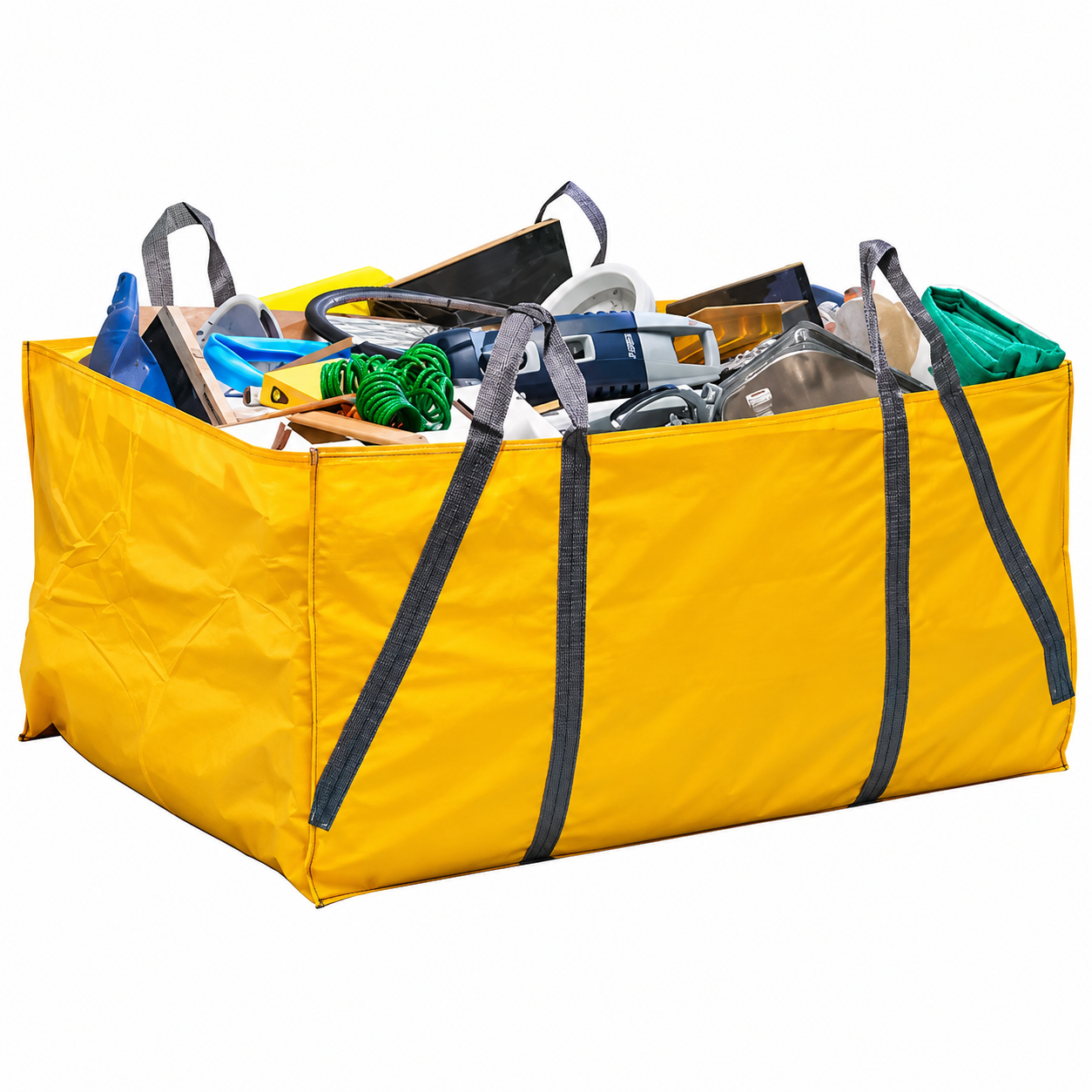
The last step of any clean-up is getting the rubbish taken away, and a little preparation makes it quick and stress free. If you are organising skip bag collection in Sydney, this checklist covers what to do before the collection vehicle arrives so your site is safe, accessible and ready.
Check the Bag Is Not Overfilled
Before booking, look at how full the bag is. Waste should sit within the recommended level and not stick out above the top. An overfilled bag can be unsafe to lift and may cause delays, so remove a few items if needed.
Confirm the Weight Is Reasonable
Heavy materials such as soil, bricks and tiles can make a bag too heavy even when it looks only half full. Ask your provider about weight guidance and take out heavy items if you are unsure.
Clear the Access Path
Make sure the collection vehicle can reach the bag. Move parked cars, bins and garden furniture, and check for low branches or overhead wires. A clear path lets the driver work quickly and safely.
Check Placement Rules
If the bag is on a street or nature strip, confirm that this is allowed in your area. Local rules differ, and it is better to check than to face a problem on collection day.
Secure Loose Items
Tie down or contain light materials that could blow out, such as plastic, paper and offcuts. Loose items can end up on the road or in neighbouring yards, which is untidy and may cause problems.
Remove Restricted Materials
Some items are not accepted in skip bags. Go through the contents and take out anything that should not be there. Keep these items aside and arrange suitable disposal separately.
Keep People and Pets Away
Make sure children and pets stay clear while the bag is being lifted. Let others on site know when collection is due so that nobody is working beneath or near the bag.
Be Available if Needed
If possible, keep your phone nearby in case the driver needs to confirm details. Being reachable avoids delays and helps resolve questions quickly, especially if access has changed since you booked.
Tidy Up Afterwards
Once the bag has gone, sweep the area and check that nothing has been left behind. Return any items you moved and make sure the spot is ready for the next stage of your project.
Take Photos Before Collection
Take a quick photo of the bag and the surrounding area before it is collected. Photos give you a simple record of the load and the condition of the site, which is helpful if any question comes up later.
Plan for Bad Weather
Rain can make waste heavier and the ground slippery. Cover the bag if wet weather is forecast and check that the access path is safe. Good preparation keeps collection on schedule whatever the conditions.
Final Thoughts
Skip bag collection goes smoothly when you prepare. Check the load, clear the access, secure loose items and keep everyone safe. A few minutes of planning saves time and keeps your site tidy.