

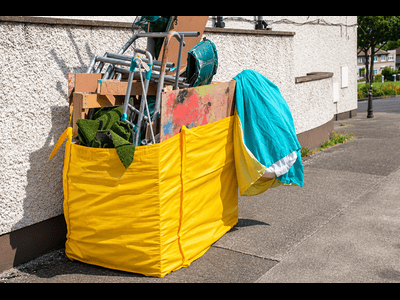
Townhouses, units and homes with narrow driveways can make waste removal tricky. If you are considering skip bags in Sydney, this guide shares practical tips for fitting a bag into a tight space, loading it safely and arranging collection without getting in the way of neighbours.
Measure Your Available Space
Before ordering, measure the area where the bag will sit. Allow room around it for loading and for the collection vehicle to place and lift it. Knowing your measurements helps you choose a size that fits comfortably.
Choose a Suitable Size
Smaller bags are easier to position in confined areas. Think about how much waste you expect and whether it can be handled in one bag. If not, consider two smaller bags instead of one large one.
Pick a Level Surface
A flat, firm surface keeps the bag stable and makes loading easier. Avoid soft ground, steep slopes and places where water pools. Check that the surface is clear of sharp objects.
Think About Access
Look at the route the vehicle will take. Narrow lanes, tight corners and overhead obstacles can all affect collection. Move cars and bins out of the way ahead of time to give the driver room.
Respect Your Neighbours
Tell neighbours about the project and when the bag will arrive. Avoid blocking shared driveways or footpaths and keep the area tidy. A little communication prevents complaints and keeps things friendly.
Check Rules for Shared Properties
If you live in a strata building or shared complex, check with the manager before ordering. There may be rules about where bags can be placed and when work can be done. Getting approval first avoids problems.
Load Without Spreading Mess
Work in an organised way and keep debris contained. Sweep up as you go so that dust and offcuts do not spread across shared areas. A clean working area is safer and more considerate.
Keep the Load Within Limits
Avoid overfilling the bag, since this makes it unsafe to lift and awkward to collect. Follow your provider guidance on weight and contents, especially for heavy materials.
Plan Collection Carefully
Arrange collection when the bag is nearly full and make sure the area is clear on the day. Good timing prevents the bag from becoming an obstruction for longer than necessary.
Use Vertical Space Wisely
When floor space is limited, pack waste neatly so that more fits inside the bag. Flatten boxes, break down offcuts and place heavier items at the bottom. Careful loading can reduce the number of bags you need and keeps costs down.
Cover the Bag if Needed
A cover or tarp keeps rain out and stops light items blowing away. This is especially useful in small outdoor areas where wind can carry debris into neighbouring spaces.
Final Thoughts
A tight space does not have to be a barrier to tidy waste removal. Measure carefully, choose the right size and communicate with neighbours. With good planning, a skip bag can work well even on a smaller property.