

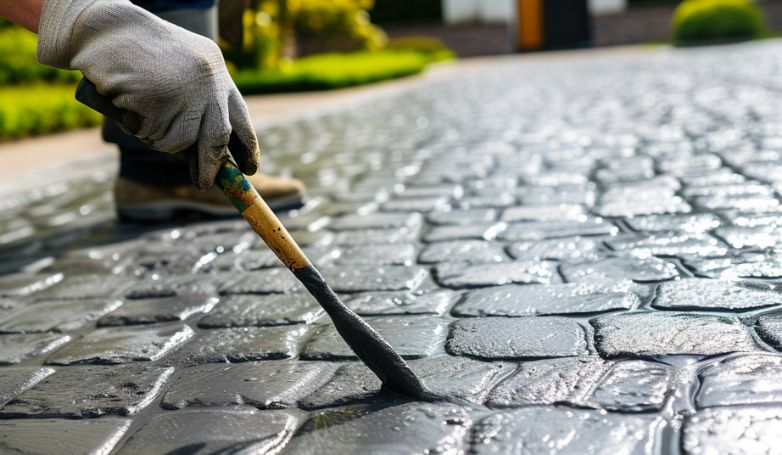
Stone surfaces add a natural charm and timeless appeal to Australian homes. From polished marble bench-tops and granite flooring to sandstone pathways and outdoor paving, natural stone creates an elegant finish that suits a variety of interior and exterior styles. However, regular exposure to moisture, dirt, spills and changing weather conditions can gradually affect its appearance. This is where stone sealing services become important, as a suitable protective treatment helps preserve the natural qualities of stone while reducing the risk of stains and surface damage. Proper sealing also makes everyday cleaning easier and helps maintain the overall condition of stone features.
1. Protection Against Changing Weather Conditions
Australia experiences different weather patterns throughout the year, including hot summers, heavy rainfall, humid conditions and occasional frost in colder regions. Outdoor stone surfaces are particularly vulnerable to these environmental changes.
Without suitable protection, moisture can penetrate porous stone, potentially contributing to surface deterioration, staining and discolouration. Prolonged exposure to sunlight can also affect certain stone finishes.
A professional sealing treatment helps reduce water absorption and protects the surface from everyday environmental exposure. This is particularly useful for sandstone paving, outdoor steps, garden pathways and stone entertaining areas. Choosing a suitable sealant for the stone type helps maintain its condition throughout changing seasons.
2. Preventing Stains and Surface Damage
Natural stone often contains tiny pores that can absorb liquids, oils and other substances. Everyday accidents, such as spilled coffee, cooking oil, wine or cleaning products, can leave noticeable marks when the surface is not adequately protected.
Stone sealing creates a protective barrier that reduces the penetration of these substances into the material. As a result, accidental spills become easier to clean before permanent marks develop.
This protection is especially beneficial for kitchen bench-tops, bathroom vanities, dining areas and outdoor entertaining spaces. Although sealing does not make stone completely stain-proof, it provides an additional layer of defence against common household spills and surface contamination.
3. Extending the Life of Natural Stone
Natural stone is valued for its strength and durability, but regular use and environmental exposure can gradually affect its condition. Foot traffic, moisture, dirt and unsuitable cleaning products may contribute to surface deterioration over time.
Regular sealing helps minimise the absorption of damaging substances and supports the long-term condition of stone installations. When combined with appropriate cleaning and maintenance, a suitable sealant can help reduce the likelihood of avoidable repairs.
For homeowners with marble floors, limestone walls, granite bench-tops or sandstone paving, preventive care can make a noticeable difference. Maintaining stone surfaces properly also helps avoid the expense associated with extensive restoration or replacement.
4. Improving the Natural Appearance of Stone
One of the main reasons homeowners choose natural stone is its distinctive appearance. Every piece features individual colours, textures, patterns and natural variations that contribute to its character.
A suitable stone sealer can enhance these features while helping maintain a consistent finish. Depending on the product selected, the treatment may provide a natural, matte or enhanced appearance.
Some sealants deepen the colour of certain stones, while others preserve a more understated finish. Selecting the correct product is important because different materials respond differently to sealing treatments.
Professional advice helps ensure that the chosen finish complements the surrounding interiors, flooring, walls and outdoor landscaping without compromising the natural character of the stone.
5. Making Everyday Cleaning Easier
Cleaning porous stone surfaces can become challenging when dirt, grease and moisture settle into the material. Unprotected surfaces may require additional effort to remove stubborn marks, particularly in busy household areas.
Sealed stone is generally easier to maintain because the protective treatment reduces the absorption of liquids and contaminants. Routine cleaning with a soft cloth, suitable stone cleaner and clean water is often sufficient for everyday care.
A few simple maintenance habits can also help preserve the finish:
- Wipe up spills promptly to minimise staining.
- Avoid harsh acidic cleaners on sensitive stone materials.
- Use pH-neutral cleaning products recommended for natural stone.
- Remove loose dirt and grit regularly to reduce surface abrasion.
- Follow the recommended maintenance schedule for the applied sealant.
These practices help keep stone flooring, bench-tops and outdoor surfaces looking attractive for longer.
6. A Cost-Effective Approach to Stone Maintenance
Stone installations can represent a considerable investment, particularly when premium materials are used across large areas of a property. Neglecting regular maintenance may result in staining, surface deterioration and expensive restoration work.
Professional sealing is a preventive measure that helps reduce these risks. Although the initial treatment involves an upfront expense, the added protection can help minimise future maintenance requirements.
Rather than waiting for visible damage to appear, periodic sealing allows homeowners to take a proactive approach to caring for valuable stone features. The frequency of treatment depends on the stone type, sealant quality, location and level of everyday use.
7. Professional Treatments for Different Stone Types
Not all natural stone materials have the same characteristics. Marble, granite, limestone, travertine and sandstone differ in porosity, hardness and sensitivity to certain treatments. Therefore, using a single sealing product for every surface may not deliver suitable results.
Professional stone sealing services involve assessing the material, its existing condition and the surrounding environment before selecting an appropriate treatment.
The process may include:
- Inspecting the stone for stains, cracks and existing surface damage.
- Cleaning the surface to remove dirt, residue and contaminants.
- Allowing the stone to dry before applying the selected treatment.
- Applying a suitable sealant according to the manufacturer’s instructions.
- Allowing the recommended curing time before regular use.
A tailored approach helps achieve more consistent results across indoor flooring, kitchen surfaces, bathroom features and outdoor stone installations.
FAQs About Stone Sealing Services in Australia
1. Why is sealing important for natural stone?
Sealing helps reduce moisture absorption, staining and everyday surface damage. It also supports easier cleaning and helps preserve the natural appearance of stone.
2. How often should stone surfaces be sealed?
The frequency depends on the material, location, usage and type of sealant. Some surfaces may require treatment every one to three years, while others may need less frequent attention. Professional assessment can help determine a suitable schedule.
3. Can stone sealing be completed as a DIY project?
DIY sealing is possible, but selecting the wrong product or applying it incorrectly can affect the finish. Professional application helps ensure suitable preparation, product selection and coverage.
4. Does sealing change the natural appearance of stone?
Not necessarily. Many sealants maintain the original appearance, while specialised products can create a colour-enhancing or wet-look finish. The final result depends on the selected product and stone type.
Conclusion
Natural stone requires proper care to retain its strength, beauty and functionality over the years. From reducing stains and moisture absorption to simplifying cleaning and supporting long-term durability, regular maintenance plays an important role in protecting valuable stone installations. Investing in stone sealing services is a practical way to maintain indoor and outdoor surfaces while preserving their natural appeal. With the right products, suitable application methods and consistent upkeep, homeowners can enjoy attractive stone flooring, bench-tops, pathways and other features for many years.