

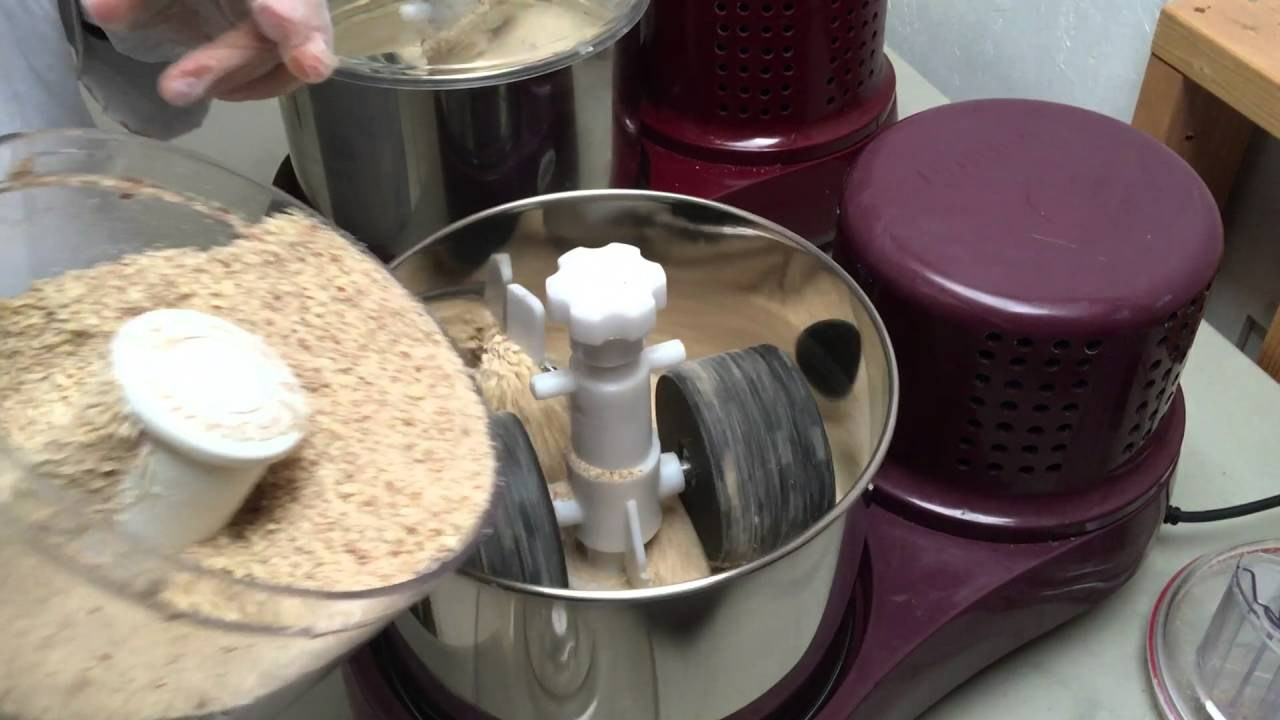
Making fresh nut butter requires efficient processing equipment that can turn whole nuts into a smooth, consistent paste. Whether you are producing peanut butter, almond butter, cashew spread or other nut-based products, the right machinery can improve productivity and simplify food preparation. A nut butter grinder is designed to process nuts into different textures, making it a valuable investment for food manufacturers, commercial kitchens and small-scale food businesses.
How Does a Nut Butter Grinder Operate?
A nut butter grinder uses specialised grinding components to break down nuts into smaller particles. During processing, the natural oils released from the nuts help create a thick and creamy consistency.
Depending on the machine’s design, users can adjust grinding settings to achieve a smooth paste or a slightly coarse texture. Some machines are designed for smaller batches, while commercial models can handle larger quantities for regular production.
Understanding the grinding mechanism and processing capacity can help businesses select equipment that matches their requirements.
Benefits of Investing in Nut Grinding Equipment
Producing nut butter manually can be time-consuming and difficult when working with large quantities. Dedicated grinding machinery helps streamline the process and achieve more consistent results.
Key advantages include:
- Smooth consistency: Process nuts into creamy pastes with suitable grinding settings.
- Improved productivity: Reduce manual effort and support faster processing.
- Versatile preparation: Grind different nuts depending on machine compatibility.
- Commercial efficiency: Support regular food production requirements.
- Adjustable texture: Create different finishes for spreads and food ingredients.
Actual results depend on the ingredients, machine specifications and operating conditions.
Different Applications of Nut Butter Machines
Nut grinding machines are suitable for preparing a variety of food products. They can process peanuts, almonds, cashews, hazelnuts and other compatible nuts into pastes for different applications.
Food manufacturers may use these pastes in confectionery, bakery products, sauces, desserts and speciality spreads. Cafés and small food businesses can also benefit from preparing fresh nut butter for their menus.
Before processing, check the manufacturer’s guidelines regarding ingredient preparation, machine compatibility and operating capacity.
What to Look for When Choosing a Grinder
Selecting suitable equipment involves evaluating several important specifications. Start by considering the expected production volume and the machine’s processing capacity. Motor power, grinding speed and texture adjustment options can also influence performance.
Other factors worth reviewing include:
- Food-grade materials for components that contact ingredients.
- Easy-to-clean grinding chambers and removable parts.
- Durable construction for regular operation.
- Suitable safety mechanisms and operating controls.
- Warranty coverage and access to replacement parts.
Comparing these features can help you choose equipment that supports your production needs.
Maintain Your Equipment for Reliable Performance
Regular cleaning and maintenance are essential for food processing machinery. Remove leftover ingredients according to the manufacturer’s cleaning instructions and inspect the grinding components for wear or damage. Avoid operating the machine beyond its recommended capacity, as this may affect performance.
Improve Your Food Processing Operations
Reliable grinding machinery can make nut butter production more efficient and manageable. Whether you are preparing small batches or handling commercial quantities, choosing the right equipment helps support consistent processing. Compare available models, review their technical specifications and select a grinder suited to your ingredients and production goals.