

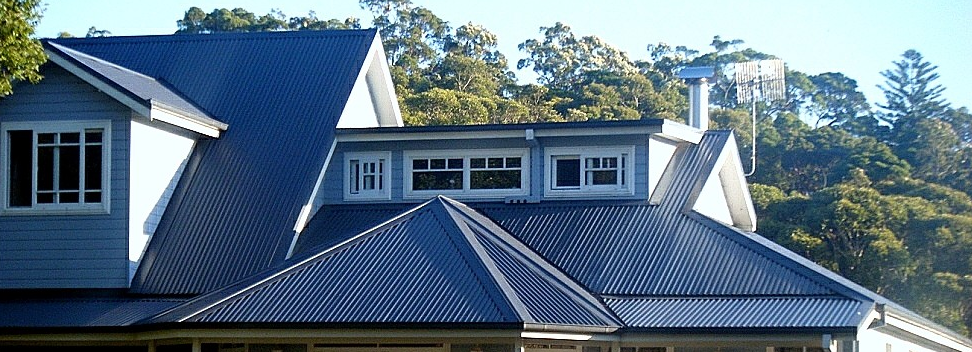
Choosing the right roofing materials is an important decision for homeowners, builders and contractors. A quality roof protects a property from changing weather conditions while improving its appearance, durability and overall value. Colorbond steel roofing is a popular choice across Australia because of its strength, lightweight design, weather resistance and wide range of colours. However, selecting the right materials involves more than comparing prices. Working with reliable colorbond roofing suppliers helps customers access suitable roofing products, understand available options and choose materials that meet their project requirements.
What Is Colorbond Roofing?
Colorbond roofing is a pre-painted steel roofing material manufactured for Australian building conditions. It features a protective coating system designed to help resist corrosion, maintain its appearance and provide long-term performance when correctly selected and installed.
It is commonly used for residential homes, commercial buildings, garages, sheds and industrial properties. Its combination of strength, versatility and modern appearance makes it suitable for different architectural styles.
Colorbond steel is available in various profiles, finishes and colours, allowing property owners to coordinate roofing with exterior walls, gutters, fascia and other building elements.
What Are the Benefits of Colorbond Roofing?
Colorbond roofing offers several advantages that make it a practical option for different construction projects.
Durability and Weather Resistance
Australian roofs are exposed to strong sunlight, heavy rain, wind and changing temperatures. Colorbond steel is designed to withstand challenging environmental conditions when the correct product is selected for the location.
Its protective coating system helps resist corrosion and supports long-term roofing performance.
Wide Range of Colours
Colour selection plays an important role in the overall appearance of a building. Colorbond roofing is available in a range of colours, making it easier to complement modern, traditional and contemporary property designs.
Homeowners can choose shades that coordinate with exterior finishes and surrounding landscapes.
Lightweight Construction
Steel roofing is generally lighter than many traditional roofing materials. This can reduce the structural load placed on a building, although the roof framing must still be designed to meet applicable building requirements.
Low Maintenance Requirements
Colorbond roofing generally requires less maintenance than some traditional roofing materials. However, regular inspections and appropriate cleaning are still important to remove accumulated dirt, leaves and other debris.
Thermal Performance Options
Some Colorbond products feature specially designed finishes that can help manage solar heat absorption. Selecting an appropriate colour and roofing system may contribute to indoor comfort and building energy performance.
What Types of Colorbond Roofing Are Available?
Understanding different roofing profiles and finishes can help customers select products that suit their building requirements.
Corrugated Colorbond Roofing
Corrugated roofing features a traditional wavy profile that provides a familiar appearance. It is commonly used for residential properties, sheds, garages and outdoor structures.
Standing Seam Roofing
Standing seam roofing features raised seams that connect adjoining panels. It offers a clean, modern appearance and is commonly considered for contemporary architectural projects.
Trimdek Roofing
Trimdek is a popular roofing and wall cladding profile featuring a trapezoidal design. Its appearance and structural characteristics make it suitable for various residential and commercial applications, subject to product specifications.
Custom Roofing Solutions
Some projects require specific sheet lengths, colours or profiles. Depending on the manufacturer’s product range and availability, customers may be able to order customised roofing materials to suit their building dimensions.
How to Choose the Right Roofing Materials for Your Property
Selecting appropriate roofing materials requires consideration of several factors.
Consider Your Location and Climate
Environmental conditions can influence roofing material selection. Properties near coastal areas may require products specifically suitable for marine environments because salt exposure can increase corrosion risks.
Discuss local conditions with a roofing professional before choosing a steel grade or coating system.
Check Product Specifications
Review the product’s thickness, coating specifications, profile dimensions and intended applications. These details help determine whether the material is appropriate for the project.
Compare Colours and Finishes
Choose a roofing colour that complements the property’s exterior design. It is also worth considering how different colours may affect heat absorption and overall thermal performance.
Understand Your Project Requirements
Residential homes, commercial buildings, sheds and industrial structures may require different roofing profiles and specifications. Consider roof pitch, building design, installation requirements and local building regulations.
Why Is Choosing a Reliable Roofing Supplier Important?
The quality and suitability of roofing materials can influence the performance of the entire roofing system. Working with an experienced supplier makes it easier to compare available products and obtain accurate technical information.
When evaluating colorbond roofing suppliers, consider the following factors:
- Product authenticity: Check whether the materials are genuine products from recognised manufacturers.
- Product range: Look for suitable roofing profiles, colours, finishes and accessories.
- Technical information: Choose businesses that provide clear product specifications and application details.
- Availability: Confirm stock availability and expected delivery timeframes.
- Pricing transparency: Request clear quotations that explain product quantities, specifications and additional costs.
- Customer support: Look for knowledgeable staff who can help clarify product selection and ordering requirements.
Taking time to compare suppliers can help avoid purchasing unsuitable materials and reduce unnecessary delays during construction.
What Accessories Are Required for a Colorbond Roofing Installation?
A roofing project involves more than steel sheets. Several accessories may be required to complete the roofing system properly.
Common roofing accessories include:
- Ridge capping for covering the roof junction.
- Flashings for sealing roof edges and connections.
- Gutters and downpipes for managing rainwater.
- Roofing screws and appropriate fasteners.
- Barge capping for protecting roof edges.
- Roof insulation and sarking where specified.
- Ventilation components for suitable airflow.
The exact accessories depend on the roof design, profile and installation specifications. Using compatible components helps create a properly functioning roofing system.
How to Maintain Colorbond Roofing
Although Colorbond roofing is designed for durability, regular maintenance helps preserve its condition.
Property owners should inspect their roofs periodically for accumulated leaves, dirt, damaged components and blocked gutters. Cleaning should follow the manufacturer’s recommendations to avoid damaging the protective finish.
It is also important to check areas around roof penetrations, flashings and connections, as these locations may require attention over time.
Any signs of corrosion, loose fasteners or water leakage should be assessed by a qualified roofing professional.
Frequently Asked Questions
Is Colorbond roofing suitable for Australian weather?
Yes. Colorbond steel is designed for Australian conditions, but the correct product and coating should be selected according to local environmental exposure and building requirements.
How long does Colorbond roofing last?
Its lifespan depends on product selection, environmental conditions, installation quality and maintenance. Following manufacturer recommendations and arranging regular inspections can help maintain roofing performance.
Is Colorbond roofing suitable for coastal properties?
Some Colorbond products are designed for environments with higher corrosion exposure. Coastal properties should use materials with suitable corrosion resistance based on their distance from the ocean and actual exposure conditions.
Does Colorbond roofing require regular maintenance?
Yes. Although it generally requires relatively little maintenance, periodic inspections and cleaning are recommended to remove debris and identify potential problems early.
Can Colorbond roofing be used for commercial buildings?
Yes. It is commonly used for commercial and industrial applications. The selected profile, material specifications and supporting structure must be suitable for the building design.
Conclusion
Colorbond steel roofing offers a practical combination of durability, appearance, versatility and relatively low maintenance requirements. Selecting the right profile, finish, colour and accessories is essential for achieving a suitable roofing solution. Property owners and builders should compare product specifications, consider local weather conditions and confirm installation requirements before purchasing materials. By working with reliable colorbond roofing suppliers, customers can make informed decisions and source suitable roofing products for residential, commercial and industrial construction projects.