

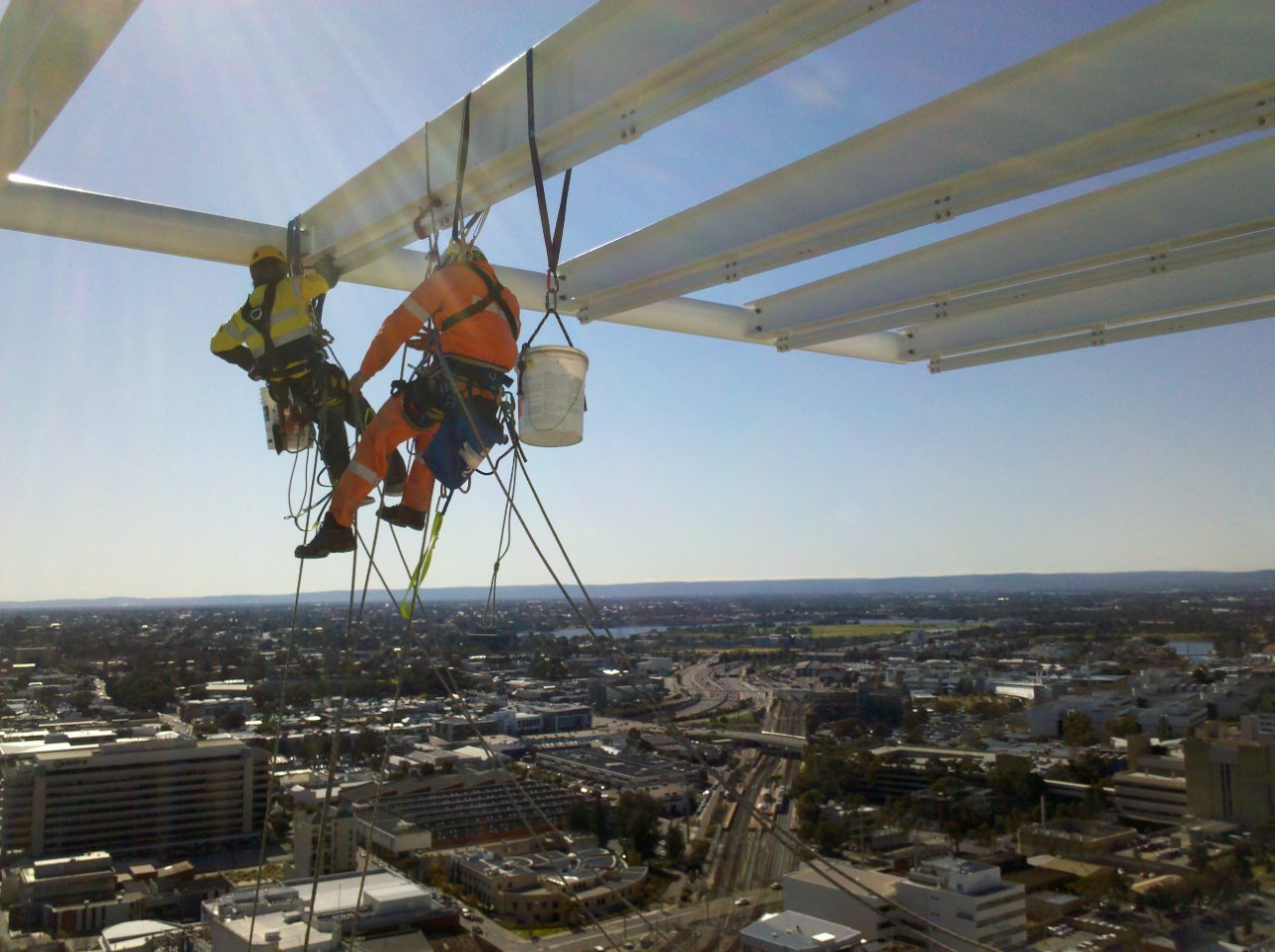
Working at heights is common in construction, roofing and maintenance across Australia. A fall can cause serious injury or loss of life. A carefully planned height safety installation helps reduce risks through suitable equipment, secure attachment points and practical protection. Planning must consider the worksite and the task.
Understanding the Importance of Height Safety
Falls remain a significant workplace hazard. Risks can arise from roof edges, ladders, fragile surfaces, scaffolds, platforms and floor openings. Even a fall from a low level can cause serious harm.
A safe approach begins with identifying hazards before work starts. Site managers should assess access requirements, surrounding structures, weather conditions and the duration of the task. The assessment should also consider whether work can be completed from the ground or through a safer alternative. Where working at height cannot be avoided, suitable controls should be selected and documented.
Choosing Suitable Safety Equipment
The right equipment depends on the work activity and site conditions. Common components include roof anchor points, static lines, guardrails, walkway systems, access ladders and fall-arrest equipment. Each component has a specific purpose, so selection should follow a professional assessment rather than convenience or price alone.
Roof maintenance, tower work and window cleaning can each require a different arrangement. Equipment must be compatible, correctly rated and appropriate for the structure. Fixed systems should be designed and installed by competent professionals in accordance with relevant Australian requirements and manufacturer instructions.
Planning the Installation Carefully
A successful installation starts with a detailed site inspection. The roof or structure should be checked for condition, materials, layout and capacity to support the proposed system. Hazards such as skylights, brittle roofing, uneven surfaces, overhead services and restricted access must also be considered.
The installation plan should identify suitable anchor locations, safe access routes and areas requiring edge protection. Installation records and instructions support future inspections and safe operation. A system that is poorly positioned or difficult to access may not provide the intended protection.
Inspection and Ongoing Maintenance
Height safety equipment requires regular inspection throughout its service life. Exposure to sunlight, rain, wind, dust and coastal conditions can contribute to corrosion, deterioration or damage. Heavy use and accidental impact may also affect performance.
Inspection frequency should reflect the equipment type, manufacturer guidance, applicable standards, site conditions and frequency of use. A competent person should complete checks and record the findings. Defective or suspect equipment must be taken out of service until assessed and, where necessary, repaired or replaced. Regular inspections help identify problems before work continues.
Training and Emergency Preparedness
Even a correctly installed system depends on proper use. Workers should receive training suited to the equipment and tasks involved. Training should cover harness fitting, equipment checks, approved anchor connections, system limitations and hazard awareness. Workers should also understand safe access procedures.
Emergency planning is equally important. A fall-arrest system may prevent a worker from striking the ground, but a suspended person can still face serious risks. A suitable rescue plan, appropriate equipment and trained personnel should be available before work begins. Rescue arrangements must be practical for the specific site.
Adapting Systems to Different Worksites
Australian worksites vary from city buildings and industrial facilities to regional infrastructure and remote locations. Weather, building design, roof materials and work activities can affect the most suitable safety solution. Coastal sites may require attention to corrosion, while exposed locations can face strong winds and changing weather.
A tailored system should support daily work without creating unnecessary obstacles. Safe walkways, guardrails and clearly marked access points can improve movement and reduce exposure to hazards. Review the system whenever a building, work process or access arrangement changes.
Conclusion
A reliable height safety installation is essential for protecting workers across Australian worksites. Careful hazard assessments, suitable equipment selection, professional installation, routine inspections and practical training all contribute to safer work at height. Emergency rescue planning and systems suited to local conditions are also vital. Treating height safety as an ongoing responsibility, rather than a one-off installation, can reduce risks, support compliance and create safer working conditions.