
Aluminium Pool Fencing Guide: Regulations, Advantages & Maintenance
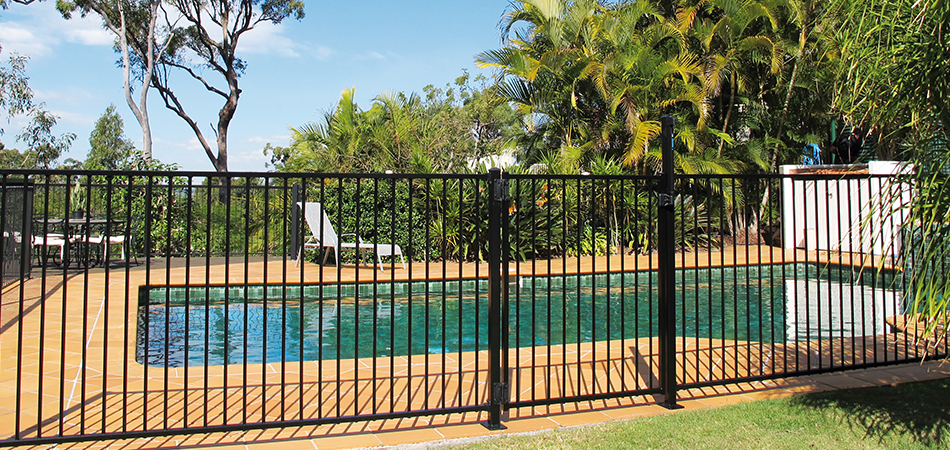
Aluminium pool fencing has become one of the most popular choices for residential and commercial swimming pools across Australia. Known for its strength, modern appearance, and low maintenance, aluminium fencing provides an effective safety barrier while enhancing the overall look of outdoor spaces. This guide explains pool fencing regulations, key advantages, and essential maintenance tips to help property owners make informed decisions.
Pool Fencing Regulations in Australia
Pool safety regulations are designed to prevent unsupervised access to swimming pools, particularly for young children. In most Australian states, including New South Wales, pool fencing must comply with the Australian Standard AS1926.1. These regulations outline specific requirements such as minimum fence height, gate functionality, spacing between vertical bars, and latch positioning.
Typically, aluminium pool fencing must be at least 1200mm high, with no gaps greater than 100mm that could allow a child to pass through. Gates must be self-closing and self-latching, opening outward from the pool area. Non-climbable zones must also be maintained around the fence to reduce the risk of climbing. Homeowners should always check local council guidelines, as requirements can vary by location and pool type.
Advantages of Aluminium Pool Fencing
One of the main benefits of aluminium pool fencing is its durability. Aluminium does not rust, making it ideal for outdoor environments exposed to water, chemicals, and changing weather conditions. This corrosion resistance ensures a long service life, even in coastal or high-humidity areas.
Aluminium pool fencing is also lightweight yet strong, allowing for secure installation without excessive structural load. Its clean lines and powder-coated finishes complement modern and traditional landscapes alike. Available in a variety of colours, styles, and heights, aluminium fencing can be customised to suit different property designs while maintaining compliance.
Another key advantage is visibility. Slim vertical bars provide clear sightlines into the pool area, allowing easy supervision of swimmers without compromising safety. Compared to other materials, aluminium fencing offers an excellent balance between security, aesthetics, and affordability.
Maintenance and Care Tips
Aluminium pool fencing is valued for its low maintenance requirements. Regular cleaning with mild soap and water is usually sufficient to remove dirt, dust, and salt residue. This simple routine helps maintain the fence’s appearance and protective coating.
Gates and hinges should be inspected periodically to ensure smooth operation and compliance with safety standards. Self-closing mechanisms and latches must function correctly at all times. Tightening loose fittings and addressing minor issues early can prevent more significant repairs later.
In coastal or high-exposure areas, more frequent cleaning may be required to protect the powder-coated finish. Avoid using abrasive cleaners or harsh chemicals, as these can damage the surface and reduce the lifespan of the fence.
Choosing the Right Aluminium Pool Fence
Selecting the right aluminium pool fencing involves considering safety, style, and local compliance requirements. Professional installation is strongly recommended to ensure the fence meets all regulatory standards and performs effectively over time. Quality materials, precise installation, and routine maintenance together ensure a safe and visually appealing pool environment.
Conclusion
Aluminium pool fencing offers a reliable, stylish, and long-lasting solution for pool safety. By understanding regulations, recognising the advantages, and following proper maintenance practices, property owners can enjoy peace of mind while enhancing the value and appearance of their outdoor spaces. With its combination of strength, visibility, and minimal upkeep, aluminium pool fencing remains a smart choice for modern pool areas.