
Are Changing Lighting Trends Redefining Modern Australian Spaces?
Lighting in Australian homes and commercial interiors is no longer treated as a background detail. Design choices now focus on how light shapes mood, productivity, and visual identity. Homeowners and business owners alike are questioning whether plain ceiling lights still fit modern expectations. This shift has pushed feature lighting into the spotlight, with hexagon lights gaining attention for their structured appearance and adaptable layouts. From garages to living rooms, hexagon lights are increasingly viewed as a design element rather than just a source of illumination.
Why Are People Looking Beyond Standard Ceiling Lights?
Standard lights often serve one function—brightness—without adding personality. As interiors become more customised, lighting is expected to do more. Australians are exploring lighting that complements architecture, highlights zones, and enhances spatial flow. Instead of a single fixture, modular systems allow creativity. This change explains why geometric lighting is becoming common in new builds and renovations across residential and commercial settings.
What Makes Geometric Lighting Feel More Contemporary?
Geometric lighting introduces balance and symmetry, which naturally appeals to modern design preferences. Clean lines and repeating shapes bring order to a space without overwhelming it. Unlike decorative chandeliers or minimal downlights, geometric designs strike a balance between visual interest and practicality. They also suit a wide range of styles, from industrial to minimalist, making them easy to integrate into existing interiors.
How Do Hexagon Lights Fit Into Today’s Design Choices?
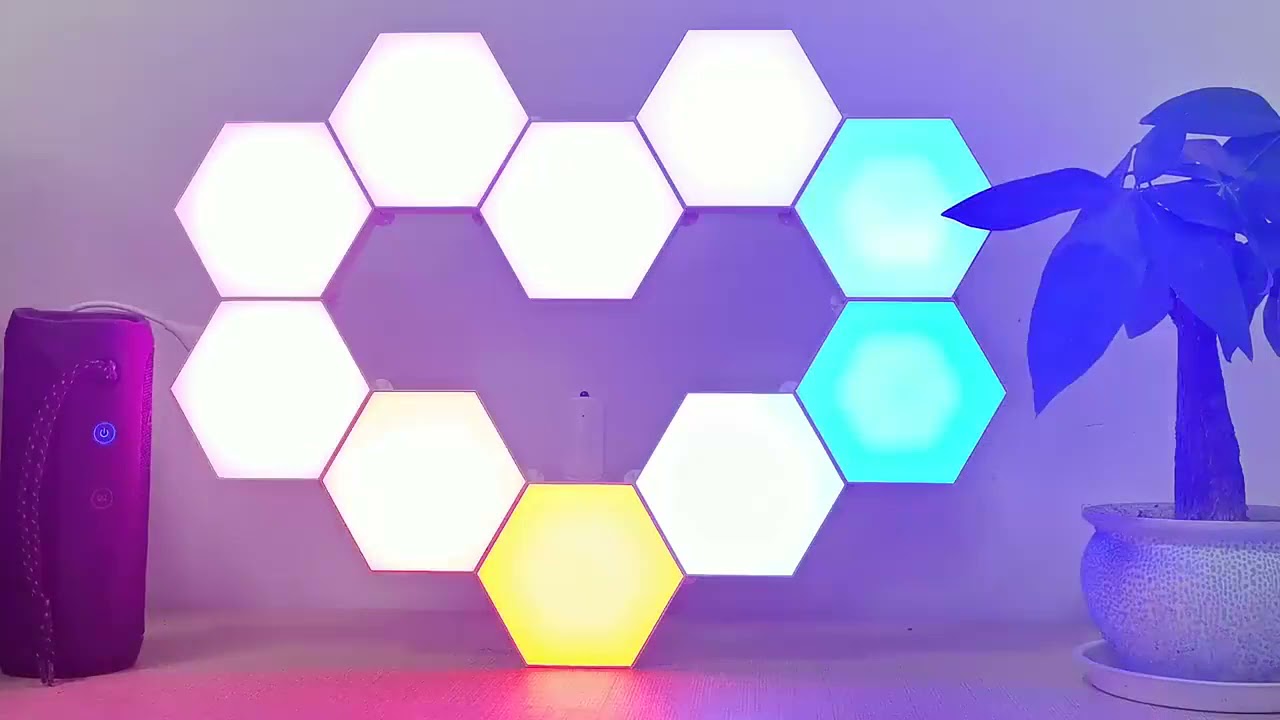
In the middle of modern lighting discussions, hexagon lights stand out for their flexibility. The six-sided shape allows endless configuration options, whether installed as a compact cluster or expanded across a ceiling. This modular quality means hexagon lights can evolve as a space changes, making them suitable for growing households, home studios, and commercial fit-outs.
Because layouts can be customised, hexagon lights often feel purpose-built rather than generic. Their presence naturally draws attention upward, adding visual depth and making ceilings appear higher.
Are Hexagon Lights Only Chosen for Their Visual Impact?
While appearance is a major factor, hexagon lights also deliver practical benefits. Many designs provide even light distribution, reducing shadows and dark corners. This makes hexagon lights popular in work-focused environments such as garages, gyms, and creative studios. LED technology further adds to their appeal by supporting energy efficiency and longer lifespan, aligning with sustainability goals common in Australian households.
Where Are Hexagon Lights Commonly Used?
The versatility of hexagon lights allows them to work across different environments. In homes, they enhance kitchens, home offices, and media rooms. In commercial spaces, hexagon lights are often used in salons, showrooms, and retail interiors where visual impact matters. Their structured design helps define zones without physical barriers, making open-plan layouts feel more organised.
Can Hexagon Lights Influence Mood and Productivity?
Lighting has a direct effect on how people feel in a space. Hexagon lights can create an energising atmosphere when installed brightly and expansively, or a calmer environment with softer illumination. Their geometric order adds a sense of structure, which many people associate with focus and clarity. This is one reason hexagon lights are often chosen for workspaces and creative areas.
Are Hexagon Lights Likely to Remain Relevant?
Rather than being a short-lived trend, hexagon lights reflect a broader move towards adaptable and design-led lighting solutions. Their modular nature supports long-term use, as layouts can be reconfigured instead of replaced. For Australians seeking lighting that balances style, flexibility, and function, hexagon lights continue to stand out as a thoughtful and modern choice.