
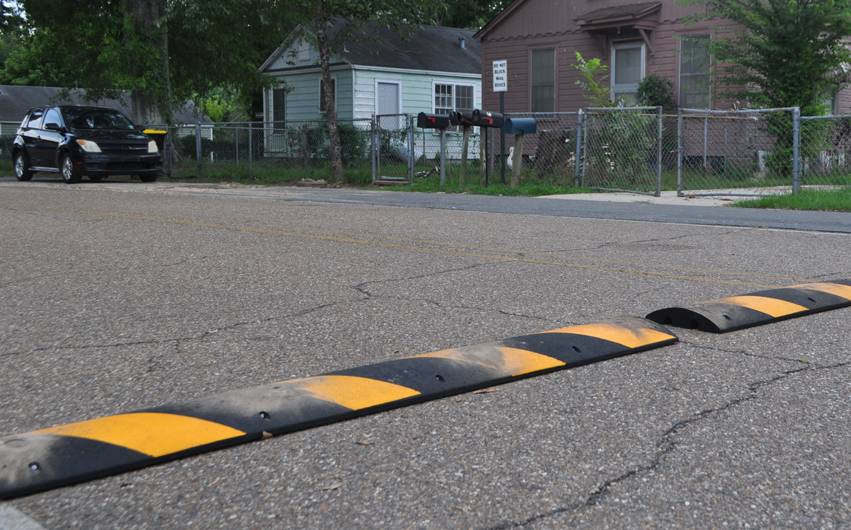
Are Speed Humps in Sydney Making Our Roads Safer?
With increasing urban traffic and growing concerns about pedestrian safety, many local councils and private property managers in Sydney are turning to speed humps as a traffic-calming solution. But are these installations genuinely effective, or just another road obstruction? Let’s explore the practical value of speed humps in Sydney.
What Role Do Speed Humps Play in Urban Traffic Control?
Speed humps are not just physical barriers; they are strategic tools designed to reduce vehicle speeds in high-risk areas. Whether placed near schools, hospitals, shopping centres or residential streets, their primary goal is to encourage cautious driving.
Unlike speed bumps, which are often abrupt and uncomfortable, speed humps have a gentler incline that slows cars without abrupt jolts—making them suitable for public roads and shared zones.
Why Are Speed Humps Common Across Sydney Suburbs?
Sydney’s rapid urbanisation has led to increased traffic congestion and a higher incidence of road accidents in suburban areas. Councils and strata communities have responded by implementing speed humps in Sydney to:
- Reduce speeding in residential and school zones
- Enhance pedestrian safety in high-traffic areas
- Protect children and elderly residents in shared spaces
- Manage vehicle flow within commercial car parks and private estates
Their widespread use reflects a growing commitment to safety without resorting to harsher enforcement measures like speed cameras or fines.
Are All Speed Humps the Same?
Not at all. In Sydney, speed humps are available in various materials, designs, and sizes. Common options include:
- Asphalt speed humps – Ideal for permanent roadways
- Modular plastic humps – Suitable for temporary or private use
- Wide-profile humps – Used in busier or commercial roads
Each type serves a different function depending on traffic volume, desired speed control, and local council guidelines.
Are There Legal Standards for Installation in Sydney?
Yes. In NSW, speed hump design and placement must follow the guidelines outlined by Transport for NSW and the Australian Standards (AS 1742.13). These cover factors like:
- Width and height of humps
- Appropriate signage and visibility
- Spacing between multiple humps
- Night-time reflectivity and paint markings
Non-compliant installations can lead to liability issues, so it’s essential to work with experienced providers who understand regulatory requirements.
What Are the Benefits for Private Properties?
For strata complexes, retail centres, and industrial sites, installing speed humps helps reduce liability, improve safety, and create a more organised flow of traffic. When combined with signage and bollards, they offer a complete traffic-calming solution tailored to specific site needs.
Final Thoughts
Speed humps in Sydney are more than traffic control tools—they’re an investment in community safety. As more local areas adopt preventative measures, the importance of using compliant, high-quality speed humps continues to grow. Whether for public roads or private properties, the message is clear: slowing down saves lives.