Author: Steven

Buy Australian Made Dish Soap: What to Consider for Everyday Cleaning

Dishwashing is one of those everyday household tasks where the cleaning product needs to be effective, easy to use and suitable for regular kitchen routines. For shoppers who prefer locally produced household products, choosing to buy Australian made dish soap can be an option worth considering. Looking beyond the label and understanding ingredients, formulation, packaging and cleaning needs can help make the selection more practical.

Australian-made products can come in a variety of formulations, so there is no single type that will suit every household. Comparing the details can help you find a dish soap that fits your preferences and everyday requirements.

What Should You Look for in a Dish Soap?

A good dishwashing liquid needs to handle common kitchen messes without making the washing process unnecessarily difficult. Grease, food residue and oils can all require different levels of cleaning power.

When comparing products, consider:

  • Cleaning performance: Look for a formulation designed to handle everyday food and grease.
  • Ingredient information: A clearly listed ingredient panel can make it easier to understand what is in the product.
  • Scent: Fragrance preferences vary, so scented and fragrance-free options may appeal to different households.
  • Concentration: A concentrated formulation may require only a small amount for each wash.
  • Packaging: Bottle size, dispenser design and refill options can influence convenience and waste.
  • Skin considerations: People who wash dishes frequently may prefer formulations that feel comfortable on their hands.

Why Consider Australian-Made Products?

Choosing locally made household products can appeal to shoppers who want to support Australian manufacturing and businesses. It can also make product origin an important part of the purchasing decision.

However, “Australian made” and “Australian owned” do not necessarily mean the same thing. Shoppers who specifically want locally manufactured products should check the product information and relevant labelling to understand where the product was made.

How Does the Formulation Affect Cleaning?

Dish soap typically contains ingredients designed to loosen and remove oils and food residues from surfaces. Different formulations may use different combinations of cleansing agents, fragrances and other ingredients.

For Greasy Cookware

Pans, roasting trays and cooking utensils can leave behind heavier grease. A formulation designed for cutting through oils may be useful for these tasks.

For Everyday Plates and Cups

For routine washing, many households prefer a product that rinses easily and does not require excessive amounts for normal loads.

For Frequent Handwashing

If dishes are washed several times a day, the feel of the product becomes an important consideration. Those with sensitive hands may want to examine fragrance and ingredient information carefully.

Can Packaging Make a Difference?

The bottle itself can influence how convenient a dish soap is to use. A well-designed dispenser can help control the amount used, while refill formats may reduce the number of individual bottles purchased over time.

Some shoppers also consider packaging materials when comparing household products. Recyclability, refill availability and packaging size can all form part of a broader purchasing decision.

What Is the Best Way to Choose a Product?

There is no universal “best” dish soap because households have different cleaning habits and preferences. Instead, think about how the product will be used.

Consider Your Kitchen Routine

A household that cooks frequently may need a stronger grease-cutting formulation, while someone who mainly washes cups and light dishes may prioritise a mild everyday option.

Check the Label

Product claims can be useful, but the ingredient list and usage instructions provide more practical information. Checking these details can help you understand how the product is intended to be used.

Compare Overall Value

Price should be considered alongside concentration, bottle size and how much product is needed per wash. A cheaper bottle may not always represent better value if considerably more liquid is required.

Making a More Considered Household Choice

For shoppers planning to buy Australian made dish soap, product origin can be one factor among several. Cleaning performance, formulation, packaging, skin preferences and overall value should also be considered before choosing a product.

A simple comparison of these features can make it easier to select a dishwashing product that fits naturally into your kitchen routine.

Conclusion

Dish soap is a small part of household shopping, but the right formulation can make daily cleaning more convenient. By checking ingredients, understanding product origin, considering packaging and comparing performance with overall value, people looking to buy Australian made dish soap can make a choice that suits their kitchen and everyday cleaning habits.


Tax Accountant Near You: A Guide To Choosing The Right Professional

Managing tax responsibilities can be challenging when financial records, deductions, deadlines, and documentation all need careful attention. Whether you are an individual, contractor, or business owner, having organised financial information can make tax-related tasks easier to manage. Choosing an appropriate tax professional starts with understanding your needs and comparing the services available.

What Does a Tax Accountant Do?

A tax accountant assists clients with tax-related financial matters. Depending on their services, they may help prepare tax returns, review financial records, identify relevant deductions, maintain documentation, and explain tax obligations.

For businesses, tax accounting can also involve reviewing business income and expenses, preparing financial information, and helping owners understand their reporting responsibilities. The exact services provided can vary between professionals.

Identify Your Tax Requirements

Before selecting a professional, consider why you need accounting assistance. An individual may need help preparing an annual tax return, while a small business might require ongoing bookkeeping and tax-related support.

Contractors, investors, landlords, and companies can have different reporting requirements. Preparing a list of your financial activities and questions beforehand can help you explain your situation clearly during an initial consultation.

Why Local Accessibility Can Matter

Searching for a tax accountant near you can make communication and appointments more convenient, particularly for people who prefer face-to-face discussions. Local professionals may also be familiar with the needs of individuals and businesses operating in the surrounding area.

However, location should not be the only consideration. Online consultations and digital document sharing mean that many accounting services can also be accessed remotely.

Check Qualifications and Experience

Qualifications and professional experience are important factors when comparing tax professionals. Consider their relevant credentials, areas of expertise, years of experience, and familiarity with your type of financial circumstances.

Someone working with a small business, for example, may want a professional who regularly handles business tax matters rather than someone focused primarily on individual returns.

Understand the Services Provided

Tax professionals can offer different combinations of services. These may include tax return preparation, bookkeeping, business accounting, financial reporting, and other tax-related assistance.

Review the service list carefully and ask whether the services you require are included. Understanding what is covered from the beginning can help avoid unexpected misunderstandings.

Keep Your Financial Records Organised

Accurate records can make tax preparation considerably easier. Keep relevant receipts, invoices, bank statements, expense records, income documentation, and other financial information in an organised system.

Digital record-keeping can also make it easier to locate documents when required. Providing complete information allows the tax professional to work with a clearer picture of your financial activities.

Ask About Fees and Communication

Before engaging a professional, ask how fees are calculated and what services are included. Some professionals may charge fixed fees for particular services, while others may use different pricing structures.

Communication is equally important. Ask how documents should be submitted, how questions are handled, and how updates will be provided. Clear communication can make the working relationship more efficient.

Questions to Ask Before Choosing

Potential clients can ask about qualifications, relevant experience, services, fees, document requirements, communication methods, and expected timeframes. These questions can help you compare options based on your actual requirements rather than price alone.

It is also useful to explain your financial circumstances honestly and provide complete information so the professional can determine what assistance is appropriate.

Conclusion

Finding a suitable tax accountant near you involves considering qualifications, experience, services, accessibility, communication, and fees. Taking time to understand your own requirements and compare professionals carefully can make tax administration more organised and easier to navigate. Good preparation and accurate financial records can further support a smoother accounting process.

wholesale alcohol supplier

Vodka Shopping Made Simple: 7 Things to Check Before Ordering a Bottle Online

Buying alcohol online can make it much easier to explore different products without spending time visiting multiple shops. However, finding the right bottle still requires a little thought. Whether you are stocking a home bar, preparing for a celebration or purchasing drinks for a venue, knowing what to look for can make the process smoother. Choosing a reliable wholesale alcohol supplier can also give shoppers access to a broad selection and useful product information.

1. Check the Product Selection

A good starting point is variety. Different occasions call for different drinks, so look for an online retailer with a broad selection of spirits, wines and other alcoholic beverages. A diverse range makes it easier to compare products rather than settling for the first available option.

For businesses, restaurants and event organisers, variety can be particularly important when planning an order around different customer preferences.

2. Compare Bottle Sizes

Bottle size is easy to overlook when ordering online. Before placing an order, consider how much you actually need and how the product will be used.

A smaller bottle may be suitable for personal use or trying something new, while larger formats can be practical for entertaining or regular service. Checking the volume carefully also makes it easier to compare prices between products.

3. Look at Product Details

Do not rely solely on a product name or photograph. Read the available description and check important details such as alcohol percentage, style, origin, flavour characteristics and bottle size.

These details can help you understand what you are purchasing and whether it is suitable for your intended use. A wholesale alcohol supplier serving a varied market may also provide a wider range of product information to help customers make informed choices.

4. Consider Your Occasion

The right purchase depends heavily on where and how the drinks will be enjoyed. A casual gathering may require a different selection from a formal dinner, wedding or hospitality event.

Think about the people you are buying for, the food being served and whether the drinks will be enjoyed neat, mixed into cocktails or served alongside other beverages. Planning around the occasion can prevent unnecessary purchases.

5. Check Delivery Information

Convenience is one of the main reasons people shop for alcohol online, but delivery details should always be considered before completing an order. Check the available delivery areas, estimated timeframes and any relevant ordering conditions.

If you are organising an event, allow enough time for the order to arrive. Last-minute purchasing can limit your choices and create unnecessary pressure.

6. Compare Value, Not Just Price

The cheapest bottle is not automatically the best choice, particularly when you are purchasing for guests or customers. Instead, consider the balance between price, quality, quantity and suitability.

For hospitality businesses, comparing products and pack sizes can be especially useful when managing costs. Working with a suitable wholesale alcohol supplier may also make regular purchasing more straightforward.

7. Buy From a Reliable Source

Finally, consider who you are buying from. A reputable online retailer should make product information, ordering conditions and delivery details easy to understand.

For larger or repeat purchases, reliability becomes even more important. Consistent availability, a broad product range and straightforward ordering can make a significant difference when planning future requirements.

Make Your Next Order Simpler

Online alcohol shopping does not have to be complicated. By checking the product range, bottle size, product details, occasion, delivery information, overall value and retailer before ordering, you can make a more confident purchasing decision.

Whether you are planning a private gathering or sourcing drinks for a business, taking a few minutes to compare your options can pay off. When you need a wholesale alcohol supplier, explore the available range, consider your requirements and choose products that fit your occasion and budget.

SMSF auditor in Melbourne

Choosing an SMSF Auditor in Melbourne: 7 Questions Worth Asking

Choosing the right auditor for your self-managed super fund is an important decision. An experienced SMSF auditor in Melbourne can help ensure your fund’s financial records and compliance requirements receive the appropriate level of attention. Rather than choosing based solely on price, trustees should ask a few practical questions before making a decision.

1. Are you a registered SMSF auditor?

This should be the first question you ask. SMSFs are required to have their accounts and compliance reviewed by an approved auditor each year. Ask for the auditor’s registration details and consider checking their status through the relevant ASIC register. Registration provides an important starting point when assessing whether an auditor is appropriately qualified to undertake the work.

2. How much experience do you have with SMSFs?

SMSF auditing is a specialist area. Ask whether the auditor regularly works with self-managed super funds and understands the types of transactions your fund handles. Experience with property investments, shares, pensions, contributions, related-party transactions or other complex arrangements can be particularly useful if your SMSF has a more involved structure.

An experienced SMSF auditor in Melbourne should also be comfortable identifying areas that may require clarification or supporting documentation before the audit is finalised.

3. What does your audit process involve?

A straightforward and well-organised process can make the annual audit considerably easier. Find out what documents you need to provide, how information is submitted, whether your accountant or tax agent can communicate directly with the auditor, and how queries are handled.

A clear process can reduce unnecessary delays and help trustees understand what is expected from them.

4. How do you maintain independence?

Independence is an important consideration when appointing an SMSF auditor. Ask how the auditor manages potential conflicts of interest and maintains professional independence throughout the engagement. This is especially relevant where the auditor may have other professional relationships with the fund, trustees or advisers.

A transparent answer can give you greater confidence that the audit will be conducted objectively.

5. What are your fees and what is included?

The cheapest quote is not necessarily the most suitable. Ask whether the quoted fee covers the complete audit or whether additional charges may apply for follow-up questions, amended records or complex transactions.

It is also worth asking about turnaround times. Knowing the expected timeframe upfront can help your accountant and fund trustee plan the annual compliance process more effectively.

6. How will you communicate audit findings?

An audit should not feel like a black box. Ask whether the auditor explains issues clearly and provides practical information when something requires attention.

A professional SMSF auditor in Melbourne should be able to communicate findings in straightforward language and explain what documentation or action may be required, while keeping the focus on the audit and applicable requirements.

7. Can you work efficiently with my professional team?

Many SMSF trustees already work with an accountant, tax agent or financial adviser. Ask whether the auditor can communicate efficiently with these professionals when appropriate.

Good coordination can make it easier to resolve queries, supply missing information and complete the audit without unnecessary back-and-forth. It can also create a smoother experience for trustees who prefer to have their professional team manage much of the administration.

Make Your Choice With Confidence

Selecting an SMSF auditor in Melbourne is about more than comparing fees. Registration, SMSF experience, independence, communication, transparency and an efficient audit process are all worth considering before you appoint an auditor.

If your SMSF’s annual audit is due or you are considering changing auditors, take the time to ask these seven questions. A clear conversation at the beginning can help you understand what to expect and make the audit process more straightforward. Reach out today to discuss your SMSF audit requirements and take the next step towards a well-organised annual audit.

Find The Right Womens Shoes In Parramatta For Every Occasion

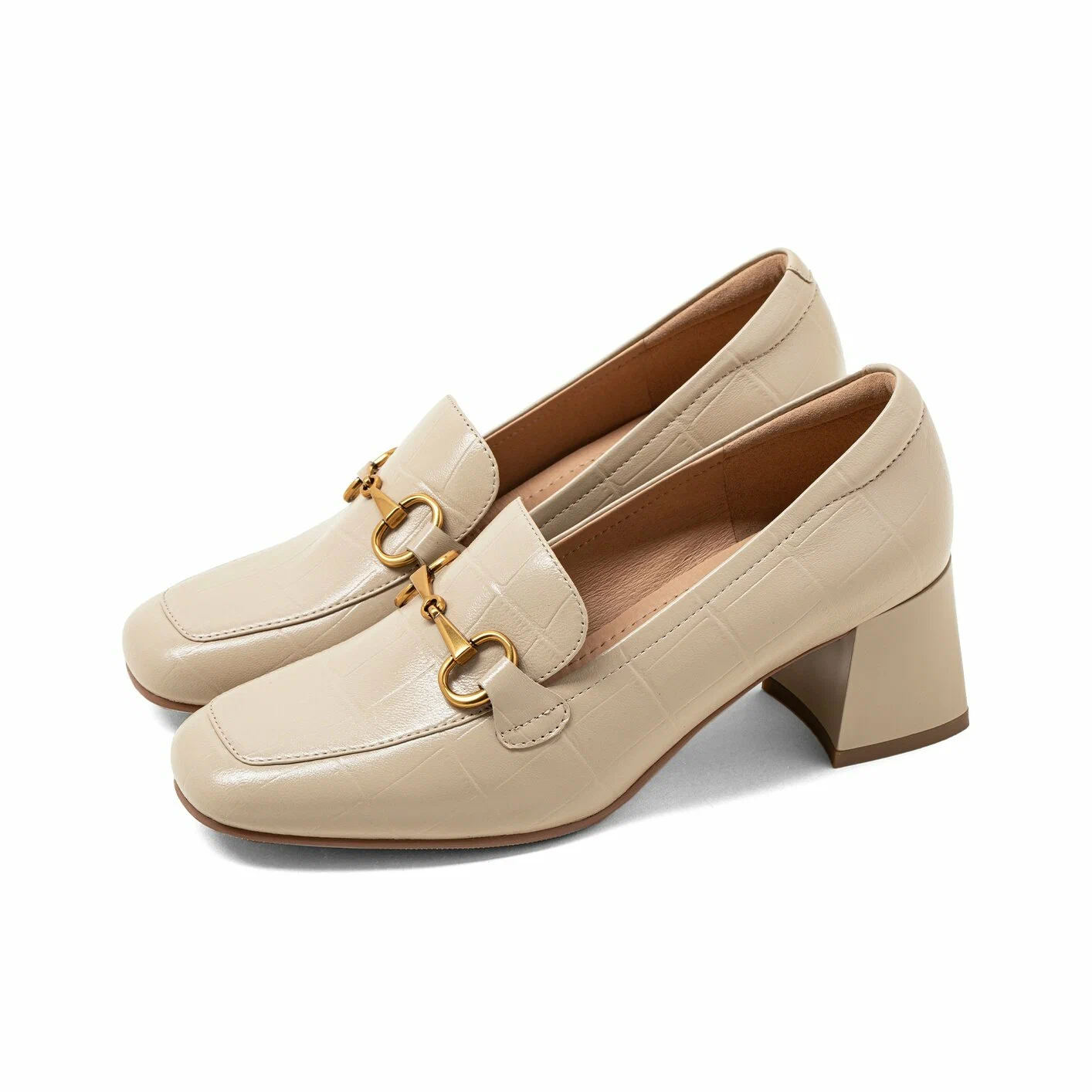
The right pair of shoes can bring together an outfit while providing the comfort and support needed throughout the day. Whether you are dressing for work, heading out for a special occasion or looking for an everyday pair, there are plenty of styles to consider. Exploring womens shoes in Parramatta can make it easier to compare different designs, fits and materials in one convenient shopping destination.

Choose Shoes Around Your Lifestyle

Your daily routine should influence the type of footwear you choose. Someone looking for shoes for long working days may prioritise comfort and support, while occasion wear may place greater emphasis on style and design.

Casual shoes can be useful for everyday activities, while flats, loafers and other versatile designs can work well for professional settings. For evenings and special events, heels and dressier footwear can provide a more polished appearance.

Explore Different Styles

A diverse footwear collection gives shoppers more flexibility when building a practical wardrobe. Women’s footwear available around Parramatta includes options such as wedges, sandals, heels, boots and flats.

Having different styles available means you can select footwear according to the occasion rather than relying on one pair for every situation.

Prioritise The Right Fit

Style is important, but fit should never be overlooked. Shoes that fit properly can feel more comfortable and make everyday movement easier.

When trying on shoes, consider the width as well as the length. Walk around in the shoes and check that your toes have enough room without excessive movement inside the footwear. If you plan to wear the shoes with particular socks or stockings, consider this when checking the fit.

Think About Materials And Construction

The material used in footwear can influence its appearance, feel and maintenance requirements. Leather, synthetic materials, textiles and other options can provide different characteristics.

Consider where and how often you intend to wear the shoes before making a purchase. Everyday footwear may need to withstand regular use, while occasional shoes may be selected primarily around style and outfit coordination.

Match Footwear With The Occasion

A versatile wardrobe can benefit from having several footwear options. Neutral flats or loafers can complement workwear, sandals can suit warmer days, and heels or dress shoes can work for formal occasions.

Parramatta has a range of footwear retailers, including dedicated shoe stores and fashion retailers, giving shoppers different options to explore.

Make Shopping More Convenient

When shopping for women’s footwear, compare sizes, styles and available designs rather than choosing a pair based only on appearance. Trying different options can help you understand which shape and construction feels most suitable.

If you are shopping online, check the retailer’s sizing information, material details and returns policy before ordering.

Build A More Versatile Shoe Collection

The best footwear choices are those that fit naturally into your lifestyle. A combination of comfortable everyday shoes, versatile work footwear and occasion styles can give you more options without making every purchase serve the same purpose.

Taking time to consider fit, quality, styling and intended use can help you make more informed footwear choices.

Conclusion

Finding the right pair of shoes is about balancing appearance, comfort, fit and practicality. If you are searching for womens shoes Parramatta, exploring different styles and comparing footwear options can help you find pairs suited to your wardrobe and everyday needs.

From casual flats and sandals to heels and boots, choosing footwear based on the occasion and your personal requirements can make every step more comfortable and confident.

IVF doctor Sydney

Why More Couples Are Seeking An IVF Doctor In Sydney

For couples hoping to grow their family, the path to pregnancy can sometimes involve more questions than expected. When conception does not happen as planned, seeking professional guidance can provide a clearer understanding of the available options. This is one reason more couples are exploring fertility care and looking for an IVF doctor in Sydney who can help them understand the next steps.

Fertility Care Is Becoming More Individualised

Every fertility journey is different. Factors such as age, reproductive health, medical history and previous treatment experiences can all influence which options may be considered.

Rather than taking a one size fits all approach, fertility specialists assess individual circumstances before discussing potential treatment pathways. This personalised approach can help patients understand why particular investigations or treatments may be recommended.

Understanding When IVF May Be Considered

In vitro fertilisation, commonly known as IVF, is a fertility treatment where eggs and sperm are used to create embryos in a laboratory before an embryo is transferred to the uterus.

IVF may be considered in a range of circumstances, including some cases of unexplained infertility, problems affecting the fallopian tubes, certain male fertility factors or when other fertility treatments have not resulted in pregnancy.

Whether IVF is appropriate depends on the individual or couple. A fertility specialist can discuss the potential benefits, limitations and alternatives based on their circumstances.

What Does An IVF Doctor Do?

An IVF doctor can provide medical guidance throughout different stages of fertility treatment. This may include reviewing medical history, arranging appropriate investigations, discussing treatment options and monitoring progress during a treatment cycle.

Having a clear conversation with your doctor can also help you understand what is involved before making decisions. Questions about treatment steps, potential risks, expected monitoring and alternatives can all be discussed during consultations.

Why Local Access Can Matter

Fertility treatment can involve multiple appointments, investigations and monitoring. Having care that is conveniently accessible can make it easier to attend appointments and stay organised throughout the process.

For couples searching for an IVF doctor in Sydney, location may therefore be one practical consideration alongside the doctor’s qualifications, experience, communication style and the fertility services available through their practice.

Asking The Right Questions

Choosing a fertility specialist is a personal decision. Before beginning treatment, couples may want to ask about the recommended investigations, available treatment options, possible risks and what support is provided throughout the process.

It can also be useful to understand the clinic’s approach to individual treatment plans and how treatment decisions are made.

Conclusion

Fertility treatment can involve important medical and personal decisions, so having access to professional guidance can help couples understand their options. As more people explore assisted reproductive treatments, finding an IVF doctor in Sydney who can provide appropriate medical assessment, explain available pathways and support informed decision making can be an important part of the process.

IPO Management Software: A Guide for Banks and Registrars

An IPO subscription window typically lasts just a few days, yet within that short period, thousands of applications need to be captured, verified, and processed accurately, funds need to be blocked correctly, and every step needs to hold up against SEBI, NSE, and BSE compliance requirements. This guide looks at what IPO Management Software actually does, who uses it, and how data moves between the systems involved in getting an investor’s application from submission through to allotment.

Who This Software Is Actually Built For

IPO Management Software is built primarily for banks acting as Self Certified Syndicate Banks (SCSBs), along with brokers and channel partners who submit applications on behalf of investors. These are the institutions responsible for capturing applications, verifying investor details, and managing the fund-blocking process at the point of entry into the IPO system.

Registrars play a different, though closely connected, role. Rather than using this software directly to process applications, registrars receive structured data from it, application details, fund status, and category-wise breakdowns, that support the allotment process they’re responsible for running. Understanding this distinction matters for any institution evaluating or working alongside this kind of platform, since it clarifies where the software’s operational responsibility begins and ends.

What the Software Handles on the Bank’s Side

For banks and brokers, the platform typically manages:

  • Multi-mode application processing across ASBA, Syndicate ASBA, and Physical/Non-ASBA formats.
  • Multi-channel application capture through internet banking, handheld devices, and channel partners.
  • Fund blocking and release through direct integration with core banking systems like Finacle and FlexCube.
  • Category-wise cut-off management for retail and HNI applications across branches.
  • Bulk application handling, supported by API and file-based interfaces with NSE and BSE.
  • Online PAN verification and application registration APIs for third-party brokers.

Each of these functions addresses a specific point of friction that would otherwise slow down high-volume, time-sensitive processing during a subscription window.

Where Registrars Enter the Picture

Registrars rely on accurate, well-structured data to run the allotment process correctly. This is where the interface between banks’ processing systems and registrar systems becomes critical. File-based and API interfaces with NSE and BSE allow application data to flow through in a format that supports downstream allotment processing, without requiring registrars to manually reconcile bank-side records against exchange data.

This interface-driven relationship is why banks and registrars, despite serving different functions in the IPO process, both depend on the accuracy of the same underlying data. An error introduced at the bank’s application-processing stage doesn’t stay contained, it carries forward into the allotment stage that registrars are responsible for managing correctly.

Monitoring the Application-to-Allotment Journey

One of the more practical capabilities within this kind of software is a single-click dashboard that allows banks to monitor an application’s progress from registration through to the allotment stage. This doesn’t mean the software determines allotment outcomes, that remains a function coordinated with registrars and exchanges, but it does mean banks and their branch teams don’t need to chase updates manually or wait for external confirmation to understand where an application currently stands.

Compliance and Reporting Across the Process

Given how many parties are involved, IPO processing carries significant compliance weight. The software typically supports:

  • MIS, audit, and posting reports for internal review.
  • Product-wise reporting across IPO, FPO, NFO, and other primary market instruments.
  • Compliance reporting aligned with SEBI, NSE, and BSE requirements.
  • Maker/checker controls across masters and transactions for audit and security purposes.

This reporting layer matters not just for the bank’s own compliance obligations, but because accurate, well-documented records support the broader chain of accountability that includes registrars and exchanges.

What Banks Should Look for When Evaluating a Platform

Institutions assessing IPO Management Software should weigh a few practical factors:

  1. How well the platform integrates with core banking systems for fund blocking.
  2. Breadth of support across IPO, FPO, NFO, Rights Issue, and Debt/NCD instruments.
  3. Reliability of NSE and BSE interfacing for downstream data accuracy.
  4. Strength of compliance reporting and audit trail functionality.
  5. Scalability during high-traffic subscription periods.

Conclusion

IPO Management Software serves a specific, well-defined role within a larger process, one where banks and brokers manage application capture and fund processing, while registrars depend on the accuracy of that data to complete allotment. Understanding this division of responsibility helps institutions evaluate platforms not just on their own internal features, but on how reliably they support the data flow that registrars and exchanges depend on downstream. For banks managing high-volume primary market activity, that reliability is often what determines how smoothly an entire IPO subscription period unfolds.

Headstone Prices: Understanding the Costs of Memorials and Their Options

When planning a lasting memorial for a loved one, understanding headstone prices can make the decision process clearer and help families prepare a realistic budget. Headstone costs can vary widely based on material, size, design, inscription, finish, installation requirements, and cemetery regulations. Looking at each factor separately can help families compare options while choosing a memorial that reflects the person being remembered.

What Influences Headstone Prices?

There is no single standard price for every headstone. Memorials are individually selected and may range from simple, understated designs to detailed monuments featuring custom shapes, photographs, decorative elements, or extensive inscriptions.

One of the first factors affecting the overall cost is the type of stone. Granite is widely used for memorials because it is durable, weather-resistant, and available in different colours and finishes. Other materials may also be available depending on the cemetery and the style of memorial being considered.

The dimensions of the memorial also influence the final cost. A larger headstone generally requires more stone, greater preparation and potentially more complex installation. Families should therefore consider the available cemetery space as well as the desired appearance.

Material Selection and Durability

Granite is a popular choice for Australian memorials because it can withstand outdoor conditions while retaining its appearance when appropriately maintained. Different granite colours and textures can create significantly different visual effects.

When comparing headstone prices, it is useful to consider long-term value rather than looking only at the initial figure. A memorial is intended to remain in place for many years, so factors such as stone quality, workmanship, finish and maintenance requirements are worth considering alongside the purchase cost.

Inscription and Personalisation

The inscription is one of the most meaningful parts of a memorial. It may include the person’s name, dates of birth and passing, a short tribute, family details, religious wording or another personal message.

The amount of lettering and the chosen style can affect the overall cost. Additional elements such as engraved motifs, symbols, photographs or custom artwork may also require additional preparation and workmanship.

Families can discuss the wording and layout before production begins to ensure that the finished memorial provides enough space for the information they want to include.

Cemetery Requirements

Every cemetery may have its own rules concerning memorial dimensions, materials, colours, foundations, inscriptions and installation methods. Some locations may have specific requirements for lawn sections, monumental areas or particular types of graves.

Before making a decision based solely on headstone prices, it is important to confirm the cemetery’s regulations. A memorial that does not meet the required specifications may need to be redesigned before approval and installation.

Different Memorial Styles

Headstones can be created in many forms. Traditional upright memorials provide a familiar appearance, while lawn monuments and other cemetery memorial styles may offer a more streamlined design.

The appropriate style can depend on the cemetery section, available space and family preferences. Some families prefer a simple stone with limited engraving, while others may choose a more detailed memorial that incorporates decorative features and personalised elements.

Installation and Additional Costs

The quoted price of a memorial may not always represent the complete project cost. Families should ask whether installation, foundation work, lettering, artwork, delivery and cemetery-related requirements are included.

Obtaining a detailed quotation can make it easier to understand exactly what is covered. Comparing quotations based on the same specifications can also provide a clearer picture of the differences between available memorial options.

Planning a Memorial Within Your Budget

Budget is an important consideration, but it should be balanced with practical and personal requirements. Start by determining the cemetery’s permitted memorial type and dimensions, then consider the preferred stone, inscription, finish and additional features.

Rather than focusing only on the lowest headstone prices, families can consider the complete value of the memorial, including craftsmanship, durability, design and installation. Taking time to review these details can make the planning process more straightforward.

Creating a Meaningful Lasting Tribute

Choosing a headstone is ultimately about creating a permanent place of remembrance. Understanding the factors that influence headstone prices allows families to make informed comparisons while considering their available budget and personal wishes. With careful planning, the material, design, inscription and installation can come together to create a respectful memorial that preserves a loved one’s memory for generations.

Find Quality Stone Suppliers Near Padstow For Your Next Project

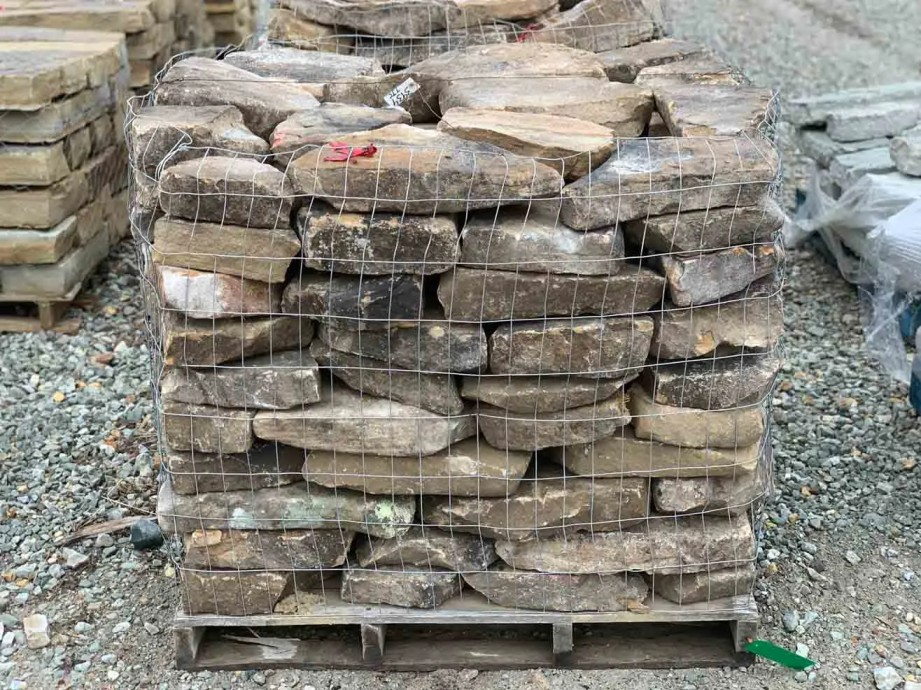
Choosing the right stone can transform kitchens, bathrooms, outdoor areas and commercial interiors. From elegant benchtops to durable wall and floor finishes, natural and engineered stone offer a range of design possibilities for different projects. If you are looking for stone suppliers near Padstow, comparing material options, finishes and product quality can help you find a suitable solution for your space and budget.

Explore Stone Options For Different Applications

Stone is available in a variety of colours, patterns and textures, making it suitable for both contemporary and traditional designs. Natural stone options, such as granite and marble, offer distinctive patterns, while engineered stone products may provide a more consistent appearance, depending on the material.

These surfaces can be considered for kitchen benchtops, bathroom vanities, feature walls and selected flooring applications. The best choice depends on where the stone will be installed, how frequently the surface will be used and the appearance you want to achieve.

Choose Materials That Match Your Requirements

Before selecting a stone, consider its durability, maintenance needs and suitability for the intended application. Kitchen surfaces, for example, may require careful consideration of staining, heat exposure and cleaning routines. Bathroom surfaces may need different attention to moisture and slip resistance.

Ask suppliers about the material’s specifications, recommended care methods, available thicknesses and edge finishes. Requesting samples can also help you compare colours and textures against your cabinetry, flooring and other design elements.

What To Look For In A Stone Supplier

When comparing stone suppliers near Padstow, look for a suitable product range, clear pricing and helpful information about material selection. A knowledgeable supplier should be able to explain the differences between available surfaces and help you identify options that suit your project.

It is also useful to ask about stock availability, custom cutting, delivery arrangements and coordination with installers. Confirming measurements and project timelines early can help reduce delays during renovations or new construction.

Create A Lasting Finish With Proper Installation

Even high-quality stone needs suitable handling and installation to achieve the desired result. Accurate measurements, appropriate substrate preparation and correct sealing where required can all affect the finished surface.

Follow the manufacturer’s maintenance recommendations to preserve the stone’s appearance. Some materials require periodic sealing, while others may need only routine cleaning with suitable products. Using the right care methods can help maintain the surface over time.

Conclusion

Finding the right stone suppliers near Padstow starts with understanding your project’s design, performance and maintenance requirements. By comparing materials, finishes, pricing and supplier support, you can choose a surface that complements your property and intended use. Take time to review your options and select stone that balances visual appeal, practical performance and long-term value.

Make Waste Removal Easier With Responsible Waste Disposal In Sydney

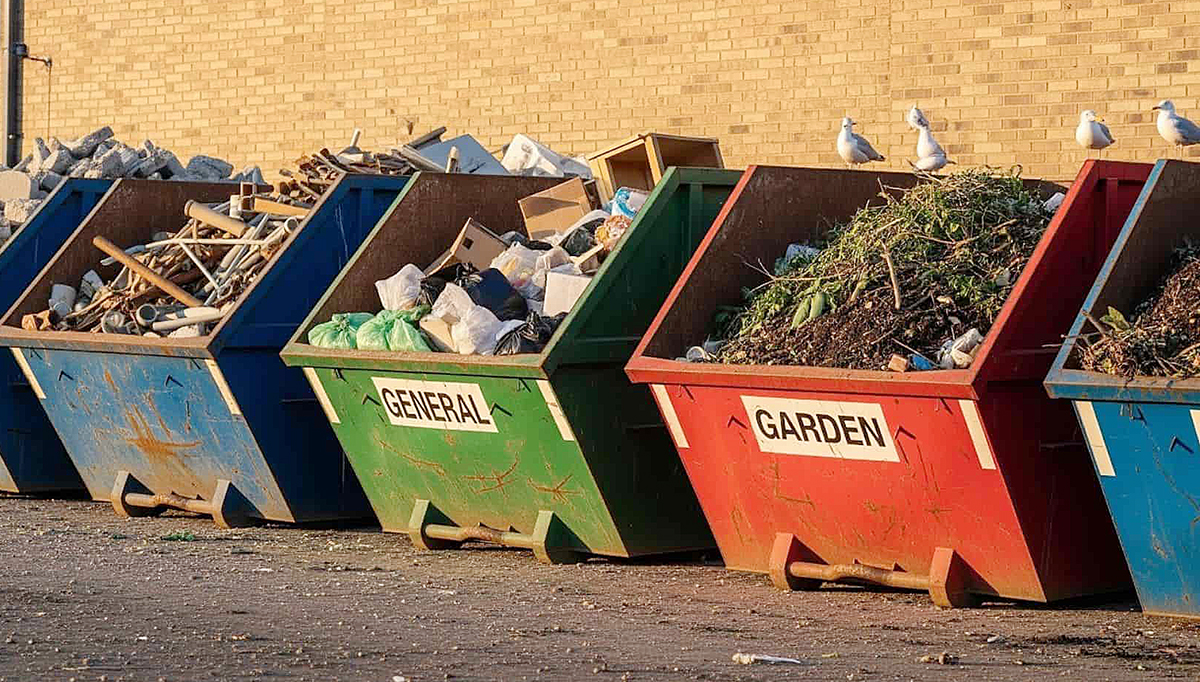
Managing unwanted waste can become challenging when rubbish starts accumulating at home, in the workplace or on a construction site. From general household rubbish to larger items and materials requiring specialised handling, choosing an appropriate disposal method is important. Professional waste disposal in Sydney can provide a practical way to clear unwanted materials while supporting responsible waste management.

Understand The Type Of Waste You Have

Different types of waste require different disposal methods. Household rubbish, green waste, recyclables, bulky items and problem waste should not automatically be treated in the same way.In NSW, local councils provide kerbside recycling services, although the materials collected can vary between councils. Checking local requirements before putting items into a recycling or general waste bin can help prevent contamination.

Make Household Clean Ups More Manageable

Decluttering, moving house, renovating or clearing a garage can generate more rubbish than a standard household bin can handle. A suitable waste disposal service can help remove larger quantities of unwanted materials, making the clean up more efficient.Furniture, general household items and other suitable waste can be collected depending on the provider and service selected. Before booking, confirm what materials are accepted and whether there are any restrictions.

Consider Recycling And Resource Recovery

Responsible waste disposal is not simply about sending everything to landfill. Where possible, suitable materials can be sorted for recycling, reuse or resource recovery.NSW waste management programs encourage waste reduction, reuse and recycling to conserve resources and reduce the amount of material going to landfill.

Separating recyclable materials from general rubbish can therefore be an important part of a more responsible clean up.

Handle Problem Waste Correctly

Certain household items should never be placed in ordinary bins. Batteries, paint, gas bottles, oils, fluorescent globes and fire extinguishers are examples of problem waste that require dedicated disposal options.

NSW residents can use Community Recycling Centres for selected household problem waste, with more than 100 centres operating across the state. Household Chemical CleanOut events also provide dedicated collection options for certain chemicals and other hazardous household products.Keeping these materials separate from general rubbish helps reduce potential risks to waste workers and the environment.

Choose A Suitable Waste Disposal Service

When arranging waste disposal in Sydney, consider the volume and type of waste you need removed. You should also check whether the provider handles the particular materials you have and where the collected waste will be taken.For commercial or larger scale waste, additional requirements may apply. NSW regulations require waste to be appropriately classified and transported to a place that can lawfully receive it.

Keep Your Property Clean And Organised

Regular waste removal can make homes, offices, commercial premises and work sites easier to manage. Removing accumulated rubbish also creates additional usable space and can improve the overall appearance of a property.Whether you are completing a one off clean up or require ongoing waste management, selecting a suitable service can make the process more convenient.

Conclusion

Effective waste management starts with understanding what you are disposing of and choosing the appropriate disposal pathway. Professional waste disposal in Sydney can help households and businesses manage suitable unwanted materials more efficiently.By separating recyclable items, keeping problem waste out of general bins and using appropriate disposal services, you can make your clean up more organised while supporting responsible waste management practices.