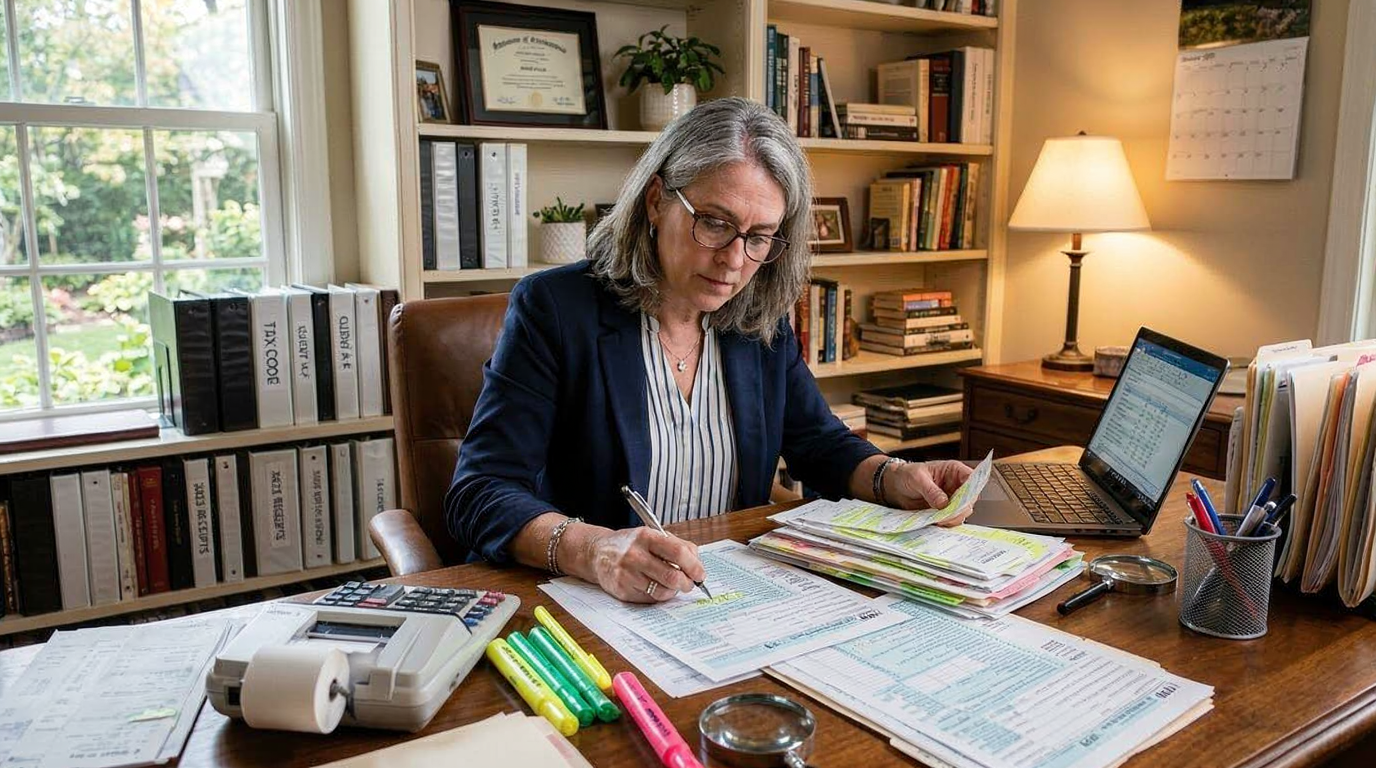
Managing tax responsibilities can be challenging when financial records, deductions, deadlines, and documentation all need careful attention. Whether you are an individual, contractor, or business owner, having organised financial information can make tax-related tasks easier to manage. Choosing an appropriate tax professional starts with understanding your needs and comparing the services available.
What Does a Tax Accountant Do?
A tax accountant assists clients with tax-related financial matters. Depending on their services, they may help prepare tax returns, review financial records, identify relevant deductions, maintain documentation, and explain tax obligations.
For businesses, tax accounting can also involve reviewing business income and expenses, preparing financial information, and helping owners understand their reporting responsibilities. The exact services provided can vary between professionals.
Identify Your Tax Requirements
Before selecting a professional, consider why you need accounting assistance. An individual may need help preparing an annual tax return, while a small business might require ongoing bookkeeping and tax-related support.
Contractors, investors, landlords, and companies can have different reporting requirements. Preparing a list of your financial activities and questions beforehand can help you explain your situation clearly during an initial consultation.
Why Local Accessibility Can Matter
Searching for a tax accountant near you can make communication and appointments more convenient, particularly for people who prefer face-to-face discussions. Local professionals may also be familiar with the needs of individuals and businesses operating in the surrounding area.
However, location should not be the only consideration. Online consultations and digital document sharing mean that many accounting services can also be accessed remotely.
Check Qualifications and Experience
Qualifications and professional experience are important factors when comparing tax professionals. Consider their relevant credentials, areas of expertise, years of experience, and familiarity with your type of financial circumstances.
Someone working with a small business, for example, may want a professional who regularly handles business tax matters rather than someone focused primarily on individual returns.
Understand the Services Provided
Tax professionals can offer different combinations of services. These may include tax return preparation, bookkeeping, business accounting, financial reporting, and other tax-related assistance.
Review the service list carefully and ask whether the services you require are included. Understanding what is covered from the beginning can help avoid unexpected misunderstandings.
Keep Your Financial Records Organised
Accurate records can make tax preparation considerably easier. Keep relevant receipts, invoices, bank statements, expense records, income documentation, and other financial information in an organised system.
Digital record-keeping can also make it easier to locate documents when required. Providing complete information allows the tax professional to work with a clearer picture of your financial activities.
Ask About Fees and Communication
Before engaging a professional, ask how fees are calculated and what services are included. Some professionals may charge fixed fees for particular services, while others may use different pricing structures.
Communication is equally important. Ask how documents should be submitted, how questions are handled, and how updates will be provided. Clear communication can make the working relationship more efficient.
Questions to Ask Before Choosing
Potential clients can ask about qualifications, relevant experience, services, fees, document requirements, communication methods, and expected timeframes. These questions can help you compare options based on your actual requirements rather than price alone.
It is also useful to explain your financial circumstances honestly and provide complete information so the professional can determine what assistance is appropriate.
Conclusion
Finding a suitable tax accountant near you involves considering qualifications, experience, services, accessibility, communication, and fees. Taking time to understand your own requirements and compare professionals carefully can make tax administration more organised and easier to navigate. Good preparation and accurate financial records can further support a smoother accounting process.