Category Archive : aquarium

Aquael Aquariums

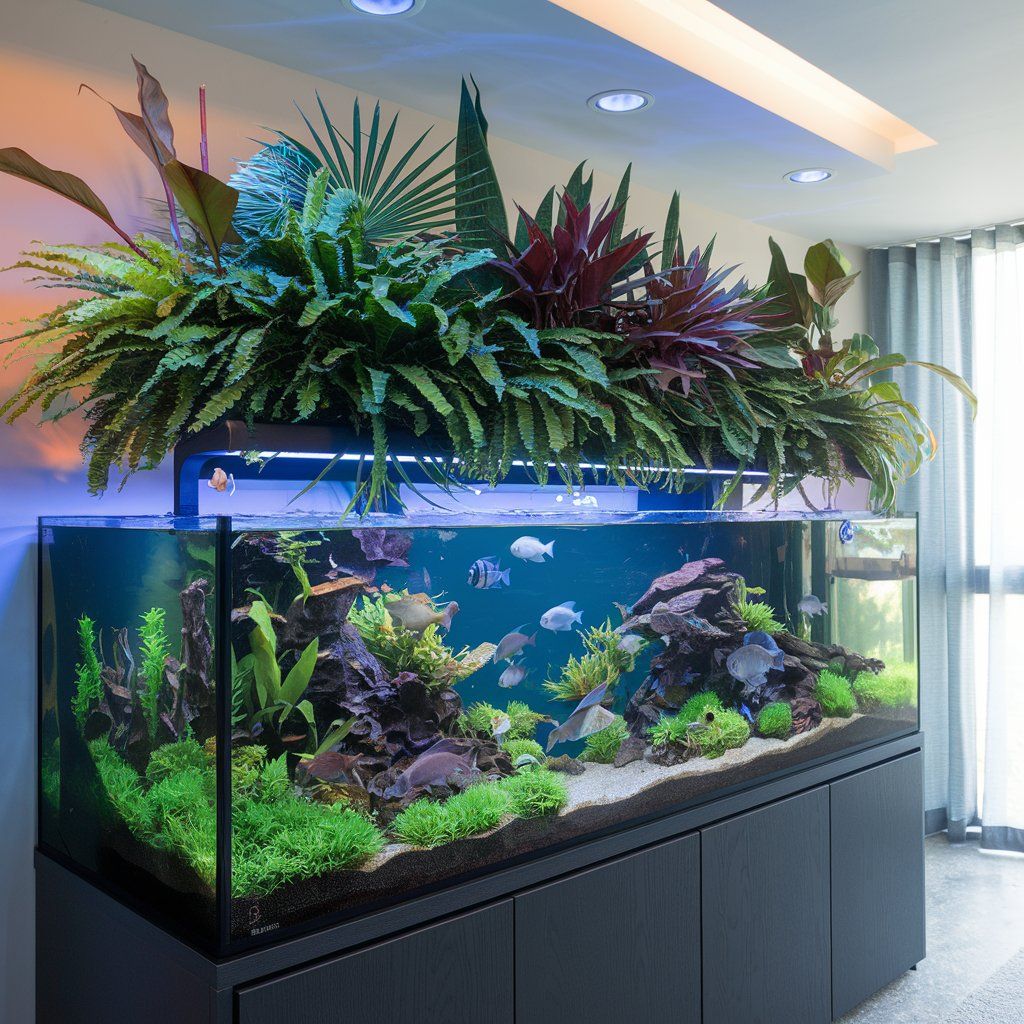
How to Keep Freshwater Fish Healthy in Aquael Aquariums

Keeping freshwater fish healthy requires more than choosing the right species. Water quality, aquarium size, filtration, temperature, feeding and regular maintenance all influence the wellbeing of fish. Aquael Aquariums can provide a suitable environment when the tank is correctly established and consistently maintained. Understanding the basic requirements of freshwater fish can help create a stable and healthy aquatic habitat.

Choose the Right Aquarium Size

One of the first steps to maintaining healthy fish is selecting an appropriately sized aquarium. Different fish species have different space requirements, swimming habits and territorial behaviours. Aquael Aquariums are available in various configurations, making it important to consider the adult size and number of fish before setting up a tank.

Avoid overcrowding because too many fish can increase waste levels and place additional pressure on the filtration system. A properly sized aquarium gives fish enough room to move naturally while helping maintain more stable water conditions.

Maintain Stable Water Quality

Good water quality is essential for freshwater fish health. Uneaten food, fish waste and decaying plant material can contribute to ammonia and nitrite levels, which may become harmful when allowed to accumulate.

Regular water testing can help monitor important parameters such as ammonia, nitrite, nitrate and pH. With Aquael Aquariums, consistent maintenance and appropriate filtration can support a cleaner and more stable aquatic environment.

Partial water changes should be performed regularly rather than replacing all the aquarium water at once. This approach helps remove accumulated waste while maintaining a more consistent environment for fish.

Use Effective Filtration

Filtration plays an important role in freshwater aquarium care. A suitable filter helps remove suspended particles and supports biological filtration, where beneficial bacteria help process fish waste.

When using Aquael Aquariums, choose filtration according to the tank volume, fish population and type of setup. Filters should also be cleaned correctly and maintained without unnecessarily removing beneficial bacteria. Avoid washing biological filter media with untreated tap water, as chlorine and chloramine can affect beneficial microorganisms.

Keep the Water Temperature Consistent

Freshwater fish generally require stable water temperatures suited to their particular species. Sudden temperature changes can cause stress and may make fish more vulnerable to health problems.

A reliable aquarium heater and thermometer can help monitor temperature where heating is required. Check the recommended temperature range for the fish being kept and avoid making sudden adjustments. Stable conditions are one of the most important aspects of maintaining healthy fish in Aquael Aquariums.

Feed Fish Carefully

Overfeeding is a common aquarium problem. Excess food that remains uneaten can break down and negatively affect water quality. Fish should generally receive only the amount they can consume within a short feeding period.

Choose food appropriate for the species and vary the diet where suitable. Observing feeding behaviour can also provide useful information about fish health. A sudden loss of appetite may indicate stress, unsuitable water conditions or an underlying problem.

Provide a Suitable Aquarium Environment

Fish benefit from an environment that reflects their natural behaviours. Plants, rocks, wood and other appropriate decorations can provide shelter and help create areas for exploration.

When arranging Aquael Aquariums, leave sufficient open swimming space and avoid overcrowding the tank with decorations. Live plants can also contribute to the aquarium ecosystem while creating natural hiding places for fish.

Perform Regular Maintenance

Consistent maintenance helps prevent many common aquarium problems. Check the filter, heater, water level and equipment regularly. Remove visible debris and trim plants when necessary.

Watch fish for changes in appearance or behaviour, including unusual swimming, damaged fins, spots, rapid breathing or prolonged hiding. Early observation can help identify environmental problems before they become more serious.

Conclusion

Keeping freshwater fish healthy in Aquael Aquariums depends on creating stable and suitable living conditions. Choosing the right tank size, maintaining water quality, using appropriate filtration, controlling temperature, feeding responsibly and performing regular maintenance all contribute to a healthier aquarium. By monitoring both the fish and their environment consistently, aquarium keepers can create a balanced freshwater habitat that supports fish wellbeing over the long term.

Nano Aquariums: A Complete Guide for Beginners

Nano Aquariums: A Complete Guide for Beginners

Aquariums come in many shapes and sizes, but nano aquariums have become increasingly popular among hobbyists who want a compact and stylish fish tank. These small aquariums are perfect for apartments, offices, or anyone looking to enjoy the beauty of aquatic life without needing a large setup.

A nano aquarium can bring the calming atmosphere of an underwater ecosystem into small spaces while still allowing for creative aquascaping and fish keeping.


What Is a Nano Aquarium?

A nano aquarium is a small fish tank, usually ranging between 5 to 40 litres (1–10 gallons). Despite their small size, they can support a variety of aquatic plants, shrimp, and small fish species when maintained properly.

Nano aquariums are popular because they:

  • Require less space
  • Use less water and equipment
  • Are visually appealing for desks or shelves
  • Allow creative aquascaping designs

However, due to their smaller volume, maintaining water quality and stability is very important.


Benefits of Nano Aquariums

Space Saving

Nano aquariums are ideal for small living spaces such as apartments or offices. Their compact size allows them to fit easily on desks, countertops, or shelves.

Affordable Setup

Compared to large aquariums, nano tanks usually require less equipment and lower startup costs.

Perfect for Aquascaping

Many aquarium enthusiasts enjoy creating beautiful aquascapes using rocks, driftwood, and aquatic plants in nano tanks.

Easy to Maintain

Although water parameters must be monitored carefully, routine cleaning and water changes are quick because of the small tank size.


Best Fish for Nano Aquariums

Because of the limited space, nano aquariums are best suited for small and peaceful species.

Popular nano aquarium fish include:

  • Betta fish
  • Neon tetra
  • Endler’s livebearer
  • Chili rasbora

These species stay small and adapt well to limited tank environments when properly cared for.


Shrimp and Invertebrates for Nano Tanks

Many nano aquarium keepers prefer shrimp because they produce less waste and add unique activity to the tank.

Common choices include:

  • Cherry shrimp
  • Amano shrimp
  • Nerite snail

These species also help control algae and keep the tank cleaner.


Essential Equipment for a Nano Aquarium

Even though the tank is small, proper equipment is still necessary to maintain a healthy environment.

Filtration

A gentle filter keeps the water clean while maintaining good water circulation.

Lighting

LED lighting is commonly used for nano aquariums, especially when growing live plants.

Heater

For tropical fish, maintaining a stable temperature is essential.

Substrate

Aquarium soil, sand, or gravel can be used depending on whether the tank will contain live plants.


Nano Aquarium Aquascaping Ideas

Aquascaping is a major attraction of nano aquariums. Creative layouts can transform a small tank into a beautiful underwater landscape.

Popular styles include:

  • Nature-style aquascapes with rocks and plants
  • Minimalist layouts with a few carefully placed elements
  • Shrimp tanks filled with moss and plants
  • Iwagumi aquascapes using stones and carpeting plants

Because nano aquariums are small, every design element becomes more noticeable.


Maintenance Tips for Nano Aquariums

Keeping a nano aquarium healthy requires consistent maintenance.

Important tips include:

  • Perform weekly water changes (20–30%)
  • Avoid overfeeding fish
  • Monitor water parameters regularly
  • Maintain proper filtration and lighting
  • Avoid overcrowding the tank

Stable water conditions are crucial because small tanks can change quickly if not maintained properly.


Final Thoughts

Nano aquariums are a great way to enjoy fish keeping without needing a large tank setup. Their compact size, affordability, and aesthetic appeal make them perfect for beginners and experienced hobbyists alike.

With the right fish, plants, and maintenance routine, a nano aquarium can become a beautiful miniature aquatic ecosystem that enhances any living or working space.

Discovering the Best Reptile Enclosures Near You in Australia

If you’re a reptile enthusiast in Australia, finding the perfect home for your scaly friends can be a delightful journey. Whether you’re housing a bearded dragon or a shy skink, the right enclosure makes all the difference in their health and happiness. Exploring reptile enclosures near you can unearth a world of choices, each catering to the unique needs of your pet.

 Why Local is Best for Reptile Enclosures

Shopping for reptile enclosures nearby has its perks. Not only can you see the products in person, but you also benefit from local expertise. Australian pet shops often employ knowledgeable staff who understand the specific needs of reptiles common in the region. This means you’re more likely to get advice tailored to your pet’s particular requirements, from humidity levels to substrate options.

 Types of Reptile Enclosures to Consider

 1. Glass Terrariums

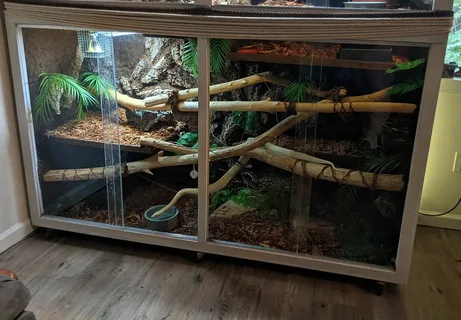
Glass terrariums are a popular choice for many reptile keepers. They provide excellent visibility, allowing you to admire your reptiles as they go about their day. Plus, they’re great for maintaining a stable temperature and humidity, crucial for species like geckos and chameleons.

 2. Plastic Enclosures

For those who prioritise ease of cleaning and durability, plastic enclosures are worth considering. These are lightweight, making them easy to move, and they’re resistant to wear and tear. They’re especially useful for housing snakes, which can be escape artists if given the chance.

 3. Wooden Vivariums

Wooden vivariums offer a more natural aesthetic and are ideal for reptiles requiring a warm environment. Their insulation properties mean they’re perfect for creatures like pythons that thrive in higher temperatures. However, they do require careful sealing to prevent moisture damage.

 Benefits of Choosing Nearby Retailers

When you purchase reptile enclosures from local sellers, you’re not just buying a product; you’re investing in a community of support. Local shops often host events, workshops, and offer advice that can help you become a more informed reptile owner. This connection is invaluable, providing peace of mind knowing you have a support system just around the corner.

 What to Look for When Shopping

 Space and Size

Ensure the enclosure is spacious enough for your reptile to move comfortably. As reptiles grow, their space requirements change, so consider enclosures with room for future expansion.

 Ventilation and Access

Proper ventilation is crucial to prevent the buildup of harmful bacteria and ensure a healthy environment. Furthermore, check for easy access points to make feeding and cleaning straightforward.

 Compatibility with Accessories

Think about the accessories you’ll need, such as lighting, heating elements, and decorations. The best enclosures will have compatibility with these essentials, allowing for a seamless setup.

 Do’s and Don’ts in Reptile Enclosure Shopping

– Do: Consult with local experts. They can provide insights that online resources might miss.

– Don’t: Compromise on quality for cost. A well-made enclosure is a long-term investment in your pet’s health.

– Do: Consider the specific needs of your reptile species. Each has unique requirements that must be met.

 FAQs About Reptile Enclosures in Australia

Q: Are there any regulations I should be aware of when buying reptile enclosures locally?  

A: Yes, in Australia, it’s important to ensure that enclosures comply with local wildlife laws, particularly if housing native species.

Q: Can I customise my reptile enclosure?  

A: Absolutely! Many local shops offer customisation options or can guide you in making modifications to suit your pet’s needs.

Q: How often should I clean my reptile’s enclosure?  

A: Regular spot cleaning is essential, with a thorough clean recommended every four to six weeks, depending on your reptile’s size and species.

Exploring reptile enclosures in your area is not just about finding a home for your pet; it’s about connecting with a community that shares your passion. With so many options available, you’re sure to find the perfect fit for your reptile companion, ensuring they live a comfortable and enriched life.