
Laboratories, workshops and industrial plants all need a steady, adjustable voltage supply. That is why importers in the Middle East, Africa, Southeast Asia and Europe search for a trusted auto variable transformer exporter. The wrong choice can lead to delayed shipments, mismatched ratings and avoidable downtime. This guide explains what the equipment does and how to evaluate a supplier.
What Is an Auto Variable Transformer?
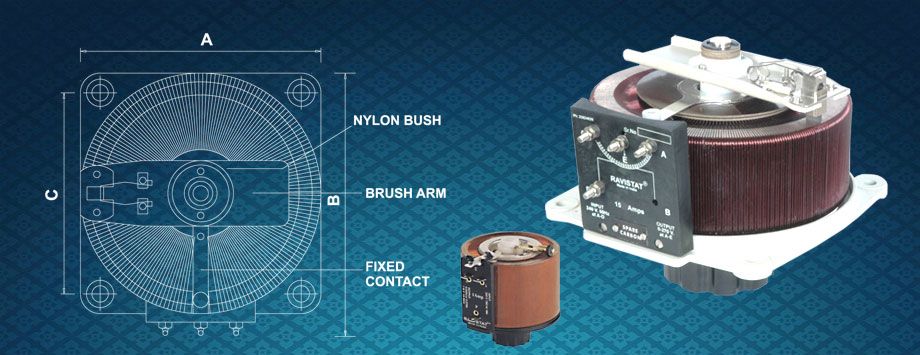
An auto variable transformer is an electrical device that gives a smoothly adjustable AC output voltage from a fixed input supply. It has a single copper winding and a sliding carbon brush. Moving the brush changes the number of turns in the output circuit, so the voltage can be varied from zero up to the input level or slightly above it.
It is widely known as a variac. Unlike a two-winding transformer, it does not provide electrical isolation between input and output. If isolation is needed, an isolation transformer should be used along with it.
Common Applications
These units are popular because they offer fine voltage control without complicated electronics. Typical uses include:
- Product and appliance testing in quality control labs
- Speed control of small universal motors
- Dimming of incandescent and stage lighting
- Temperature control of heating elements
- Electronics repair benches and service workshops
- Practical demonstrations in technical colleges
Why Importers Look to India
India has a long tradition of manufacturing electrical equipment. Many units are built to cope with voltage fluctuations, heat and humidity, which suits several importing regions. Exporters here also tend to be flexible about sizing and configuration, which helps when the requirement is not a standard catalogue item.
Steps to Choose a Reliable Auto Variable Transformer Exporter
Follow these steps before placing an order:
- Review the product range. Look for single-phase and three-phase models, with both manual and motorised options.
- Check the specifications. Confirm input voltage, output range, current rating in amperes, frequency (50 Hz or 60 Hz) and duty cycle.
- Ask for test reports. Insulation resistance and high-voltage tests show that each unit was checked before dispatch.
- Discuss customisation. Some projects need special enclosures, digital meters or modified voltage ranges.
- Understand export documentation. The supplier should prepare the commercial invoice, packing list, certificate of origin and any other papers your country requires.
- Confirm packaging and logistics. These units are heavy for their size, so strong packing matters for both sea and air freight.
- Ask about after-sales support. Technical help and spare parts, such as carbon brushes, keep the equipment running for years.
Single-Phase or Three-Phase?
The right choice depends on your supply and load. Single-phase units suit laboratories, workshops and smaller equipment. Three-phase units are meant for industrial loads, large motors and heavy testing setups. Choosing the wrong type is one of the most common import mistakes, so share your supply details with the exporter before finalising the order.
Manual or Motorised Control?
Manual units use a hand knob, which is simple and economical. Motorised units allow remote or automated adjustment, which helps in repeated testing and in setups where the operator should stay at a safe distance.
Safety and Maintenance Tips
- Keep ventilation openings clear to prevent overheating.
- Never exceed the rated current.
- Return the knob to zero before switching on.
- Inspect the carbon brush regularly and replace it when worn.
- Install the unit on a stable, dry surface.
Conclusion
Choosing the right auto variable transformer exporter comes down to technical clarity, proper documentation and reliable support. Define your voltage, phase and load needs first, then check the supplier’s range, testing practices and shipping capability. A little preparation at the enquiry stage prevents costly corrections later and helps the equipment perform well in your laboratory, workshop or plant.