
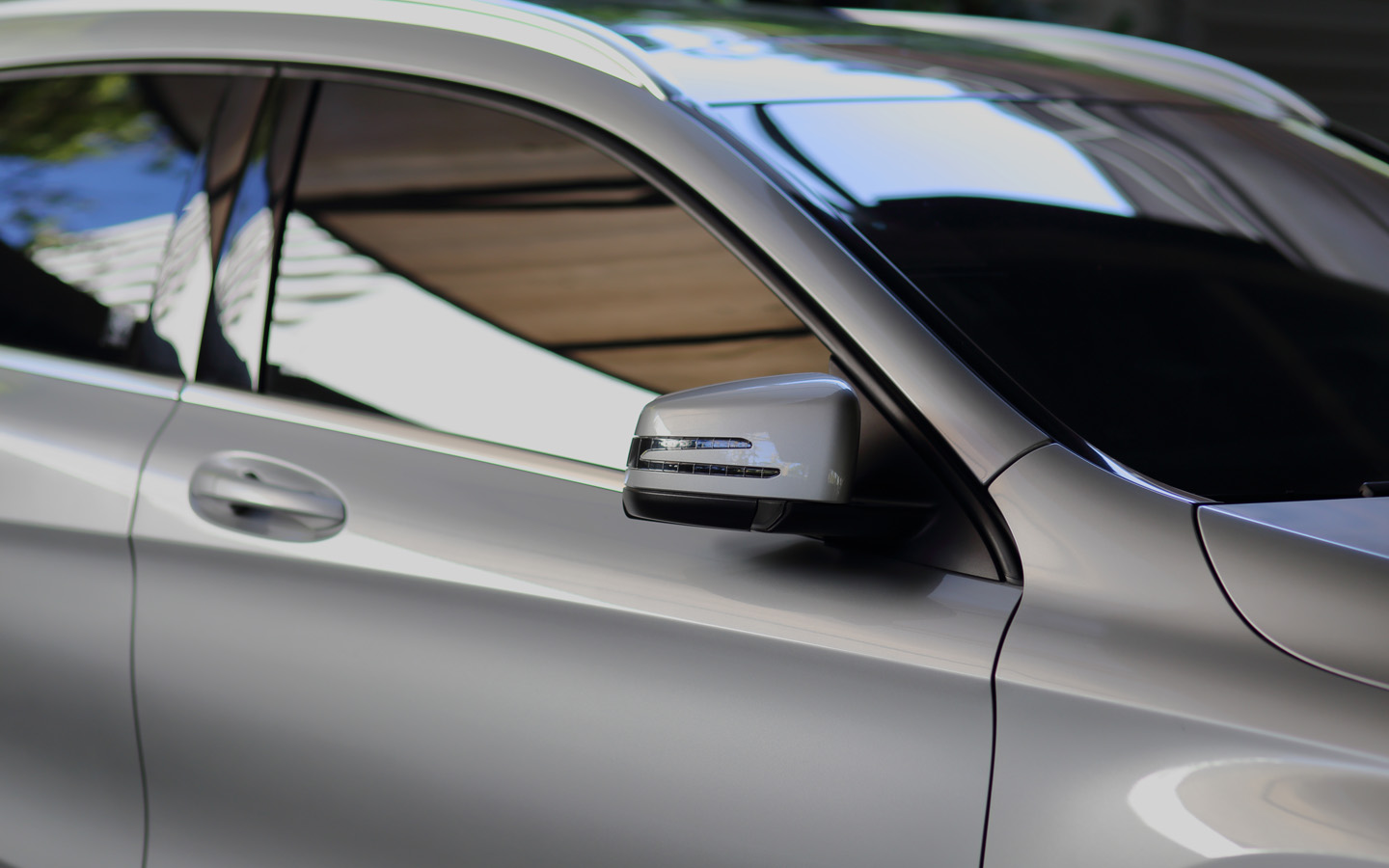
Strong sunlight, heat and glare can make driving uncomfortable, particularly during warmer months. Window tinting in Seven Hills can provide a practical way to improve cabin comfort while also adding privacy and helping protect the vehicle’s interior. Choosing the right tint involves more than selecting a shade, however. The type of film, level of darkness, installation quality and intended use should all be considered before making a decision.
How Window Tinting Works
Window tinting involves applying a specialised film to the interior surface of vehicle glass. Depending on the type selected, the film can help reduce the amount of sunlight and heat entering the cabin.
Tinted windows can also change the appearance of a vehicle while providing an additional layer of privacy. Different films offer different levels of light transmission, so the appropriate option depends on personal preferences and practical requirements.
Professional application is important because poorly installed film can develop bubbles, creases or uneven edges that affect both appearance and performance.
Reducing Heat Inside the Vehicle
One of the main reasons motorists consider window tinting is to make the interior more comfortable. Direct sunlight can cause the cabin to become considerably hotter when a vehicle is parked outdoors.
Quality tint film can help reduce solar heat entering through the glass. This can make the interior more pleasant when getting into the vehicle and may reduce the amount of work required from the air-conditioning system to maintain a comfortable temperature.
The level of heat reduction depends on the type and quality of film used, so it is worth considering the film’s specifications rather than choosing solely based on appearance.
Managing Glare While Driving
Bright sunlight can create distracting glare through vehicle windows. This can be particularly noticeable during early morning or late afternoon driving when the sun is low.
Appropriate tinting can help reduce excessive brightness entering the cabin, making the environment more comfortable for the driver and passengers. However, visibility should always remain a priority. Tint levels should be selected in accordance with applicable road regulations.
Protecting the Interior
Sun exposure can gradually affect interior materials. Upholstery, dashboard surfaces and other components may experience fading, drying or deterioration after prolonged exposure to ultraviolet radiation.
Some window films are designed to reduce UV transmission through vehicle glass. By limiting exposure, tinting can provide an additional measure of protection for interior surfaces.
This can be particularly useful for vehicles that are frequently parked outdoors or driven for long periods during sunny conditions.
Added Privacy and Security
Tinted windows can make it more difficult for people outside the vehicle to see clearly into the cabin. This can provide greater privacy for passengers and may also make personal belongings less visible when the vehicle is parked.
Privacy levels depend on the darkness and type of tint selected. It is important to remember that darker does not automatically mean better. Excessively dark film can affect visibility and may not comply with legal requirements.
A balanced choice can provide useful privacy while maintaining clear visibility from inside the vehicle.
Choosing the Right Tint
When considering window tinting in Seven Hills, think about how the vehicle is used on a daily basis. A family vehicle may prioritise cabin comfort and UV protection, while a work vehicle may require a practical balance between privacy and visibility.
The quality of the film is another important consideration. Different products can vary in their ability to manage heat, glare and UV exposure. Durability and the expected lifespan of the film should also be considered.
Professional installation can help ensure that the film is applied evenly and that edges and contours are finished neatly.
Understanding Legal Requirements
Window tinting must comply with Australian vehicle regulations. Tint darkness and visible light transmission requirements can vary depending on the type and location of the vehicle glass.
Before installation, vehicle owners should check the applicable requirements for their vehicle and ensure that the selected film is suitable for legal road use. This is especially important when considering darker shades for front windows.
Following the relevant regulations helps maintain visibility and avoids unnecessary compliance issues.
Maintaining Tinted Windows
Proper care can help preserve the appearance and performance of window film. Newly installed tint should be allowed to cure according to the installer’s instructions before cleaning.
When cleaning tinted glass, use suitable products and soft materials that will not scratch or damage the film. Avoid abrasive tools or harsh chemicals that could affect the surface.
Regular but gentle cleaning can help keep the windows looking clear and well maintained.
Making a Practical Choice
The right window tinting in Seven Hills solution should combine comfort, visibility, privacy and protection. Consider the vehicle’s daily use, the amount of sunlight it receives and the level of tint permitted under applicable regulations.
By choosing a suitable film and ensuring it is professionally installed and properly maintained, vehicle owners can improve the driving environment while giving the vehicle a cleaner, more finished appearance.