Bathroom design has evolved to focus on comfort, style, and relaxation. Freestanding bath tubs have become a standout feature in many modern homes due to their elegant appearance and functional benefits. Whether upgrading an existing bathroom or designing a new space, these tubs offer a perfect balance of luxury and practicality.
What are freestanding bath tubs?
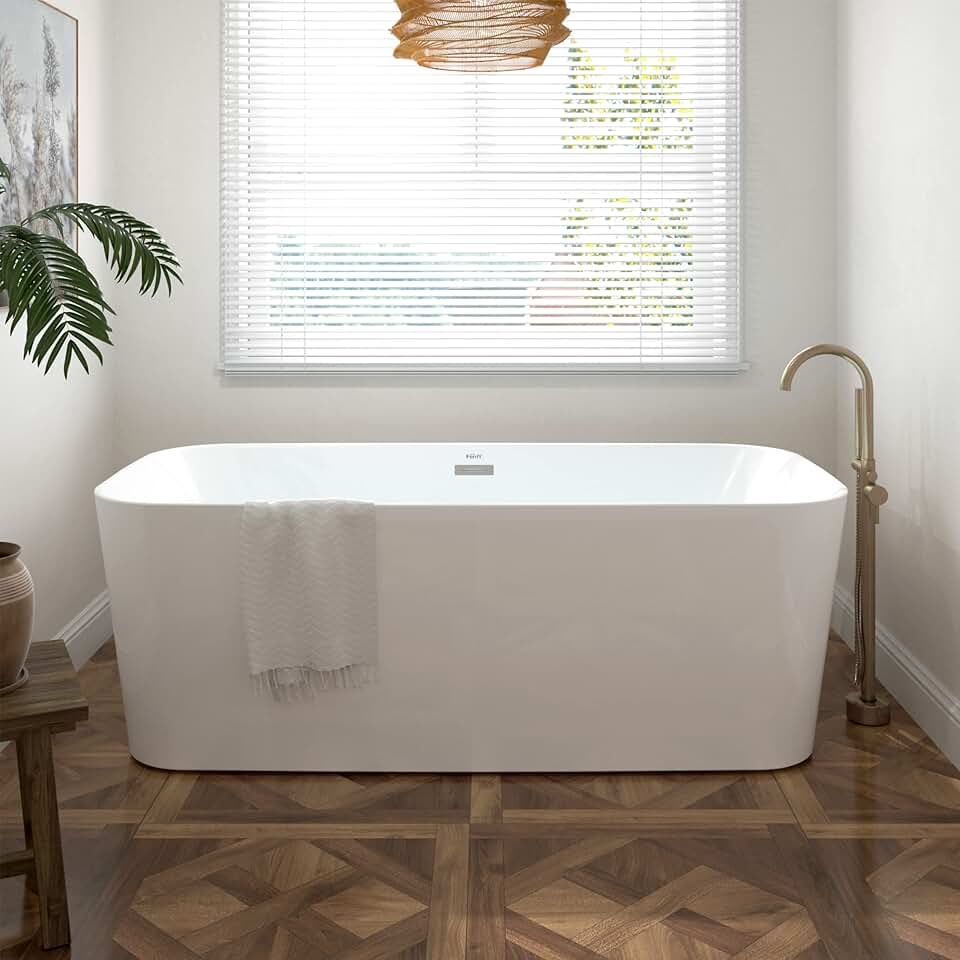
Freestanding bath tubs are self-supporting units that are not attached to walls or built into structures. They can be placed anywhere in the bathroom, making them a versatile option for different layouts. Available in various shapes, sizes, and materials, these tubs can suit both contemporary and traditional interiors.
Why are freestanding bath tubs so popular?
One of the main reasons for their popularity is their visual appeal. These tubs often act as a focal point, adding a touch of sophistication to any bathroom. Their flexibility in placement allows homeowners to create a more open and spacious feel. Additionally, they are available in designs that cater to both minimalist and classic preferences.
What materials are commonly used?
Freestanding bath tubs are made from a range of materials, each offering unique benefits. Acrylic is lightweight, affordable, and retains heat well. Stone resin provides a premium look with excellent durability. Cast iron is known for its strength and long-lasting performance, while solid surface materials offer a smooth, modern finish. Choosing the right material depends on budget, style, and maintenance preferences.
How do you choose the right freestanding bath tub?
Selecting the right tub involves considering the size of the bathroom, plumbing requirements, and personal comfort. Measuring available space is essential to ensure the tub fits without overcrowding the room. Shape also matters, as oval tubs provide a softer look, while rectangular designs create a more structured feel. Depth and ergonomic design should also be evaluated for maximum comfort.
Are freestanding bath tubs easy to install?
Installation is generally straightforward, but it depends on plumbing access and floor support. Since these tubs are not fixed to walls, they require proper positioning of drainage and water connections. Professional installation is often recommended to ensure stability and correct setup.
How do you maintain a freestanding bath tub?
Maintenance is relatively simple with regular cleaning using mild, non-abrasive products. Different materials may require specific care, so following manufacturer guidelines is important. Proper cleaning helps maintain the tub’s finish and ensures long-term durability.
What are the benefits of freestanding bath tubs?
Freestanding bath tubs offer several advantages, including design flexibility, aesthetic appeal, and comfort. They can enhance the overall look of a bathroom while providing a relaxing bathing experience. Their standalone nature allows for creative layouts and easier access for cleaning around the unit.
People also ask
Are freestanding bath tubs suitable for small bathrooms?
Yes, compact designs are available that fit well in smaller spaces without compromising on style.
Do freestanding bath tubs retain heat well?
Many modern materials, such as acrylic and stone resin, are designed to retain heat effectively for a comfortable bathing experience.
Can these tubs increase property value?
A well-designed bathroom with a stylish tub can enhance the overall appeal of a property and attract potential buyers.
Are they more expensive than built-in tubs?
Costs can vary depending on material and design, but there are options available across different price ranges.
Conclusion
Freestanding bath tubs continue to grow in popularity due to their stylish design and practical benefits. They offer a unique way to elevate bathroom spaces while providing comfort and flexibility. With the right selection and proper installation, these tubs can become a lasting feature that enhances both daily living and overall home value.