
Category Archive : Lymphoedema

A Practical Guide to Lymphoedema

Lymphoedema is a long-term condition that occurs when the lymphatic system is unable to effectively drain fluid, resulting in swelling in certain areas of the body. A reliable guide to lymphoedema can help individuals better understand the condition, recognise symptoms early, and learn strategies to manage it effectively.

While lymphoedema most commonly affects the arms and legs, it can also occur in other parts of the body depending on the underlying cause.

What Causes Lymphoedema?

Lymphoedema develops when lymphatic fluid builds up in the tissues due to damage or disruption within the lymphatic system.

Common causes may include:

  • Cancer treatments that affect the lymphatic system, such as lymph node surgery or radiation treatment.
  • Injury or trauma affecting lymphatic vessels
  • Infection that damages the lymphatic system
  • Congenital or inherited lymphatic conditions
  • Certain medical conditions affecting fluid drainage

Understanding the cause can help guide appropriate management and treatment approaches.

Common Signs and Symptoms

Recognising symptoms early can help individuals seek support and begin management strategies sooner.

Symptoms may include:

  • Swelling in the arms, legs, hands, or feet
  • A feeling of heaviness or tightness
  • Reduced flexibility or movement
  • Changes in skin texture
  • Discomfort or aching in the affected area

Symptoms can vary in severity depending on the individual and stage of the condition.

Managing Lymphoedema Effectively

A key part of any guide to lymphoedema is understanding the importance of ongoing management.

Management strategies may include:

  • Compression garment use
  • Gentle exercise and movement programs
  • Skin care and hygiene routines
  • Manual lymphatic drainage techniques
  • Regular monitoring by qualified healthcare professionals

Consistent care can help support comfort and minimise swelling over time.

Everyday Tips for Living with Lymphoedema

Small lifestyle adjustments can often help support lymphatic health and overall wellbeing.

Helpful habits may include:

  • Staying physically active
  • Maintaining healthy skin care practices
  • Avoiding prolonged inactivity
  • Protecting the affected area from injury
  • Following professional treatment recommendations

These strategies can contribute to better long-term management outcomes.

Supporting Long-Term Lymphoedema Care

Understanding the condition is an important first step towards effective self-management. A comprehensive guide to lymphoedema can help individuals recognise symptoms, access appropriate support, and develop practical strategies for managing swelling and maintaining daily function. With ongoing care and professional guidance, many people can successfully manage lymphoedema and continue participating in everyday activities with greater confidence.

Lymphoedema After Cancer: Understanding & Managing The Condition

Lymphoedema is a condition that can develop after cancer treatment when the lymphatic system is damaged or disrupted. The lymphatic system is responsible for draining excess fluid from tissues and supporting the body’s immune system. When lymph nodes or lymph vessels are removed, blocked or affected during cancer treatment, lymph fluid may not drain properly. This can lead to a build-up of fluid in the tissues, causing swelling known as lymphoedema.

Lymphoedema most commonly affects the arms or legs, but it can also occur in other parts of the body such as the chest wall, neck, abdomen or genital area depending on the type of cancer treatment received.

Why Lymphoedema Can Occur After Cancer Treatment

Several cancer treatments can increase the risk of developing lymphoedema. Surgery that involves removing lymph nodes is one of the most common causes. Lymph nodes act as filters for lymph fluid and removing them can interrupt the natural flow of the lymphatic system.

Radiation therapy can also contribute to lymphoedema because it may cause scarring or damage to the lymph vessels and surrounding tissues. In some cases, a combination of surgery and radiation therapy further increases the risk.

Certain cancers are more commonly associated with lymphoedema, including breast cancer, melanoma, prostate cancer, gynaecological cancers and head and neck cancers. However, not everyone who undergoes cancer treatment will develop lymphoedema.

Signs and Symptoms to Watch For

Lymphoedema can develop soon after cancer treatment or sometimes months or even years later. Early detection is important because treatment is often more effective when started early.

Common signs and symptoms may include swelling in the arm, leg, hand or foot, a feeling of heaviness or tightness in the affected area, reduced flexibility in joints and clothing or jewellery feeling tighter than usual. Some individuals may also notice changes in the texture of the skin or a sensation of fullness in the limb.

These symptoms may appear gradually and can sometimes fluctuate throughout the day.

Managing Lymphoedema After Cancer

Although lymphoedema is considered a long-term condition, it can be effectively managed with the right care and support. Treatment focuses on reducing swelling, improving lymphatic flow and preventing the condition from worsening.

Common management strategies include manual lymphatic drainage, a specialised form of gentle massage that encourages lymph fluid movement. Compression therapy using garments or bandages is also widely used to help maintain reduced swelling and support the lymphatic system.

Exercise plays an important role as well. Gentle and controlled movement helps stimulate the lymphatic system and encourages fluid circulation. Maintaining healthy skin care is also essential because the affected area may be more vulnerable to infection.

Living Well With Lymphoedema

Many people who develop lymphoedema after cancer treatment are able to manage the condition successfully and continue living active lives. Education, early intervention and regular monitoring can make a significant difference in controlling symptoms.

Working with trained lymphoedema therapists or healthcare professionals ensures that individuals receive appropriate treatment plans tailored to their needs. With the right management strategies, the impact of lymphoedema can be significantly reduced, helping individuals maintain comfort, mobility and confidence in their daily lives.

lymphoedema leg pump

Understanding the Role of a Lymphoedema Leg Pump in Managing Swelling

Living with lymphoedema can sometimes feel like a constant battle against swelling and discomfort. For many Australians, finding effective ways to manage this condition is crucial for maintaining a good quality of life. One tool that’s been making waves in the lymphoedema community is the lymphoedema leg pump. But what exactly is it, and how does it help?

What is a Lymphoedema Leg Pump?

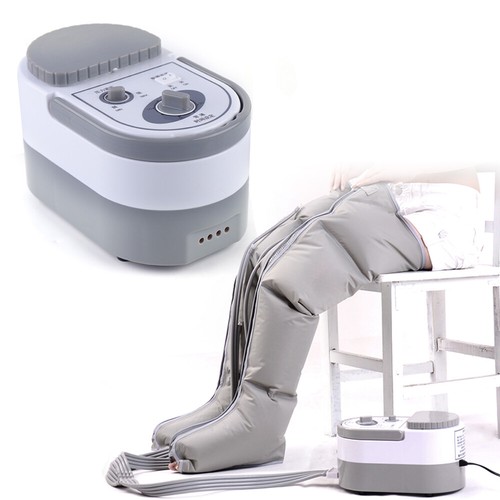
A lymphoedema leg pump is a medical device designed to reduce swelling in individuals suffering from lymphoedema, particularly in the legs. This condition often results from damage or blockage in the lymphatic system, leading to fluid retention and swelling. The leg pump works by applying intermittent compression to the affected area, promoting fluid movement and reducing swelling. It’s like giving your legs a gentle, rhythmic massage that encourages fluid circulation.

How Does It Work?

Imagine a pair of inflatable sleeves that wrap around your legs. These sleeves are connected to a pump that inflates and deflates them in a systematic pattern. This process mimics the natural pumping action of your lymphatic system, helping to move excess fluid out of your tissues and back into your lymphatic vessels. This can significantly decrease swelling, alleviate discomfort, and even enhance mobility over time.

The Benefits of Using a Lymphoedema Leg Pump

 1. Reduction in Swelling

The primary benefit of using a lymphoedema leg pump is its ability to reduce swelling. Promoting lymphatic drainage can help prevent the fluid build-up that causes swelling, making it easier to move and reducing the risk of skin complications.

 2. Improved Comfort and Mobility

Swollen legs can be incredibly uncomfortable and can limit your ability to move freely. Regular use of a leg pump can relieve this discomfort, allowing individuals to engage in daily activities more comfortably.

 3. Convenience and Ease of Use

Many lymphoedema leg pumps are designed for home use, offering convenience for users. They’re typically easy to operate, allowing individuals to manage their condition without frequent trips to a clinic or hospital.

 4. Enhanced Quality of Life

By managing symptoms and promoting better mobility, a lymphoedema leg pump can greatly enhance an individual’s quality of life. Being able to participate in social activities and maintain an active lifestyle can have a positive impact on mental well-being as well.

Considerations Before Use

While a lymphoedema leg pump can be a valuable tool, it’s important to consult a healthcare professional before starting its use. They can provide guidance on the appropriate settings and usage frequency based on your specific condition. It’s also crucial to ensure that the device is used correctly to prevent any potential complications. Conclusion

A Lymphoedema leg pump can be a game-changer for those managing lymphoedema in the legs. By aiding in fluid movement and reducing swelling, it offers a practical solution to a challenging condition, ultimately promoting a better quality of life. Always discuss with a healthcare professional to ensure it’s the right choice for your health needs.

FAQs About Lymphoedema Leg Pumps in Australia

1. Can I use a lymphoedema leg pump if I have other medical conditions?

Consult with your healthcare provider to determine if a leg pump is suitable, especially if you have conditions like deep vein thrombosis.

2. How often should I use the leg pump?

Usage frequency can vary based on individual needs and medical advice. Some might use it daily, while others may require it less frequently.

3. Are lymphoedema leg pumps covered by insurance or Medicare in Australia?

Coverage can vary, so it’s best to check with your insurance provider or Medicare for specific details related to reimbursement or coverage.

Conclusion

A Lymphoedema leg pump can be a game-changer for those managing lymphoedema in the legs. By aiding in fluid movement and reducing swelling, it offers a practical solution to a challenging condition, ultimately promoting a better quality of life. Always discuss with a healthcare professional to ensure it’s the right choice for your health needs.