Category Archive : Hydronic Heating

Wood hydronic heating: A Warm and Practical Approach to Home Heating

Finding an effective way to heat a home during colder weather involves considering comfort, running costs, available energy sources and the property’s design. For households interested in wood-fired heating and water-based heat distribution, wood hydronic heating can offer an alternative approach to conventional heating systems. By using heat generated from wood to warm water, the system can distribute warmth through radiators or underfloor pipework throughout selected areas of a home.

How Does Wood-Based Hydronic Heating Work?

Unlike a conventional fireplace that mainly warms the room where it is installed, a wood-fired hydronic system transfers heat into water. The heated water then circulates through a network of pipes to distribute warmth around the property.

A typical system may work through the following stages:

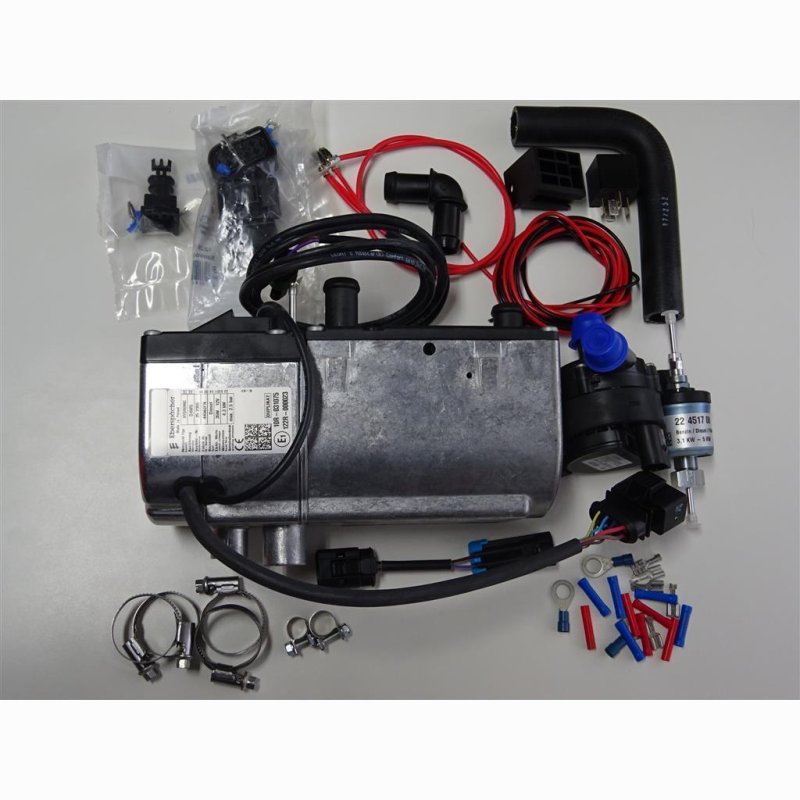
  1. Wood is burned within a suitable heating appliance.
  2. Heat from combustion is transferred to water.
  3. A circulation system moves the heated water through pipework.
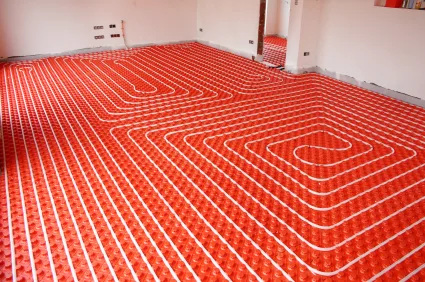
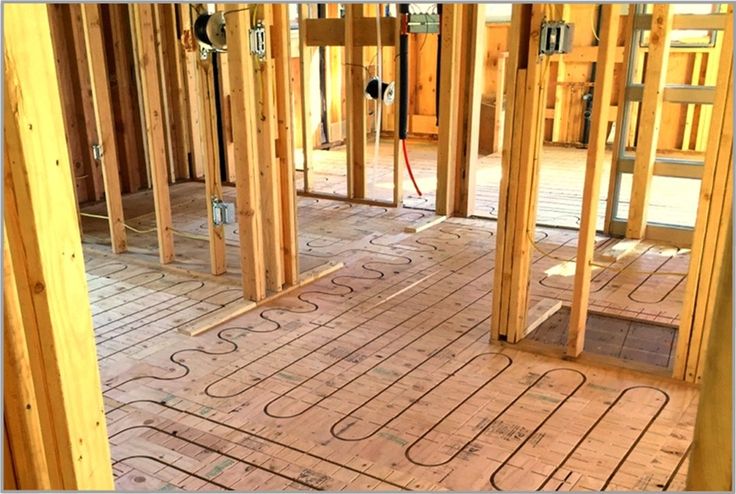
  4. Radiators, panels or underfloor pipes release the warmth into rooms.
  5. Cooler water returns to the heating unit for reheating.

This allows heat from a central source to reach multiple rooms rather than remaining concentrated around the appliance.

Why Consider Water-Based Wood Heating?

Different households have different heating preferences. Wood-based hydronic systems may appeal to homeowners who want to use a renewable fuel source while distributing heat throughout their property.

Some potential advantages include:

  • Whole-home heat distribution: Heat can be delivered to several rooms through a connected hydronic network.
  • Comfortable warmth: Radiators and underfloor systems can provide steady radiant heat.
  • Alternative energy source: Wood can provide an option for properties where other heating fuels may not be preferred.
  • Flexible distribution: Systems can potentially combine radiators, underfloor heating and other suitable components.
  • Centralised heating: A single heat source can serve multiple areas of the home.

The actual performance and suitability of a system depend on its design, installation and the property’s heating requirements.

Is Wood Hydronic Heating Suitable for Every Home?

Not necessarily. Before selecting a wood-fired hydronic system, homeowners should consider the available space, local regulations, fuel storage requirements and the property’s overall heating demand.

Wood storage is an important consideration. Sufficient dry and well-ventilated storage space may be required to keep fuel ready for use. The type and quality of wood can also influence combustion and heating performance.

Property owners should also consider chimney or flue requirements, system controls, maintenance access and safe operation.

What About Radiators and Underfloor Heating?

One of the key features of hydronic heating is the ability to distribute warm water through different types of heat emitters.

Radiators can be suitable for individual rooms and are often easier to incorporate into existing properties. Underfloor heating, on the other hand, distributes warmth across a larger surface area and can provide a comfortable radiant heating experience.

The appropriate option depends on the home’s construction, flooring, room layout and whether the system is being installed during a renovation or in a new build.

Important Factors Before Installation

A heating system should be selected based on the property’s specific requirements rather than simply choosing the largest available unit.

Before installation, consider:

  • Home size and insulation
  • Number of rooms requiring heating
  • Wood availability and storage
  • Radiator or underfloor requirements
  • Water circulation and system controls
  • Flue and ventilation requirements
  • Cleaning and maintenance needs
  • Local installation and environmental requirements

Professional system design is particularly important because incorrect sizing can affect comfort, efficiency and operating costs.

Could This Be a Long-Term Heating Option?

For homeowners who already have access to suitable wood fuel and prefer radiant heating, wood hydronic heating may be an option worth investigating. However, it is important to compare it with alternatives such as heat pumps, electric heating and other hydronic technologies.

Consider the complete picture, including installation expenses, fuel availability, maintenance and everyday convenience.

Final Thoughts

A wood-fired hydronic system combines the warmth of wood heating with the flexibility of water-based heat distribution. Wood hydronic heating can deliver heat through radiators or underfloor pipework, making it possible to warm multiple areas from a central heat source. By assessing your property’s layout, fuel requirements, storage options and heating needs, you can determine whether this approach is suitable for your home.

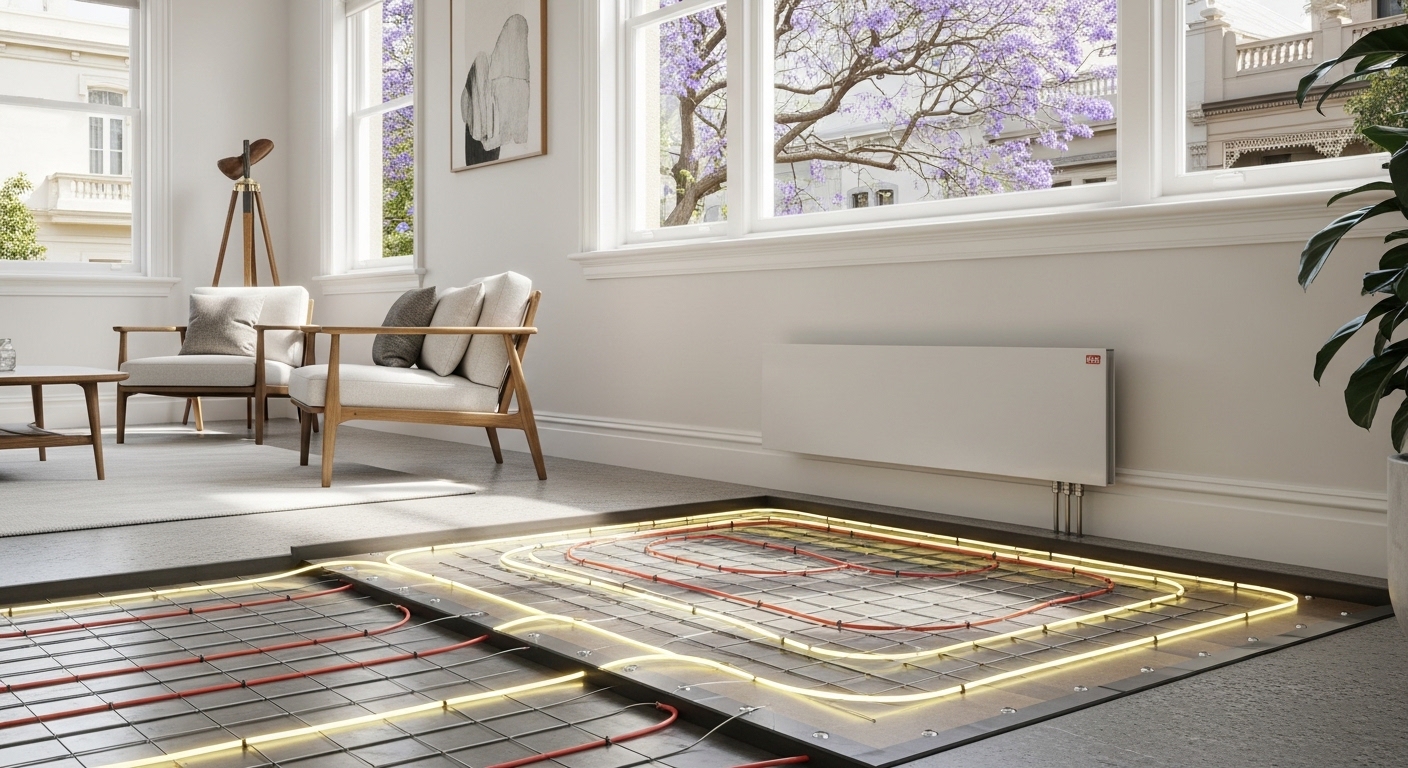
Hydronic Heating: Efficient Comfort for Modern Homes

Creating a warm and comfortable indoor environment is essential, especially during colder months. Among the many heating solutions available today, Hydronic Heating has become increasingly popular for its energy efficiency, consistent warmth, and quiet operation. Designed to heat spaces using water instead of forced air, this system provides a comfortable and balanced indoor climate suitable for modern homes and commercial spaces.

What Is Hydronic Heating?

Hydronic heating is a system that warms a property by circulating heated water through pipes installed beneath floors, inside wall panels, or within radiators. The water is heated by a boiler or heat pump and then distributed evenly throughout the space. Unlike traditional heating systems that blow hot air, hydronic systems radiate gentle warmth, creating a natural and comfortable temperature.

Because heat rises evenly from surfaces, rooms feel consistently warm without sudden temperature fluctuations or cold spots.

How Hydronic Heating Works

The process behind hydronic heating is simple yet highly effective. Water is heated at a central source and pumped through a network of sealed pipes. As the warm water travels through the system, heat transfers into the surrounding space before the cooled water returns to be reheated again.

This closed-loop system minimises energy waste and maintains steady indoor comfort. Since there are no fans or ducts involved, heat distribution remains silent and efficient.

Benefits of Hydronic Heating

One of the main reasons homeowners choose hydronic systems is the level of comfort they provide. Instead of dry, circulating air, the warmth feels natural and gentle. Additional benefits include:

  • Even heat distribution across rooms
  • Quiet operation with no blowing air or noise
  • Improved energy efficiency compared to many traditional systems
  • Reduced dust circulation, supporting better indoor air quality
  • Compatibility with modern energy sources such as heat pumps

These advantages make hydronic heating ideal for households seeking both comfort and efficiency.

Ideal Applications for Hydronic Systems

Hydronic heating works well in a variety of settings. Underfloor heating is particularly popular in living areas, bathrooms, and open-plan spaces where consistent warmth enhances comfort. Radiator-based systems are also suitable for renovations or existing homes where underfloor installation may not be practical.

Many homeowners integrate hydronic heating into new builds because the system can be customised during construction to maximise efficiency and performance.

Energy Efficiency and Sustainability

Energy efficiency is one of the strongest features of hydronic heating. Water retains heat longer than air, meaning the system requires less energy to maintain comfortable temperatures. When paired with energy-efficient boilers or heat pumps, operating costs can be significantly reduced over time.

Additionally, hydronic systems can work with renewable energy sources, making them a forward-thinking choice for environmentally conscious households.

Maintenance and Longevity

Hydronic heating systems are known for durability and long service life. With fewer moving parts compared to forced-air systems, wear and tear are reduced. Regular servicing of the boiler or heat source helps maintain optimal performance, while the pipe network itself can last for decades when properly installed.

Is Hydronic Heating Right for Your Home?

Choosing the right heating system depends on factors such as property size, insulation quality, and lifestyle needs. Hydronic heating is particularly suitable for homeowners who prioritise comfort, quiet operation, and long-term efficiency. Although installation costs may be higher initially, many find the ongoing energy savings and comfort benefits worthwhile.

Conclusion

Hydronic Heating offers a modern and energy-efficient way to maintain consistent warmth throughout a home. With its silent operation, even heat distribution, and compatibility with sustainable energy solutions, it provides a comfortable alternative to conventional heating systems. As more households seek efficient and environmentally responsible solutions, hydronic heating continues to stand out as a reliable choice for long-term indoor comfort.

Is Hydronic Heating Sydney Homeowners the Right Choice for Winter Comfort?

When winter temperatures drop, many homeowners start questioning whether their current heating system is really doing the job. For those exploring premium, long-term solutions, hydronic heating Sydney homes are increasingly turning to is setting a new standard for comfort and efficiency.

With Sydney’s mild-to-cool winters and growing focus on energy-efficient homes, hydronic heating offers a balanced solution that delivers warmth without excessive energy use.

What Makes Hydronic Heating Sydney Homes Different from Traditional Heating?

Unlike ducted or split systems, hydronic heating Sydney installations rely on heated water circulated through pipes, radiators or underfloor systems. The heat radiates gently, warming spaces evenly without noisy airflow or temperature fluctuations.

This approach suits Sydney homes particularly well, as it provides consistent warmth during cold mornings while remaining efficient during milder winter days.

Why Is Hydronic Heating Sydney Gaining Popularity in New Builds and Renovations?

A common question among homeowners is why hydronic heating is being recommended so often by builders and designers. The answer lies in performance, design flexibility, and long-term value.

Some key reasons include:

  • Even heat distribution across all rooms
  • Quiet operation, ideal for apartments and family homes
  • Compatibility with modern electric and heat pump systems
  • Improved indoor air quality with no circulating dust

For Sydney homes focused on comfort and aesthetics, hydronic heating fits seamlessly into modern layouts.

How Well Does Hydronic Heating Perform in Sydney’s Climate?

Sydney winters aren’t extreme, but the cold can linger—especially in the early mornings and evenings. Hydronic heating Sydney systems excel in this type of climate by maintaining a steady temperature rather than switching on and off aggressively.

The system’s ability to retain heat means less energy is required to keep the home comfortable, making it both practical and cost-effective for local conditions.

Is Hydronic Heating Sydney a Good Option for Apartments and Townhouses?

Many people assume hydronic heating is only suitable for large houses, but this isn’t the case. Hydronic heating Sydney apartments and townhouses can benefit just as much, particularly when space-saving wall panels or slim radiators are used.

Zoning options allow residents to heat only occupied areas, which is ideal for compact living and multi-level properties common across Sydney suburbs.

What Are the Running Costs of Hydronic Heating Sydney Systems?

Running costs depend on the heat source used, such as electric boilers or heat pumps. When paired with energy-efficient equipment, hydronic heating Sydney systems can offer lower operating costs compared to traditional gas or ducted heating.

Many homeowners also appreciate the reduced maintenance requirements and longer system lifespan, which adds to overall value.

Should You Invest in Hydronic Heating Sydney Homes Today?

If comfort, efficiency and long-term savings matter to you, hydronic heating in Sydney installations are worth serious consideration. Whether you’re building new, renovating, or upgrading an older heating system, hydronic heating provides a future-ready solution that aligns with modern Australian living.

Choosing the right system today means enjoying consistent warmth, quiet operation and peace of mind every winter.

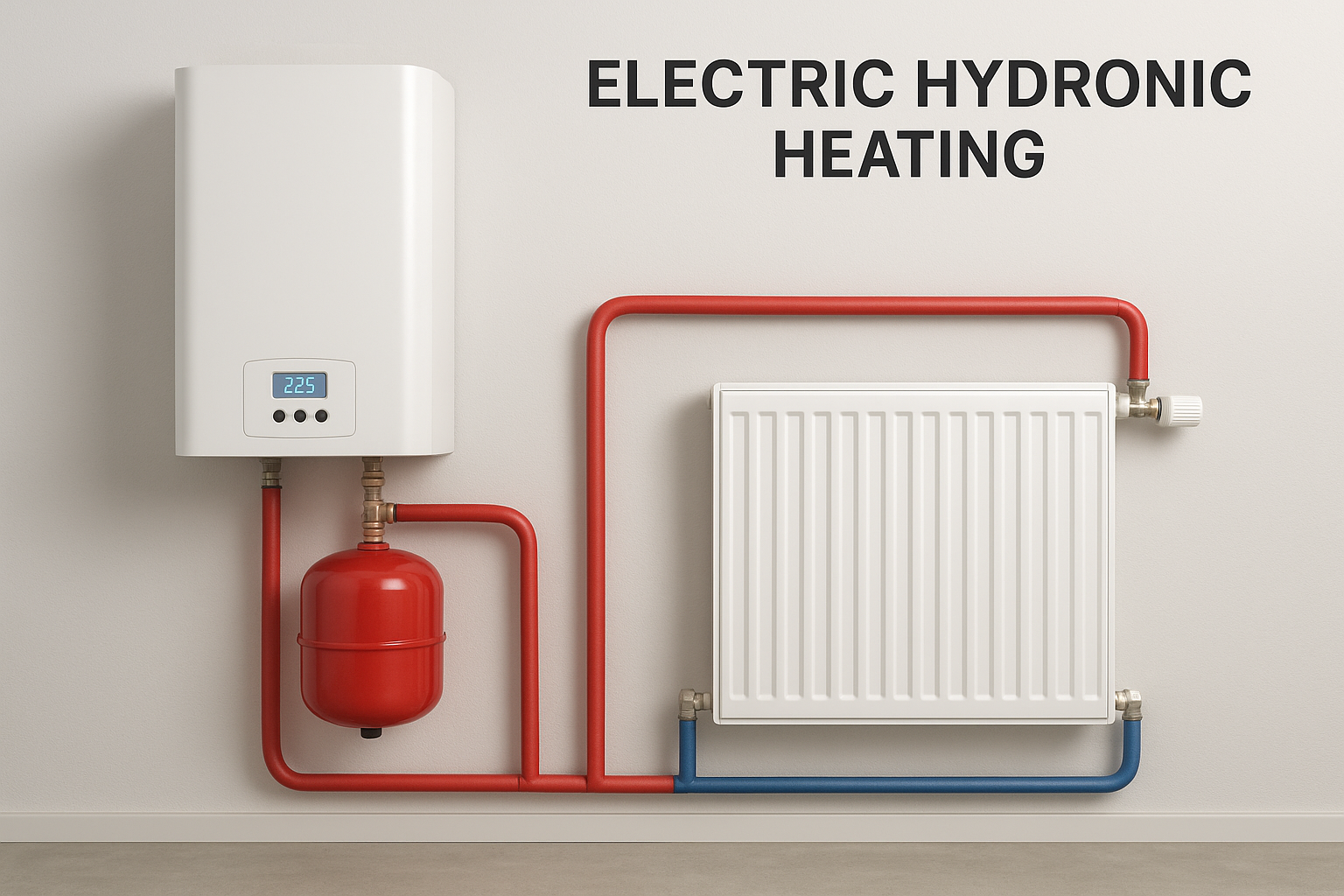
electric hydronic heating

The Advantages Of Electric Hydronic Heating For Your Home In 2024

As we move into 2024, homeowners increasingly seek energy-efficient, eco-friendly heating solutions. One system that continues to rise in popularity is electric hydronic heating. This system offers a unique combination of comfort, energy efficiency, and sustainability, making it an excellent choice for modern homes. Let’s explore the key advantages of electing electric hydronic heating in 2024.

Energy Efficiency and Cost Savings

Electric hydronic heating works by heating water circulated through pipes or radiators to warm your home. Unlike traditional heating systems that rely on combustion or electricity to directly generate heat, hydronic heating uses less energy because water retains heat more efficiently. This means the system can warm your home more evenly, using less energy over time.

While the upfront installation cost may be higher than traditional heating systems, the long-term savings on energy bills are significant. Over time, homeowners can enjoy reduced heating costs, especially in homes with good insulation. As electricity prices fluctuate, you can also explore options like pairing your system with solar panels to cut costs further.

Consistent and Comfortable Heating

One of the standout benefits of electric hydronic heating is the consistency of its warmth. Unlike conventional forced-air systems, which can create drafts and temperature fluctuations, hydronic heating delivers an even and steady temperature throughout the home. This creates a comfortable, cosy environment, perfect for colder months. Plus, the radiant heat the system produces is more natural, as it heats objects and people directly rather than warming the air, resulting in a more comfortable indoor climate.

Minimal Maintenance

Another advantage of electric hydronic heating is its low-maintenance nature. These systems have fewer moving parts than traditional heating systems, such as forced air or gas systems, which reduces the likelihood of breakdowns and costly repairs. Electric hydronic systems can last for many years with minimal upkeep with proper installation and care.

Eco-Friendly Heating Solution

In 2024, many homeowners are looking for more sustainable ways to heat their homes, and electric hydronic heating is a step in the right direction. The system can be nearly carbon-neutral when powered by renewable electricity sources, such as wind or solar power. This makes it a great option for homeowners who want to reduce their carbon footprint while enjoying the benefits of a reliable heating system.

Flexibility and Zoning

Electric hydronic heating systems are highly versatile and easily customised to suit your home’s needs. You can create different heating zones within your home, ensuring that rooms are heated to the desired temperature without wasting energy on unused spaces. This zoning feature enhances comfort and leads to further energy savings.

Conclusion

The electric hydronic heating offers many benefits, from energy efficiency and low maintenance to consistent warmth and eco-friendliness. As we continue to prioritise sustainability and cost-saving solutions in 2024, it’s clear that this system is an excellent choice for homeowners seeking a reliable, long-term heating solution.

Heat Pump Hydronic Heating: Everything You Need to Know Before Making the Switch

Energy bills, environmental impact, and home comfort are three things most Australian homeowners think about more than they used to. Finding a heating solution that addresses all three at once isn’t easy, but heat pump hydronic heating comes closer than most. It delivers the radiant warmth that hydronic systems are known for, powered by technology that uses energy far more efficiently than conventional gas combustion — and it works well in the kinds of homes and climates found right across southern and alpine Australia.

The Core Idea Behind the Technology

A heat pump doesn’t burn fuel to create heat. It works more like a refrigerator in reverse — extracting thermal energy from the outside air, concentrating it, and transferring it into the water that circulates through the hydronic system. Even when outdoor temperatures drop to single digits, there’s still enough thermal energy in the air for a well-designed heat pump to extract and use effectively.

That water then travels through insulated pipes to whatever emitters are installed throughout the home — underfloor tubing, radiators, panel heaters, or a combination — releasing warmth evenly and quietly into each room. There are no air currents, no noise from fans or ducts, and no temperature swings. Just consistent, gentle warmth across the entire living space.

How It Compares to Ducted Gas Heating

The comparison between heat pump hydronic heating and ducted gas is worth spelling out clearly, because the differences go beyond simply swapping one fuel for another.

Ducted gas systems heat air and push it through vents in the ceiling or floor. The air cools quickly once it leaves the vent, temperatures vary significantly between ceiling height and floor level, and the moving air carries dust and allergens through the space. Humidity levels also tend to drop in ducted air environments, which affects comfort and can irritate airways.

Hydronic systems heat surfaces rather than air. The warmth radiates from the floor, wall panels, or radiators evenly throughout the room, creating a more stable and comfortable environment at a lower perceived temperature. Most people find a hydronically heated space comfortable at a thermostat setting several degrees lower than they’d need with a ducted air system — which directly reduces energy use.

Adding a heat pump to that equation multiplies the efficiency advantage. For every unit of electricity consumed, a modern air-to-water heat pump can deliver three to five units of heating energy under typical operating conditions, depending on the outdoor temperature and the water temperature the system is running at.

Underfloor vs Radiators: Which Works Better With a Heat Pump?

Both work, but they behave differently and suit different situations. Underfloor hydronic circuits are the ideal pairing with a heat pump because they’re designed to operate at low water temperatures — typically between 35°C and 45°C — which is exactly the range where heat pumps achieve their highest efficiency. The floor becomes a large, low-temperature radiant surface that heats the room slowly and holds that warmth effectively in well-insulated spaces.

Radiators and panel heaters can also be used with a heat pump, but they’re generally sized for the higher water temperatures that gas boilers produce. Running them with a heat pump at lower temperatures may mean they don’t deliver as much heat output as expected unless they’ve been specifically selected or sized for low-temperature operation. Upgrading to larger radiator panels or low-temperature fan-assisted radiators resolves this, and is worth factoring into any system design.

Running Costs and the Solar Advantage

One of the most practical questions homeowners ask is what heat pump hydronic heating actually costs to run compared to gas. The answer depends on local electricity and gas tariffs, the efficiency rating of the heat pump, and how well the home retains heat. In general, a heat pump running on grid electricity will have running costs broadly comparable to an efficient gas boiler, and potentially lower depending on current pricing. The comparison shifts significantly in favour of the heat pump when rooftop solar is part of the picture.

Because heat pumps run on electricity, they can draw directly from solar generation during the day, effectively using free energy to heat the home and charge the thermal mass of the floor or the water in a buffer tank. Programming the system to run its heating cycle during peak solar hours means a meaningful proportion of the daily heating load can be met at little or no electricity cost from the grid.

Installation: What the Process Looks Like

Installing heat pump hydronic heating in a new build is the most straightforward scenario. The system can be designed from the ground up with the heat pump’s operating characteristics in mind — low water temperatures, appropriate emitter sizing, correct pipe spacing in underfloor circuits, and a buffer tank sized to smooth out the heat pump’s cycling behaviour.

Retrofitting into an existing home with a gas boiler already installed is more involved but very achievable. The key steps typically include:

  • Assessing the existing hydronic circuit to confirm it’s compatible with lower operating temperatures
  • Checking radiator sizing and upgrading where necessary
  • Installing the outdoor heat pump unit and connecting it to the existing pipework via a buffer tank
  • Updating controls and thermostats to work with the new heat source
  • Decommissioning the gas boiler and arranging for its removal

The complexity varies considerably depending on what’s already in place, which is why an on-site assessment before committing to a retrofit is always worthwhile.

Environmental Credentials Worth Noting

As the Australian electricity grid continues to add renewable generation capacity, the emissions profile of electric heating technology improves automatically over time. A heat pump installed today will have a lower carbon footprint than it did a decade ago, and that trajectory is expected to continue. For homeowners who have already invested in rooftop solar and battery storage, running heat pump hydronic heating on largely self-generated renewable electricity makes it one of the lowest-emission whole-home heating solutions currently available.

Making an Informed Decision

Heat pump hydronic heating isn’t the cheapest system to install upfront, and it isn’t suited to every home or every budget. But for homeowners who value consistent comfort, lower running costs over the long term, and a heating solution that aligns with where energy technology is heading, it makes a compelling case. Getting proper advice from specialists who understand both the hydronic side and the heat pump technology is what ensures the system is designed to perform well from day one — and keeps performing well for the decades ahead.

Exploring The Advantages Of Electric Hydronic Heating Systems

When it comes to efficient and comfortable heating solutions, electric hydronic heating systems have gained significant popularity. These systems utilise water as a medium to distribute heat, providing warmth throughout residential and commercial spaces. In this article, let’s explore the advantages of electric hydronic heating systems, highlighting their energy efficiency, superior comfort, versatility, and environmental friendliness.

Energy Efficiency

Electric hydronic heating systems offer remarkable energy efficiency compared to traditional heating methods. By heating water in a central boiler and circulating it through a network of pipes and radiators, these systems effectively transfer heat to the surrounding environment. The use of water as a medium ensures minimal heat loss during distribution, resulting in higher efficiency and reduced energy consumption. As a result, homeowners and businesses can enjoy cost savings on their energy bills while minimising their environmental footprint.

Superior Comfort

One of the key advantages of electric hydronic heating systems is the superior comfort they provide. Unlike forced-air heating systems that distribute heated air unevenly, hydronic systems deliver radiant heat evenly throughout the space. This radiant heat warms objects and surfaces, creating a comfortable and cozy environment. Additionally, hydronic systems operate silently, eliminating the noise associated with forced-air systems. The absence of blowing air and dust particles also makes hydronic heating ideal for individuals with allergies or respiratory sensitivities.

Versatility

Electric hydronic heating systems offer exceptional versatility, making them suitable for various applications and spaces. These systems can be installed in new construction or retrofitted into existing buildings, providing flexibility for both residential and commercial settings. They can be integrated with different types of flooring, including tile, hardwood, and carpet, allowing for seamless integration into any interior design. Furthermore, hydronic systems can be zoned, enabling individual temperature control in different areas of the building, ensuring personalised comfort and energy efficiency.

Silent Operation

Another advantage of electric hydronic heating systems is their silent operation. Since these systems do not rely on forced air circulation, there is no noise generated from air vents or fans. This feature is particularly beneficial for bedrooms, libraries, offices, or any space where a quiet and peaceful environment is desired. The absence of noise disturbance allows occupants to focus, relax, or sleep without any disruptions, enhancing the overall comfort of the space.

Environmental Friendliness

Electric hydronic heating systems are considered environmentally friendly heating options. They do not produce any combustion byproducts, such as carbon monoxide or greenhouse gases, making them clean and safe for indoor use. Additionally, the energy efficiency of these systems reduces overall energy consumption, contributing to lower carbon emissions and a smaller ecological footprint. By choosing electric hydronic heating, individuals can prioritise both comfort and environmental sustainability.

Conclusion

Electric hydronic heating systems offer numerous advantages in terms of energy efficiency, superior comfort, versatility, silent operation, and environmental friendliness. These systems provide even and consistent radiant heat, ensuring optimal comfort throughout residential and commercial spaces. With their cost-effective energy consumption, ability to be tailored to different environments, and minimal environmental impact, electric hydronic heating systems are a compelling choice for those seeking efficient and eco-friendly heating solutions.

hydronic heating specialists

Why Should Homeowners Rely On Hydronic Heating Specialists For Ultimate Comfort?

When planning to upgrade the heating system in a home, one question often arises — what makes hydronic heating specialists the right choice for comfort and efficiency? Hydronic heating is becoming increasingly popular across Australia, known for its silent operation, even warmth, and energy savings. But achieving those results depends largely on the expertise behind the system design and installation. This blog explores why working with specialists matters and what sets them apart in delivering long-term heating solutions.

What Makes Hydronic Heating So Different from Other Systems?

Unlike traditional air-based systems that circulate hot air, hydronic heating works by circulating heated water through sealed pipes and radiators. The warmth radiates evenly, creating a comfortable temperature without drying the air or spreading dust. This method is especially ideal for homes in colder regions where consistent warmth is essential. However, installing and maintaining such a system requires precision — and that’s where expert guidance comes in.

Why Is Expertise Crucial in Hydronic Heating Installation?

Installing hydronic systems isn’t just about connecting pipes and radiators. It involves precise heat load calculations, zoning, and understanding water flow dynamics. Experienced technicians ensure every component — from boilers to thermostats — operates efficiently. Hydronic heating specialists not only handle these technical aspects but also tailor solutions to each home’s layout, size, and insulation quality. A poorly installed system can waste energy, increase bills, or cause uneven heating, defeating the purpose of choosing hydronic in the first place.

How Do Specialists Help Homeowners Save on Energy Costs?

Energy efficiency is one of the biggest draws of hydronic heating. Specialists can design systems that maximise heat transfer while minimising energy use. They recommend energy-efficient boilers, programmable thermostats, and the right piping materials to maintain temperature consistency. This professional insight ensures that the system performs optimally throughout the year, reducing both running costs and environmental impact.

What Maintenance Is Needed and Who Should Handle It?

While hydronic systems are known for their reliability, routine servicing keeps them running efficiently. Specialists can identify potential issues early — such as air in the lines, pump wear, or boiler irregularities. These professionals perform detailed checks that go beyond basic cleaning, ensuring that the heating system remains responsive and cost-effective. Entrusting maintenance to experts also extends system lifespan, providing peace of mind during the coldest months.

Can Hydronic Heating Be Integrated into Existing Homes?

Many homeowners assume hydronic heating is suitable only for new builds, but that’s not entirely true. Specialists can retrofit systems into existing properties with minimal disruption. They assess flooring, insulation, and available space for pipework to create a seamless setup. Modern installation techniques even allow underfloor hydronic systems to be added beneath tiles or timber flooring, offering luxurious comfort without altering a home’s aesthetic.

Why Choose Local Expertise for Your Heating Project?

Local specialists understand regional climates and energy regulations, making them the ideal choice for homeowners in Australia. They can recommend the most suitable heating options based on local temperatures and energy tariffs. Their knowledge ensures compliance with Australian Standards while prioritising energy efficiency and safety.

Final Thoughts: Expertise That Makes a Difference

Hydronic heating is a smart investment in home comfort, but its success relies heavily on professional installation and maintenance. Engaging hydronic heating specialists ensures that the system is designed, fitted, and maintained with accuracy and care. Their skill transforms what could be a complex system into a reliable, efficient, and environmentally friendly heating solution. For homeowners seeking year-round warmth and cost savings, relying on specialist expertise is not just wise — it’s essential.