Category Archive : Business

grave memorials

Tales In Stone: The Art And Purpose Of Grave Memorials

In the hushed corners of cemeteries, grave memorials stand as silent storytellers, weaving narratives of lives lived, loves cherished, and legacies left behind. More than mere markers of final resting places, these monuments serve as timeless expressions of art and purpose, each chiseled detail encapsulating the essence of those who have passed.

Sculpting Narratives In Stone:

Grave memorials are not just static stones; they are intricate sculptures that encapsulate the essence of an individual’s life. From lifelike representations to abstract forms, the artistry in these monuments transcends the boundaries of time, creating a tangible connection between the departed and those who come to pay their respects.

Commemorating Milestones:

Many grave memorials go beyond the traditional birth and death dates, incorporating elements that commemorate significant milestones in a person’s life. From wedding rings to depictions of career achievements, these details add a personal touch, transforming the memorial into a visual timeline of the individual’s journey.

Cultural Expressions:

Grave memorials often serve as expressions of cultural identity and heritage. Symbolic motifs, religious emblems, and culturally specific designs adorn these stones, reflecting the diverse backgrounds and traditions of the individuals they memorialise. In this way, grave memorials become cultural artifacts, preserving and celebrating the richness of human diversity.

Personalised Inscriptions:

The inscriptions on grave memorials are not just names and dates; they are windows into the personalities and relationships of the departed. Heartfelt messages, poetry, and personalised inscriptions convey the emotions of those left behind, offering a glimpse into the impact the individual had on the lives of others.

Healing Spaces:

Cemeteries, adorned with grave memorials, serve as healing spaces for the bereaved. The act of selecting, designing, and visiting a memorial becomes a therapeutic process for grieving individuals and families. The physical presence of the memorial provides a tangible focal point for mourning, remembrance, and the gradual process of healing.

Symbolism Of Unity:

In family plots or communal areas, grave memorials often symbolise the unity of those laid to rest. Shared motifs, interconnected designs, or collaborative inscriptions convey the idea of a shared journey even in the afterlife. These symbols of unity provide solace to the living, reinforcing the enduring connections between family members and loved ones.

Interactive Memorials:

Advancements in technology have given rise to interactive grave memorials. QR codes, augmented reality, and digital platforms allow visitors to access multimedia content, stories, and memories related to the departed. These interactive elements create dynamic, personalised experiences, bridging the gap between the physical and digital realms of remembrance.

Enduring Legacies:

Grave memorials serve as conduits for preserving enduring legacies. Through their permanence, these stones become touchstones for future generations, ensuring that the stories, accomplishments, and essence of individuals are not lost to time. The art and purpose of grave memorials lie in their ability to transcend generations, becoming timeless monuments to the human experience.

In the end, the tales in stone told by grave memorials are not just about death; they are about the celebration of life, the acknowledgment of individuality, and the continuity of love and remembrance. Each memorial, with its unique art and purpose, contributes to the rich tapestry of stories etched into the landscapes of cemeteries around the world.

recliner lift chairs in Sydney

Find Sydney’s Ideal Recliner Lift Chairs for Comfort and Mobility

When creating a comfortable and accessible living space, finding the perfect recliner lift chair is paramount. These chairs not only offer exceptional comfort but also provide assistance to individuals with mobility issues, allowing them to transition from a seated to a standing position effortlessly. In Sydney, a vibrant city known for its diverse range of furniture options, you can find a plethora of recliner lift chairs designed to enhance both comfort and mobility. In this article, we will explore the world of recliner lift chairs in Sydney, highlighting their benefits and guiding you towards finding the perfect chair for your needs.

1. Enhanced Comfort:

Recliner lift chairs in Sydney are designed with the utmost comfort in mind. They typically feature plush cushioning, padded armrests, and adjustable reclining positions, allowing you to find the perfect seating position for relaxation.

2. Assisted Mobility: 

The primary feature that sets recliner lift chairs apart is their ability to assist with mobility. These chairs are equipped with a lifting mechanism that gently raises the seat, helping individuals with limited mobility easily transition from sitting to standing position. This feature promotes independence and reduces the risk of falls or strain.

3. Tailored Support: 

Recliner lift chairs in Sydney are available in a range of sizes and styles to accommodate different body types and support needs. Whether you require additional lumbar support, adjustable headrests, or customised seating dimensions, you can find a chair that offers the perfect blend of support and comfort.

4. Easy-to-Use Controls: 

Lift chairs in Sydney are designed with user-friendly controls. The lifting and reclining mechanisms can be operated with simple buttons or remote controls, ensuring effortless adjustment and convenience.

5. Additional Features: 

Many recliner lift chairs in Sydney come with additional features to enhance your comfort and convenience. These features may include built-in heating and massage functions, USB charging ports, cup holders, and storage compartments, offering a comprehensive and luxurious seating experience.

6. Expert Guidance: 

When searching for the perfect recliner lift chair in Sydney, you can benefit from the expert guidance provided by furniture retailers. They have knowledgeable staff who can assist you in selecting the right chair based on your preferences, needs, and budget.

7. Delivery and Installation Services: 

Many furniture retailers in Sydney offer delivery and installation services for recliner lift chairs. This ensures that your chair is set up correctly and ready for use in your home, saving you time and effort.

8. Support and After-Sales Service: 

Reputable furniture retailers in Sydney provide excellent customer support and after-sales service. They can assist with warranty claims, repairs, and any queries or concerns you may have, ensuring a positive purchasing experience.

In Conclusion

Investing in a recliner lift chair in Sydney combines comfort and mobility, providing you or your loved ones with a functional and cozy seating solution. With the wide range of options available, you can find the perfect chair that suits your style, support needs, and budget. Explore the furniture stores and showrooms in Sydney, and discover the ideal recliner lift chair that brings comfort and enhanced mobility to your living space.

timber-pallets

Timber Pallets: The Unsung Heroes Of Logistics

In the fast-paced world of logistics and supply chain management, timber pallets often go unnoticed. These unassuming wooden platforms play a crucial role in the efficient movement of goods across the globe. In this blog, we’ll uncover the significance of timber pallets, their sustainable aspects, and the various industries that rely on them.

Timber Pallets: The Backbone of Logistics

  • Sturdy and Reliable:

Timber pallets are renowned for their strength and durability. They provide a stable base for goods, allowing for efficient stacking and transportation. From manufacturing plants to warehouses, timber pallets are the workhorses of the logistics world.

  • Standardised Sizes:

One of the key advantages of timber pallets is their standardised sizes. This consistency ensures compatibility with various handling and transportation equipment, such as forklifts and pallet jacks. It also simplifies the process of stacking and storing goods.

  • Customizable and Repairable:

Timber pallets are highly customizable to suit the specific needs of different industries. Whether it’s accommodating large machinery or delicate products, these pallets can be tailored accordingly. Additionally, they are easily repairable, reducing waste and extending their lifespan.

Sustainability in Timber Pallets

  • Renewable Resource:

Timber, the primary material used in these pallets, is a renewable resource. Sustainable forestry practices ensure a constant supply of timber for pallet production, making it an eco-friendly choice.

  • Biodegradable:

Timber pallets are biodegradable, meaning they break down naturally over time, without causing long-term environmental harm. This is a significant advantage in a world focused on reducing waste and carbon footprints.

  • Recycling and Repurposing:

Timber pallets can be recycled and repurposed for various applications. Old pallets can find new life as furniture, garden beds, or even artistic installations, further contributing to sustainability.

Industries Dependent on Timber Pallets

  • Agriculture:

In the agricultural sector, timber pallets are indispensable for transporting fresh produce, from fruits and vegetables to flowers. They play a crucial role in ensuring that farm-to-market supply chains run smoothly.

  • Manufacturing:

Manufacturing facilities rely on timber pallets for the storage and transportation of heavy machinery and raw materials. Their durability and strength make them an ideal choice for this industry.

  • Retail:

Walk into any retail store, and you’re likely to see timber pallets being used for product displays. They offer a rustic and cost-effective way to showcase everything from electronics to clothing.

  • International Trade:

Timber pallets are designed to meet ISPM-15 standards, which are essential for international trade. They facilitate the smooth movement of goods across borders, making them crucial for the export industry.

  • DIY Enthusiasts:

Timber pallets have found a new life in the hands of DIY enthusiasts. From creating rustic furniture to crafting garden beds, these pallets offer endless possibilities for creative projects.

Conclusion:

Timber pallets may not be the most glamorous aspect of the logistics and supply chain world, but they are undeniably vital. Their strength, reliability, and sustainability make them an integral part of various industries. As we move towards a more environmentally conscious future, the eco-friendly nature of timber pallets aligns perfectly with the global commitment to reduce waste and minimise the impact on our planet. These unassuming wooden platforms quietly support the world’s commerce, ensuring that goods continue to move efficiently and sustainably.


coffee machine professional

The Science of Coffee Extraction: Secrets for Coffee Machine Professionals

Coffee extraction is the fundamental process at the heart of every coffee preparation, be it a simple cup of drip coffee or a complex espresso shot. For coffee machine professional, understanding the science of coffee extraction is essential to consistently deliver high-quality coffee. In this article, we delve into the secrets and nuances of this fascinating process to help coffee machine professionals perfect their craft.

Coffee Bean Selection:

The journey of exceptional coffee extraction begins with the choice of coffee beans. Coffee machine professionals should prioritise freshly roasted, high-quality beans with well-defined flavor profiles.

The roast level plays a significant role in extraction. Lighter roasts typically require different extraction parameters than darker roasts. Professionals should understand how bean origin and roast level influence the extraction process.

Grind Size Matters:

Grind size is a critical variable in coffee extraction. Espresso, for instance, demands a fine grind, while French press requires a coarser one. Adjusting the grind size allows control over the rate of extraction. Finer grinds expose more surface area to water, leading to quicker extraction, while coarser grinds slow down the process.

Water Quality:

Coffee is mostly water, so its quality is paramount. Impurities in water can affect the flavor and aroma of the coffee. Coffee machine professionals should be aware of water hardness, mineral content, and temperature. Optimal water quality can enhance extraction efficiency and coffee taste.

Brew Time and Pressure:

The duration of the brewing process plays a significant role in coffee extraction. Espresso, for instance, is all about precise timing and pressure control. Achieving the right balance between brew time and pressure is crucial. For espresso, this usually ranges from 25 to 30 seconds with 9 bars of pressure.

The Importance of Tamping:

Proper tamping of the coffee grounds is an art in itself. Even the pressure distribution ensures that water flows evenly through the coffee bed. Inconsistent tamping can lead to channeling, where water finds the path of least resistance, resulting in uneven extraction.

Monitoring Extraction Ratios:

Professionals must be adept at adjusting the coffee-to-water ratio. Different coffee recipes require specific ratios to achieve the desired strength. Ratios, often expressed as grams of coffee to millilitres of water, influence flavour and intensity. Experimentation is key to finding the perfect balance.

The Role of Pressure Profiling:

For those using advanced espresso machines, pressure profiling is a powerful tool. It allows for precise control over pressure during extraction. Pressure profiling can accentuate different flavor notes in the coffee, making it a secret weapon for coffee machine professionals.

Understanding the Extraction Curve:

 The extraction curve is a graphical representation of how different flavour compounds are extracted over time during the brewing process. Professionals can use this curve to analyse the extraction dynamics and optimise parameters for a balanced flavour profile.

The science of coffee extraction is a multifaceted process that combines artistry and precision. For coffee machine professionals, mastering this science is essential to consistently producing exceptional coffee. By understanding and manipulating variables like bean selection, grind size, water quality, brew time, pressure, and more, professionals can unlock the secrets of coffee extraction and elevate their craft to new heights. Pursuing perfection in coffee extraction is a never-ending journey, but it yields remarkable rewards in the form of rich, complex, and truly satisfying coffee experiences.

heater in Liverpool

Top 6 Heaters to Beat the Chill in Liverpool, Australia

Winter has arrived in Liverpool, Australia, and with it comes the need for a reliable heater in Liverpool to keep you warm and cozy. Whether you’re looking to heat up your home, office, or any other space, there are plenty of options available to help you battle the cold. In this article, we will explore the top 6 heaters that will help you beat the chill in Liverpool.

  1. Gas Heaters

Gas heaters are a popular choice for many Liverpool residents due to their efficiency and affordability. These heaters use natural gas or propane to produce heat, making them an excellent option for larger spaces. They come in various styles, including freestanding and wall-mounted models, allowing you to choose the one that best suits your needs. With their instant heat output and cost-effectiveness, gas heaters are a fantastic choice for keeping your home warm during the winter months.

  1. Wood-burning stoves

For those seeking a rustic and environmentally friendly heating solution, wood-burning stoves are an excellent choice. These traditional heaters not only provide warmth but also add a touch of charm to your living space. Using sustainably sourced firewood, they generate radiant heat that can heat multiple rooms if positioned strategically. Wood-burning stoves are perfect for Liverpool’s chilly winters and create a cosy atmosphere that’s hard to beat.

  1. Oil-filled radiators

Oil-filled radiators are a reliable and energy-efficient option for heating your home. These heaters use electricity to heat oil, which then radiates heat into the room. One of the advantages of oil-filled radiators is their ability to maintain a consistent temperature, ensuring a warm and comfortable environment. They are also portable, making it easy to move them from room to room as needed.

  1. Ducted Heating Systems

For comprehensive home heating, ducted heating systems are a top choice. These systems distribute warm air throughout your entire home via a network of ducts and vents. While they may require professional installation, ducted heating systems are energy-efficient and provide even heating to every corner of your home. They can be controlled using a thermostat, allowing you to set your desired temperature and enjoy a warm and cosy living space.

  1. Infrared Heaters

Infrared heaters use electromagnetic radiation to heat objects and people directly, rather than heating the air. This makes them a quick and efficient way to warm up a space. Infrared heaters are available in various forms, including wall-mounted panels, freestanding units, and outdoor patio heaters. They are a great option for those who want instant heat without waiting for the room to warm up.

  1. Heat Pumps

Heat pumps are an energy-efficient heating and cooling solution that can keep your Liverpool home comfortable year-round. They work by transferring heat from the outside air to the inside of your home, making them incredibly efficient even in cold weather. Heat pumps are versatile and can provide both heating and cooling, making them a cost-effective choice for all seasons.

In conclusion

Staying warm during Liverpool’s chilly winters is essential for your comfort and well-being. The top six heaters mentioned above offer a range of options to suit different needs and preferences. Whether you prefer the cosiness of a wood-burning stove or the convenience of a ducted heating system, there’s a heater for everyone. So, don’t let the cold weather get the best of you; invest in the right heater and enjoy a warm and comfortable winter in Liverpool, Australia.

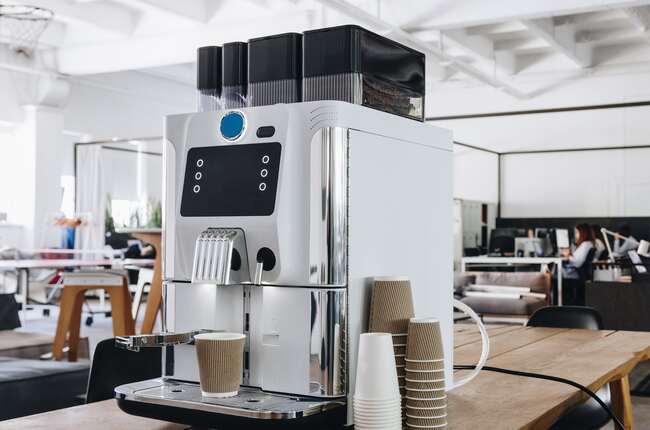
Why Renting A Coffee Machine Is The Perfect Fit For Your Office

Coffee has long been a staple in offices around the world. It’s the fuel that kickstarts the workday, a conversation starter by the water cooler, and a source of comfort during those long meetings. But when it comes to providing quality coffee for your office, the choice isn’t just about what kind of coffee you serve it’s also about how you serve it. This is where coffee machine for office on rent can be the perfect fit. In this article, we’ll explore why renting a coffee machine is an excellent choice for your office.


Cost-Efficiency and Budget Control:

     Renting a coffee machine often involves a fixed monthly cost, making it easier to manage your budget.

     You don’t have to worry about upfront purchase costs, maintenance expenses, or unexpected repair bills. It’s a predictable, cost-effective solution.


Quality Assurance:

     Professional coffee machine rental services provide top-quality machines that are well-maintained and regularly serviced.

     This ensures that your office consistently serves high-quality coffee, impressing employees and visitors.


Variety of Options:

     Coffee machine rental companies offer a range of machine types and models, allowing you to choose one that suits your office’s coffee preferences.

     Whether you prefer espresso, drip coffee, or specialty drinks, there’s a machine for you.


Maintenance and Support:

     With a coffee machine rental, you’ll typically receive comprehensive maintenance and support services.

     This means you don’t have to worry about technical issues, cleaning, or machine upkeep. It’s all taken care of for you.


Upgrade Flexibility:

     Office needs can change over time. With a rental, you have the flexibility to upgrade to a different machine or model as your requirements evolve.

     This adaptability ensures that your coffee service remains in sync with your office’s growth.


Saves Space and Reduces Clutter:

     Renting a coffee machine minimises the space required for coffee preparation, helping to declutter your office kitchen or breakroom.

     Many rental machines are compact and designed to fit seamlessly into office environments.


Employee Satisfaction:

     A well-maintained coffee machine that consistently delivers great coffee can significantly boost employee morale and satisfaction.

     Happy employees are often more productive and engaged in their work.


Customisation and Branding:

     Some rental services allow you to customise the machine’s appearance with your company branding, adding a unique touch to your office space.

     It’s a great way to reinforce your brand identity and create a positive office culture.


Environmental Considerations:

     Many coffee machine rental companies prioritise sustainability by offering eco-friendly coffee solutions.

     This aligns with the growing trend of environmentally conscious office practices.


No Long-Term Commitment:

      Renting a coffee machine typically involves a contract with a flexible term. You’re not locked into a long-term commitment, and you can adjust your plan as needed.

      This flexibility means you’re not stuck with a machine that no longer meets your office’s needs.


Renting a coffee machine for your office is a practical, cost-effective, and employee-friendly solution that provides consistently high-quality coffee. It offers a range of benefits, including cost control, maintenance support, customisation options, and flexibility. By choosing the right coffee machine rental service, you can create a positive and productive office environment that revolves around the simple pleasure of a good cup of coffee. It’s the perfect fit for your office’s caffeine needs.

whiteboard yearly planner

Mapping Success: The Strategic Brilliance Of A Whiteboard Yearly Planner

In the quest for effective time management and strategic planning, the whiteboard yearly planner emerges as a beacon of organization and visual clarity. More than just a scheduling tool, it becomes a canvas for mapping out goals, milestones, and accomplishments over the course of a year. Here, this article explores the unique facets of a whiteboard yearly planner, unraveling its strategic brilliance in helping individuals and teams navigate the complexities of time.

Strategic Goal Visualization:

The whiteboard yearly planner provides a dynamic space for the visualization of strategic goals. Unlike digital calendars, the physical presence of the whiteboard allows for the creation of visual hierarchies, emphasizing key objectives for the year. This visual representation serves as a constant reminder of overarching goals, fostering a strategic mindset among users.

Quarterly Planning For Agility:

Breaking down the year into quarters, the whiteboard yearly planner facilitates agile planning. Each quarter can be dedicated to specific projects, initiatives, or objectives, allowing for a more focused and adaptable approach. This quarterly segmentation promotes agility, enabling individuals and teams to reassess and recalibrate goals based on evolving priorities and external factors.

Color-Coding For Clarity:

A standout feature of the whiteboard yearly planner is the ability to incorporate color-coded elements. Assigning distinct colors to different projects, teams, or types of tasks enhances visual clarity. This color-coded system allows users to quickly identify and prioritize activities, fostering a streamlined and efficient approach to managing multiple facets of work.

Team Collaboration And Alignment:

The collaborative nature of the whiteboard yearly planner makes it an ideal tool for team alignment. Teams can collectively contribute to the planning process, ensuring that everyone is on the same page regarding goals, timelines, and priorities. This visual alignment fosters a shared understanding among team members, enhancing collaboration and collective accountability.

Event And Milestone Tracking:

Beyond day-to-day tasks, the whiteboard yearly planner excels at tracking significant events and milestones. Whether it’s project deadlines, product launches, or team celebrations, users can mark these moments on the planner. This feature not only helps in anticipating and preparing for important occasions but also serves as a record of achievements throughout the year.

Flexible Adaptation To Change:

The erasable and adaptable nature of the whiteboard allows for seamless adjustments to plans as circumstances change. Whether facing unexpected challenges or capitalizing on unforeseen opportunities, users can easily modify timelines, shift priorities, and update the planner in real-time. This flexibility is particularly valuable in dynamic work environments where change is a constant.

Strategic Reflection And Review:

The whiteboard yearly planner serves as a tool for strategic reflection and review. Regular check-ins allow individuals and teams to assess progress, identify areas for improvement, and celebrate achievements. This reflective practice contributes to continuous improvement and ensures that strategies remain aligned with overarching goals.

In the dynamic landscape of time management and strategic planning, the whiteboard yearly planner stands out as a powerful ally. Its visual clarity, collaborative features, and adaptability make it a versatile tool for individuals and teams aiming not just to manage time but to strategically navigate the complexities of a year. With its strategic brilliance, the whiteboard yearly planner becomes more than a scheduling device—it becomes a roadmap for success.

The Science Behind Lifting Clamps: How Do They Work?

Lifting clamps are indispensable tools in various industries, used to secure and lift heavy materials safely and efficiently. But have you ever wondered about the science behind their functionality? In this article, we’ll delve into the intricate mechanics and engineering principles that power lifting clamps.

1. The Grip Mechanism:

Lifting clamps, regardless of their type, are designed to grip and secure loads firmly. The secret to their grip lies in the mechanical advantage created by their design. Most lifting clamps employ jaws or gripping elements that can be adjusted or manipulated to conform to the shape of the load. This adaptability ensures a tight grip, preventing slippage during lifting.

2. Friction as a Key Element:

Friction plays a crucial role in the functionality of lifting clamps. When the clamp’s jaws or gripping surfaces come into contact with the load, friction is generated. This frictional force opposes the load’s tendency to slide or slip out of the clamp’s grip. The greater the frictional force, the more secure the load remains.

3. Leveraged Force:

Lifting clamps are designed to provide a mechanical advantage. By using levers and pivot points in their construction, they allow the operator to apply a relatively small force to generate a much larger force on the load. This mechanical advantage is a fundamental principle in physics and engineering, and it’s what enables lifting clamps to handle heavy loads with relative ease.

4. Weight Distribution:

Lifting clamps distribute the weight of the load across their structure. This even distribution prevents excessive stress on any single point, ensuring that the clamp remains stable and secure during the lifting process. It also reduces the risk of damage to the load itself.

5. The Role of Material Strength:

The materials used in manufacturing lifting clamps are carefully chosen for their strength and durability. The clamps are typically constructed from high-strength steel or alloy materials that can withstand the loads they are designed to lift. This ensures the clamp’s long-term reliability and safety.

6. Load Testing and Certification:

Before being used in the field, lifting clamps undergo rigorous testing to ensure their reliability and safety. They are certified to meet industry standards and load ratings, which specify the maximum weight they can safely lift. Operators should always check the load rating and use the appropriate clamp to maintain safety.

7. Controlling Pressure and Tension:

Some lifting clamps, particularly those used in the plate lifting process, can be adjusted to control the pressure or tension applied to the load. This adjustability allows operators to fine-tune the grip to accommodate the load’s size and weight. When correctly adjusted, lifting clamps provide a secure hold without causing unnecessary damage to the load.

8. Spring-Loaded Mechanisms:

Certain types of lifting clamps, such as vertical lifting clamps, incorporate spring-loaded mechanisms to aid in gripping and releasing loads. These mechanisms use springs to create a force that aids in closing the clamp’s jaws and gripping the load, simplifying the operation and improving efficiency.

9. Anti-Slip Features:

Lifting clamps often have anti-slip features such as serrated edges or rubberized coatings on their gripping surfaces. These features enhance the clamp’s ability to hold onto loads securely, even in challenging conditions like wet or oily surfaces.

10. Leveraging Mechanical Advantage for Safety:

The mechanical advantage built into lifting clamps not only makes lifting heavy loads more manageable but also enhances safety. It allows operators to maintain better control and stability while lifting, reducing the risk of accidents and load drops.

Lifting clamps are remarkable tools that leverage the principles of friction, mechanical advantage, and material strength to securely lift heavy loads. Understanding the science behind their functionality is essential for using them safely and efficiently in various industrial applications. Proper training and adherence to safety guidelines are vital to ensure the reliable and safe operation of lifting clamps.


Motorized gate

The Ultimate Guide: 7 Benefits of Motorized Gates for Your Home

When it comes to enhancing the security and aesthetics of your home, Motorized gate are a popular choice that offers a range of benefits. These automated gates are no longer a luxury reserved for the wealthy; they have become increasingly accessible and affordable for homeowners across Australia. In this ultimate guide, we’ll explore the benefits of motorised gates for your home, shedding light on why they are a wise investment.


1. Enhanced Security:

One of the primary advantages of installing a motorised gate is the heightened security it provides. These gates act as a formidable barrier, making it challenging for unauthorised individuals to enter your property. With a motorised gate, you have full control over who can access your home, ensuring the safety of your family and belongings.


2. Convenience and Accessibility:

Gone are the days of manually opening and closing your gate in scorching heat or pouring rain. With a motorised gate, you can conveniently operate it from the comfort of your car or home. Many motorised gate systems also come with remote controls or smartphone apps, allowing you to open and close the gate with a simple button. This level of convenience is particularly valuable during adverse weather conditions.


3. Increased Property Value:

Investing in a motorised gate can significantly boost your property’s value. Potential buyers are often drawn to homes with added security features and modern conveniences. A well-maintained motorised gate can make your property stand out in the real estate market and increase its marketability, potentially fetching a higher resale price.


4. Improved kerb appeal:

Beyond security and convenience, motorised gates contribute to the overall aesthetic appeal of your home. These gates come in various styles, materials, and designs, allowing you to choose one that complements your property’s architecture. Whether you prefer a classic wrought-iron gate or a modern aluminium design, a well-chosen motorised gate can enhance your home’s curb appeal and make a lasting impression on visitors.


5. Privacy:

Privacy is a key concern for many homeowners, and a motorised gate helps you maintain it. By controlling access to your property, you can keep prying eyes at bay. Whether you live in a busy urban area or a quiet suburban neighbourhood, having a motorised gate adds an extra layer of privacy that lets you enjoy your home and outdoor spaces in peace.


6. Enhanced Safety:

If you have children or pets, a motorised gate can provide an added layer of safety. It prevents them from wandering onto the street and offers peace of mind, especially if you live near a busy road. Moreover, it can keep unwanted wildlife out, ensuring the safety of your loved ones.


7. Cost-Effective Solution:

While the initial cost of installing a motorised gate may seem substantial, it’s important to consider the long-term savings it offers. These gates require minimal maintenance and can last for many years. They also reduce the need for expensive security systems or hired security personnel, making them a cost-effective solution in the long run.

In conclusion, a motorised gate is a valuable addition to any home in Australia, offering enhanced security, convenience, increased property value, improved curb appeal, privacy, safety, and long-term cost savings. It’s not just a practical investment; it’s a statement of your commitment to safeguarding your property and loved ones while adding a touch of elegance to your home’s entrance. So, to elevate your home’s security and aesthetics, consider installing a motorised gate—your ultimate gateway to a safer and more stylish living space.

Exploring the Versatility: Types of Aluminium Sliding Doors and Windows

Aluminium sliding doors and windows have gained immense popularity in modern architecture due to their sleek design, durability, and energy-efficient properties. These versatile fixtures are available in various types, each tailored to specific needs and preferences. In this article, we will delve into the different types of aluminium sliding doors and windows, highlighting their unique characteristics and applications.

1. Standard Sliding Doors and Windows:

Standard aluminium sliding doors and windows are the most common type. They consist of two or more panels, with one or more panels sliding horizontally along tracks. These doors and windows are suitable for various residential and commercial applications, offering a seamless transition between indoor and outdoor spaces.

2. Stacking Sliding Doors:

Stacking sliding doors, also known as stacker doors, are a popular choice for larger openings. They consist of multiple panels that slide and stack neatly to one side, creating a wide, unobstructed opening. This design is ideal for creating a panoramic view and promoting indoor-outdoor living.

3. Corner Sliding Doors:

Corner sliding doors are designed to transform corners of a room into open, airy spaces. They feature two sets of sliding panels that meet at a corner without a fixed post or pillar, allowing for a continuous, uninterrupted view and access to the outdoors. These are a stylish choice for luxury homes and modern apartments.

4. Bifold Sliding Doors:

Bifold sliding doors are a unique variation that can be folded to one or both sides, creating a wide opening. When closed, they offer excellent thermal and sound insulation. When open, they provide an unobstructed view and maximum airflow. Bifold doors are often used for patios, verandas, and large entertainment spaces.

5. Tilt and Slide Doors:

Tilt and slide doors are a versatile option that combines sliding and tilting functions. They can be tilted inwards for ventilation or slid horizontally to fully open the space. This design is particularly popular in areas with changing weather conditions, as it allows for controlled airflow and light.

6. Lift and Slide Doors:

Lift and slide doors are engineered for larger and heavier panels. Instead of rolling on tracks, they use a lift-and-slide mechanism, making it easier to move the panels. These doors provide excellent thermal insulation and are suitable for luxury homes and commercial spaces with expansive glass requirements.

7. Telescopic Sliding Doors:

Telescopic sliding doors consist of multiple panels that stack behind each other when opened. They are an excellent choice for wide openings and provide a unique visual effect. The telescopic design ensures that only a portion of the door is opened when desired, making them versatile and efficient.

8. Triple Track Sliding Windows:

Triple track sliding windows have three separate tracks that allow more panels to slide, providing additional flexibility in controlling ventilation and sunlight. They are ideal for larger window openings, such as those used in sunrooms or expansive living spaces.

9. Tilt and Turn Windows:

While primarily used as windows, tilt and turn designs are worth mentioning. These windows can be tilted inwards for ventilation or fully opened by turning the handle, allowing for easy cleaning and maximum airflow. The versatile functionality of tilt and turn windows is suitable for various architectural styles.

10. Custom Designs:

Many manufacturers offer custom aluminium sliding doors and windows tailored to the specific requirements of a project. These custom designs can incorporate unique shapes, sizes, and materials, allowing architects and homeowners to achieve their design vision and functional goals.

Aluminium sliding doors and windows come in a variety of types to accommodate different architectural styles, spatial requirements, and design preferences. Whether you’re looking for a standard sliding door to seamlessly connect your living room to the outdoors or an innovative corner sliding door to create a panoramic view, there’s a type of aluminium door or window to suit your needs. The versatility, durability, and energy efficiency of these fixtures make them a popular choice for modern homes and commercial spaces, enhancing both aesthetics and functionality.