Category Archive : Business

metal roof installers near me

How Can You Find The Best Metal Roof Installers Near You?

Choosing the right roofing professional is important for protecting your property and ensuring a durable roof. When searching for metal roof installers near you, compare their experience, material options, installation methods, and customer reviews. A qualified installer can help you select a roofing system that suits your building, budget, and local weather conditions.

What Are the Benefits of Metal Roofing?

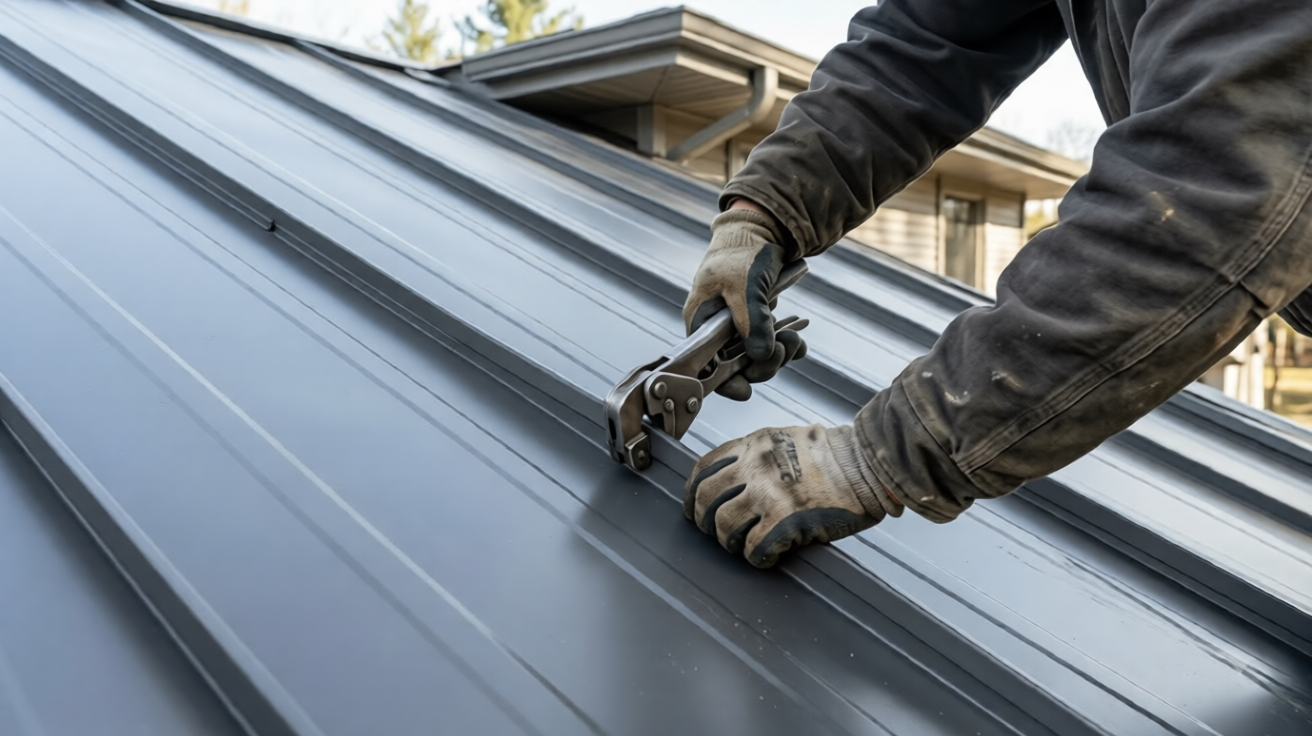
Metal roofing is widely used for residential, commercial, and industrial properties. It offers durability, a modern appearance, and relatively low maintenance requirements. Available in different colours, finishes, and profiles, metal roofing can complement various architectural designs.

With suitable materials and correct installation, a metal roof can withstand many common weather conditions. Some systems also support energy efficiency when combined with appropriate insulation and ventilation.

How Do You Choose a Reliable Roofing Installer?

Start by checking the installer’s experience with metal roofing projects similar to yours. Review previous work, customer feedback, relevant qualifications, and insurance coverage. Ask about their familiarity with different roofing profiles, flashing systems, and installation requirements.

Request detailed written quotes from several contractors. Compare material specifications, labour costs, project timelines, and any additional charges. A clear quote should explain what is included and identify any exclusions before work begins.

Which Metal Roofing Material Is Suitable for Your Property?

Steel is a popular choice because of its strength, availability, and range of finishes. Aluminium is lightweight and may suit coastal environments when the correct grade and installation methods are used. Other specialised metal materials may be appropriate for particular architectural styles or project requirements.

Consider your property’s location, roof design, exposure to salt air, and maintenance preferences before selecting a material. A professional installer can explain the advantages and limitations of each option.

What Should You Check Before Installation?

Before installation begins, the roof structure should be inspected for damage, moisture issues, and other problems that may affect the new roofing system. Accurate measurements and proper preparation help reduce material waste and installation complications.

Pay attention to flashing, fasteners, insulation, ventilation, and drainage. These components help manage rainwater and reduce the risk of leaks and condensation. The installer should also explain how the roofing system will comply with applicable Australian building requirements.

For coastal properties, corrosion protection and compatible materials are particularly important because salt exposure can shorten the service life of unsuitable roofing components.

How Much Does Metal Roof Installation Cost?

The cost of installing a metal roof depends on roof size, material type, design complexity, labour, accessibility, and preparation work. Removing an existing roof or repairing damaged structural components may increase the overall expense.

To manage your budget, compare itemised quotes rather than choosing the lowest price automatically. Ask whether the estimate includes old roofing removal, waste disposal, flashing, gutters, and site cleanup where required. Confirm payment terms, project schedules, and any applicable product or workmanship warranties.

How Can You Maintain a Metal Roof?

Regular inspections can help identify loose components, damaged coatings, blocked gutters, and other issues before they become serious. Keep drainage areas clear and arrange professional repairs when necessary.

Follow the manufacturer’s maintenance recommendations, particularly for properties exposed to coastal weather or heavy rainfall. Avoid unsuitable cleaning products and unsafe roof access, as these may damage the surface or create safety risks.

Conclusion

Selecting an experienced roofing professional involves comparing installation quality, materials, pricing, and customer feedback. Researching metal roof installers near you can help you find a contractor who understands your property’s requirements and explains the installation process clearly. By checking credentials, reviewing detailed quotes, and planning regular maintenance, you can make an informed decision about your metal roofing project.
colourbond roof sheeting supplies sydney cbd

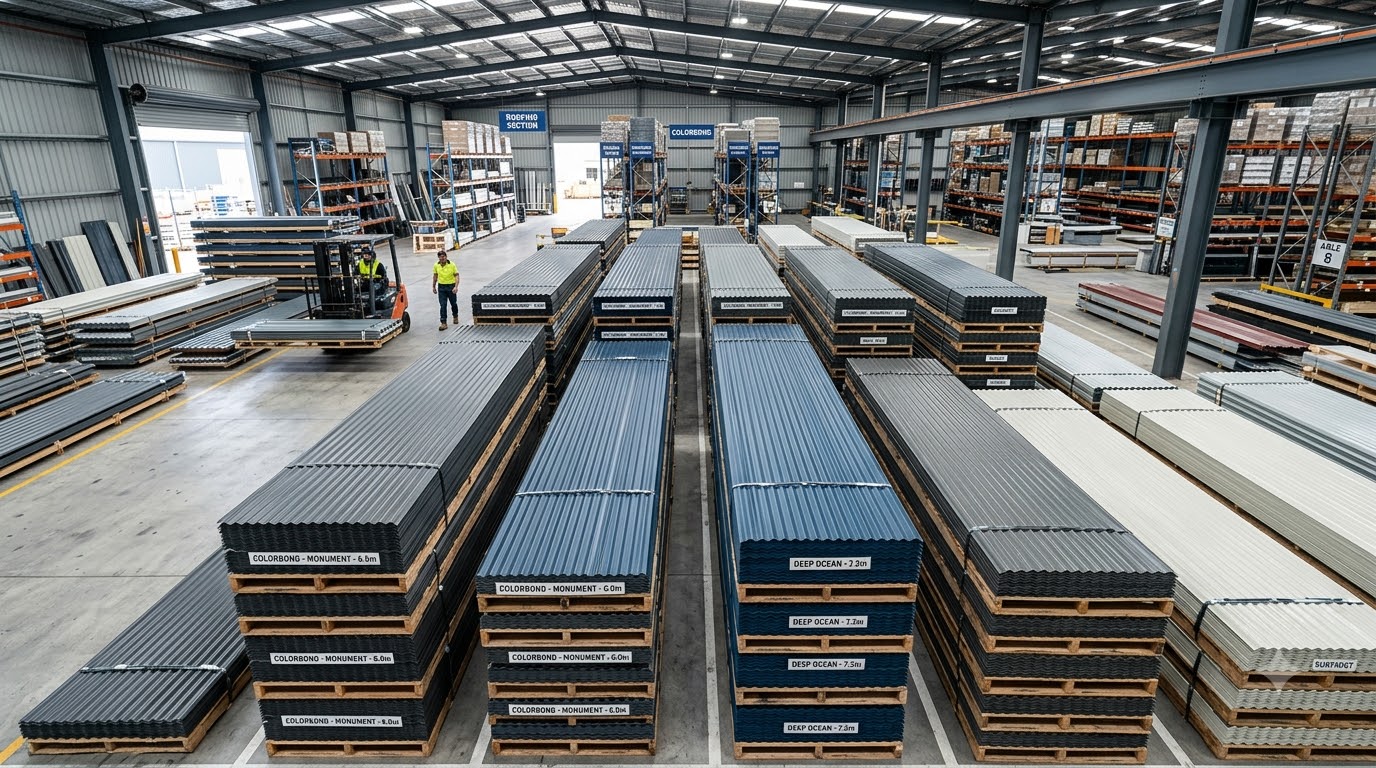
Colorbond Roofing Suppliers: A Guide To Choosing The Right Materials

Choosing suitable roofing materials is an important decision for homeowners, builders, and property developers. A roof needs to provide reliable protection from changing weather conditions while complementing the appearance of a building. Colorbond steel is widely recognised in Australia for its range of colours, practical performance, and suitability for different roofing applications.

What Is Colorbond Roofing?

Colorbond steel is a coated steel product designed for use in Australian building applications. It is available in a range of colours and can be used for roofing, walling, gutters, and other building components.

Its lightweight construction and modern appearance make it suitable for residential, commercial, and industrial projects. The right product depends on the building design, roof structure, local environment, and intended application.

Why Choose Colorbond Steel?

One of the main advantages of Colorbond steel is its versatility. The range of available colours allows property owners to coordinate roofing with walls, gutters, trims, and other exterior features.

The material is also designed for Australian conditions. Its protective coating system helps provide resistance against weather exposure, while the steel construction offers a practical roofing solution when installed correctly.

Consider Your Roofing Requirements

Before purchasing roofing materials, consider the size and design of the roof, the type of building, the existing structure, and the local climate. Different projects may require different profiles, thicknesses, finishes, or accessories.

It is also important to consider drainage, ventilation, insulation, flashing, gutters, and other components that form part of a complete roofing system. A roofing professional can help determine which specifications are appropriate for a particular project.

Choosing Reliable Suppliers

When comparing colorbond roofing suppliers, look at product availability, range, specifications, delivery options, and customer service. A supplier should be able to provide clear information about the products they stock and their intended applications.

It can also be helpful to ask about available colours, sheet profiles, custom sizing, roofing accessories, and lead times. Clear product information makes it easier to coordinate materials with the requirements of a building project.

Colour Selection Matters

Colour can influence the overall appearance of a property. Colorbond steel is available in a variety of shades, allowing customers to select an option that complements their preferred architectural style.

When choosing a colour, consider the surrounding environment, exterior walls, windows, doors, gutters, and other visible features. Samples can be useful because colours may appear different depending on lighting and surrounding materials.

Roofing Accessories and Components

A roofing project usually involves more than roof sheets. Depending on the design, additional components may include flashing, ridge capping, valleys, gutters, downpipes, fasteners, insulation, and ventilation products.

Using compatible components can help create a more coordinated roofing system. Buyers should confirm product specifications and compatibility before purchasing materials.

Quality and Proper Installation

Even high-quality roofing materials need correct installation to perform as intended. Roof sheets should be handled, cut, fastened, and installed according to relevant manufacturer instructions and building requirements.

Working with an experienced roofing contractor can help ensure that the roof is installed correctly. Proper installation can also reduce the risk of issues associated with water management, incorrect fastening, or unsuitable detailing.

Planning Your Purchase

Before ordering, prepare accurate measurements and confirm the required quantities, profiles, colours, and accessories. Discuss delivery arrangements if materials need to be transported directly to a building site.

Comparing quotes can also help buyers understand differences in product specifications and services rather than focusing only on the overall price.

Conclusion

Choosing colorbond roofing suppliers involves considering product quality, colour options, specifications, accessories, availability, and service. Understanding the requirements of the roofing project before purchasing can make material selection easier. With suitable products, accurate planning, and professional installation, Colorbond steel can provide a practical and visually appealing roofing solution for many Australian properties.

timber floor near glenwood

Thinking About Timber Flooring Near Glenwood? Start With These Tips

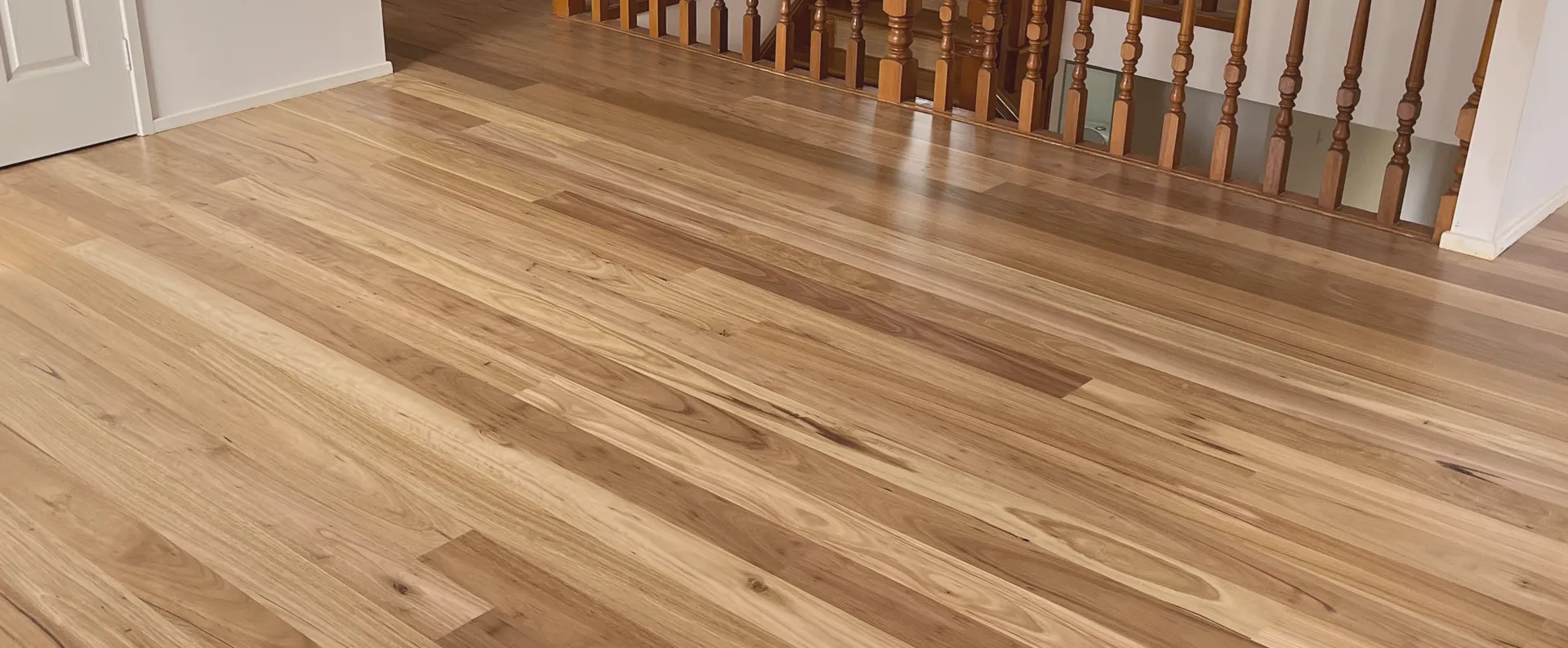
Choosing a new floor can change the way an entire room looks and feels. Timber flooring remains a popular option for homeowners who want a warm, natural appearance that can complement both traditional and contemporary interiors. If you are exploring timber flooring near Glenwood, a little planning can help you select a floor that suits your home, lifestyle and budget.

Think About The Look You Want

Timber flooring comes in a variety of colours, tones, textures and finishes. Lighter timber can create a brighter and more open feeling, while deeper tones can add warmth and character to a room.

Consider your existing furniture, wall colours and overall interior style before selecting a particular timber appearance. A floor should work with the rest of the space rather than compete with it.

Consider How The Room Is Used

The best flooring choice can depend on where it will be installed. A busy family living area may experience considerably more foot traffic than a quiet bedroom or study.

Think about children, pets, furniture movement and everyday activity when comparing flooring options. The expected use of each room can help you decide which timber type, finish and protective treatment may be appropriate.

Explore Different Timber Options

Not all timber flooring is the same. Solid timber, engineered timber and other timber based flooring products can offer different characteristics.

Solid timber is made from natural wood throughout, while engineered timber generally combines a real timber surface with layered construction underneath. Engineered options can be suitable for certain installations where dimensional stability is an important consideration.

Discuss the available options with a flooring professional to understand which product is appropriate for your property.

Do Not Overlook Installation

A quality flooring product still needs careful installation to achieve a good result. The existing surface may need to be assessed and prepared before the new floor is installed.

Subfloor condition, moisture levels, room dimensions and installation method can all influence the finished appearance. Taking care of these details can help reduce problems such as movement, gaps or an uneven finish.

Maintenance Matters Too

Timber flooring can be relatively straightforward to maintain when cared for correctly. Regular sweeping or vacuuming can help remove dirt and grit that may contribute to surface wear.

Spills should generally be dealt with promptly, while cleaning products should be suitable for the specific flooring and finish. Furniture pads and sensible precautions can also help protect high traffic areas from unnecessary scratches.

Choose Flooring With The Whole Home In Mind

It can be easy to focus only on colour or appearance when selecting a new floor. However, practical factors deserve equal attention. Consider how the flooring will connect with adjoining rooms, whether the finish complements your interior and how much maintenance you are prepared to undertake.

A professional flooring consultation can help you compare suitable products and understand what installation may involve before you commit.

Conclusion

Timber flooring can bring natural character and warmth to a home, but choosing the right option requires more than picking a colour you like. By considering room usage, timber type, installation requirements, maintenance and your existing interior, you can make a more informed decision. For homeowners around Glenwood, taking time to explore suitable timber flooring options can help create a finish that looks appealing and works well for everyday living.

Piling services rose bay

How Can Piling Services In Rose Bay Support Stronger Construction?

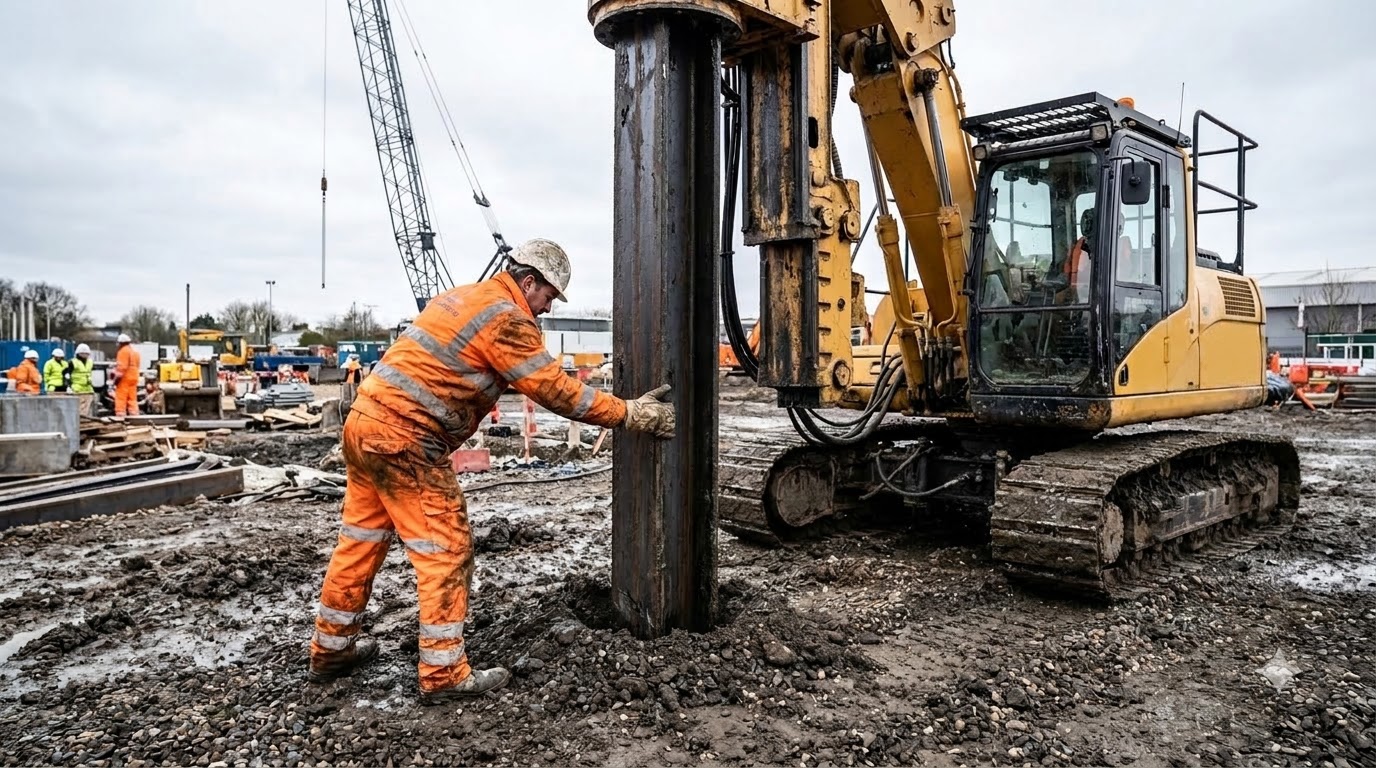
Building on soil that is soft, unstable, or unable to support heavy loads can create structural challenges. A strong foundation is essential for helping a building remain stable and perform well over time. Piling services in Rose Bay can provide a practical foundation solution for construction projects that require additional ground support.

Why Is a Strong Foundation Important?

The foundation transfers the weight of a structure safely into the ground. If the soil near the surface cannot carry the required load, movement or settlement may occur. This can potentially lead to cracks, uneven floors, damaged walls, or other structural concerns.

A properly designed piling system helps distribute building loads through deeper and more suitable layers of soil. This makes foundation planning an important part of residential, commercial, and infrastructure construction.

When Are Piles Used in Construction?

Piles are commonly considered when surface soil conditions are not suitable for supporting a structure. They may also be useful when a project involves heavy loads, restricted construction areas, sloping land, or challenging ground conditions.

Different projects require different foundation approaches. The appropriate pile type, depth, diameter, and installation method depend on factors such as soil characteristics, structural requirements, site access, and project design.

Professional assessment before installation helps determine which foundation method is appropriate for the specific site.

What Factors Should Be Considered Before Piling?

Ground conditions are one of the most important factors. Soil investigations can provide information about soil layers, groundwater conditions, density, and potential settlement risks. This information helps engineers develop a suitable foundation design.

Site access should also be considered. Some construction locations have limited space, nearby buildings, underground services, or other restrictions. Equipment selection and installation methods may need to be adjusted according to these conditions.

Noise, vibration, working space, and surrounding structures can also influence how piling work is planned. Careful preparation can help minimise disruption while supporting efficient construction activities.

How Can Piling Improve Structural Support?

Piling creates a deeper foundation system that can transfer structural loads beyond weaker surface soil. Depending on the design, piles may transfer loads through friction along their surface, resistance at their base, or a combination of both.

This approach can be particularly useful for structures where conventional shallow foundations may not provide adequate support. Properly engineered piles can help improve load distribution and contribute to long-term structural stability.

The performance of a piling system depends on accurate design, suitable materials, appropriate installation techniques, and compliance with relevant construction requirements.

Why Is Professional Planning Important?

Foundation work requires careful coordination between site investigation, structural design, equipment selection, and installation. Poor planning can create unnecessary delays, additional costs, or technical complications.

A professional piling team can assess project conditions, understand site limitations, and coordinate the installation process with other construction activities. Clear planning also helps ensure that the foundation solution aligns with the structural requirements of the project.

For properties in areas with varying soil conditions, proper foundation assessment is especially valuable before construction begins.

What Should Property Owners Ask About Piling?

Property owners and developers should understand the proposed piling method, expected foundation depth, site requirements, equipment used, and relevant engineering considerations. It is also useful to ask how nearby structures, underground services, noise, and vibration will be managed.

Understanding these factors allows property owners to make informed decisions about their construction project and foundation requirements.

Conclusion

A reliable foundation plays an important role in the stability and performance of any structure. Piling services in Rose Bay can be considered where deeper ground support is needed due to soil conditions, structural loads, or site limitations. With appropriate investigation, engineering, planning, and installation, piling can form an important part of a well-designed foundation system.

epoxy flooring Croydon

Epoxy Flooring Croydon: A Durable Solution for Busy Spaces

A flooring system needs to withstand everyday demands while remaining practical, attractive and easy to maintain. For homeowners, business operators and property managers considering epoxy flooring Croydon, epoxy can provide a hard-wearing surface designed for environments where durability and performance matter. With options for different colours, textures and decorative finishes, epoxy flooring can also complement the appearance of a property rather than simply serving a functional purpose.

What Is Epoxy Flooring?

Epoxy flooring is a resin-based floor coating system applied over a suitably prepared concrete surface. Before the coating is installed, the existing floor needs to be mechanically prepared to create an appropriate surface for adhesion.

Once prepared, the epoxy system can be applied to create a continuous surface across the concrete. Depending on the requirements of the project, finishes can include solid colours, decorative flakes and non-slip surfaces.

The finished floor can provide a seamless appearance while helping protect the underlying concrete from everyday wear and other environmental demands.

Why Choose Epoxy Flooring in Croydon?

One of the main advantages of epoxy flooring Croydon is its ability to suit a variety of environments. Epoxy flooring can be considered for residential garages, workshops and utility areas, as well as commercial and industrial settings.

In workplaces, the flooring can provide a clean and professional appearance while handling regular foot traffic and demanding use. Warehouses and workshops may benefit from its resistance to abrasion and its suitability for areas where equipment, vehicles or forklifts are regularly used.

Epoxy systems can also offer resistance to water and various chemicals, making them useful where ordinary concrete may require additional protection.

Decorative and Practical Finish Options

Epoxy flooring does not have to look purely industrial. Colour options and decorative vinyl flakes can be used to create a more distinctive appearance.

Flake flooring systems typically involve preparing the concrete, applying a suitable epoxy base coat, broadcasting decorative flakes across the surface and finishing with a protective topcoat. This can create an attractive textured appearance while providing a durable surface for everyday use.

Non-slip options may also be considered where additional surface grip is required, depending on the environment and project requirements.

Preparation Is Key to a Quality Result

The performance of an epoxy floor depends significantly on how the existing concrete is prepared. Dust, contaminants, weak surface material and previous coatings can affect adhesion if they are not properly addressed.

Mechanical preparation helps create a suitable surface before the coating system is installed. The condition of the concrete should also be assessed for cracks, moisture and other issues that may influence the installation.

A professional assessment can therefore help determine which epoxy system and preparation method are appropriate for the property.

Find the Right Epoxy Flooring Solution

Whether the requirement is a residential garage, commercial workspace, warehouse or industrial facility, choosing the right flooring system involves considering how the area will actually be used. Traffic levels, exposure to chemicals, moisture, cleaning requirements and desired appearance can all influence the final specification.

If you are considering epoxy flooring Croydon, arrange an assessment with an experienced concrete flooring specialist. Discuss your property’s requirements, available finishes and preparation needs, and request a professional quote for a flooring solution designed around your space.

Wood hydronic heating: A Warm and Practical Approach to Home Heating

Finding an effective way to heat a home during colder weather involves considering comfort, running costs, available energy sources and the property’s design. For households interested in wood-fired heating and water-based heat distribution, wood hydronic heating can offer an alternative approach to conventional heating systems. By using heat generated from wood to warm water, the system can distribute warmth through radiators or underfloor pipework throughout selected areas of a home.

How Does Wood-Based Hydronic Heating Work?

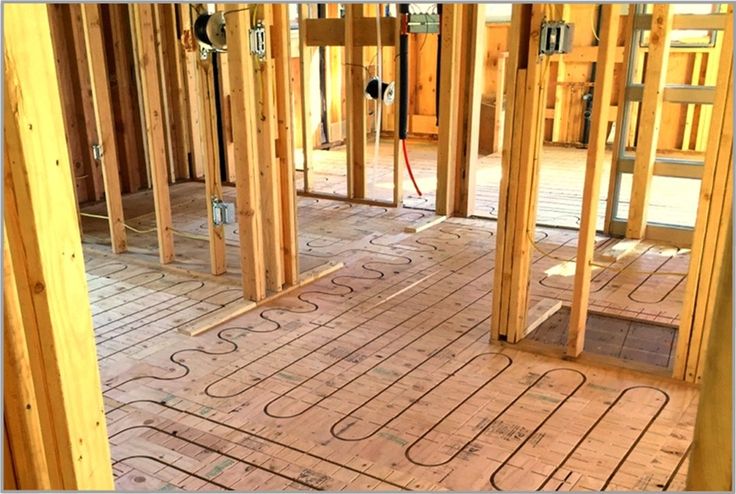
Unlike a conventional fireplace that mainly warms the room where it is installed, a wood-fired hydronic system transfers heat into water. The heated water then circulates through a network of pipes to distribute warmth around the property.

A typical system may work through the following stages:

  1. Wood is burned within a suitable heating appliance.
  2. Heat from combustion is transferred to water.
  3. A circulation system moves the heated water through pipework.
  4. Radiators, panels or underfloor pipes release the warmth into rooms.
  5. Cooler water returns to the heating unit for reheating.

This allows heat from a central source to reach multiple rooms rather than remaining concentrated around the appliance.

Why Consider Water-Based Wood Heating?

Different households have different heating preferences. Wood-based hydronic systems may appeal to homeowners who want to use a renewable fuel source while distributing heat throughout their property.

Some potential advantages include:

  • Whole-home heat distribution: Heat can be delivered to several rooms through a connected hydronic network.
  • Comfortable warmth: Radiators and underfloor systems can provide steady radiant heat.
  • Alternative energy source: Wood can provide an option for properties where other heating fuels may not be preferred.
  • Flexible distribution: Systems can potentially combine radiators, underfloor heating and other suitable components.
  • Centralised heating: A single heat source can serve multiple areas of the home.

The actual performance and suitability of a system depend on its design, installation and the property’s heating requirements.

Is Wood Hydronic Heating Suitable for Every Home?

Not necessarily. Before selecting a wood-fired hydronic system, homeowners should consider the available space, local regulations, fuel storage requirements and the property’s overall heating demand.

Wood storage is an important consideration. Sufficient dry and well-ventilated storage space may be required to keep fuel ready for use. The type and quality of wood can also influence combustion and heating performance.

Property owners should also consider chimney or flue requirements, system controls, maintenance access and safe operation.

What About Radiators and Underfloor Heating?

One of the key features of hydronic heating is the ability to distribute warm water through different types of heat emitters.

Radiators can be suitable for individual rooms and are often easier to incorporate into existing properties. Underfloor heating, on the other hand, distributes warmth across a larger surface area and can provide a comfortable radiant heating experience.

The appropriate option depends on the home’s construction, flooring, room layout and whether the system is being installed during a renovation or in a new build.

Important Factors Before Installation

A heating system should be selected based on the property’s specific requirements rather than simply choosing the largest available unit.

Before installation, consider:

  • Home size and insulation
  • Number of rooms requiring heating
  • Wood availability and storage
  • Radiator or underfloor requirements
  • Water circulation and system controls
  • Flue and ventilation requirements
  • Cleaning and maintenance needs
  • Local installation and environmental requirements

Professional system design is particularly important because incorrect sizing can affect comfort, efficiency and operating costs.

Could This Be a Long-Term Heating Option?

For homeowners who already have access to suitable wood fuel and prefer radiant heating, wood hydronic heating may be an option worth investigating. However, it is important to compare it with alternatives such as heat pumps, electric heating and other hydronic technologies.

Consider the complete picture, including installation expenses, fuel availability, maintenance and everyday convenience.

Final Thoughts

A wood-fired hydronic system combines the warmth of wood heating with the flexibility of water-based heat distribution. Wood hydronic heating can deliver heat through radiators or underfloor pipework, making it possible to warm multiple areas from a central heat source. By assessing your property’s layout, fuel requirements, storage options and heating needs, you can determine whether this approach is suitable for your home.

Aluminium Sliding Windows in Sydney for Modern Homes

Picture background

Windows can influence much more than the appearance of a home. The right design can improve natural light ventilation comfort and everyday functionality. For Sydney homeowners looking for a practical and contemporary option aluminium sliding windows in Sydney offer an appealing combination of style and performance.

Their simple opening mechanism makes them easy to operate while their slim frames can complement a wide range of architectural styles. Whether you are renovating an existing property or planning a new home choosing the right windows can make a noticeable difference.

Enjoy More Natural Light

Bright interiors can make living spaces feel larger and more welcoming. Sliding windows typically feature broad glass areas that allow natural daylight to enter rooms throughout the day.

This can be especially useful in kitchens living rooms bedrooms and other areas where creating a brighter atmosphere is important. The clean appearance of aluminium frames can also provide a modern look without overwhelming the surrounding design.

Make Better Use of Available Space

Traditional windows that open outward or inward require additional clearance. Sliding windows work differently by moving horizontally along their track.

This makes them a practical choice for areas where space is limited. Furniture can often be positioned closer to the window without interfering with its operation. The straightforward design can also make daily opening and closing convenient.

Improve Ventilation Around the Home

Good ventilation can help create a more comfortable indoor environment. Sliding windows can be opened to allow fresh air into the home while helping stale air escape.

Their flexible opening allows homeowners to control airflow according to the weather and room requirements. This can be particularly beneficial during Sydney’s warmer months when natural ventilation can make indoor spaces feel more pleasant.

Benefit From Aluminium Durability

Aluminium is widely used for residential windows because it offers a strong and durable frame solution. It can withstand regular use and is suitable for a variety of residential environments.

With the right finish and proper maintenance aluminium frames can retain their appearance for years. Their strength also allows manufacturers to create sleek window profiles that support large areas of glazing.

Choose Windows That Suit Your Home

When selecting aluminium sliding windows in Sydney it is important to consider the size of the opening the room layout glazing requirements and overall architectural style.

Think about how often the windows will be used and how much ventilation and daylight you want in each room. Selecting the right configuration can improve both functionality and visual appeal.

Conclusion

Aluminium sliding windows can provide Sydney homes with a practical balance of natural light ventilation durability and space efficient operation. Their clean appearance makes them suitable for contemporary properties while their straightforward design works well across many different interiors.

The right window choice should reflect your home’s layout lifestyle and performance requirements.

Healing Without Harm: Finding the Best Acne Scar Treatment for Sensitive Skin

Acne scars are difficult enough to treat on their own. When the skin is also sensitive, the challenge becomes considerably more nuanced. Many of the treatments commonly used for acne scarring involve controlled injury to the skin to stimulate collagen remodelling, and while these approaches are effective for resilient skin types, they can trigger prolonged redness, irritation, and post-inflammatory pigmentation in those whose skin reacts more intensely than average. Understanding the best acne scar treatment for sensitive skin requires looking beyond what works in general and focusing specifically on what works gently, progressively, and without compromising the skin barrier that sensitive skin already struggles to maintain.

Why Sensitive Skin Requires a Different Approach

Sensitive skin is characterised by a compromised or reactive skin barrier that responds disproportionately to external stimuli. Ingredients, procedures, and environmental factors that normal skin types tolerate without issue can trigger visible redness, burning, stinging, dryness, or breakouts in sensitive skin.

This reactivity creates a specific clinical challenge when treating acne scars. Aggressive resurfacing treatments that deliver fast results on resilient skin can cause significant post-procedural inflammation in sensitive skin, which not only extends recovery time but can worsen pigmentation and create new concerns in addition to the original scarring.

The most effective strategy for sensitive skin is a staged, low-aggression approach that prioritises skin barrier health throughout the treatment journey rather than chasing rapid results at the expense of comfort and safety.

Treatments That Work Well for Sensitive Skin

Not every acne scar treatment is unsuitable for sensitive skin. Several effective options are well tolerated when selected carefully and applied at appropriate intensities:

  • Low-concentration chemical peels using gentle acids such as mandelic acid or lactic acid that improve skin texture and stimulate collagen production with a lower irritation profile than stronger alpha hydroxy acids or TCA peels.
  • Microneedling at conservative depths triggers controlled collagen stimulation without the level of thermal or chemical aggression associated with laser resurfacing, making it one of the more compatible options for sensitive skin when performed by an experienced practitioner.
  • Polynucleotide and skin booster injections that improve skin hydration, elasticity, and overall quality from within, supporting the skin’s structural capacity to reduce the visible appearance of shallow scarring over time.
  • Topical retinoids at low concentrations are introduced gradually into a skincare routine to promote cell turnover and collagen synthesis without the irritation that higher concentrations cause in reactive skin types.
  • LED light therapy which uses specific wavelengths of red and near-infrared light to reduce inflammation, support wound healing, and stimulate collagen production with no thermal damage and virtually no risk of irritation.

What to Avoid With Sensitive Skin

High-Intensity Laser Resurfacing

Ablative laser treatments deliver impressive results for acne scarring on resilient skin but carry a significant risk of prolonged redness, hyperpigmentation, and barrier disruption in sensitive skin types. Even fractional laser options should be approached with considerable caution and only considered after thorough skin preparation and a conservative test patch protocol.

Strong Chemical Peels

Medium and deep chemical peels using trichloroacetic acid or phenol generate a controlled wound response that sensitive skin handles poorly. The resulting inflammation can trigger post-inflammatory hyperpigmentation that is more visible and persistent than the original scarring.

Over-Layering Active Ingredients at Home

A common mistake among people treating acne scars at home is combining multiple active ingredients simultaneously. Retinoids, vitamin C, AHAs, and niacinamide each offer individual benefit, but layering several high-concentration actives at once overwhelms a sensitive skin barrier and causes the kind of inflammation that worsens scarring rather than improving it.

Building a Treatment Plan That Works

The most successful outcomes for sensitive skin acne scarring come from a thoughtfully sequenced plan rather than isolated treatments. A qualified skin clinician or dermatologist will typically recommend:

  • Stabilising the skin barrier first before any active treatment begins, using a gentle cleanser, a ceramide-rich moisturiser, and consistent sunscreen application to bring the skin into a calm and receptive state.
  • Introducing treatments progressively starting with the least aggressive options and advancing only when the skin demonstrates tolerance, rather than beginning at the highest intensity available.
  • Spacing sessions appropriately to allow full recovery and collagen maturation between treatments, which is particularly important for sensitive skin that requires longer intervals than average.
  • Supporting recovery with barrier-focused skincare between clinic sessions, including ingredients such as niacinamide, hyaluronic acid, and centella asiatica that calm, hydrate, and protect reactive skin.

Final Thoughts

Sensitive skin and acne scarring together require patience, clinical expertise, and a treatment philosophy built around the skin’s tolerance rather than the fastest possible result. The best acne scar treatment for sensitive skin is not a single procedure but a carefully considered plan that works with the skin’s natural capacity to heal and rebuild. Consult a qualified skin professional, prioritise barrier health from the outset, and trust a gradual process that delivers lasting improvement without putting sensitive skin through unnecessary stress.

Hardwood Timber Near Me

Hardwood Timber Near You – Premium Timber for Stronger, More Beautiful Projects

Whether you’re planning a new deck, renovating your home, building custom furniture, or completing a commercial fit-out, finding hardwood timber near you is the first step toward achieving a long-lasting result. Hardwood is valued for its exceptional strength, timeless appearance, and ability to perform in Australia’s demanding climate. From residential landscaping to large-scale construction, quality hardwood remains one of the most trusted building materials available.

Choosing a reliable local supplier ensures you receive premium-grade timber, expert guidance, and products that meet Australian standards. When quality matters, investing in the right hardwood makes all the difference.

Why Hardwood Timber Is a Smart Investment

Hardwood is sourced from slow-growing trees, creating a dense and durable material that offers superior performance compared to many softwood alternatives. Its natural beauty and structural integrity make it suitable for countless indoor and outdoor applications.

Some key advantages include:

  • Exceptional durability and strength
  • Attractive natural grain and rich colour variations
  • Excellent resistance to wear and impact
  • Suitable for structural and decorative applications
  • Long service life with proper maintenance
  • Excellent value over time

These qualities make hardwood a preferred choice for homeowners, architects, builders, landscapers, and designers.

Applications for Hardwood Timber

One of the greatest benefits of hardwood is its versatility. It can be used in almost every part of a residential or commercial project.

Popular applications include:

Outdoor Decking

Hardwood creates elegant outdoor entertaining areas that withstand heavy foot traffic and changing weather conditions.

Flooring

Natural hardwood flooring adds warmth, sophistication, and lasting value to homes and commercial spaces.

Cladding

Timber cladding provides excellent visual appeal while protecting buildings from external elements.

Pergolas and Outdoor Structures

Strong hardwood beams offer reliable structural support while enhancing outdoor living spaces.

Fencing

Hardwood fencing combines durability with timeless aesthetics, making it suitable for both modern and traditional properties.

Staircases

Indoor and outdoor staircases benefit from hardwood’s strength and refined appearance.

Furniture and Joinery

Cabinets, tables, shelving, and custom furniture showcase the beauty of natural timber grain.

Finding Hardwood Timber Near You

Searching for hardwood timber near you should involve more than simply finding the closest supplier. Experience, product quality, and customer support are equally important.

A trusted supplier typically offers:

  • Wide range of Australian hardwood species
  • Multiple timber sizes and profiles
  • Consistent grading and quality
  • Expert product recommendations
  • Reliable stock availability
  • Fast local and Australia-wide delivery
  • Competitive pricing

Working with experienced timber professionals helps ensure you purchase the right product for your project’s requirements.

Choosing the Right Hardwood Species

Every hardwood species has unique characteristics. The right choice depends on your intended application, appearance preferences, and maintenance expectations.

Factors to consider include:

  • Natural durability rating
  • Colour and grain pattern
  • Bushfire compliance requirements
  • Moisture resistance
  • Structural performance
  • Surface finish compatibility
  • Environmental exposure

Professional advice can simplify the selection process and help avoid costly mistakes.

Sustainable Timber for Responsible Building

Many Australian hardwood products are sourced from responsibly managed forests. Sustainable harvesting practices help protect natural ecosystems while ensuring future timber supplies.

When purchasing hardwood, look for suppliers who prioritise:

  • Responsibly sourced timber
  • Sustainable forestry practices
  • High-quality milling processes
  • Environmentally conscious operations

Responsible sourcing supports both your project and the long-term health of Australia’s forests.

Why Quality Matters

Not all timber performs equally. Premium hardwood undergoes careful grading, drying, and machining to provide consistent quality and improved stability.

High-quality timber offers:

  • Better dimensional stability
  • Reduced movement after installation
  • Cleaner machining
  • Improved finish quality
  • Longer lifespan
  • Greater structural reliability

Choosing premium materials often reduces maintenance costs and improves the final appearance of your project.

Expert Advice Makes Every Project Easier

Whether you’re a professional builder or a DIY renovator, expert guidance can help you select the correct timber dimensions, species, and finish.

Knowledgeable timber specialists can assist with:

  • Product selection
  • Quantity calculations
  • Installation recommendations
  • Maintenance advice
  • Suitable finishing products
  • Project-specific solutions

This expertise helps reduce waste, improve efficiency, and achieve professional results.

Why Customers Choose Local Hardwood Suppliers

Buying locally offers several advantages beyond convenience.

Local suppliers often provide:

  • Faster delivery
  • Better customer service
  • Product knowledge based on Australian conditions
  • Flexible ordering options
  • Reliable after-sales support
  • Consistent product availability

Establishing a relationship with a trusted supplier also benefits future renovation and construction projects.

Build with Confidence Using Premium Hardwood Timber

Finding hardwood timber near you means gaining access to premium materials that deliver strength, beauty, and long-term value. Whether you’re constructing a deck, installing flooring, building outdoor structures, or creating custom joinery, quality hardwood provides exceptional performance for projects of every size.

Choosing a reputable timber supplier ensures expert advice, reliable service, and access to premium Australian hardwood products that stand the test of time. With the right timber and professional support, you can complete your next project with confidence while enjoying the lasting beauty and durability that only genuine hardwood can provide.

sheet metal roofing supplies sydney cbd

Is Sheet Metal Roofing Supplies In Sydney CBD The Right Choice For Your Next Project?

Roofing plays a critical role in protecting any property, whether residential or commercial. Choosing the right materials is essential for durability, performance, and long-term value. Many builders and property owners today are exploring sheet metal roofing supplies in Sydney CBD due to their reliability and versatility. But is it the right option for your next project? This guide explains everything needed to make an informed decision.

What makes sheet metal roofing a popular choice?

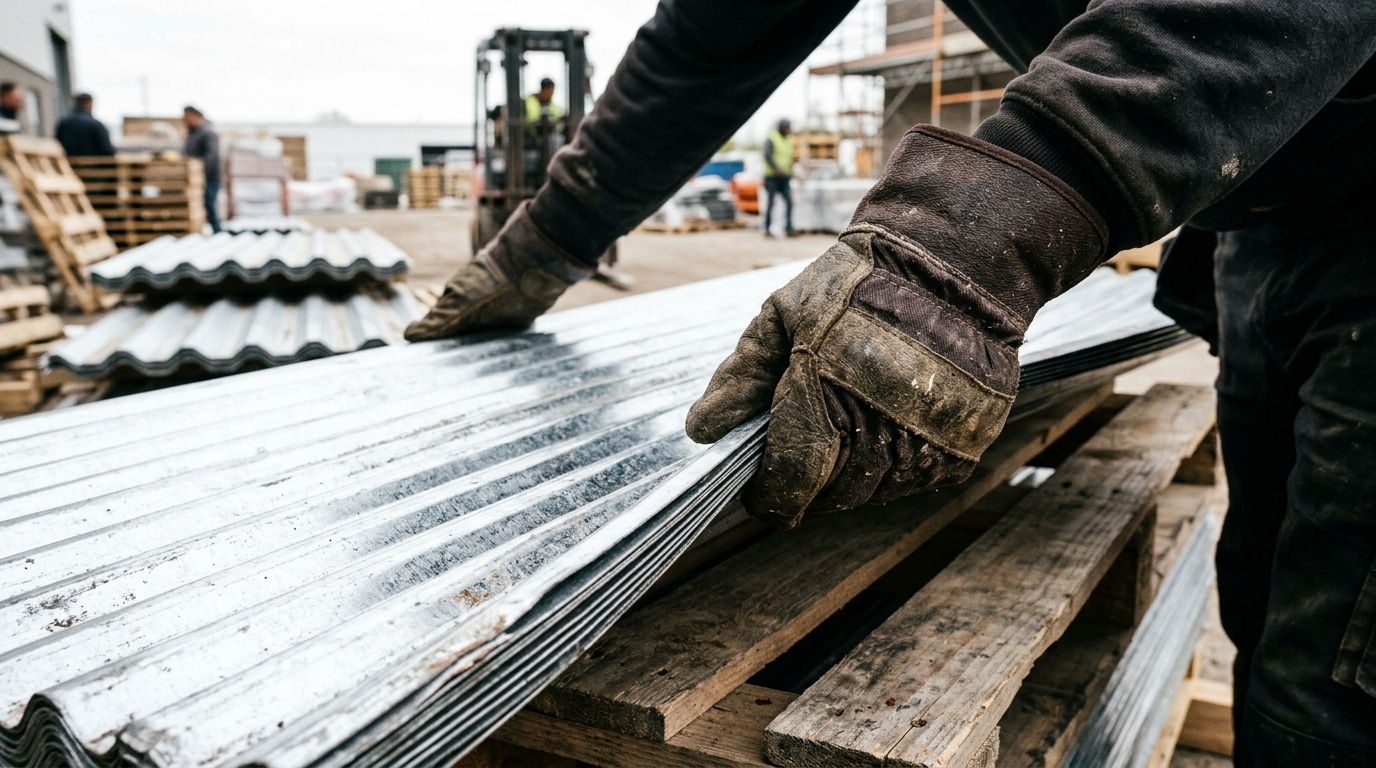
Sheet metal roofing has become increasingly popular due to its strength and adaptability. It is designed to withstand harsh weather conditions, including heavy rain, strong winds, and intense sunlight. Unlike traditional roofing materials, sheet metal offers better resistance to corrosion and cracking.

Another reason for its popularity is its lightweight nature. This makes installation easier and reduces structural stress on buildings. Additionally, it is available in a wide range of finishes and styles, allowing flexibility in design without compromising performance.

Why is durability important in roofing materials?

Durability is one of the most important factors when selecting roofing supplies. A strong roof ensures safety and reduces maintenance costs over time. Sheet metal roofing stands out because it can last for decades with minimal upkeep.

It does not easily warp or degrade, even in extreme conditions. This makes it a practical option for both modern and older structures. Long-lasting materials also mean fewer repairs, which can save both time and money in the long run.

How does sheet metal roofing improve energy efficiency?

Energy efficiency is a growing concern for property owners. Roofing materials can significantly impact indoor temperature and energy consumption. Sheet metal roofing reflects heat rather than absorbing it, helping to keep interiors cooler.

This can reduce the need for air conditioning, especially during warmer months. As a result, energy bills can be lowered while maintaining comfort inside the property. It is an effective solution for improving overall energy performance.

What are the design and aesthetic benefits?

Modern roofing is not only about function but also about appearance. Sheet metal roofing offers a clean and contemporary look that suits various architectural styles. It can be customised in different colours and finishes to match the design of the building.

Whether the goal is a sleek modern finish or a more traditional appearance, sheet metal can be adapted accordingly. This flexibility makes it a preferred choice for designers and builders alike.

How easy is installation and maintenance?

Installation plays a key role in the success of any roofing project. Sheet metal roofing is relatively quick to install due to its lightweight and structured panels. This can reduce labour time and overall project costs.

Maintenance is also straightforward. Regular inspections and simple cleaning are usually enough to keep the roof in good condition. Compared to other materials, it requires less frequent repairs, making it a convenient option.

What should be considered before choosing roofing supplies?

Before selecting any roofing material, several factors should be evaluated. These include budget, building structure, climate conditions, and long-term maintenance needs. It is important to ensure the material aligns with the specific requirements of the project.

Quality should always be prioritised over cost. Investing in reliable materials can prevent future issues and ensure better performance over time. Careful planning helps in achieving the desired results without unexpected complications.

Conclusion

Choosing the right roofing material is a decision that impacts both performance and appearance. Sheet metal roofing supplies in Sydney CBD offer a combination of durability, efficiency, and design flexibility, making them a strong option for many projects. With proper selection and installation, they can provide long-term value and reliable protection for any property.