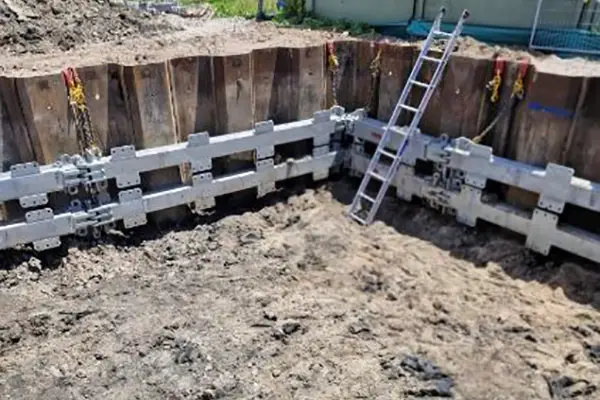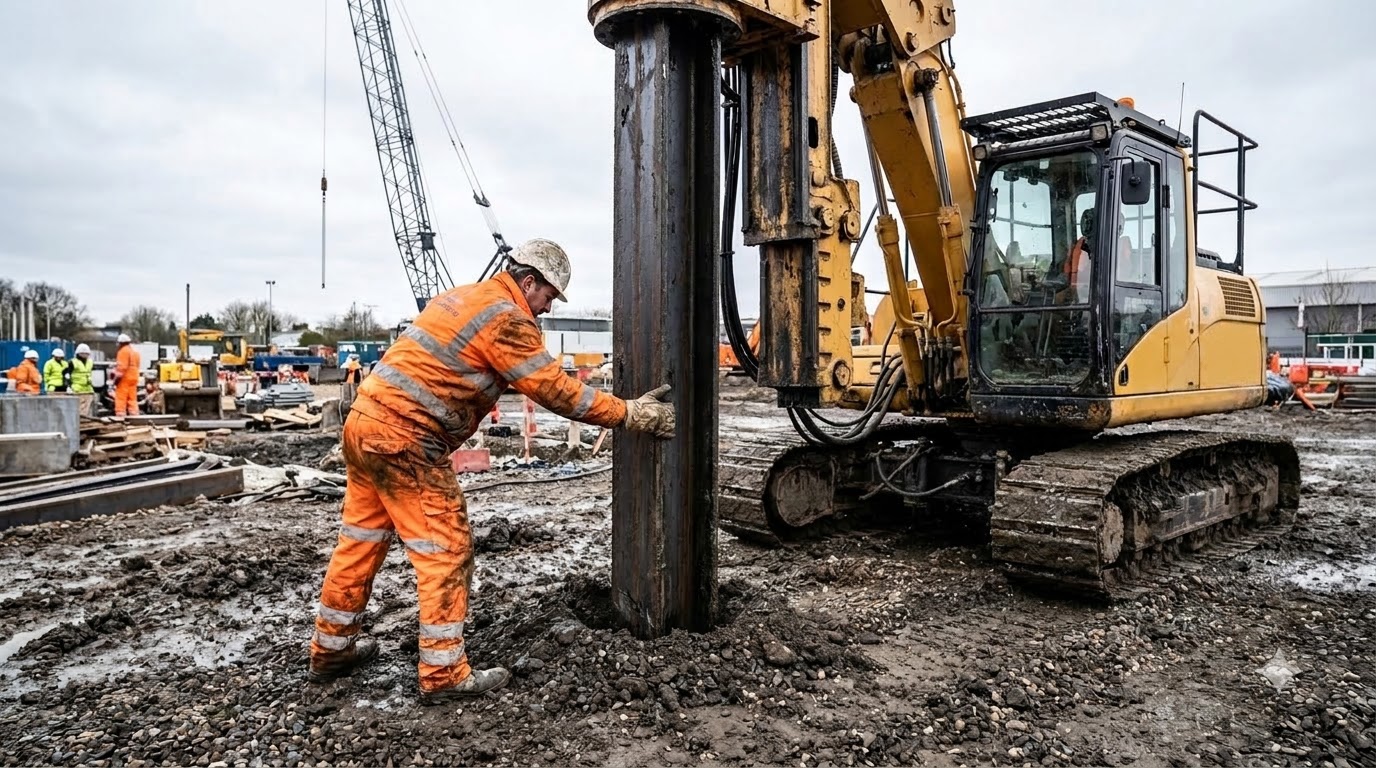
Building on soil that is soft, unstable, or unable to support heavy loads can create structural challenges. A strong foundation is essential for helping a building remain stable and perform well over time. Piling services in Rose Bay can provide a practical foundation solution for construction projects that require additional ground support.
Why Is a Strong Foundation Important?
The foundation transfers the weight of a structure safely into the ground. If the soil near the surface cannot carry the required load, movement or settlement may occur. This can potentially lead to cracks, uneven floors, damaged walls, or other structural concerns.
A properly designed piling system helps distribute building loads through deeper and more suitable layers of soil. This makes foundation planning an important part of residential, commercial, and infrastructure construction.
When Are Piles Used in Construction?
Piles are commonly considered when surface soil conditions are not suitable for supporting a structure. They may also be useful when a project involves heavy loads, restricted construction areas, sloping land, or challenging ground conditions.
Different projects require different foundation approaches. The appropriate pile type, depth, diameter, and installation method depend on factors such as soil characteristics, structural requirements, site access, and project design.
Professional assessment before installation helps determine which foundation method is appropriate for the specific site.
What Factors Should Be Considered Before Piling?
Ground conditions are one of the most important factors. Soil investigations can provide information about soil layers, groundwater conditions, density, and potential settlement risks. This information helps engineers develop a suitable foundation design.
Site access should also be considered. Some construction locations have limited space, nearby buildings, underground services, or other restrictions. Equipment selection and installation methods may need to be adjusted according to these conditions.
Noise, vibration, working space, and surrounding structures can also influence how piling work is planned. Careful preparation can help minimise disruption while supporting efficient construction activities.
How Can Piling Improve Structural Support?
Piling creates a deeper foundation system that can transfer structural loads beyond weaker surface soil. Depending on the design, piles may transfer loads through friction along their surface, resistance at their base, or a combination of both.
This approach can be particularly useful for structures where conventional shallow foundations may not provide adequate support. Properly engineered piles can help improve load distribution and contribute to long-term structural stability.
The performance of a piling system depends on accurate design, suitable materials, appropriate installation techniques, and compliance with relevant construction requirements.
Why Is Professional Planning Important?
Foundation work requires careful coordination between site investigation, structural design, equipment selection, and installation. Poor planning can create unnecessary delays, additional costs, or technical complications.
A professional piling team can assess project conditions, understand site limitations, and coordinate the installation process with other construction activities. Clear planning also helps ensure that the foundation solution aligns with the structural requirements of the project.
For properties in areas with varying soil conditions, proper foundation assessment is especially valuable before construction begins.
What Should Property Owners Ask About Piling?
Property owners and developers should understand the proposed piling method, expected foundation depth, site requirements, equipment used, and relevant engineering considerations. It is also useful to ask how nearby structures, underground services, noise, and vibration will be managed.
Understanding these factors allows property owners to make informed decisions about their construction project and foundation requirements.
Conclusion
A reliable foundation plays an important role in the stability and performance of any structure. Piling services in Rose Bay can be considered where deeper ground support is needed due to soil conditions, structural loads, or site limitations. With appropriate investigation, engineering, planning, and installation, piling can form an important part of a well-designed foundation system.