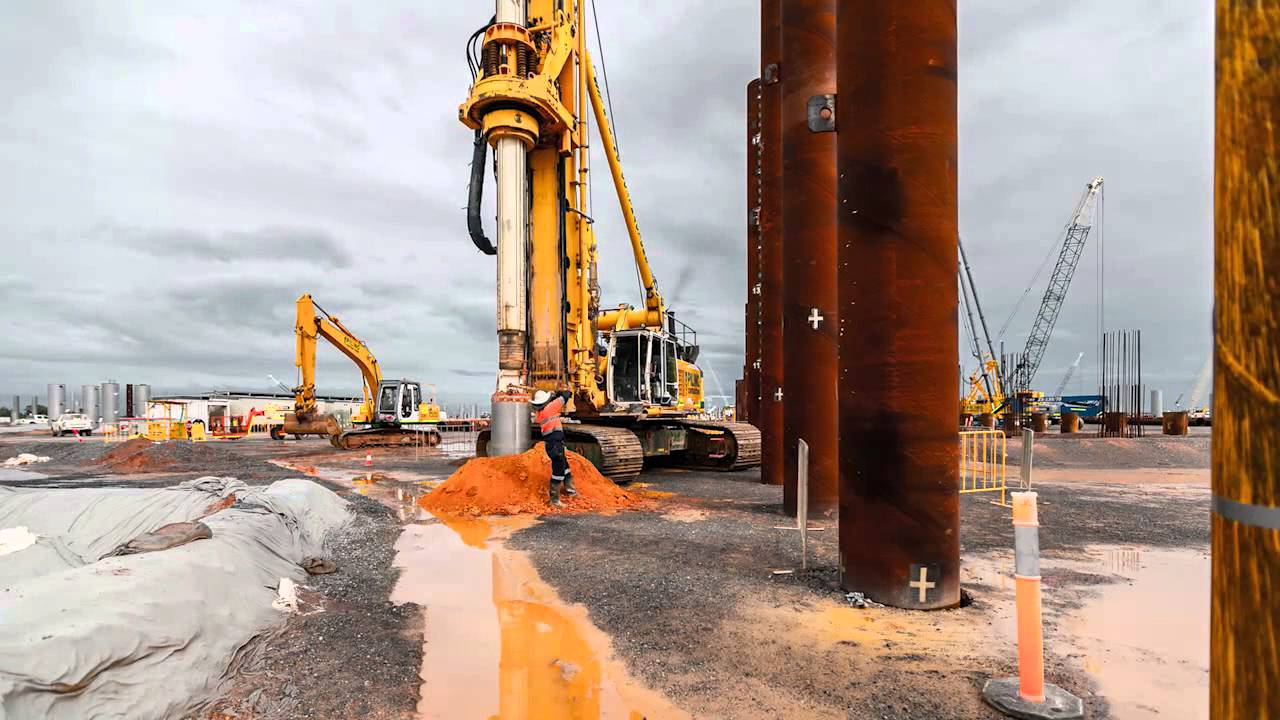
Category Archive : Piling

Piling Kingsford

What Should You Know About Piling In Kingsford Before Starting Construction?

Planning a building project requires a strong and stable foundation to ensure long-term success. Understanding the basics of piling in Kingsford can help property owners and developers make informed decisions that support structural safety and durability.

What is piling and why is it important?

Piling is a foundation technique used to transfer the load of a structure deep into the ground where the soil is more stable. This process is especially important in areas where surface soil is weak or inconsistent. A properly installed foundation system helps prevent issues like sinking, cracking, or uneven settlement over time.

How does soil condition affect foundation work?

Soil type plays a major role in determining the right foundation method. Sandy, clay-rich, or loose soils may not provide enough support for buildings. In such cases, deep foundation techniques are used to reach stronger layers beneath the surface. Site assessments and soil testing are essential steps before starting any construction work.

What are the common types of piling methods?

There are several methods used depending on the project and ground conditions. Bored piling involves drilling holes and filling them with concrete, making it suitable for large structures. Driven piles are hammered into the ground and are ideal for areas requiring high load-bearing capacity. Screw piles are often used for smaller projects due to their quick installation, while sheet piles are commonly used for retaining walls and excavation support.

When should you consider piling for your project?

Foundation work should be planned early in the construction process. If the site has unstable soil, high moisture levels, or requires support for heavy structures, piling becomes a necessary solution. Early planning helps avoid delays and ensures that the design aligns with ground conditions.

What are the signs of a well-installed foundation system?

A properly installed system is level, stable, and free from visible defects. There should be no signs of shifting, cracking, or uneven settlement. Quality work also follows engineering standards and uses appropriate materials for long-term performance. Regular inspections can help confirm that everything is functioning as expected.

How can proper foundation work improve long-term durability?

A strong foundation supports the entire structure and helps it withstand environmental factors such as heavy rainfall, soil movement, and temperature changes. With reliable piling in Kingsford, buildings can maintain their integrity for years without major structural concerns. This not only enhances safety but also reduces maintenance issues over time.

What should you look for in a professional service provider?

Choosing experienced professionals is essential for achieving the best results. Look for expertise, proper licensing, and a track record of successful projects. Clear communication, detailed planning, and modern equipment are also indicators of a reliable service provider.

Conclusion

Understanding piling in Kingsford is an important step for anyone planning a construction project. From soil assessment to method selection, each stage plays a role in creating a stable and durable structure. Careful planning and the right expertise can ensure a foundation that supports long-term performance and peace of mind.

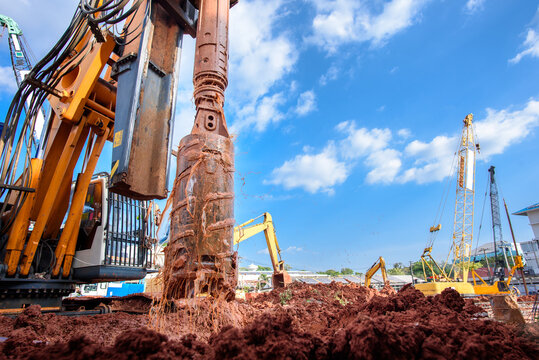
concrete piling cost

Understanding Concrete Piling Cost For Sydney Construction Projects

Managing concrete piling cost effectively is essential for anyone planning a construction, renovation or structural support project in Sydney. Piling is one of the most critical components in establishing strong foundations for buildings, retaining walls and extensions. Because the ground conditions across Sydney vary greatly, the cost of concrete piling can differ from one suburb to another. Knowing what influences pricing helps homeowners, builders and developers plan more accurately and avoid budget surprises.

Concrete piling ensures that structures remain stable, especially in areas with soft soil, sloping land or variable ground density. Sydney’s coastal regions, harbour side suburbs and older residential areas often require reinforced foundations to support new developments. Understanding how costs are calculated and what factors influence them allows you to make informed decisions when comparing quotes and selecting piling specialists.

What Concrete Piling Involves

Piling refers to installing deep structural supports into the ground to transfer building loads to stable soil layers. Several methods are used depending on soil type, project scale and engineering requirements.

Common Types of Concrete Piles

  • Bored piles
  • Continuous flight auger piles
  • Driven precast concrete piles
  • Screw piles with concrete reinforcement


Each type has different installation techniques and pricing structures.

Why Piling Is Necessary

• Stabilises structures on reactive or unstable soil
• Supports new buildings and extensions
• Prevents settlement or movement over time
• Provides long term durability for heavy loads
These benefits make piling a crucial element in many Sydney projects.

Key Factors That Influence Concrete Piling Cost

The overall concrete piling cost is shaped by several important variables. Understanding these helps you plan your budget more effectively.

Soil and Ground Conditions

Sydney’s geology ranges from sandstone to soft fill which significantly impacts installation difficulty. Hard ground may require more powerful drilling equipment while soft or waterlogged soil may need deeper piles for stability.

Depth and Diameter of Piles

• Deeper piles require more drilling time
• Larger diameters need additional concrete and steel reinforcement
The engineering team usually determines these specifications based on structural loads.

Site Accessibility

Restricted access can increase the total cost. Factors include:
• Narrow driveways
• Limited space for machinery
• Need for smaller or specialised equipment
Urban suburbs and older residential blocks often experience these challenges.

Quantity of Piles Required

Larger projects naturally require more materials, labour and time which increases the total price. Small residential jobs may need only a few piles while commercial sites require extensive piling networks.

Engineering and Compliance

Sydney projects must adhere to strict building regulations. Costs may include:
• Soil testing
• Engineering reports
• Compliance documentation
These steps ensure safety and structural integrity throughout the project.

Additional Cost Considerations

Beyond the main factors, several secondary elements may affect pricing.

Potential Extra Costs

• Removal of underground obstructions
• Concrete pumping for difficult access
• Spoil removal and disposal
• Reinforcement cages with higher steel content
Discussing these possibilities early helps avoid unexpected expenses.

Cost Benefits of Concrete Piling

Although piling can appear costly at first, the long term benefits justify the investment.

Why Concrete Piling Offers Value

• Increased structural stability
• Reduced risk of future movement or cracking
• Longer lifespan compared to shallow foundations
• Better performance in coastal and flood prone areas
Well executed piles protect your building for decades and minimise future repair costs.

Planning and Budgeting for Piling

Careful planning helps ensure the project stays within budget while meeting engineering requirements.

Tips for Better Budget Management

• Conduct soil testing before obtaining quotes
• Compare multiple piling methods
• Ensure transparent pricing with breakdowns
• Discuss potential site challenges early
These steps help you select the most cost effective solution for your site.

Conclusion

Understanding concrete piling cost allows you to plan your construction project with confidence and clarity. By considering factors such as soil conditions, site access, engineering requirements and the number of piles needed, you can make informed decisions that support long term structural stability. With proper planning and clear communication, concrete piling becomes a reliable and worthwhile investment for building safely and securely in Sydney.

residential piling contractors sydney

Residential Piling Contractors In Sydney: Ensuring Strong Foundations For Your Home

A solid foundation is critical to the safety, longevity, and value of any home. Professional residential piling contractors in Sydney specialise in installing deep foundations that provide stability, even in challenging soil conditions. From single-family homes to multi-level townhouses, these experts ensure that your property is built on secure and reliable support, giving homeowners peace of mind and long-term security.

Why Hire Residential Piling Contractors

Engaging experienced residential piling contractors offers several benefits:

  • Structural Safety – Correctly designed piles prevent uneven settlement and structural damage.
  • Technical Expertise – Contractors understand soil types, load requirements, and appropriate piling methods.
  • Efficient Project Management – Timely execution minimises disruption and ensures smooth construction.
  • Compliance with Australian Standards – All work adheres to local building codes and regulations.
  • Cost-Effective Solutions – Prevents expensive repairs caused by foundation failure in the future.

Professional contractors provide the expertise and experience needed to protect your investment.

Types of Residential Piling

Residential piling contractors use a variety of techniques based on site conditions and project needs:

Concrete Piers – Vertical columns that transfer building loads to stable soil or rock layers.

Screw Piles – Helical steel piles that are screwed into the ground, ideal for quick installation.

Driven Piles – Steel or timber piles driven deep into the earth for maximum load-bearing capacity.

Mini Piles – Suitable for limited access sites or homes with tight spacing requirements.

Pad and Beam Foundations – Combine traditional footings with pile support for additional stability.

Choosing the right method depends on soil conditions, building design, and load requirements.

Benefits of Residential Piling

Using professional piling techniques offers multiple advantages:

  • Enhanced Structural Integrity – Supports the weight of your home effectively.
  • Protection Against Soil Movement – Minimises risks from subsidence or uneven settlement.
  • Adaptable to Challenging Sites – Works in areas with soft, rocky, or waterlogged soil.
  • Longevity – Piled foundations increase the lifespan of your home.
  • Peace of Mind – Ensures a safe and reliable foundation for your family and property.

Residential piling is an investment in long-term security and stability.

Selecting the Right Residential Piling Contractors in Sydney

To ensure high-quality results, consider these factors when choosing contractors:

  • Experience and Track Record – Look for contractors with proven residential projects.
  • Technical Expertise – Ensure they understand local soil conditions and foundation engineering.
  • Modern Equipment – Use of up-to-date machinery ensures efficient and precise installation.
  • Customer Reviews and Testimonials – Feedback from previous clients indicates reliability and professionalism.
  • Compliance and Insurance – Contractors should adhere to Australian building standards and carry necessary insurance.

Selecting the right contractor reduces risks and guarantees a high standard of workmanship.

Installation Process for Residential Piles

The installation of residential piles involves several steps to ensure stability and compliance:

Site Assessment – Evaluate soil composition, water table levels, and load requirements.

Design and Planning – Engineers determine the type, depth, and spacing of piles.

Excavation or Drilling – Pile holes are prepared according to design specifications.

Reinforcement and Concrete Pouring – Steel reinforcement and concrete are installed for strength.

Curing and Inspection – Concrete is allowed to set, and quality checks are performed.

Integration with Building Structure – Piles are connected to beams or footings for full structural support.

Professional installation ensures optimal performance and long-term reliability.

Common Challenges and Solutions

Residential piling contractors encounter various challenges, including:

  • Variable Soil Conditions – Solutions include customised pile design and soil stabilisation.
  • Limited Access Sites – Use of mini or screw piles for tight spaces.
  • High Water Tables – Waterproofing and drainage solutions prevent foundation compromise.
  • Nearby Structures – Careful planning and precision equipment prevent damage to surrounding properties.

Experienced contractors can effectively manage these challenges, ensuring safe and reliable foundations.

Maintenance and Inspection

Even with professional installation, periodic inspection is recommended:

  • Check for Cracks or Movement – Early detection prevents larger structural issues.
  • Drainage Maintenance – Ensure water is directed away from foundation areas.
  • Professional Assessments – Engineers can perform detailed inspections for older homes or high-risk areas.

Proper maintenance guarantees your piled foundation continues to perform over time.

Conclusion

Engaging expert residential piling contractors in Sydney ensures that your home is built on a stable, safe, and durable foundation. From concrete piers and screw piles to mini piles and pad and beam systems, professional contractors provide tailored solutions to meet your site’s specific requirements.

By selecting experienced contractors, following proper installation procedures, and maintaining the foundation, homeowners can enjoy peace of mind knowing their property is secure. Residential piling is not just a construction necessity—it is a long-term investment in the safety, value, and integrity of your home.